Loading city information...
Join our Facebook Group: Join: Expats in Saudi Arabia
Loading city information...
Explore Hail, home to UNESCO rock art, ancient forts, and dramatic desert landscapes in northern Saudi Arabia.
Hail, in northern Saudi Arabia, is a city of ancient heritage and dramatic desert landscapes. The region contains some of the world's oldest rock art at the UNESCO-listed Jubbah and Shuwaymis sites, dating back over 10,000 years. Known for its generous hospitality traditions and the annual Hail Rally desert racing event, the city offers authentic Arabian desert experiences.
Whether you are interested in history, culture, architecture, or simply experiencing authentic Saudi life, Hail offers something for every type of traveler.
One of Saudi Arabia's most significant UNESCO World Heritage Sites, the Jubbah petroglyphs contain over 10,000 years of human artistic expression carved into sandstone outcrops on the edge of the Nefud Desert. Hunting scenes, animal depictions, human figures, and inscriptions in various ancient scripts document the transition from a wetter, greener Arabia to the desert landscape of today.
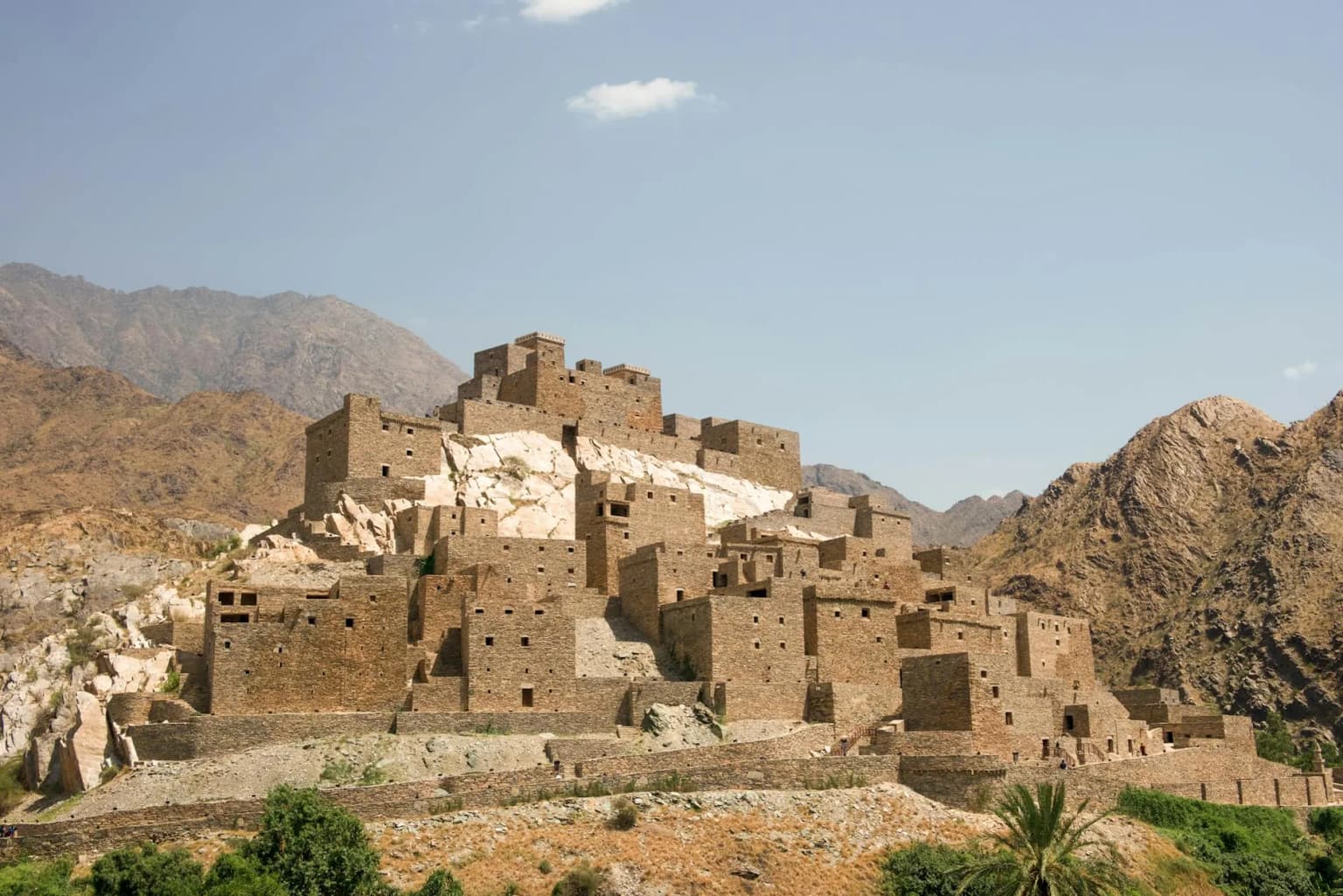
Perched atop a hill overlooking the city, A'arif Fort is Hail's most iconic landmark. This imposing fortress dates back to the Rashidi emirate that ruled much of northern Arabia in the 19th and early 20th centuries. Climbing to the top rewards visitors with panoramic views across Hail and the surrounding desert plains. The fort's thick mud-brick walls and defensive towers tell the story of tribal rivalries and desert warfare.
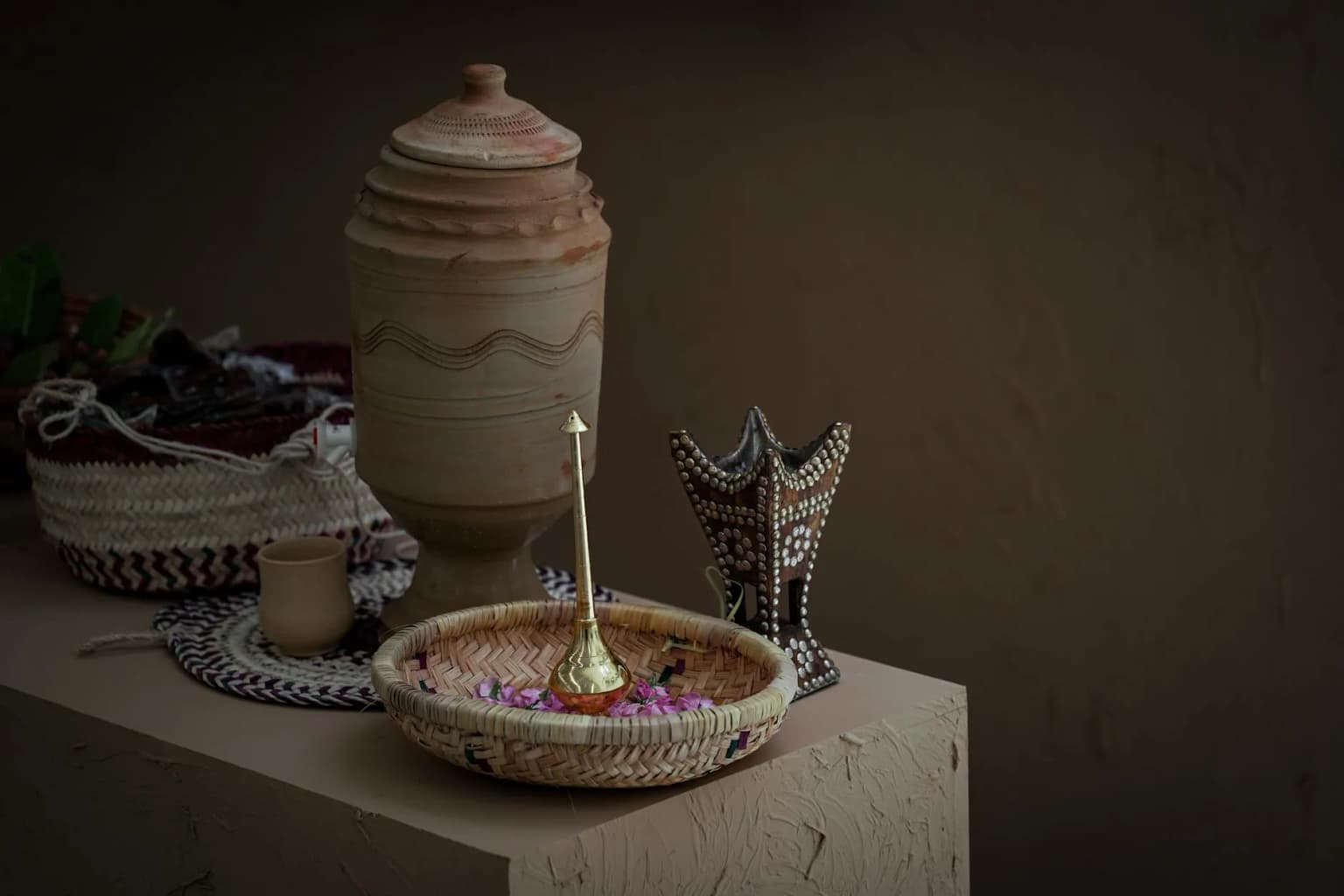
A well-curated museum tracing the region's history from prehistoric times through the pre-Islamic era, the rise of Islam, and into the modern Saudi state. Archaeological finds from Jubbah and other local sites are displayed alongside exhibits on Bedouin life, the Rashidi emirate, and Hail's role in Arabian history. An essential stop before visiting the rock art sites for context.
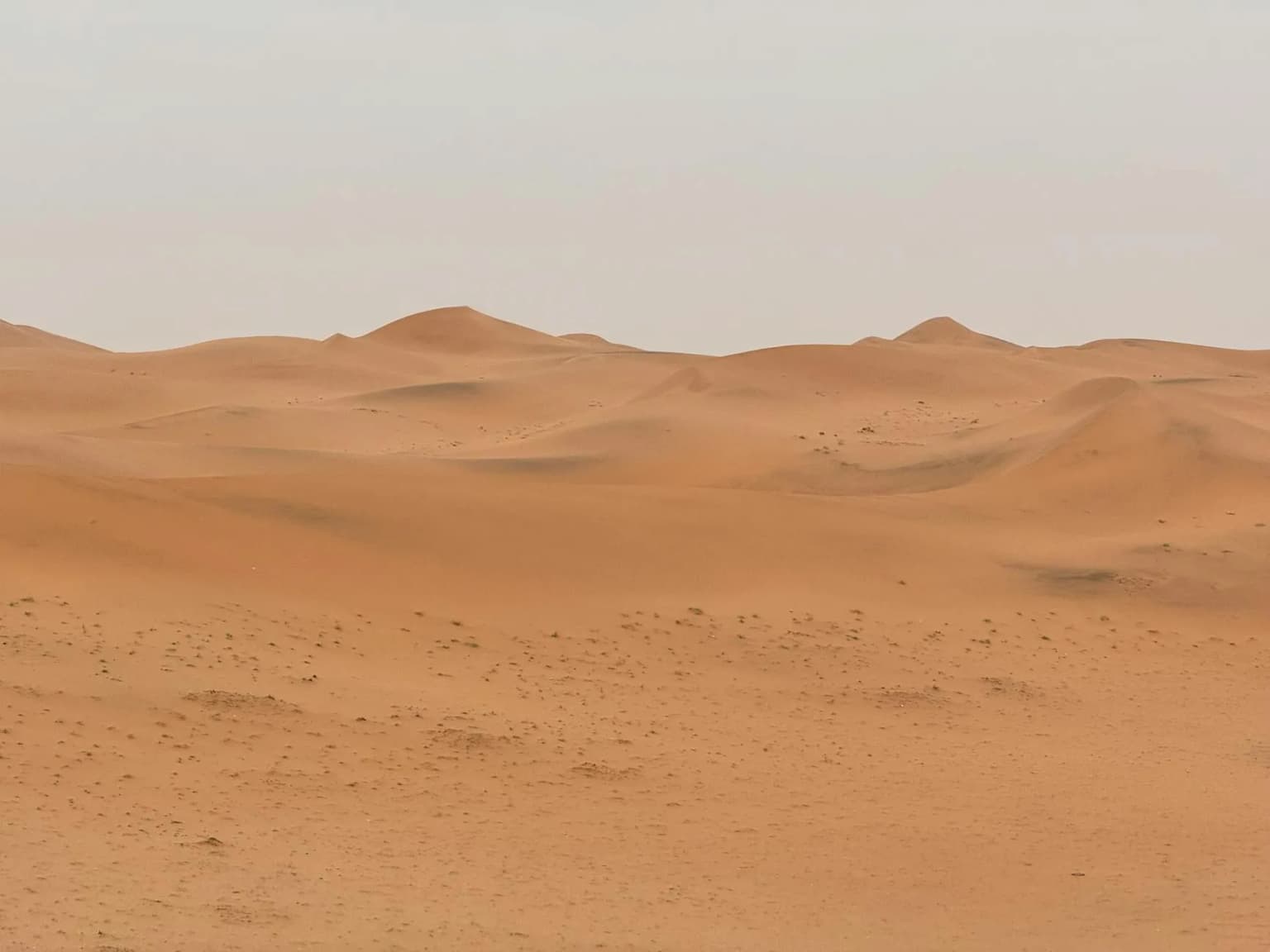
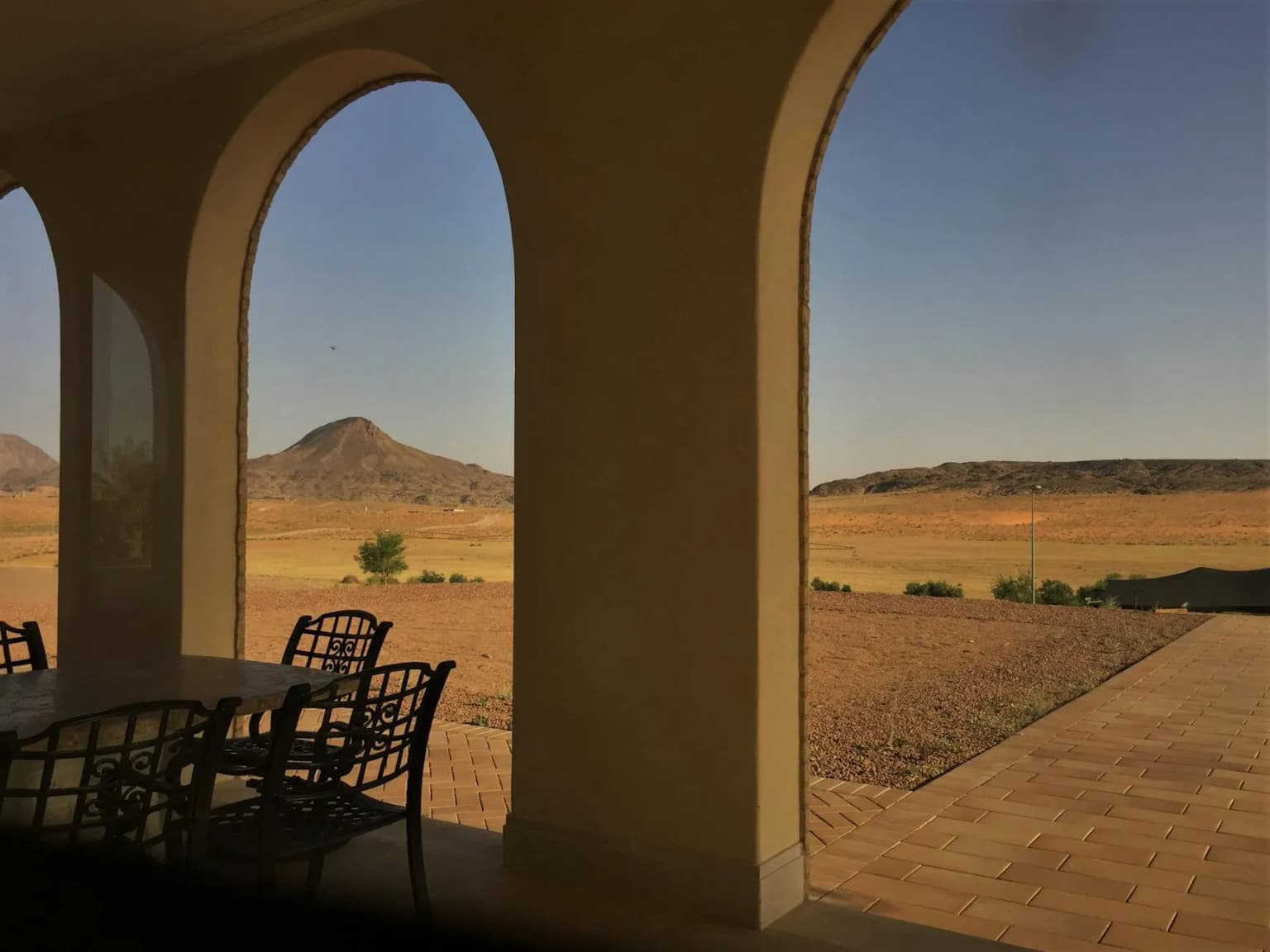
The Nefud Desert surrounding Hail features some of the most dramatic red sand dunes in Saudi Arabia. Overnight desert camping under impossibly starry skies is a quintessential Hail experience. Each January, the Hail Rally brings international motorsport to the desert as part of the Dakar Rally circuit, drawing thousands of spectators to watch vehicles race across the dunes.
Click on a numbered marker to see the attraction name. Numbers correspond to the attraction order below.
Discover and book guided tours, skip-the-line tickets, and unique experiences in Hail.
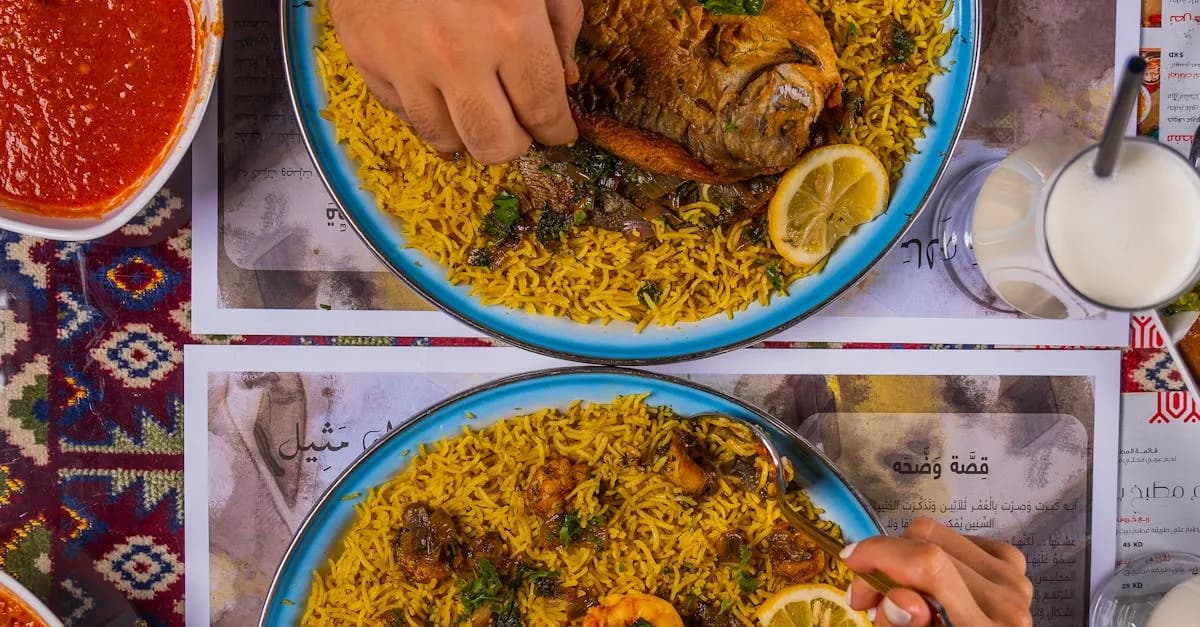
Hail's food culture is inseparable from its legendary hospitality traditions. The concept of hatim - extreme generosity to guests - defines how food is served here: in enormous portions with genuine warmth. Traditional Najdi cuisine dominates, with kabsa, jareesh, and marqooq prepared in ways that have not changed for generations. Dining in Hail is simple and communal, focused on quality ingredients and generous quantities rather than presentation.
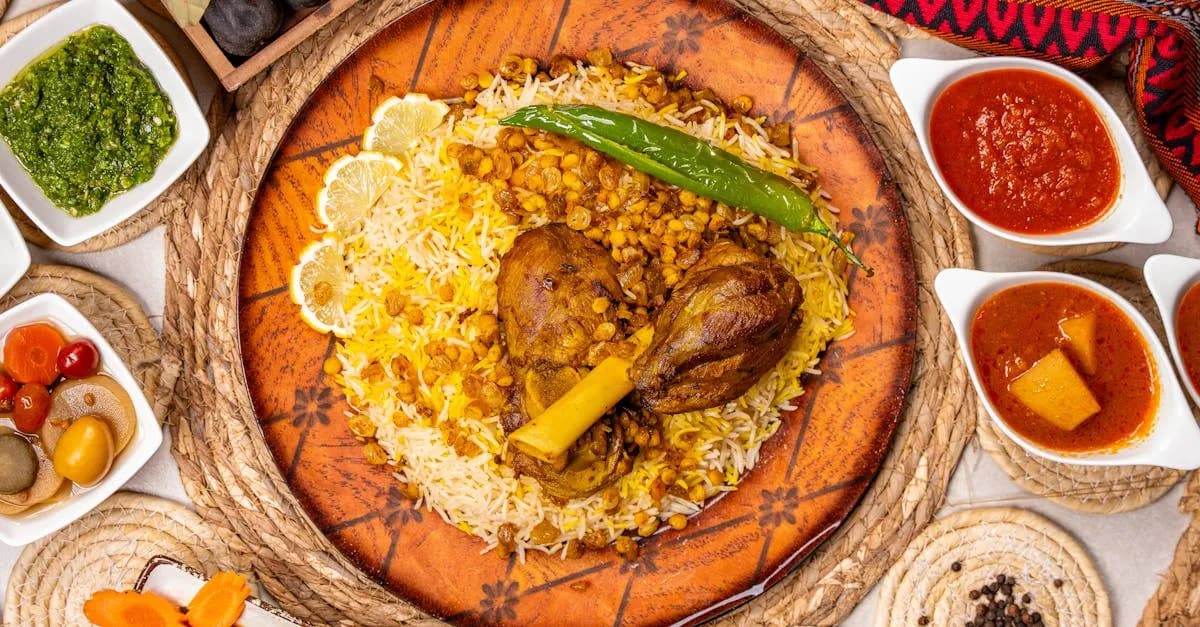
Kabsa Hail's version of the national dish features generously spiced rice with slow-cooked lamb, reflecting the region's legendary hospitality traditions. Portions tend to be enormous, as locals take pride in feeding guests abundantly. A plate typically costs 25-40 SAR.
Jareesh Crushed wheat cooked slowly with meat and spices to a thick, porridge-like consistency. A traditional Najdi comfort food that is especially popular during cooler winter months in Hail. A plate typically costs 20-35 SAR.
Marqooq Paper-thin bread cooked on a dome-shaped griddle and served with a rich meat and vegetable stew. The bread absorbs the stew flavors and is torn by hand to eat. A signature dish of northern Arabian cuisine. A plate typically costs 25-40 SAR.
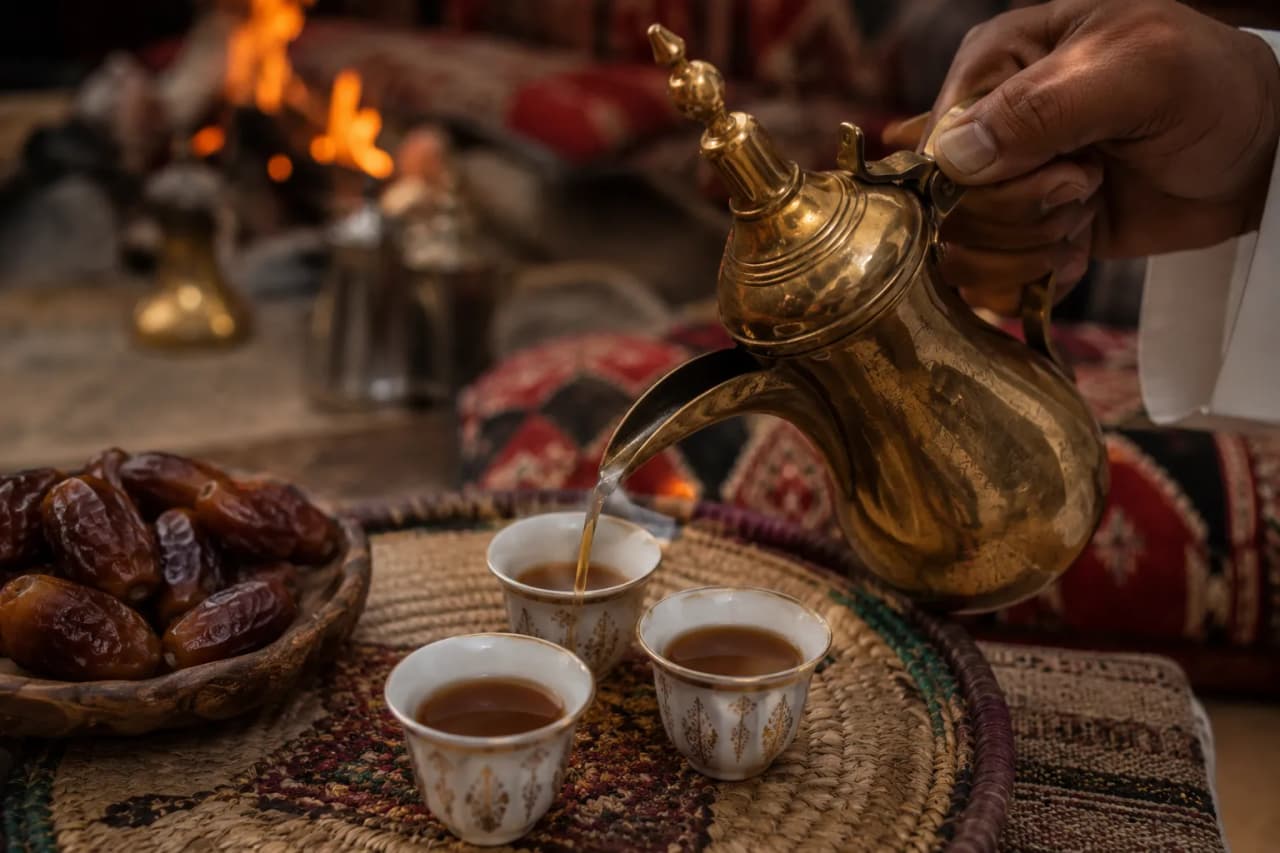
Arabian Coffee & Dates Hail is famous throughout Saudi Arabia for its coffee ceremony and generous hospitality. Arabic coffee brewed with cardamom is served continuously to guests alongside premium local dates. Refusing at least one cup is considered impolite. A plate typically costs 5-15 SAR.
Al Hatim Restaurant (Hail City Center) Named after the local hospitality tradition, this popular restaurant serves traditional Hail cuisine including generous kabsa platters and grilled lamb. Floor-cushion seating and authentic atmosphere. Expect to pay around 50-100 SAR for two.
Desert Camp Dinners (Nefud Desert outskirts) Several tour operators arrange traditional Bedouin dinner experiences in the desert outside Hail, with lamb cooked underground in sand pits and served communally under the stars. Expect to pay around 80-150 SAR per person.
Local Grills (Various locations) Small, no-frills grilled meat shops along the main roads serve freshly grilled lamb and chicken with rice and bread. Inexpensive and authentic, these are where Hail residents eat daily. Expect to pay around 20-40 SAR.
Al Baik (Main commercial area) Saudi Arabia's beloved fried chicken chain has a presence in Hail. A reliable, affordable option when you need a quick meal between desert excursions. Expect to pay around Under 20 SAR.
Portions in Hail are famously large. Consider sharing dishes or ordering smaller portions if available.
The hospitality tradition (hatim) means locals may insist on paying for your meal or offering additional food. Accept graciously - refusal can cause offense.
Restaurants close during prayer times. Plan meals around prayer schedules, especially the late afternoon Asr prayer.
Most traditional restaurants serve food on floor cushions. Remove your shoes before entering the dining area.
Carry cash for smaller establishments. Card payment is less universally accepted than in Riyadh or Jeddah.
Basic supermarket chains including Panda and local grocery stores serve the city. Fresh dates are best purchased from the traditional souq or directly from local sellers. For supplies before desert camping trips, stock up in the city center as there are no shops in the desert.
Choosing the right area can make or break your trip. Here is a quick guide to Hail's neighborhoods to help you pick the best base for your visit.
Click on an area for details. Zones are approximate.
| Neighborhood | Price Level | Why Stay Here |
|---|---|---|
| City Center | Low-Medium | Main commercial area with the traditional souq, government offices, and A'arif Fort. |
| Al Suwaifilah | Low | Residential area with affordable housing and local amenities. |
| University Area | Low-Medium | Growing area near the University of Ha'il with student services and newer housing. |
| Al Zahra | Low | Residential neighborhood with spacious properties and a family-oriented atmosphere. |
Hotel prices correlate with neighborhood rent levels. For longer stays, consider renting an apartment for better value. Planning to relocate? See our full Hail living guide.
Hail is a compact city that is easily navigable, but a car is essential for reaching the major attractions. The UNESCO rock art at Jubbah is 100 km away, and desert camping areas require 4x4 vehicles. Within the city, everything is within a short drive.
Car rental (100-180 SAR per day, fuel ~2.3 SAR/liter) Essential for exploring Hail's attractions. A regular sedan works for city driving and the paved road to Jubbah, but a 4x4 is necessary for desert areas and reaching remote rock art sites.
Ride-hailing (limited) (10-25 SAR within the city) Uber and Careem have limited coverage in Hail. You may find rides in the city center, but do not rely on them for trips to outlying attractions.
Taxis (10-30 SAR for city trips) Traditional taxis operate in the city. Negotiate fares in advance as meters are not always used. Useful for short city trips but impractical for reaching distant sites.
Tour guides (200-500 SAR per day) Local guides can be arranged through hotels or tourism offices for trips to Jubbah and desert areas. They provide valuable context for the rock art and know the best desert routes.
Hail Regional Airport (HAS) is located about 10 km from the city center and serves domestic flights to Riyadh (about 1.5 hours), Jeddah (about 2 hours), and other Saudi cities. Saudia and flynas operate regular services. A taxi or ride-hailing trip from the airport to the city center costs 20-40 SAR.
Within Hail, driving is straightforward on well-maintained roads. The highway to Jubbah is a good paved road through open desert. For any off-road desert driving, a 4x4 with properly deflated tires is essential, and you should never venture into the dunes alone. Carry extra water and ensure your phone has signal. Sand can drift across roads after wind storms, so drive cautiously.
Useful apps: Google Maps, Waze, Uber, Careem, Almosafer.
Hail's surroundings contain some of the most historically significant and visually dramatic landscapes in Saudi Arabia. The UNESCO-listed rock art sites are among the most important prehistoric heritage locations in the world, while the Nefud Desert offers raw Arabian desert adventure. Plan full-day excursions for the more distant sites.
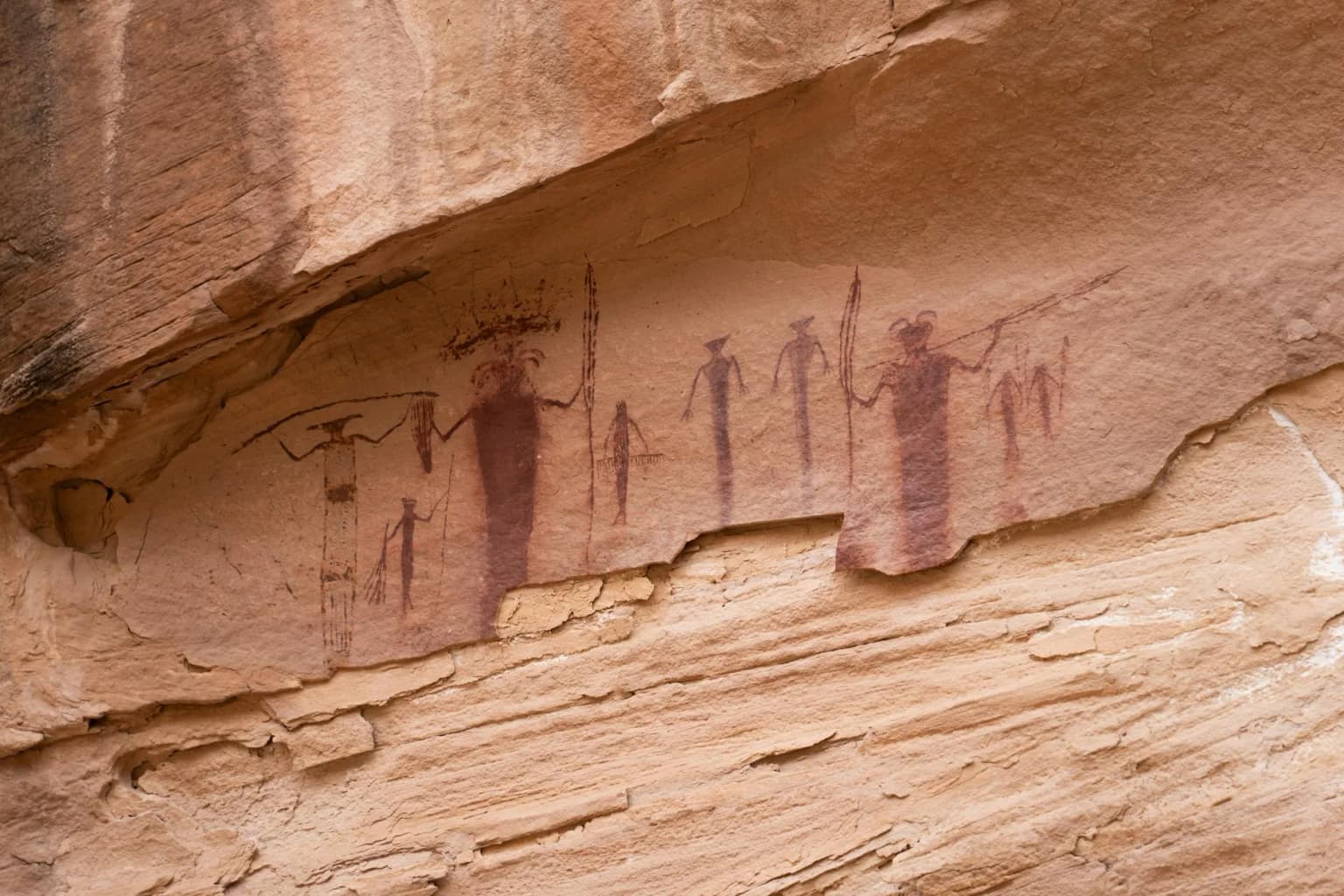
The main Jubbah rock art site contains thousands of petroglyphs spanning over 10,000 years, from Neolithic hunting scenes to Thamudic inscriptions. The sandstone outcrops rise from the edge of the Nefud Desert, and the carvings document an era when this region was green savanna with lakes and abundant wildlife.
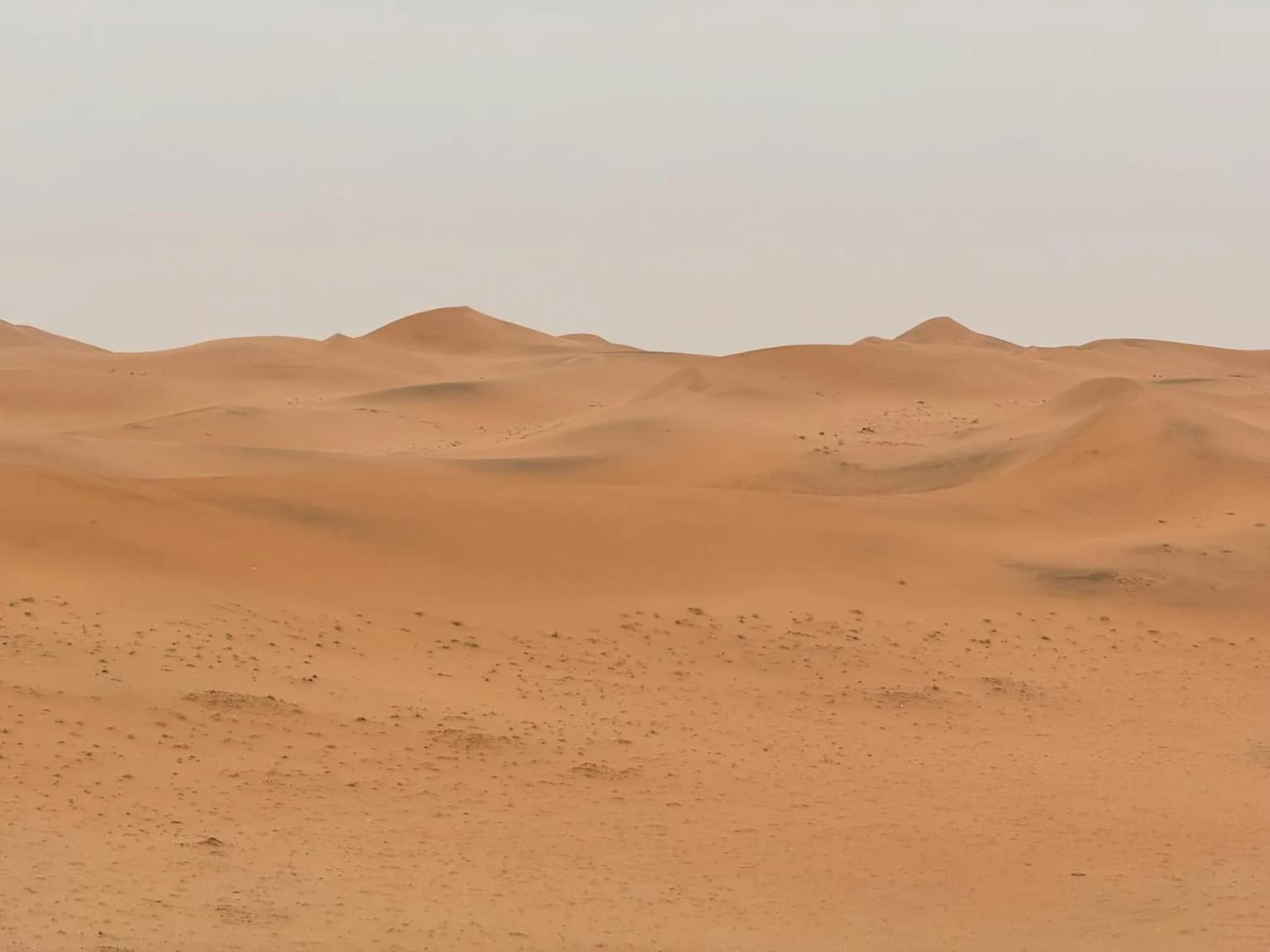
The Great Nefud Desert stretches west of Hail in an ocean of red sand dunes. Day excursions offer dune driving, sandboarding, and the experience of vast, empty desert. The red color of the sand, caused by iron oxide, creates especially dramatic scenery at sunrise and sunset.
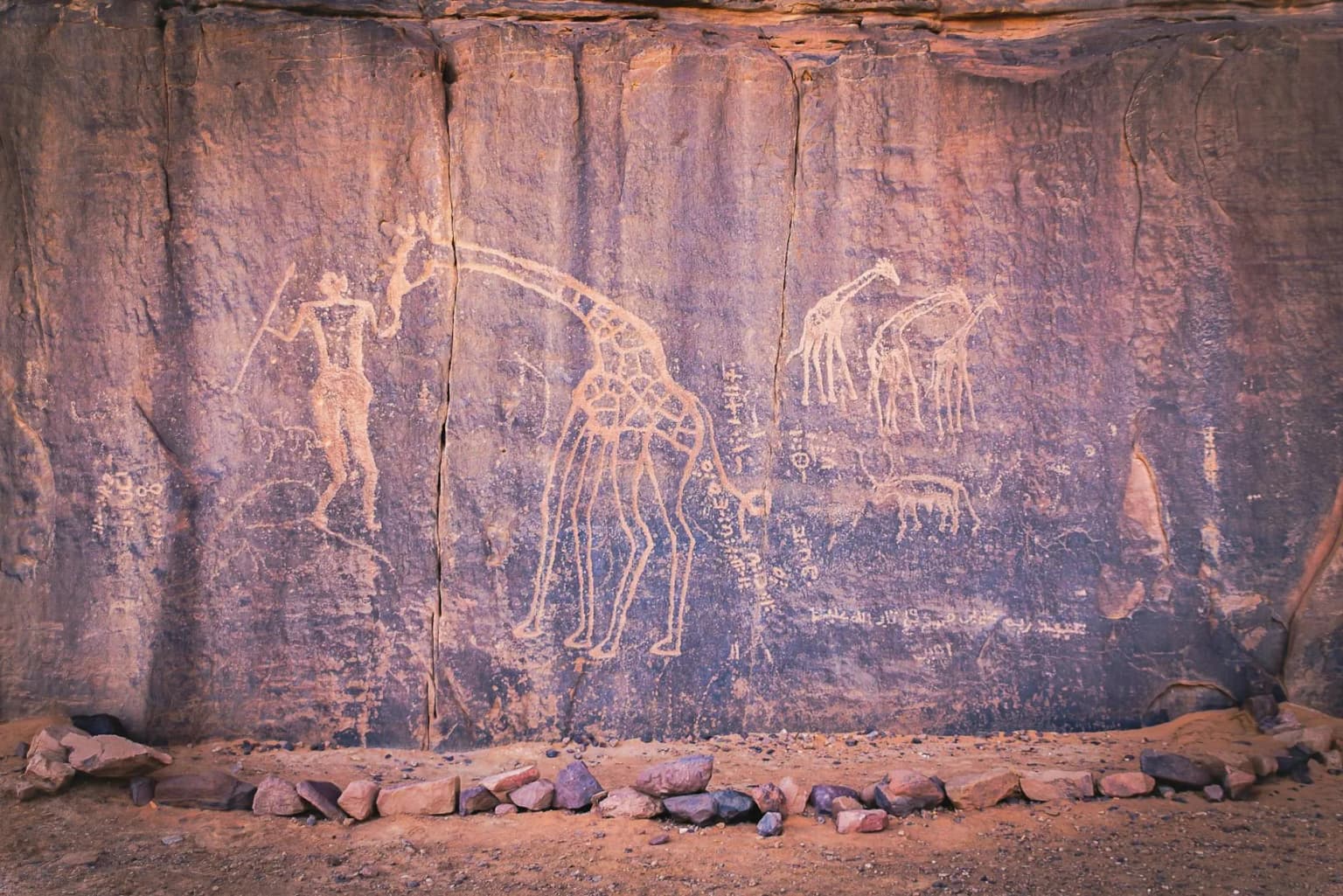
The second component of the UNESCO-listed rock art of the Hail region, Shuwaymis contains petroglyphs in a wadi setting that differ in style from Jubbah. The carvings include detailed depictions of cattle, suggesting a pastoral lifestyle. More remote and less visited than Jubbah, it rewards dedicated history enthusiasts.
A'arif Fort's exterior and hilltop viewpoint are free to visit, offering the best panoramic views of Hail and the surrounding desert landscape.
Desert walks on the outskirts of Hail are free and provide an immediate sense of the vast Nefud Desert environment that defines the region.
The Jubbah and Shuwaymis rock art sites charge only a small entrance fee, making world-class UNESCO heritage remarkably affordable to visit.
The Hail Regional Museum charges a small admission fee, but the exhibits on prehistoric to modern regional history are well worth it.
Browsing the traditional souq in central Hail is free and gives an authentic glimpse of Bedouin trading culture.
Stargazing from anywhere outside the city is free and spectacular due to the low light pollution of the surrounding desert.
The Jubbah rock art spans over 10,000 years of continuous human artistic expression, documenting the transformation of Arabia from green savanna to desert.
Hail was the capital of the Rashidi emirate, which rivaled the House of Saud for control of the Arabian Peninsula in the 19th century.
The people of Hail are known throughout Saudi Arabia for their extreme hospitality, rooted in the Bedouin hatim tradition of never turning away a guest. Visitors may find locals insisting on hosting them.
The annual Hail Rally is a stage of the international Dakar Rally circuit, bringing world-class motorsport racing through the dramatic Nefud Desert dunes.
Winter temperatures in Hail can drop below freezing, with frost and even rare snowfall, making it one of the coldest regions in Saudi Arabia.
Popular souvenirs from Hail include: Traditional Hail dates are prized across Saudi Arabia, with several local varieties available in bulk from the souq at prices well below Riyadh retail., Desert sand bottles, with layers of different-colored sands from the Nefud Desert, are a distinctive Hail keepsake., Bedouin crafts including woven textiles, camel leather goods, and hand-stitched items reflect the nomadic heritage of the region., Arabian coffee sets (dalla pots with finjan cups) make elegant souvenirs and are widely available in Hail's souqs..
Saudi Arabian culture emphasizes hospitality, respect, and traditional values. Greet people with "As-salamu alaykum" (Peace be upon you) and accept the response "Wa alaykum as-salam." When offered Arabic coffee (qahwa) and dates, it is customary to accept at least one cup. Shake the cup gently when you have had enough.
Hail has a welcoming atmosphere that balances traditional Saudi values with modern openness to visitors. The city offers a range of cultural experiences from traditional souqs to modern entertainment venues.
Hail is renowned across the Arab world for its hospitality tradition, rooted in the legend of Hatim al-Tai, whose generosity is celebrated in Arabic literature and poetry. The city maintains strong Bedouin traditions, including camel herding, desert camping, and traditional crafts. The Hail Rally has added a modern sporting dimension to the city's identity. Local cuisine features traditional Arabian dishes with an emphasis on dates and camel milk.
Dress modestly in public, especially when visiting mosques and traditional areas. Women are no longer required to wear an abaya but should dress conservatively. During Ramadan, eating, drinking, and smoking in public during daylight hours should be avoided out of respect. Friday is the main day of worship, and many businesses close during Friday prayer.
Staying connected in Hail is easy. Saudi Arabia has excellent 4G and 5G coverage throughout the Kingdom. Free WiFi is available in most hotels, malls, and many restaurants. For mobile data, consider getting a local SIM card from STC, Mobily, or Zain at the airport or any mobile shop - prepaid plans with generous data allowances are affordable. Alternatively, use an eSIM from providers like Airalo or Holafly for seamless connectivity.
The official language is Arabic, but English is widely spoken in hotels, restaurants, malls, and tourist areas. Most signage is in both Arabic and English. Useful Arabic phrases: "Shukran" (Thank you), "Min fadlak" (Please), "La" (No), "Na'am" (Yes). Google Translate works well for Arabic. For emergencies, dial 911 for police, 997 for fire, 998 for ambulance, or 999 for traffic police.
Many visitors fall in love with Hail and decide to make it their home. If you are considering the move, here are the essential resources.
Cost of living, neighborhoods, job market, and expat community guide for Hail.
Step-by-step guide to renting in Saudi Arabia - where to search, what to expect, and how to avoid scams.
Compare Saudi banks, required documents, and how to open an account as a foreigner.
With its rich heritage, stunning landscapes, and warm hospitality, Hail offers an unforgettable Saudi experience.
Discover more amazing destinations across Saudi Arabia. Each city offers unique experiences, rich heritage, and unforgettable attractions.
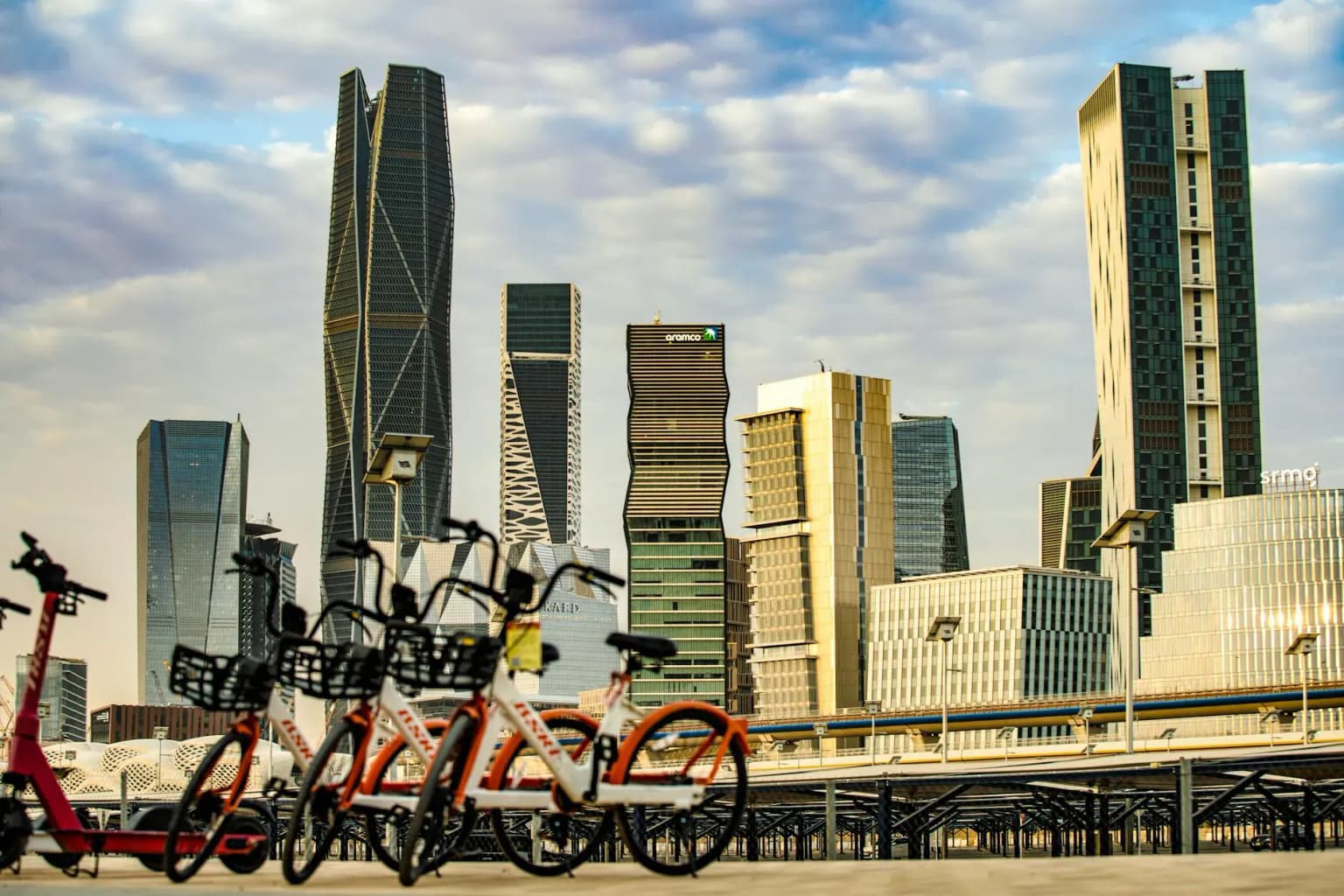
Diriyah (At-Turaif District) · Kingdom Centre Tower · National Museum of Saudi Arabia
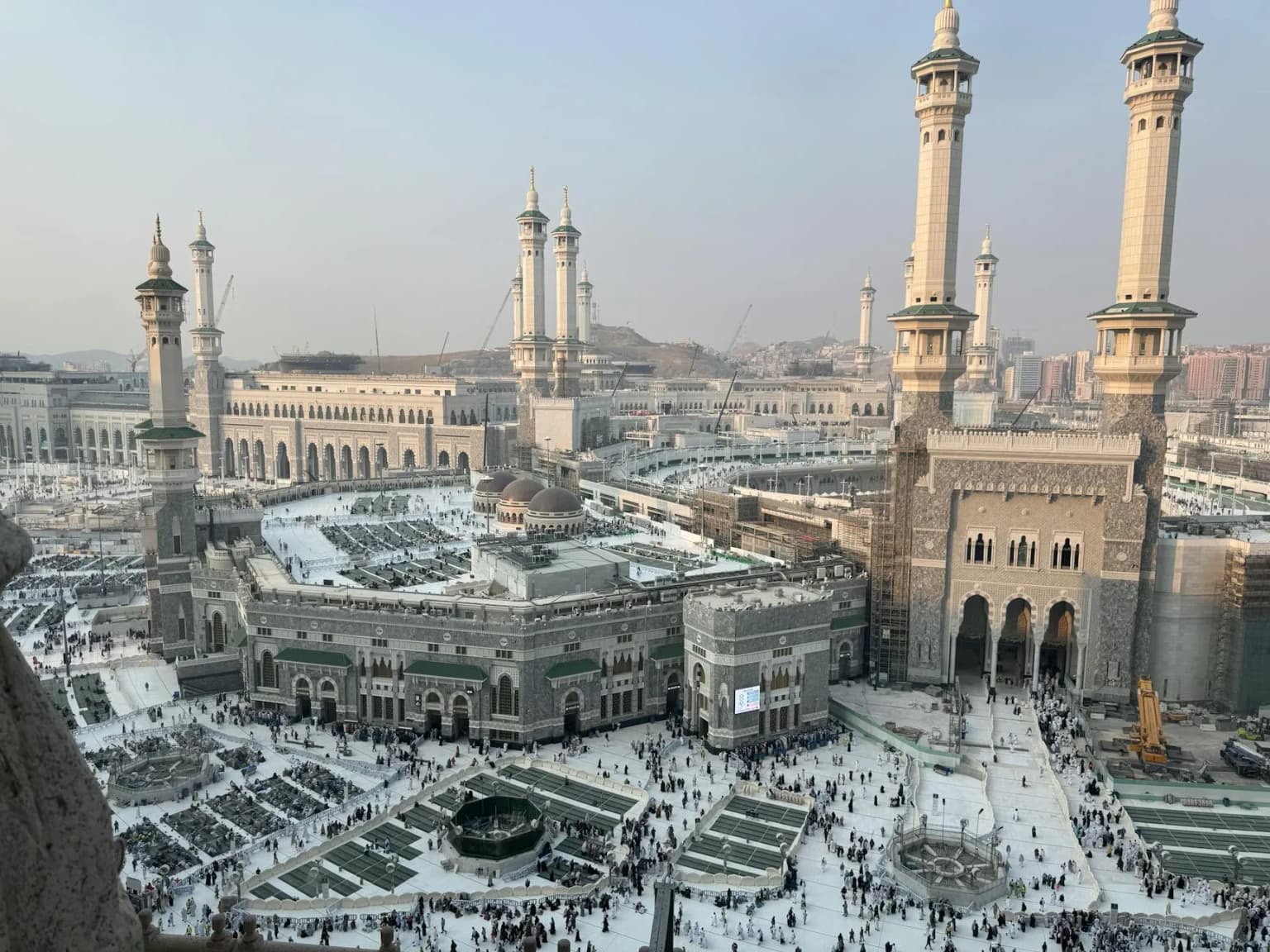
Masjid al-Haram (Grand Mosque) · The Kaaba · Abraj Al-Bait (Makkah Royal Clock Tower)
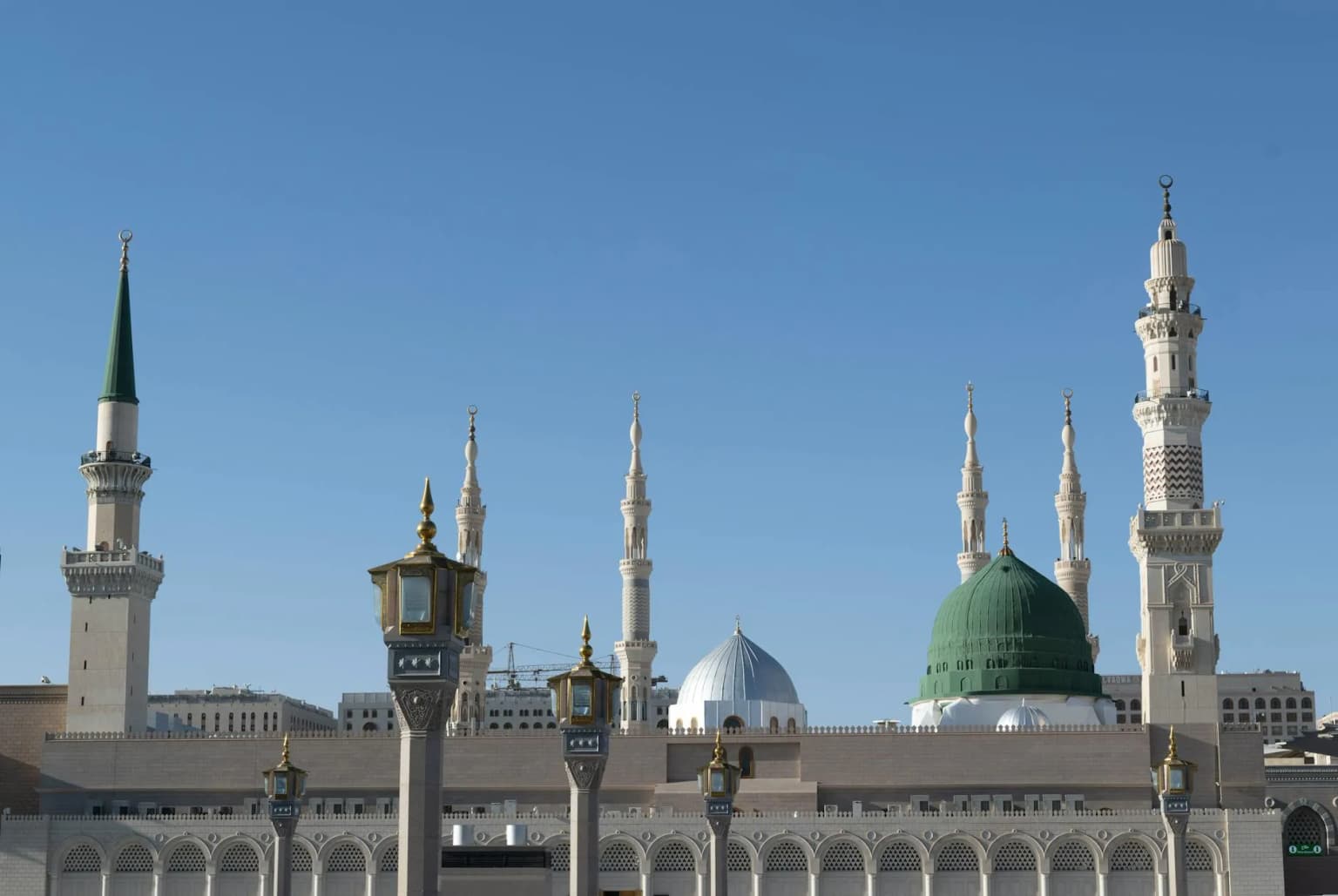
Al-Masjid an-Nabawi (Prophet's Mosque) · Quba Mosque · Mount Uhud
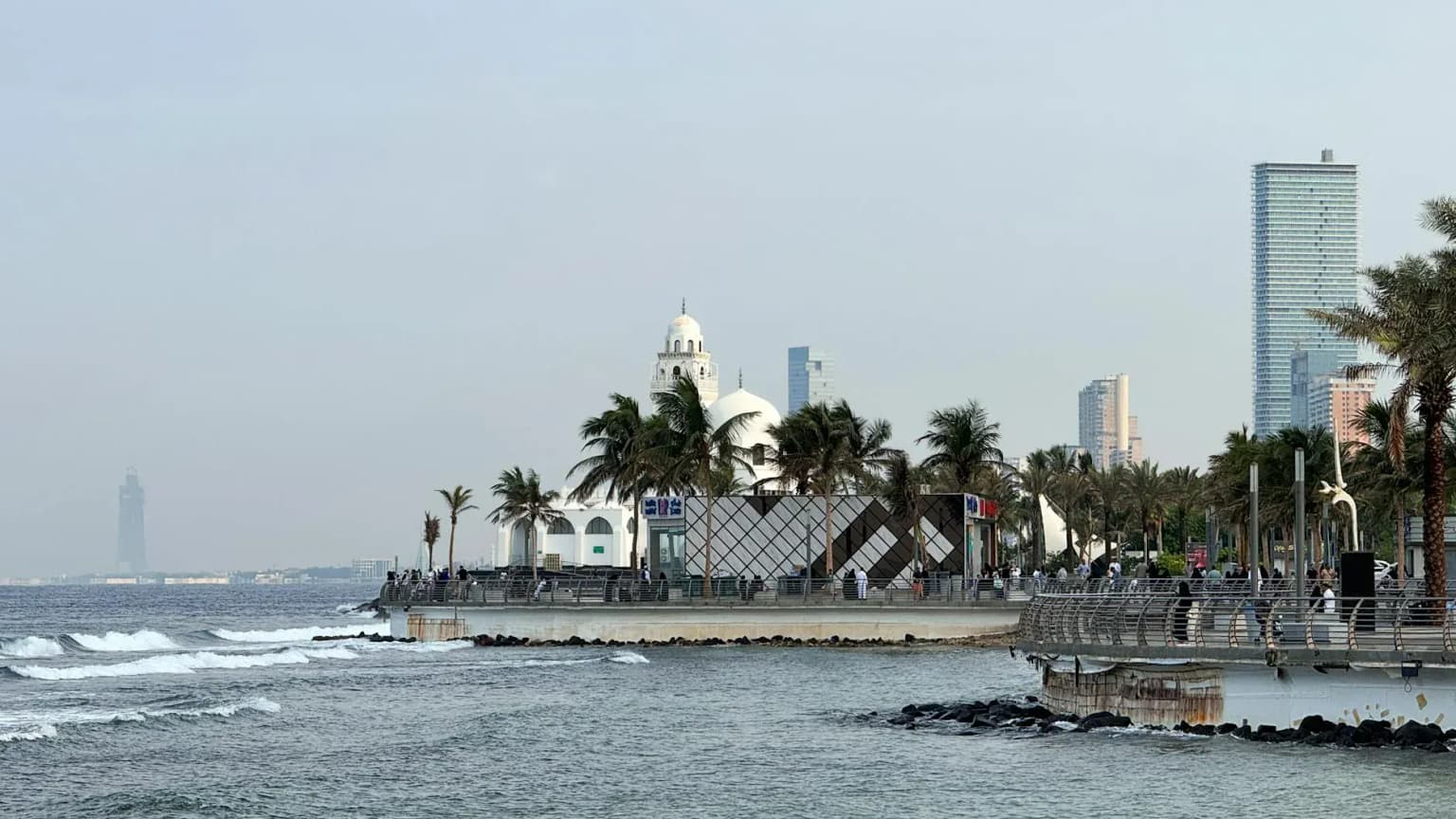
Al-Balad Historic District · King Fahd Fountain · Jeddah Corniche
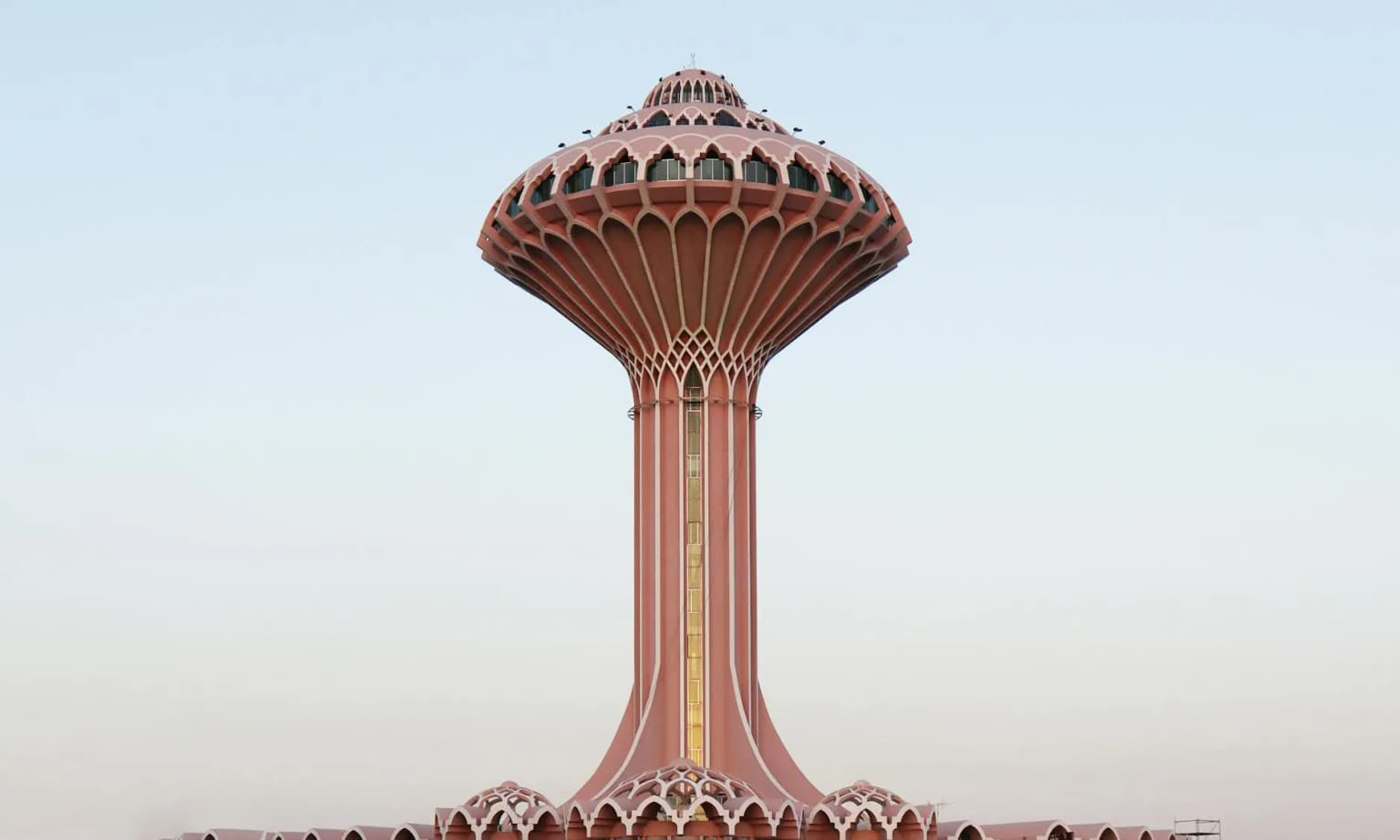
Dammam Corniche · King Abdulaziz Center for World Culture (Ithra) · Half Moon Bay
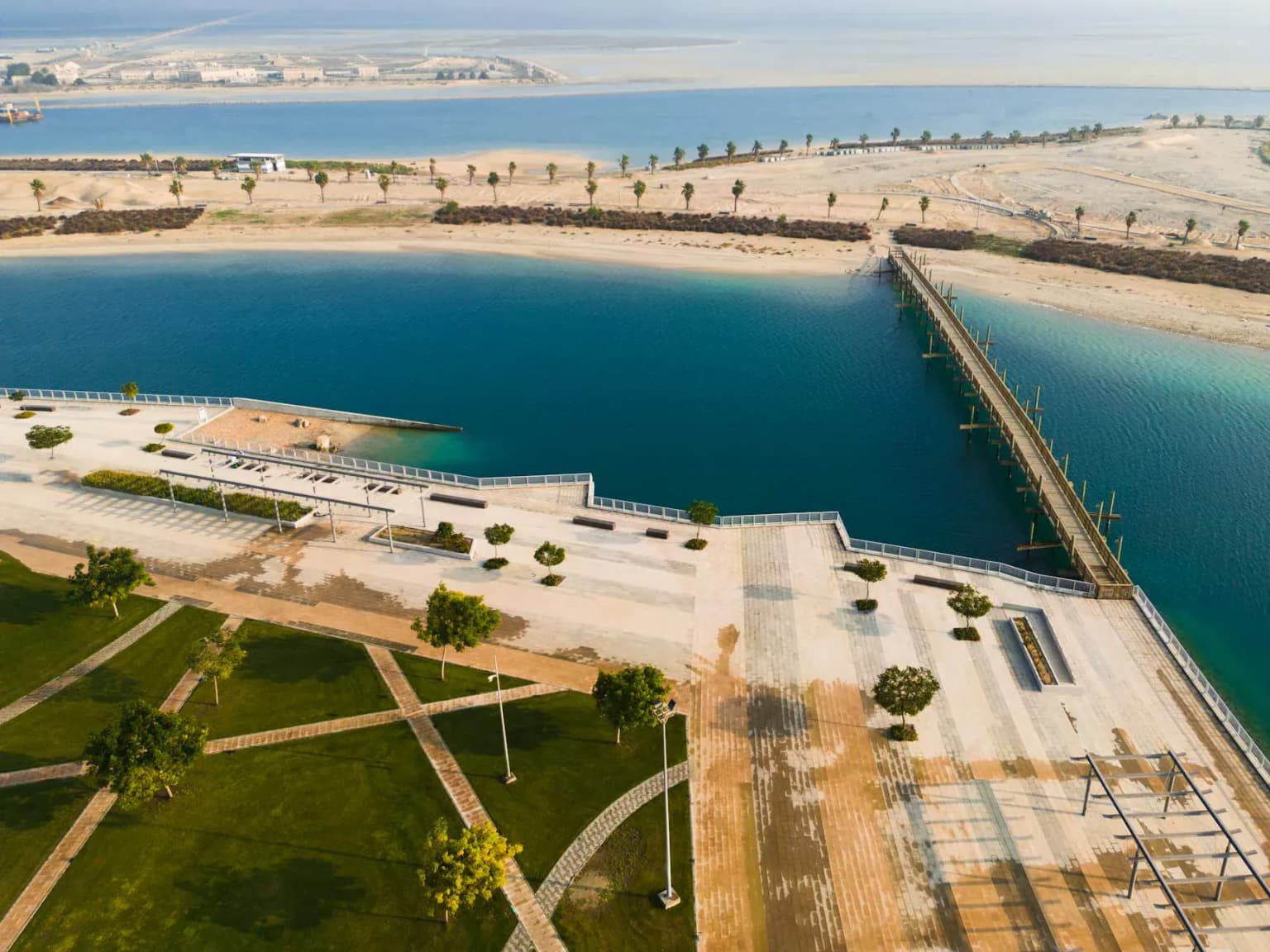
Khobar Corniche · King Fahd Causeway · Sunset Beach
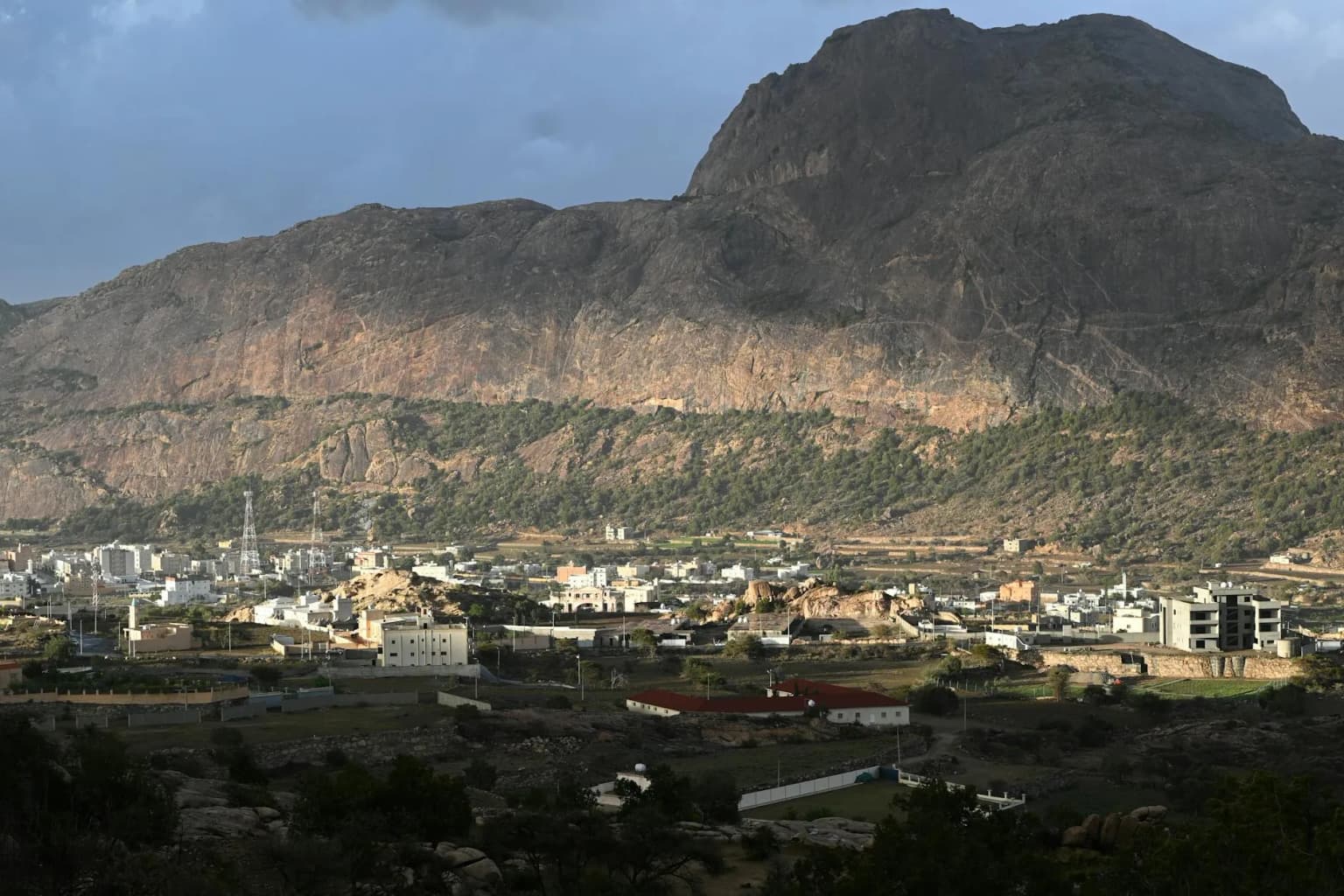
Asir National Park · Green Mountain (Jabal Akhdar) · Habala Village
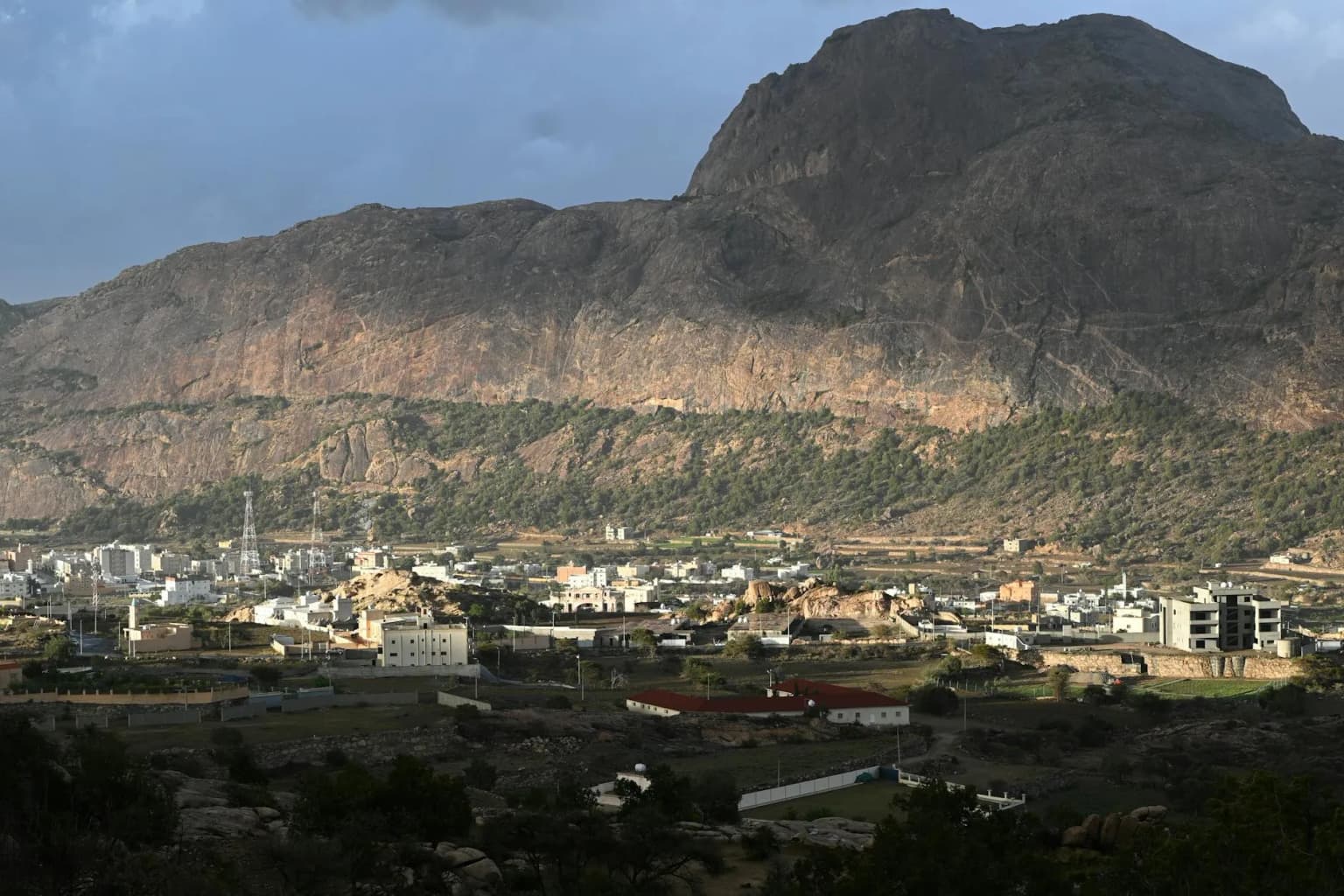
Taif Rose Farms · Al Shafa Mountain · Al Hada Mountains