
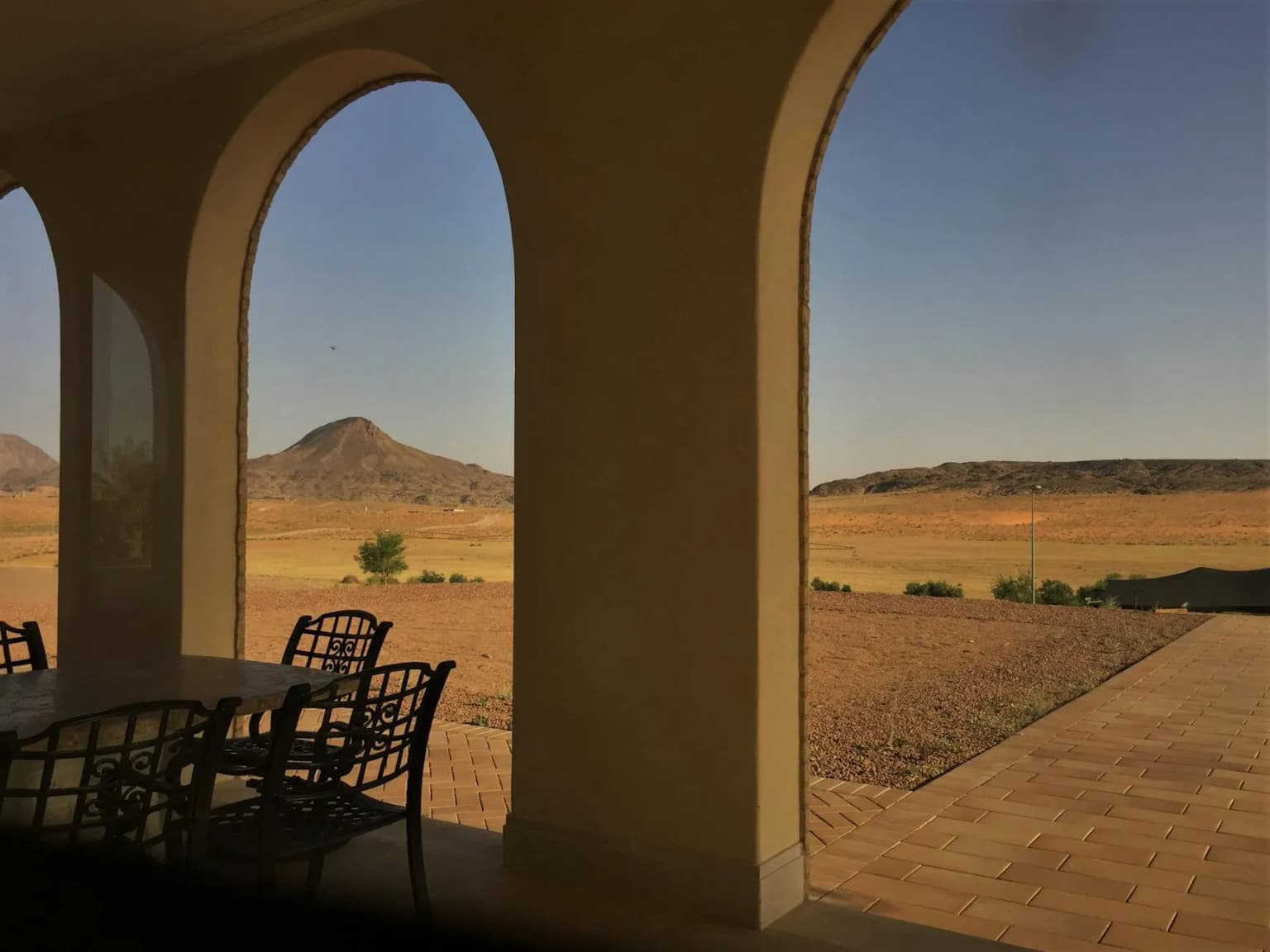
About Hail
Hail (Ha'il) is the capital of the Ha'il Region in north-central Saudi Arabia, historically famous as the homeland of Hatim al-Tai, the legendary Arab figure synonymous with generosity. The city has a proud Bedouin heritage and was once an important stop on pilgrimage routes to Mecca. Today, Hail is a significant agricultural hub, particularly known for wheat, dates, and fruit production thanks to extensive groundwater irrigation. The city hosts the annual Hail International Rally, one of the Middle East's premier motorsport events. Rock art sites near Hail, including Jubbah and Shuwaymis, are inscribed on the UNESCO World Heritage List.
A historic city in north-central Saudi Arabia, Hail is known for its legendary Arabian hospitality (Hatim al-Tai), agricultural heritage, and the international Hail Rally motorsport event.
Located in Ha'il Region, Hail is home to 400,000 residents. The local economy runs on agriculture (wheat, dates, fruit), government & public sector, mining (phosphate), tourism & heritage, education, retail & commerce, and the city has become a draw for international professionals looking for tax-free salaries and a growing quality of life. The expat community here numbers around ~20,000 expats people, primarily from Indian, Pakistani, Egyptian, Bangladeshi.
For expats considering a move, Hail has clear upsides. Very affordable cost of living. Rich cultural heritage and legendary hospitality. UNESCO World Heritage rock art sites nearby. The flip side is worth knowing too: Very limited private sector employment. Remote location far from major cities. None of this is a dealbreaker, but it helps to go in with realistic expectations. If you are in the early stages of planning, start with our guide to moving to Saudi Arabia and check the visa requirements for your nationality.
Things to Do in Hail
Hail, in northern Saudi Arabia, is a city of ancient heritage and dramatic desert landscapes. The region contains some of the world's oldest rock art at the UNESCO-listed Jubbah and Shuwaymis sites, dating back over 10,000 years. Known for its generous hospitality traditions and the annual Hail Rally desert racing event, the city offers authentic Arabian desert experiences.
UNESCO Heritage Site
Jubbah Rock Art (UNESCO)
One of Saudi Arabia's most significant UNESCO World Heritage Sites, the Jubbah petroglyphs contain over 10,000 years of human artistic expression carved into sandstone outcrops on the edge of the Nefud Desert. Hunting scenes, animal depictions, human figures, and inscriptions in various ancient scripts document the transition from a wetter, greener Arabia to the desert landscape of today.
Hours: Daylight hours, check locally for seasonal variations. Tip: A guide is recommended to locate and interpret the most important panels. The site is about 62 miles (100 km) from Hail city - plan a half-day trip.
Historic Fort
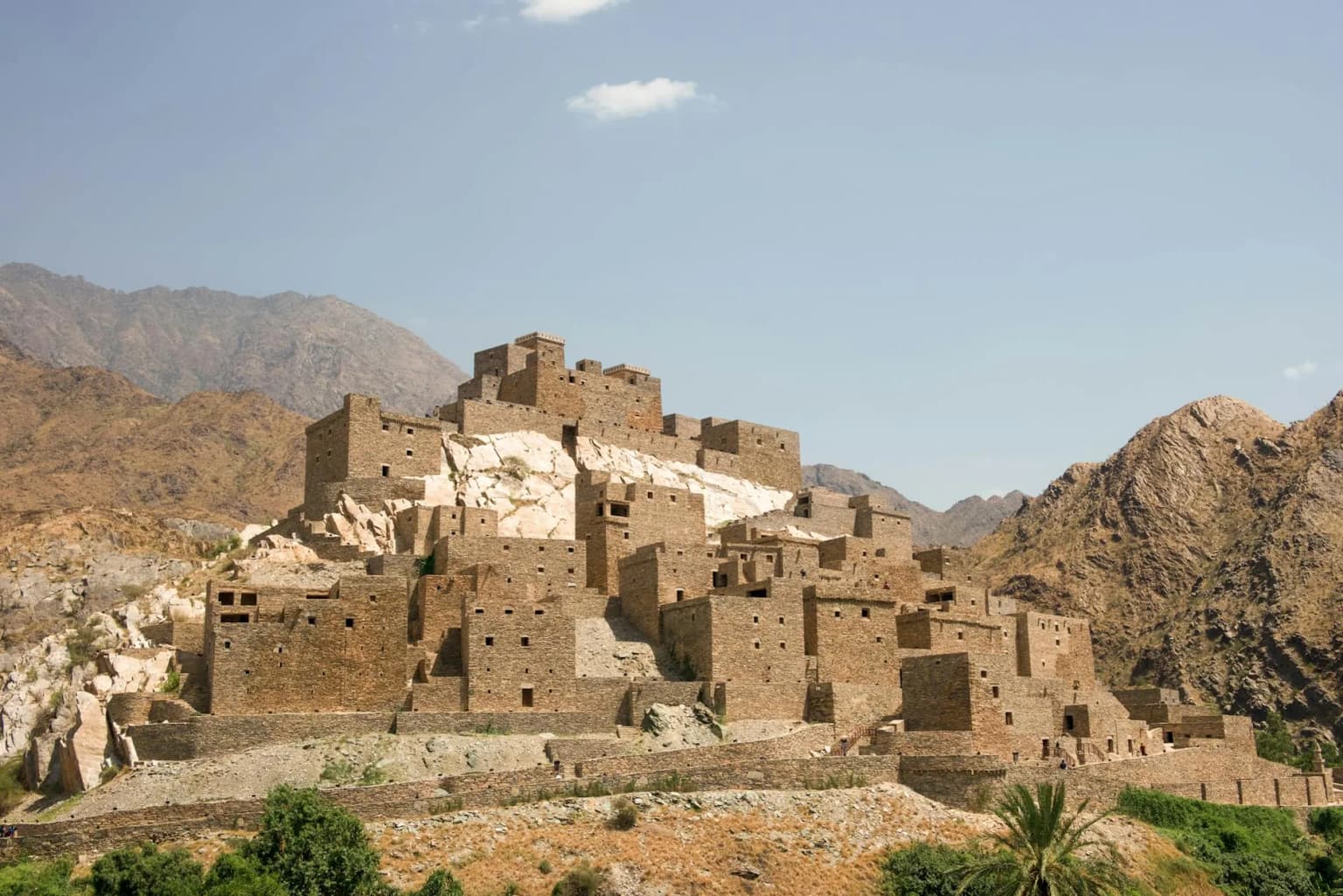
A'arif Fort
Perched atop a hill overlooking the city, A'arif Fort is Hail's most iconic landmark. This imposing fortress dates back to the Rashidi emirate that ruled much of northern Arabia in the 19th and early 20th centuries. Climbing to the top rewards visitors with panoramic views across Hail and the surrounding desert plains. The fort's thick mud-brick walls and defensive towers tell the story of tribal rivalries and desert warfare.
Tip: Visit at sunset for the best views and photographs. The climb to the top is short but steep.
Museum
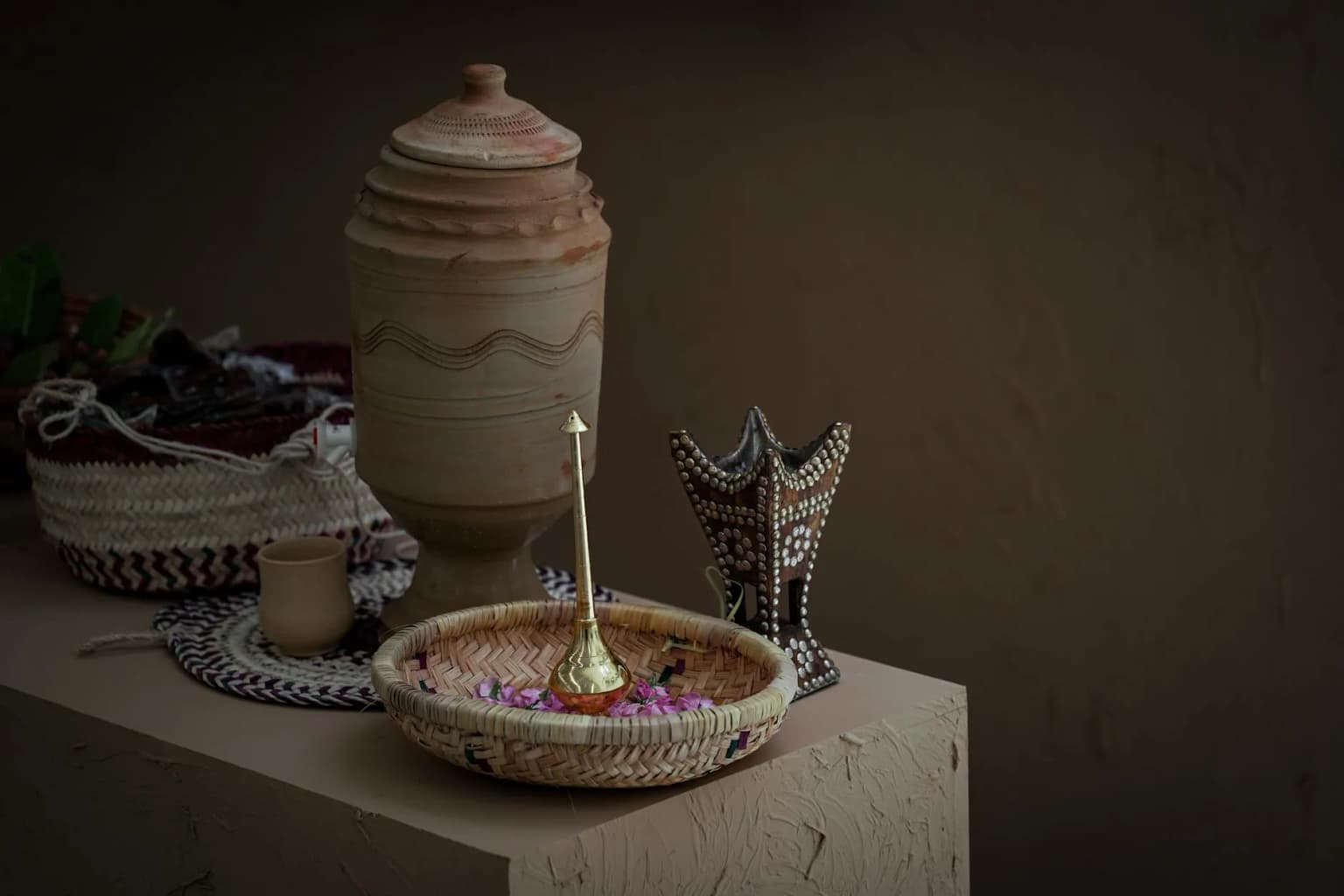
Hail Regional Museum
A well-curated museum tracing the region's history from prehistoric times through the pre-Islamic era, the rise of Islam, and into the modern Saudi state. Archaeological finds from Jubbah and other local sites are displayed alongside exhibits on Bedouin life, the Rashidi emirate, and Hail's role in Arabian history. An essential stop before visiting the rock art sites for context.
Tickets: Small admission fee.
Desert Experience
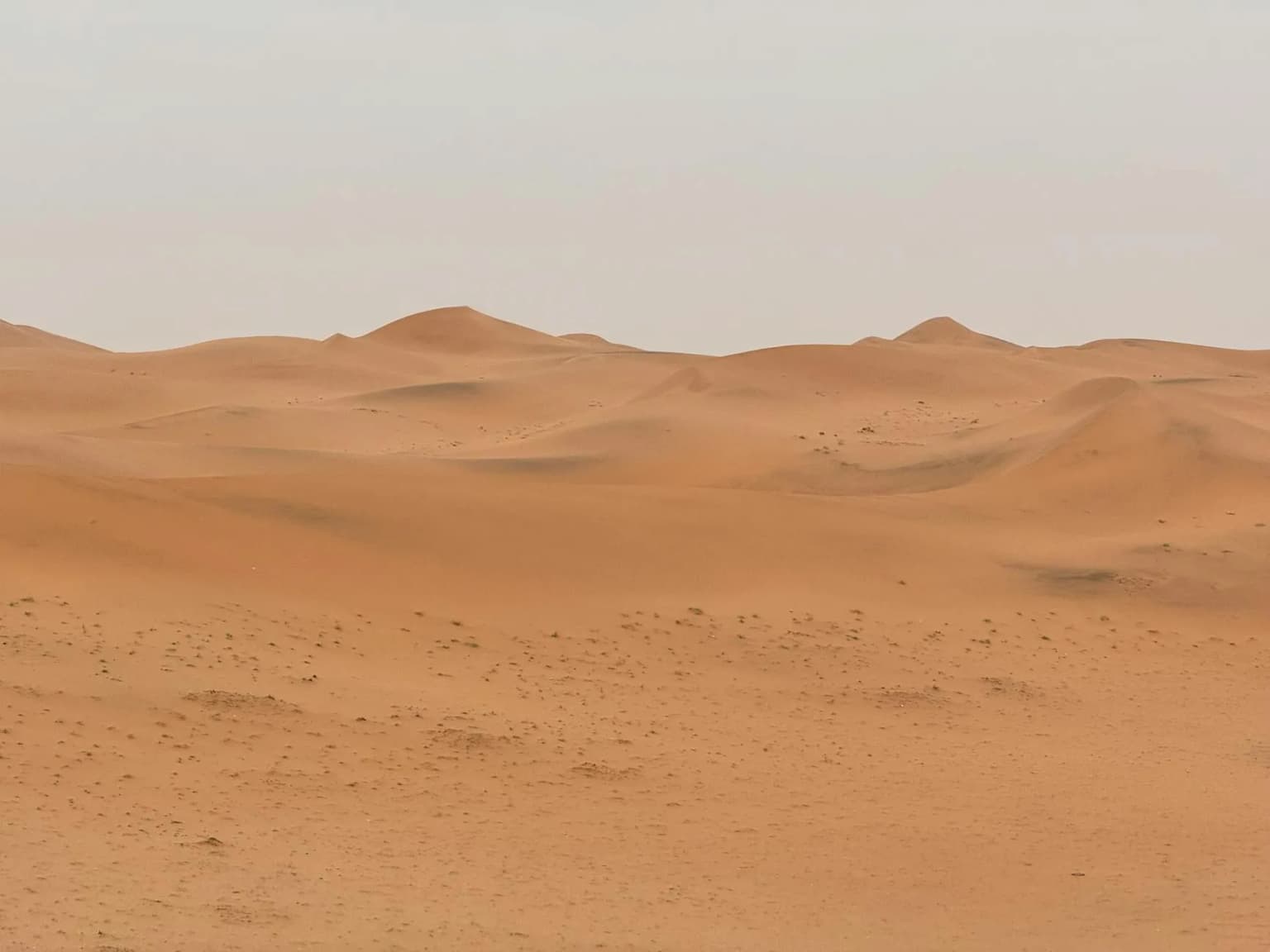
Desert Camping & Hail Rally
The Nefud Desert surrounding Hail features some of the most dramatic red sand dunes in Saudi Arabia. Overnight desert camping under impossibly starry skies is a quintessential Hail experience. Each January, the Hail Rally brings international motorsport to the desert as part of the Dakar Rally circuit, drawing thousands of spectators to watch vehicles race across the dunes.
Tip: Bring warm layers for desert camping - winter nights in Hail can drop near freezing. A 4x4 vehicle is essential for accessing deep desert areas.
Hidden Gems
Beyond the well-known landmarks, Hail has some lesser-known spots worth discovering:
Qishla Palace
A lesser-known Ottoman-era palace in the heart of Hail that once served as a garrison and administrative center. The restored building features traditional Arabian architectural elements blended with Ottoman military design. Most visitors head straight to A'arif Fort and miss this quieter historical gem just a short walk away.
Hail Traditional Souq
The old market district in central Hail retains a character that reflects the city's position as a historic crossroads for Bedouin trade. Shops selling dates, Arabian coffee pots, traditional textiles, and Bedouin crafts line narrow alleyways. The souq is busiest on Thursday and Friday evenings when local families come to shop and socialize.
Samra Mountain Viewpoint
A scenic overlook on the outskirts of Hail that offers sweeping views of the city against the backdrop of the desert. Popular with locals for sunset picnics but virtually unknown to tourists. The drive up passes through rocky terrain that gives a sense of the harsh beauty of the northern Arabian landscape.
Day Trips from Hail
Hail's surroundings contain some of the most historically significant and visually dramatic landscapes in Saudi Arabia. The UNESCO-listed rock art sites are among the most important prehistoric heritage locations in the world, while the Nefud Desert offers raw Arabian desert adventure. Plan full-day excursions for the more distant sites.
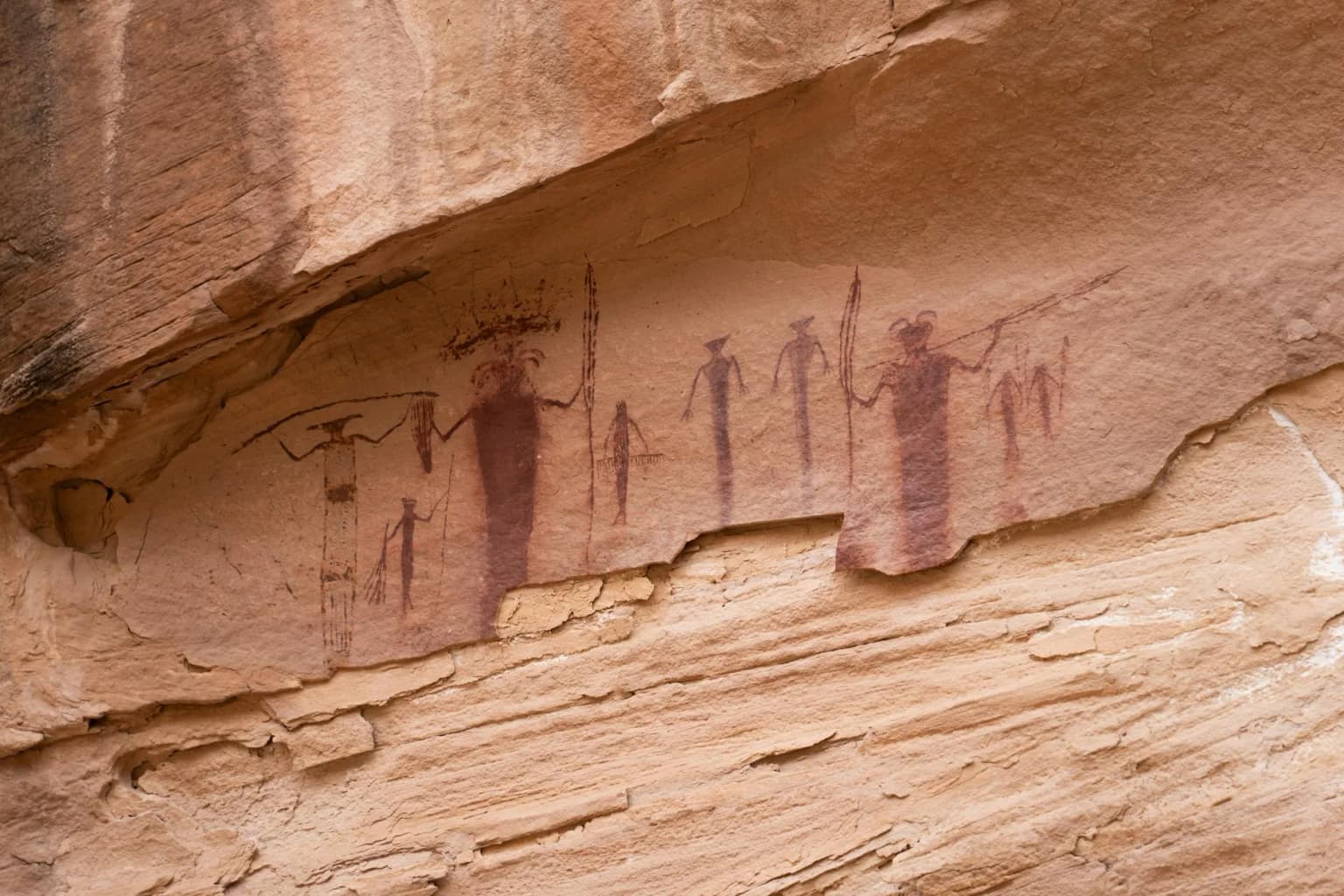
Jubbah Rock Art (UNESCO)
The main Jubbah rock art site contains thousands of petroglyphs spanning over 10,000 years, from Neolithic hunting scenes to Thamudic inscriptions. The sandstone outcrops rise from the edge of the Nefud Desert, and the carvings document an era when this region was green savanna with lakes and abundant wildlife.
100 km northwest - 1 hour drive
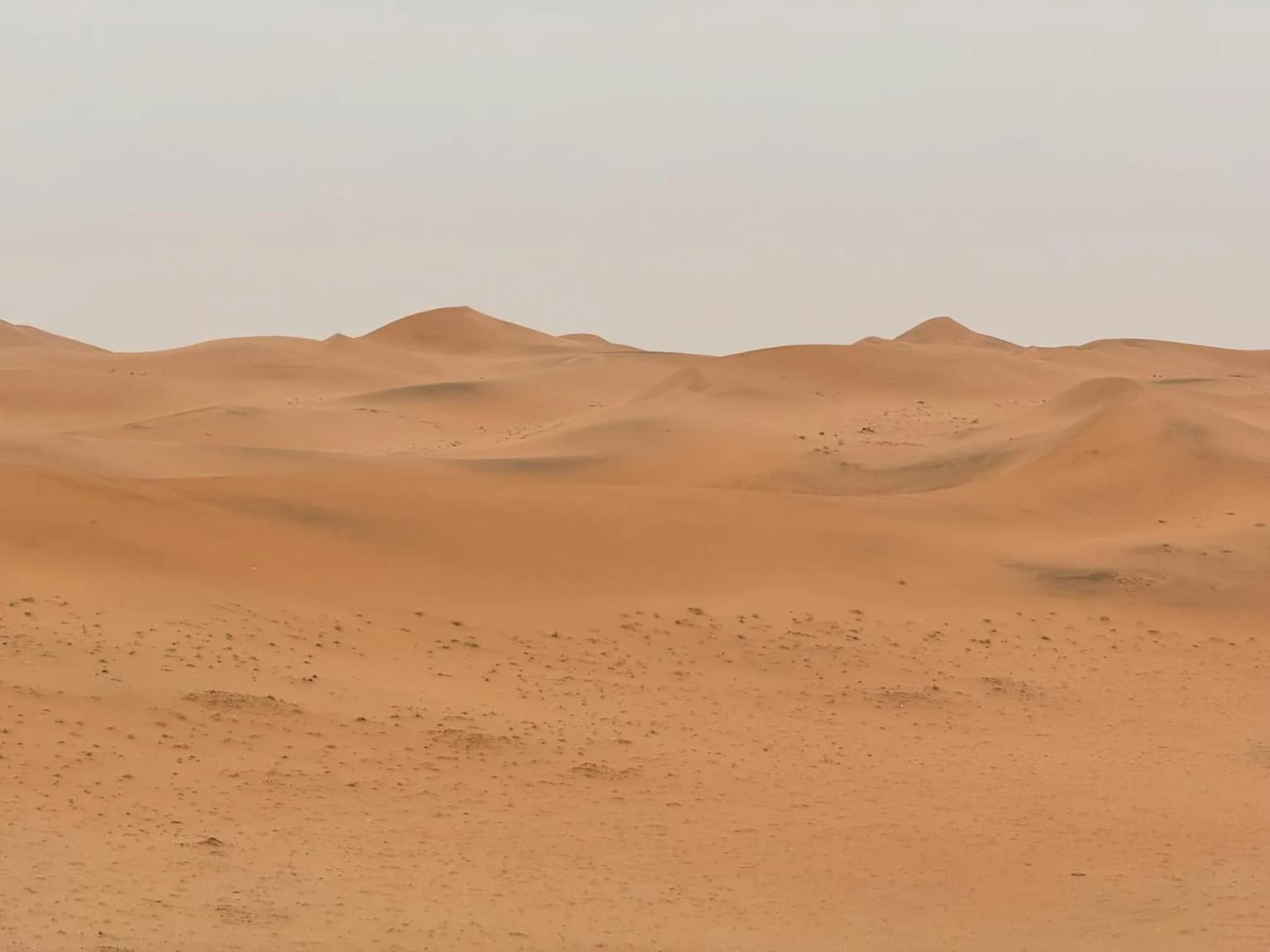
Nefud Desert
The Great Nefud Desert stretches west of Hail in an ocean of red sand dunes. Day excursions offer dune driving, sandboarding, and the experience of vast, empty desert. The red color of the sand, caused by iron oxide, creates especially dramatic scenery at sunrise and sunset.
50 km west - 40 minutes drive
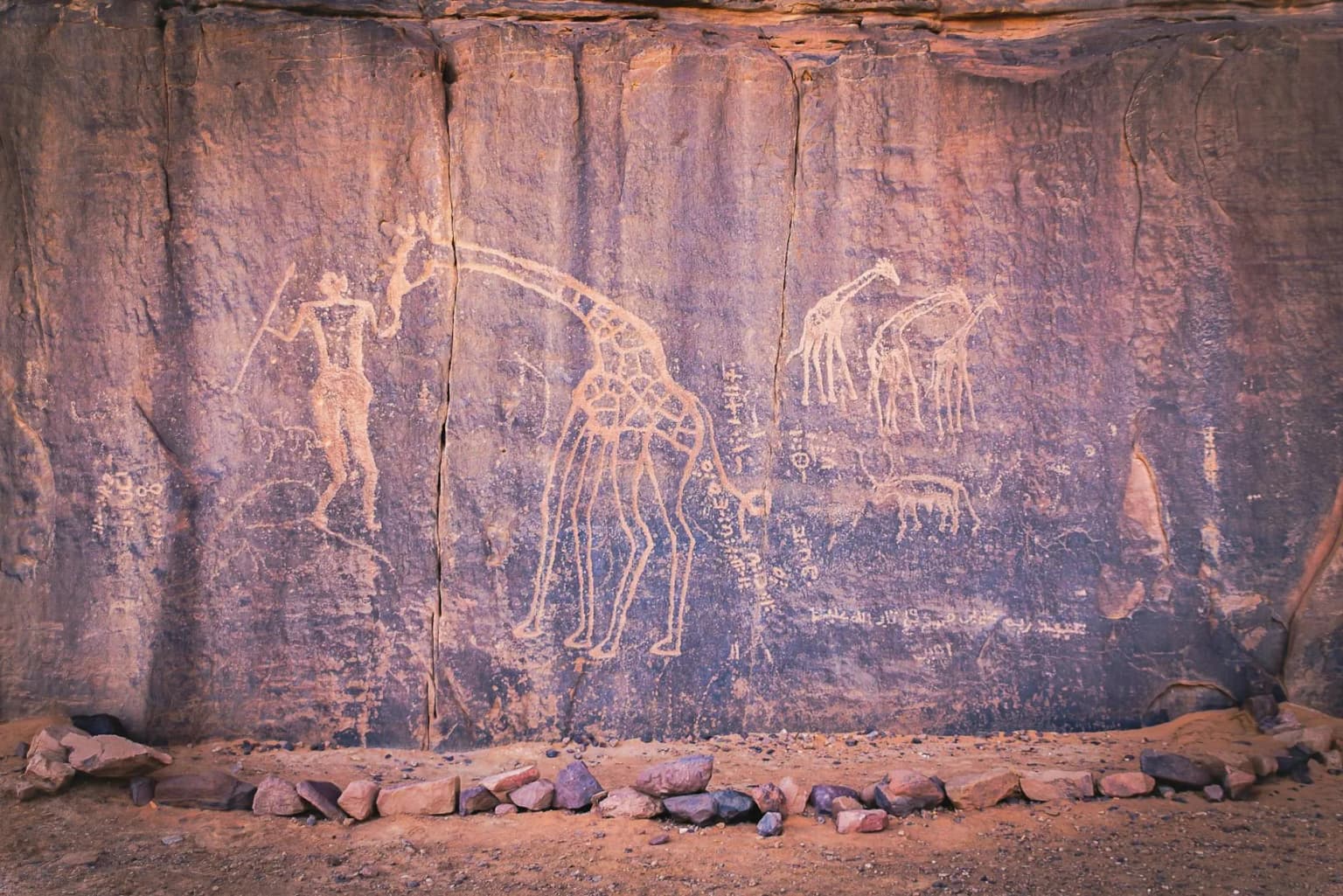
Shuwaymis Rock Art (UNESCO)
The second component of the UNESCO-listed rock art of the Hail region, Shuwaymis contains petroglyphs in a wadi setting that differ in style from Jubbah. The carvings include detailed depictions of cattle, suggesting a pastoral lifestyle. More remote and less visited than Jubbah, it rewards dedicated history enthusiasts.
250 km south - 3 hours drive
For a complete list of attractions, restaurants, and detailed itineraries, check out our full guide to things to do in Hail.
Where to Eat in Hail
Hail's food culture is inseparable from its legendary hospitality traditions. The concept of hatim - extreme generosity to guests - defines how food is served here: in enormous portions with genuine warmth. Traditional Najdi cuisine dominates, with kabsa, jareesh, and marqooq prepared in ways that have not changed for generations. Dining in Hail is simple and communal, focused on quality ingredients and generous quantities rather than presentation.
Local dishes you should try include Kabsa (hail's version of the national dish features generously spiced rice with slow-cooked lamb, reflecting the region's legendary hospitality traditions, 25-40 SAR), Jareesh (crushed wheat cooked slowly with meat and spices to a thick, porridge-like consistency, 20-35 SAR), Marqooq (paper-thin bread cooked on a dome-shaped griddle and served with a rich meat and vegetable stew, 25-40 SAR), and Arabian Coffee & Dates (hail is famous throughout saudi arabia for its coffee ceremony and generous hospitality, 5-15 SAR).
Restaurant Recommendations
Some places worth trying: Al Hatim Restaurant in Hail City Center (named after the local hospitality tradition, this popular restaurant serves traditional hail cuisine including generous kabsa platters and grilled lamb, 50-100 SAR for two), Desert Camp Dinners in Nefud Desert outskirts (several tour operators arrange traditional bedouin dinner experiences in the desert outside hail, with lamb cooked underground in sand pits and served communally under the stars, 80-150 SAR per person), Local Grills in Various locations (small, no-frills grilled meat shops along the main roads serve freshly grilled lamb and chicken with rice and bread, 20-40 SAR), and Al Baik in Main commercial area (saudi arabia's beloved fried chicken chain has a presence in hail, Under 20 SAR).
Dining Tips
Portions in Hail are famously large. Consider sharing dishes or ordering smaller portions if available.
The hospitality tradition (hatim) means locals may insist on paying for your meal or offering additional food. Accept graciously - refusal can cause offense.
Restaurants close during prayer times. Plan meals around prayer schedules, especially the late afternoon Asr prayer.
Most traditional restaurants serve food on floor cushions. Remove your shoes before entering the dining area.
Carry cash for smaller establishments. Card payment is less universally accepted than in Riyadh or Jeddah.
Cost of Living in Hail
Living costs in Hail are 40-50% cheaper than Riyadh; one of the most affordable cities in the Kingdom compared to other major cities in the Gulf. A comfortable monthly budget falls between 2,500-7,000 SAR, covering rent, food, transport, and day-to-day expenses. Compared to Dubai, you can expect to spend 30-50% less. Compared to Abu Dhabi, 20-40% less. And with zero personal income tax in Saudi Arabia, your purchasing power goes further than the numbers suggest.
Housing
Rent for a one-bedroom apartment ranges from 1,000-3,500 SAR, depending on the neighborhood and apartment quality. City center locations and modern compounds are more expensive but offer better amenities and shorter commutes. Suburban standalone apartments give you more space for less money. Most landlords expect annual rent, often paid in 1-4 post-dated checks, and utilities run about 150-300 SAR per month per month. For details on how the process works, see our rental guide for Saudi Arabia.
Groceries, Food & Transport
A meal at a mid-range restaurant costs 10-50 SAR per meal. Monthly grocery shopping averages 400-800 SAR per month, with major supermarket chains like Tamimi, Panda, Danube, and Carrefour available. Transportation costs are Private car essential; very limited taxis - fuel is very affordable, ride-hailing through Uber and Careem works well, and most expats drive or use apps to get around.
Monthly Budget Breakdown
| Rent (1BR apartment) | 1,000-3,500 SAR |
| Utilities | 150-300 SAR per month |
| Groceries | 400-800 SAR per month |
| Transportation | Private car essential; very limited taxis |
| Restaurant meal | 10-50 SAR per meal |
| Total monthly budget | 2,500-7,000 SAR |
Use our cost of living calculator to get a personalized estimate based on your lifestyle.
Best Neighborhoods in Hail
Where you live matters. Hail has neighborhoods that range from gated expat compounds with pools and security to vibrant city center districts within walking distance of restaurants and offices. The right choice depends on your budget, whether you have a family, and how you want to live day-to-day.
| Neighborhood | Rent Level | Description |
|---|---|---|
| City Center | Low-Medium | Main commercial area with the traditional souq, government offices, and A'arif Fort. |
| Al Suwaifilah | Low | Residential area with affordable housing and local amenities. |
| University Area | Low-Medium | Growing area near the University of Ha'il with student services and newer housing. |
| Al Zahra | Low | Residential neighborhood with spacious properties and a family-oriented atmosphere. |
District Map
If you are coming with family, expat compounds are the path of least resistance. They come with security, shared amenities, social events, and other families in the same situation as you. If you are single or a couple without kids, a modern apartment in a central district puts you closer to restaurants, offices, and city life. Either way, visit the neighborhood in person before signing a lease. Drive around at different times of day, check the commute to your office, and look at what is nearby.
Jobs & Career Opportunities
The job market in Hail is active, with an unemployment rate of Higher than national average; dominated by government employment. Average salaries sit around 4,000-9,000 SAR, and because Saudi Arabia has no personal income tax, what you earn is what you keep. Saudization (Nitaqat) policies mean companies must hire a percentage of Saudi nationals, but many sectors still recruit heavily from abroad - especially in agriculture (wheat, dates, fruit), government & public sector, mining (phosphate).
Major employers in Hail include Ha'il Region Emirate (government), University of Ha'il, Hail Agricultural Development Company (HADCO), Military installations, Hail Hospital, Regional tourism authority. These companies regularly hire international talent and often provide comprehensive packages including housing, transportation allowances, annual flights home, and medical insurance for the whole family.
The fastest growing sectors are agriculture & agribusiness, government services, tourism & heritage, education, mining (phosphate deposits), renewable energy, all driven by the Kingdom's Vision 2030 diversification strategy. If your skills align with any of these, you will find the job market receptive.
How to Find Work
LinkedIn is the primary recruitment channel in Saudi Arabia - update your profile with Hail or Saudi Arabia as your preferred location. Major recruitment agencies like Hays, Robert Half, and Michael Page operate across the Kingdom. Bayt.com, GulfTalent, and Naukrigulf are the most used regional job boards. Apply directly on company career pages for the big employers. Networking matters more here than in most places - join professional groups, attend industry events, and connect with people already working in Hail.
Work Culture
The work week runs Sunday to Thursday, typically 8 hours per day with reduced hours during Ramadan. You get a minimum of 21 days annual leave, increasing to 30 days after 5 years with the same employer. Typical expat packages include housing, transport, annual flights, medical insurance, and education allowances for children. When your contract ends, you receive an end-of-service gratuity based on your years of employment. For more on what to expect, read our Saudi working culture guide.
Getting Around Hail
Hail is a compact city that is easily navigable, but a car is essential for reaching the major attractions. The UNESCO rock art at Jubbah is 100 km away, and desert camping areas require 4x4 vehicles. Within the city, everything is within a short drive.
Car rental: Essential for exploring Hail's attractions. A regular sedan works for city driving and the paved road to Jubbah, but a 4x4 is necessary for desert areas and reaching remote rock art sites. Cost: 100-180 SAR per day, fuel ~2.3 SAR/liter.
Ride-hailing (limited): Uber and Careem have limited coverage in Hail. You may find rides in the city center, but do not rely on them for trips to outlying attractions. Cost: 10-25 SAR within the city.
Taxis: Traditional taxis operate in the city. Negotiate fares in advance as meters are not always used. Useful for short city trips but impractical for reaching distant sites. Cost: 10-30 SAR for city trips.
Tour guides: Local guides can be arranged through hotels or tourism offices for trips to Jubbah and desert areas. They provide valuable context for the rock art and know the best desert routes. Cost: 200-500 SAR per day.
Hail Regional Airport (HAS) is located about 10 km from the city center and serves domestic flights to Riyadh (about 1.5 hours), Jeddah (about 2 hours), and other Saudi cities. Saudia and flynas operate regular services. A taxi or ride-hailing trip from the airport to the city center costs 20-40 SAR.
Within Hail, driving is straightforward on well-maintained roads. The highway to Jubbah is a good paved road through open desert. For any off-road desert driving, a 4x4 with properly deflated tires is essential, and you should never venture into the dunes alone. Carry extra water and ensure your phone has signal. Sand can drift across roads after wind storms, so drive cautiously.
Intercity travel: Domestic flights connect Hail to Riyadh (1.5 hours), Jeddah (2 hours), and Dammam. SAPTCO operates bus services to Riyadh (about 6 hours) and other cities. Driving to Riyadh takes approximately 6 hours via well-maintained highways through open desert.
Expat Life in Hail
Hail has a well-established international community of around ~20,000 expats people, with the largest groups coming from Indian, Pakistani, Egyptian, Bangladeshi, Filipino. This is not a city where you will feel isolated. There are active expat groups, compound communities, professional networks, and social clubs that make it straightforward to build a social life from scratch.
Local groups like Hail International Community, University of Ha'il Expat Faculty organize regular social events, cultural activities, and networking opportunities. Compound living provides built-in community with sports leagues, family events, and shared facilities. If you live independently, online communities on Facebook and WhatsApp are the fastest way to connect with other expats in your area.
Hail is renowned across the Arab world for its hospitality tradition, rooted in the legend of Hatim al-Tai, whose generosity is celebrated in Arabic literature and poetry. The city maintains strong Bedouin traditions, including camel herding, desert camping, and traditional crafts. The Hail Rally has added a modern sporting dimension to the city's identity. Local cuisine features traditional Arabian dishes with an emphasis on dates and camel milk.
Healthcare
Hail has King Khalid Hospital (Hail) and several government clinics. Healthcare is adequate for basic needs but limited for specialized treatment, which requires travel to Riyadh (about 6 hours) or Buraydah (3 hours). Employer-provided medical insurance is mandatory by law, and most private hospitals and clinics have English-speaking staff. Emergency services are available around the clock, and pharmacies are well-stocked and often open late.
Education
Hail has 1 major universities, including University of Ha'il (comprehensive public university). For expat families, international schools offering British, American, IB, and other curricula are available, along with nurseries and early childhood centers. School fees vary widely, but many employer packages include an education allowance.
Your First Month
When you first arrive, the priority list is straightforward: get your iqama (residence permit) processed through your employer, open a Saudi bank account, register on the Absher platform for government services, get a Saudi SIM card (STC, Mobily, or Zain), and either convert your driving license or start the process of getting a Saudi driving license. Most of this can be sorted within the first few weeks if your employer's PRO (public relations officer) is on top of things.
Climate & Practical Information
Summers in Hail are very hot and dry, 100-115°f (38-46°c / 100-115°f) (june-august), while winters are cold for saudi arabia, 36-61°f (2-16°c / 36-61°f) with frost possible (december-february). The city experiences low, ~100mm annually; sporadic winter and spring showers. The best time to visit or move is between October and April when the weather is most pleasant.
Popular destinations near Hail include Jubbah Rock Art (UNESCO), Shuwaymis Rock Art (UNESCO), Great Nefud Desert, A'arif Fort, Qishla Palace. These are accessible for day trips or weekend getaways and give you a sense of the region beyond the city itself.
Useful Contacts
Emergency services: 911 (Riyadh and Eastern Province) or 999 (other regions). Traffic Police: 993. Ambulance: 997. Fire: 998. Essential apps include Absher (government services), Tawakkalna (digital ID), and your bank's app for managing payments through the mada network.
Ready to Move to Hail?
Tax-free salaries, a growing international community, and a city that is changing fast. Start planning your move today.
Tours & Activities in Hail
Discover the best tours, excursions, and activities available in and around Hail. From cultural experiences to desert adventures, find something for every interest.