Loading city information...
Join our Facebook Group: Join: Expats in Saudi Arabia
Loading city information...
Discover the best things to do in Riyadh, Saudi Arabia's dynamic capital. From historic Diriyah to futuristic Boulevard City, explore top landmarks, museums, and entertainment.
Riyadh, Saudi Arabia's sprawling capital, has transformed from a walled desert city into one of the Middle East's most dynamic metropolises. Under Vision 2030, the city is experiencing unprecedented development with mega-projects reshaping its skyline and cultural landscape. From the UNESCO-listed Diriyah district to the futuristic Kingdom Centre Tower, Riyadh offers visitors a fascinating blend of ancient Arabian heritage and bold modernity.
Whether you are interested in history, culture, architecture, or simply experiencing authentic Saudi life, Riyadh offers something for every type of traveler.
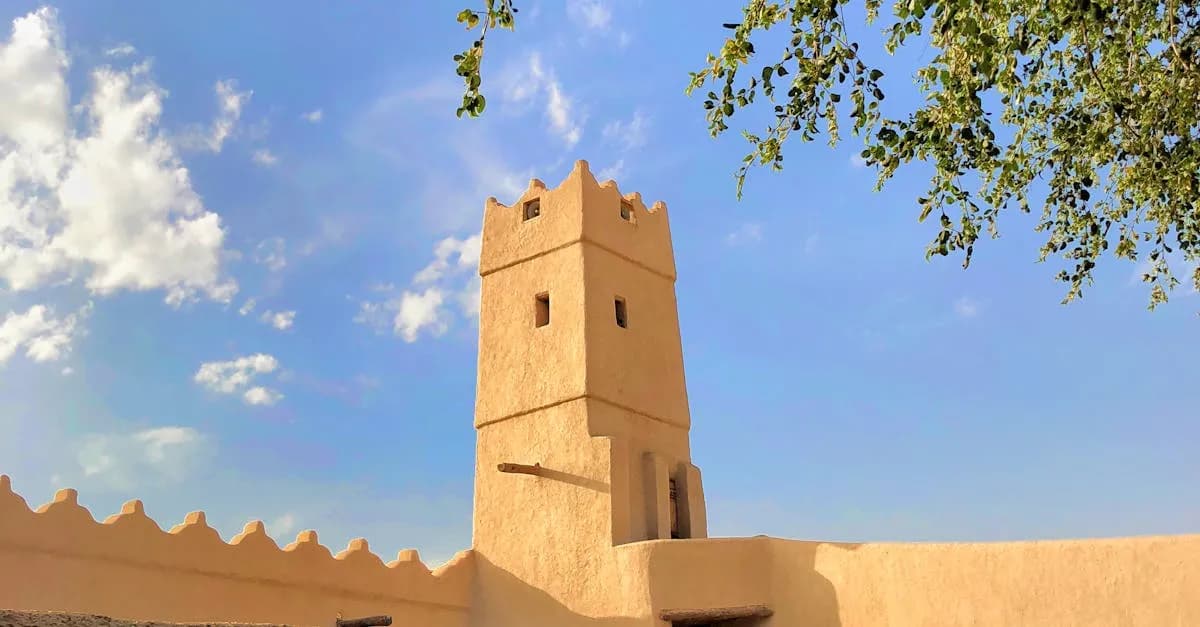
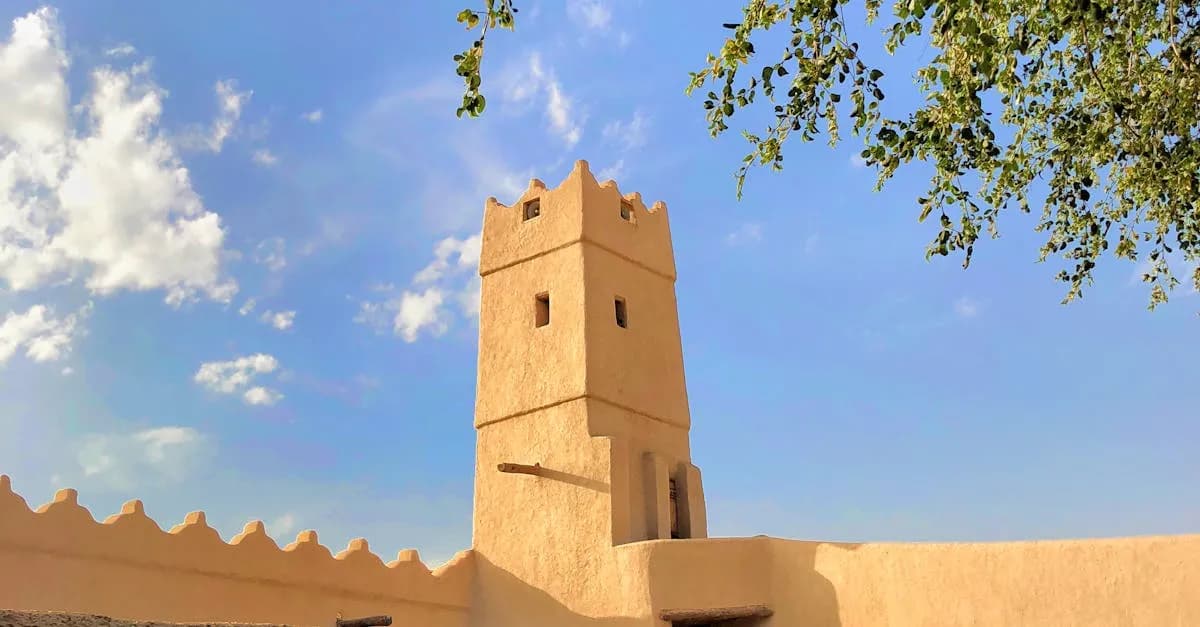
This UNESCO World Heritage Site is the birthplace of the first Saudi state and the ancestral home of the Al Saud royal family. The restored mud-brick palaces and mosques of At-Turaif showcase traditional Najdi architecture. The surrounding Diriyah Gate development features world-class restaurants, museums, and event venues.
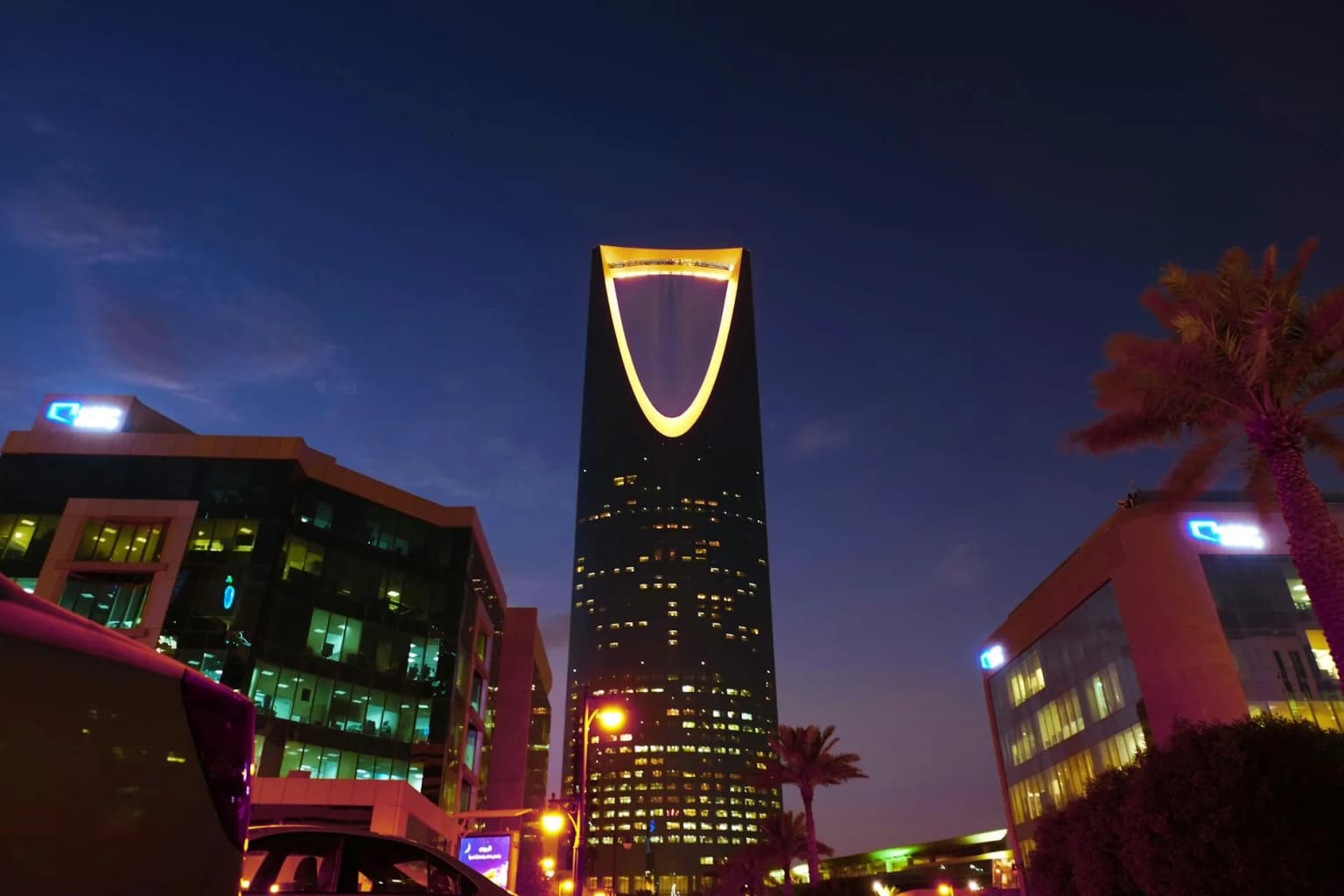
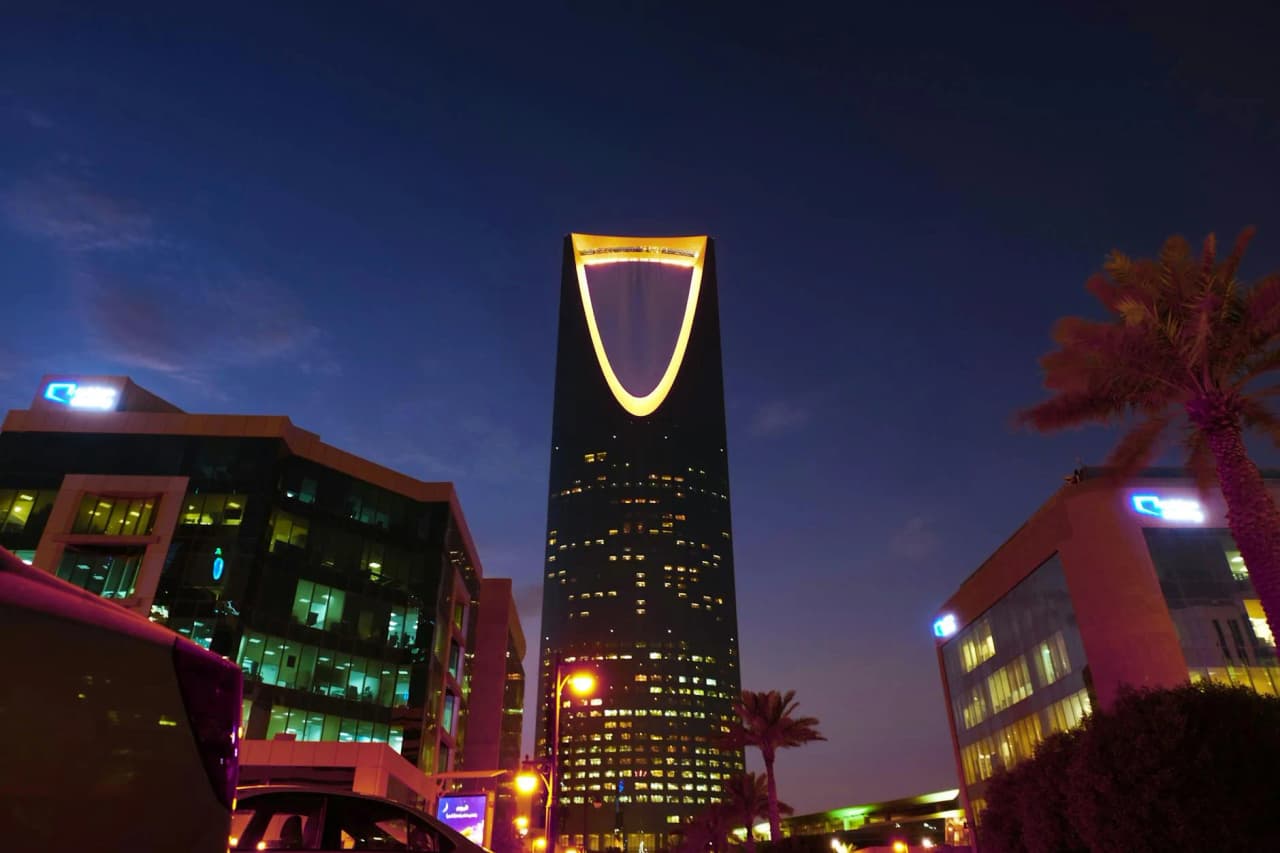
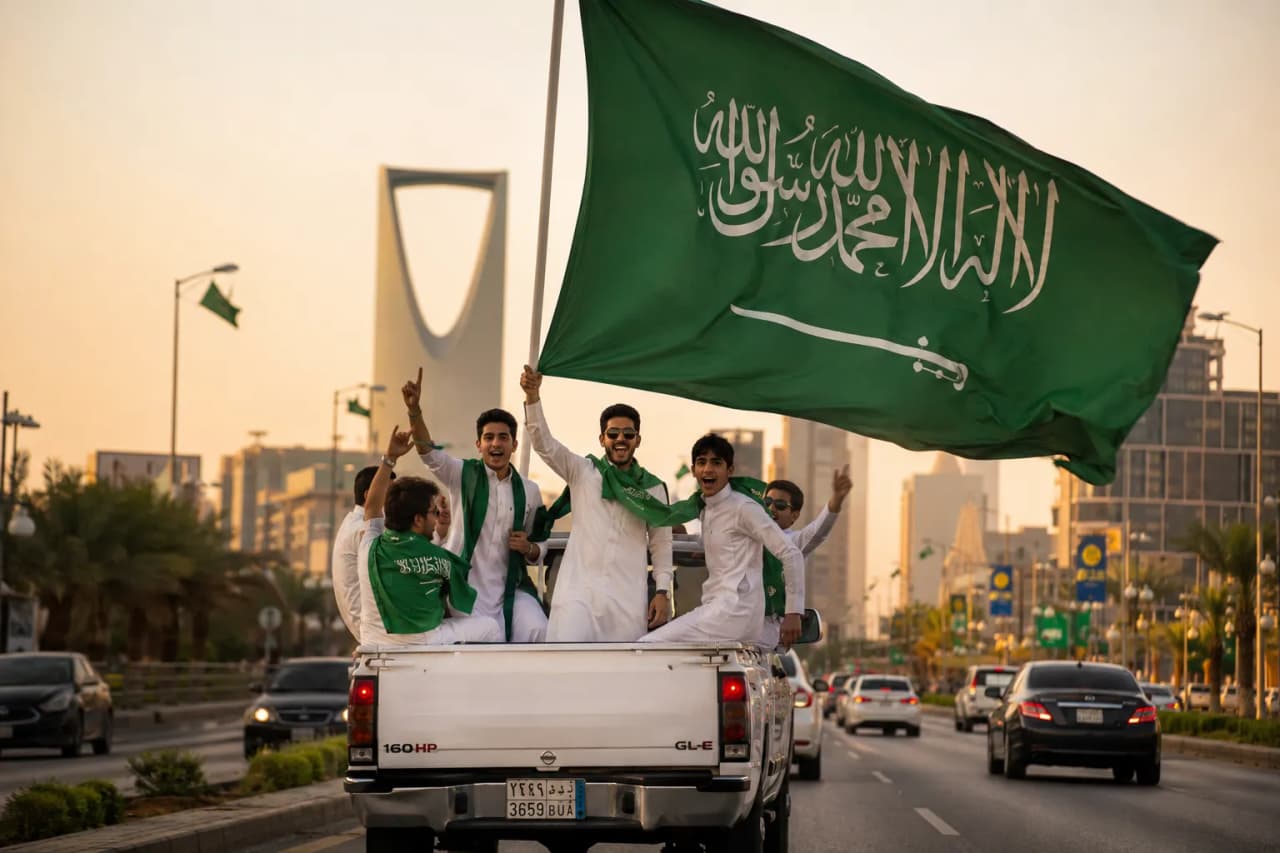
Riyadh's most iconic skyscraper features a distinctive inverted parabolic arch at its summit with a Sky Bridge observation deck offering 360-degree views of the city. The tower houses luxury shopping, offices, and the Four Seasons Hotel. The panoramic views at sunset are particularly spectacular.
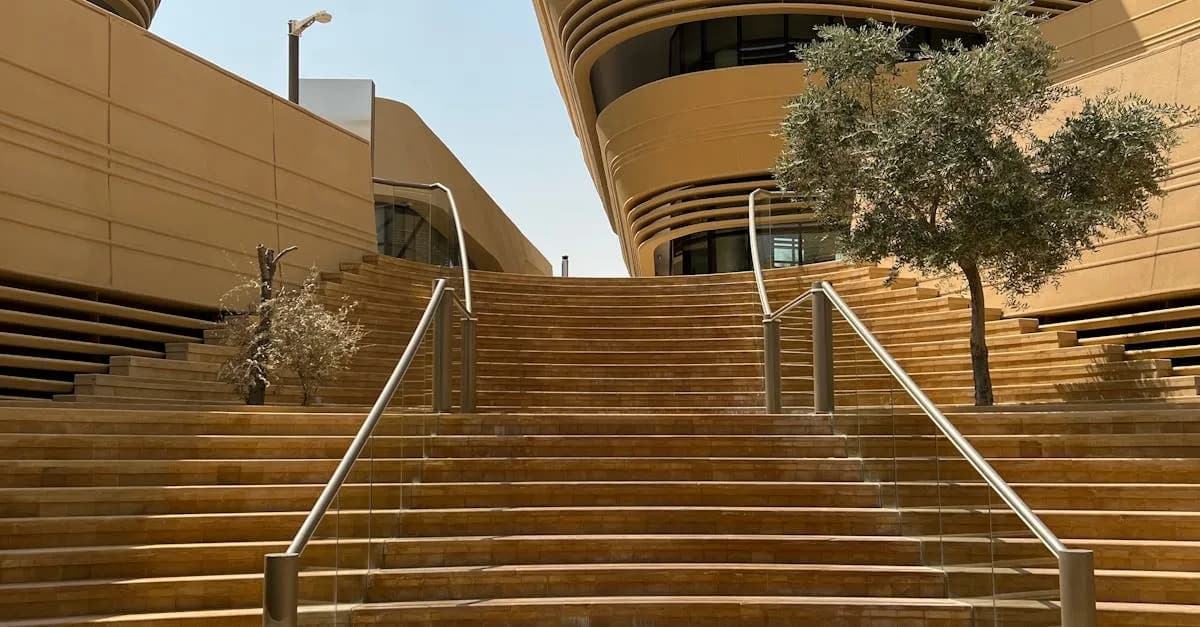
The Kingdom's premier museum spans eight galleries tracing Saudi Arabia's history from ancient geological formations through pre-Islamic civilizations to the modern Saudi state. Interactive exhibits, rare artifacts, and multimedia displays make this an essential stop for understanding the Kingdom's rich heritage.
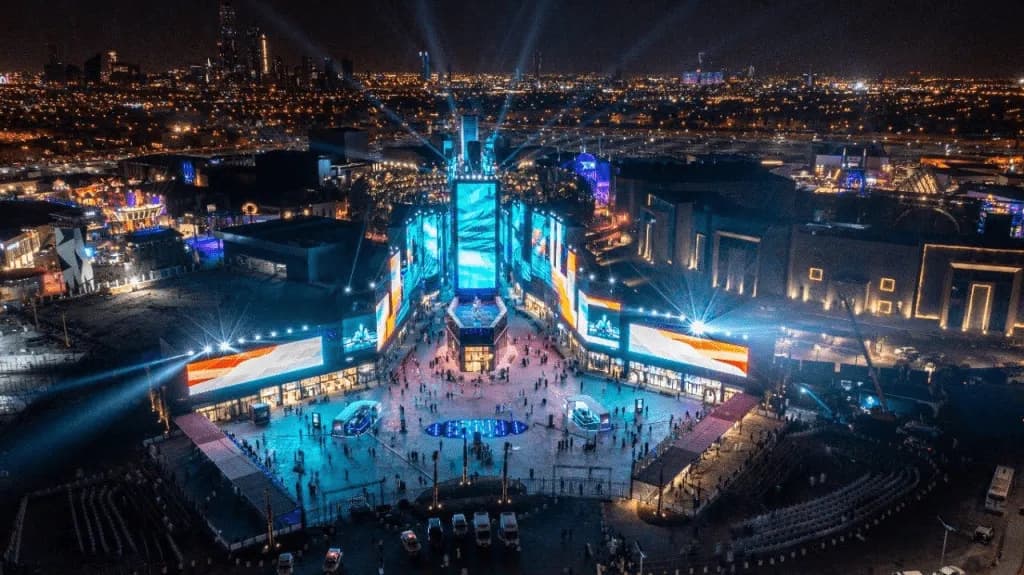
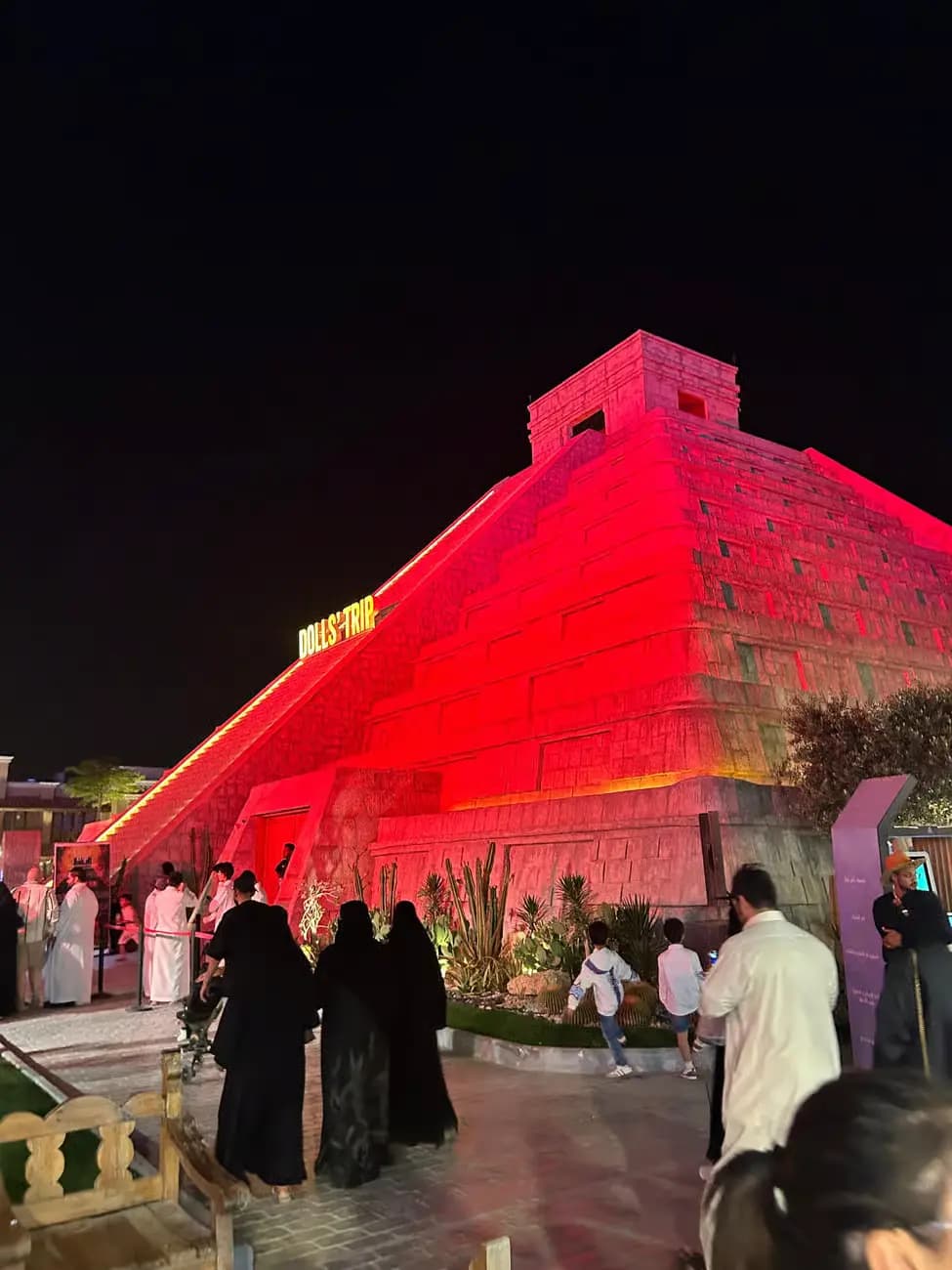
Saudi Arabia's largest entertainment destination features themed zones, international restaurants, concert venues, and seasonal events. The Boulevard hosts major concerts, festivals, and entertainment shows as part of the Kingdom's Riyadh Season events that attract millions of visitors annually.
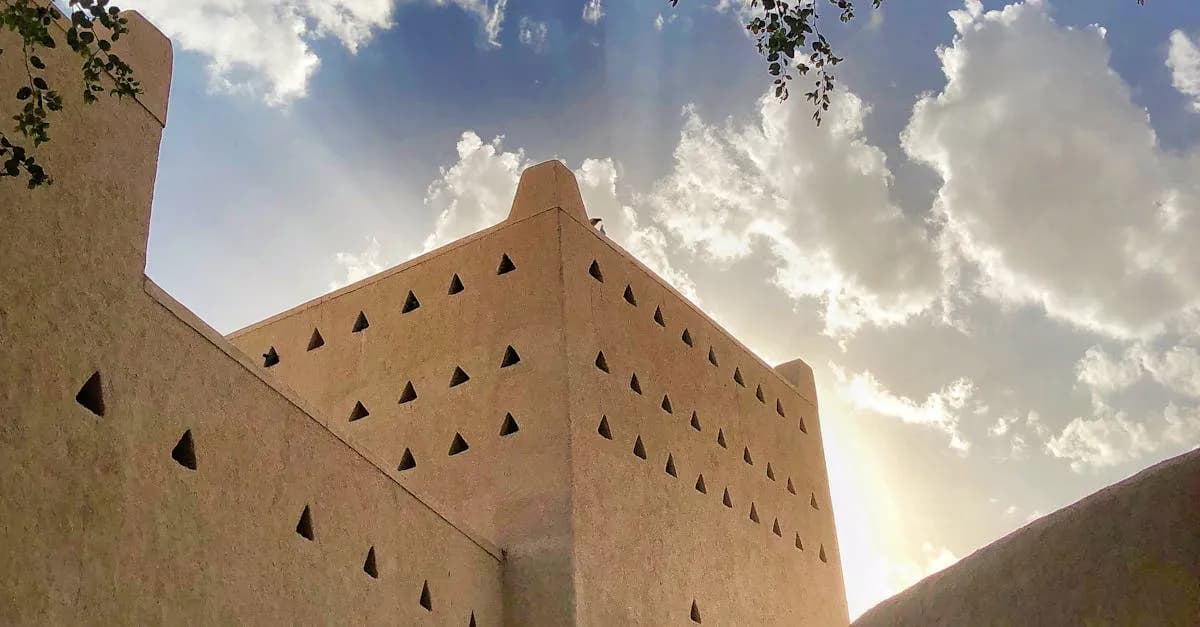
This historic clay and mud-brick fortress played a pivotal role in the founding of modern Saudi Arabia when King Abdulaziz captured it in 1902. Now a museum, it houses exhibits about the Kingdom's unification including weapons, photographs, and maps from that era.
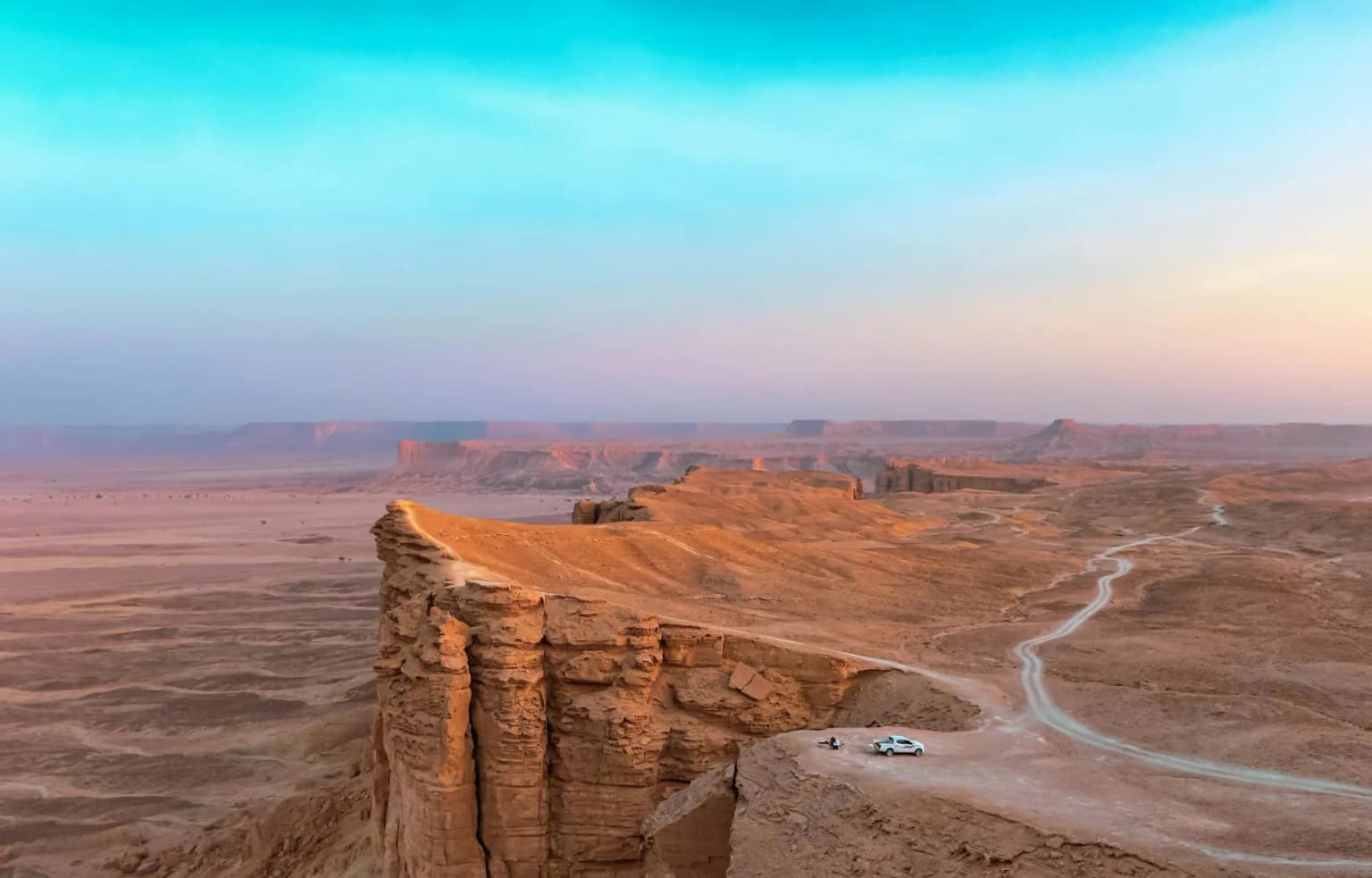
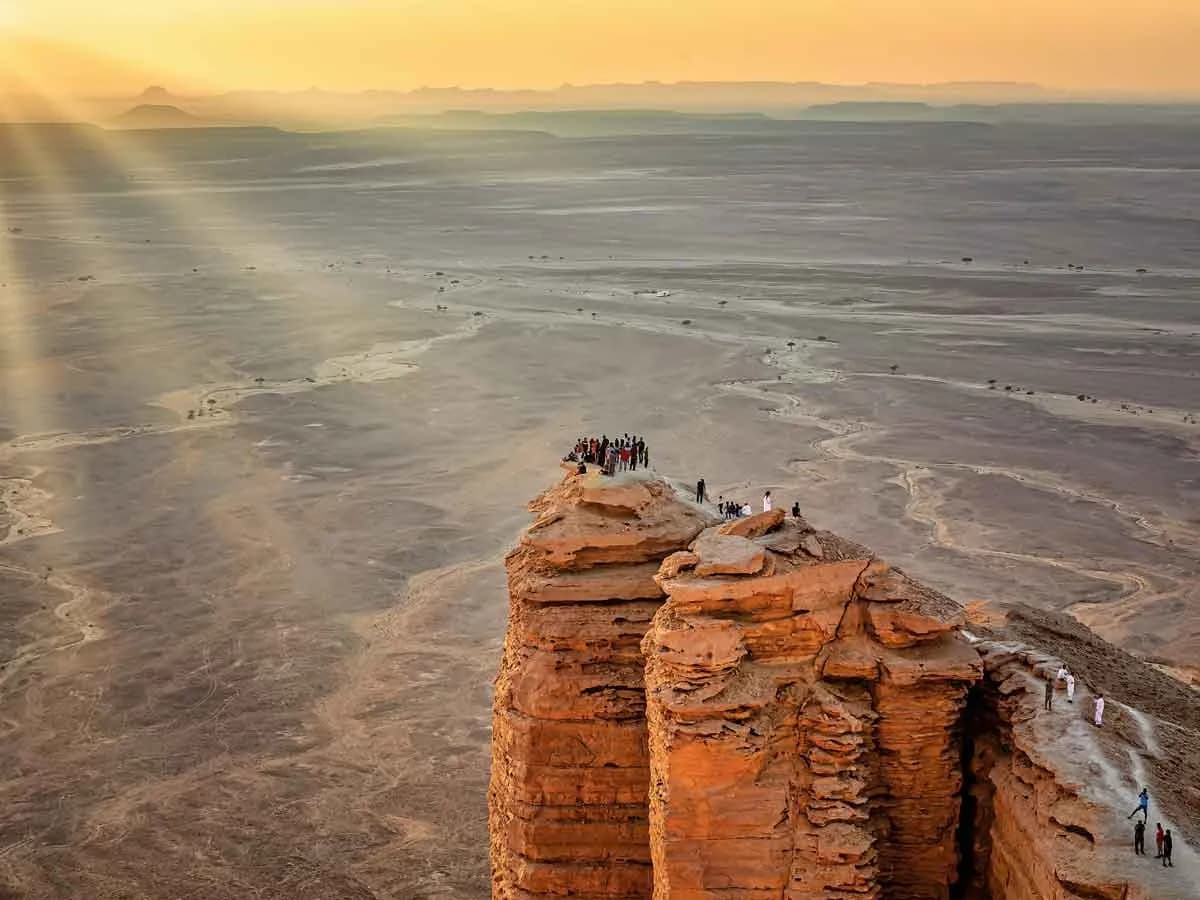
About 90 minutes from Riyadh, these dramatic cliff formations offer breathtaking views across an endless desert plain. The sheer 984-foot (300-meter) cliffs mark the edge of the Tuwaiq Escarpment and provide one of Saudi Arabia's most spectacular natural landscapes, especially at sunset.
Click on a numbered marker to see the attraction name. Numbers correspond to the attraction order below.
Discover and book guided tours, skip-the-line tickets, and unique experiences in Riyadh.
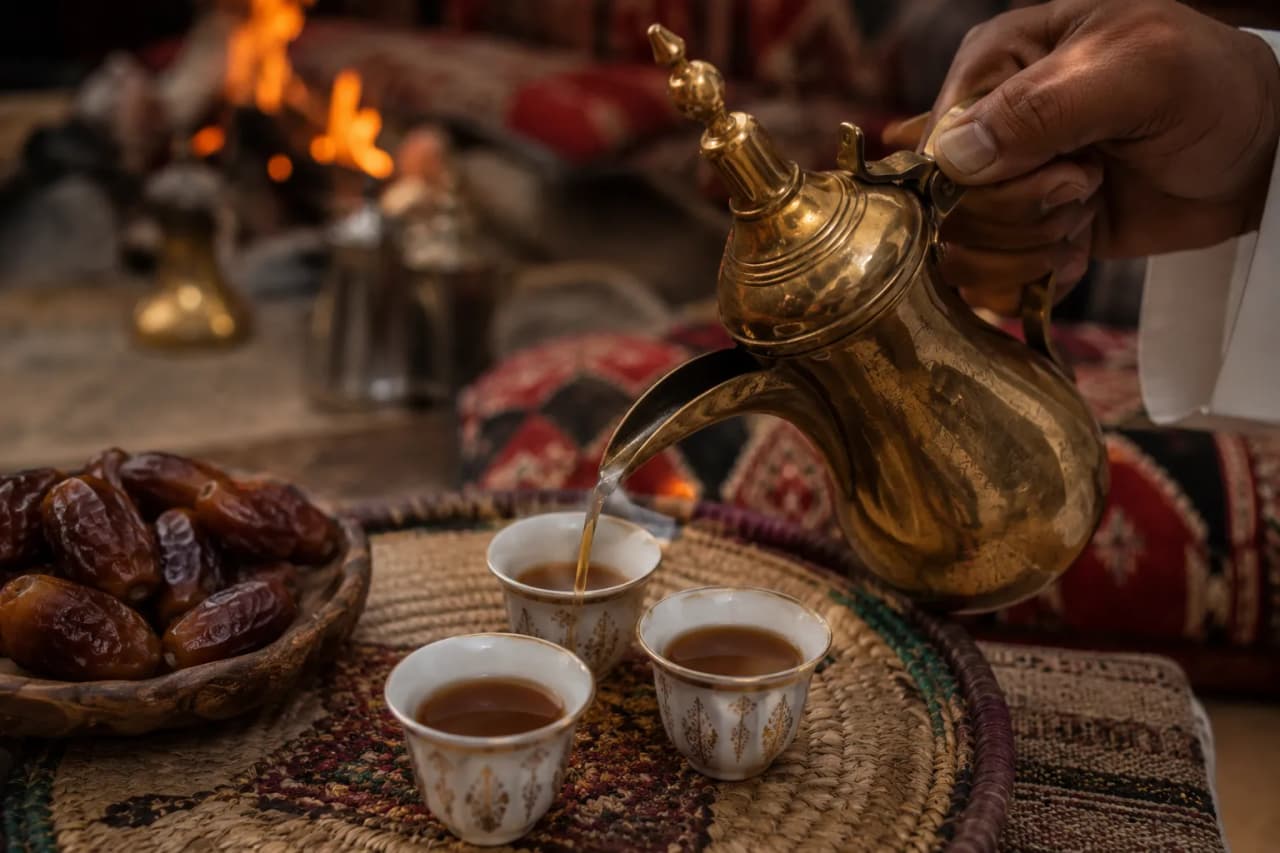
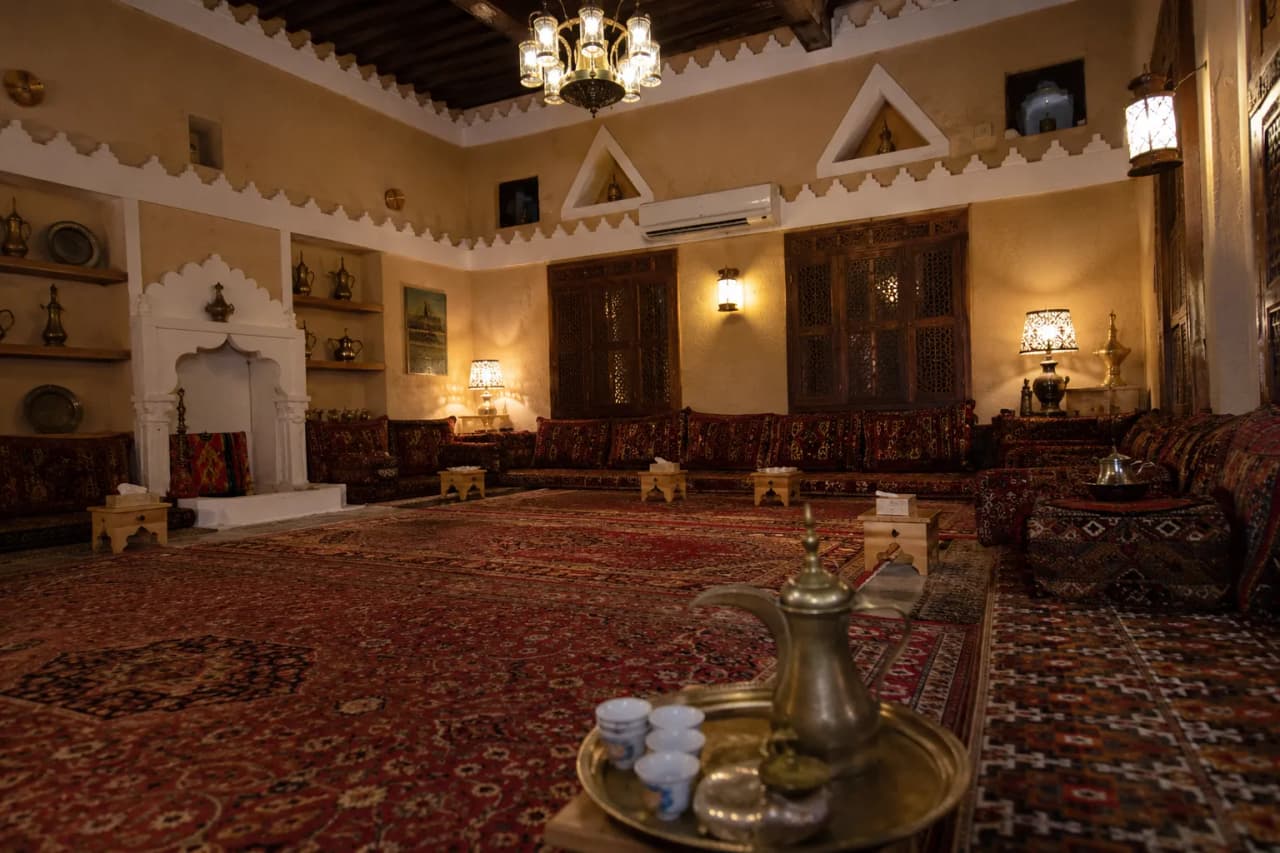
Riyadh's food scene has exploded in recent years. The city went from a handful of traditional restaurants to one of the most exciting dining destinations in the Gulf, with everything from hole-in-the-wall kabsa joints to Michelin-worthy fine dining. Whatever you eat, start the way locals do: with Arabic coffee and dates. Every meal, every meeting, every visit to someone's home begins with a small cup of light, cardamom-spiced coffee and a few pieces of fresh dates. It is the Saudi way of saying welcome.
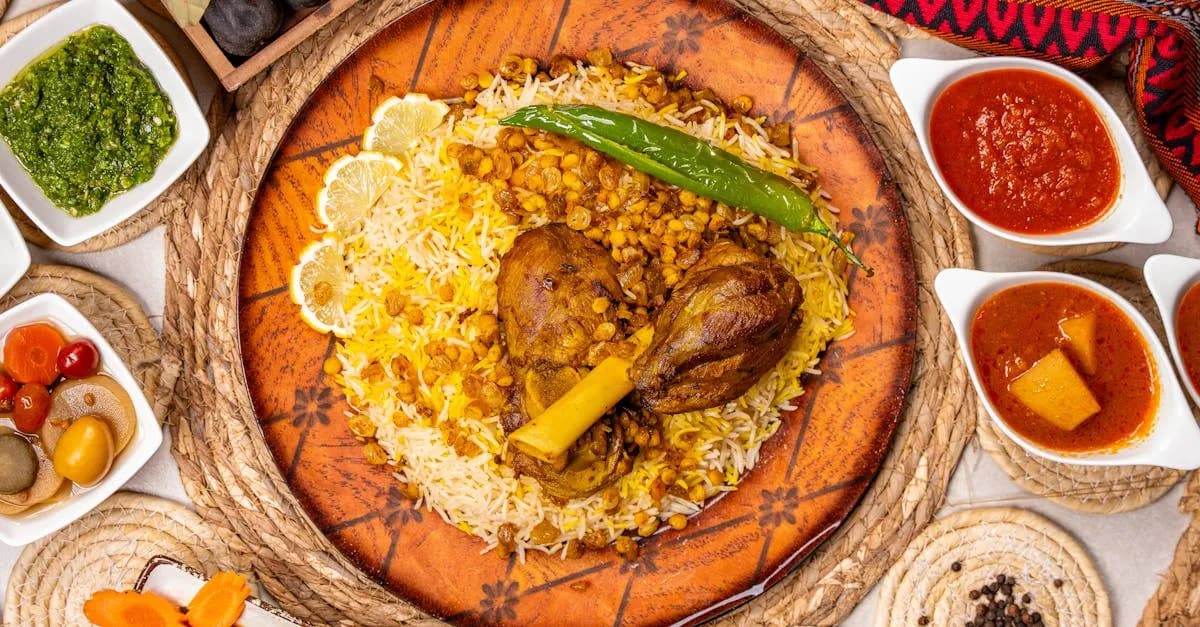
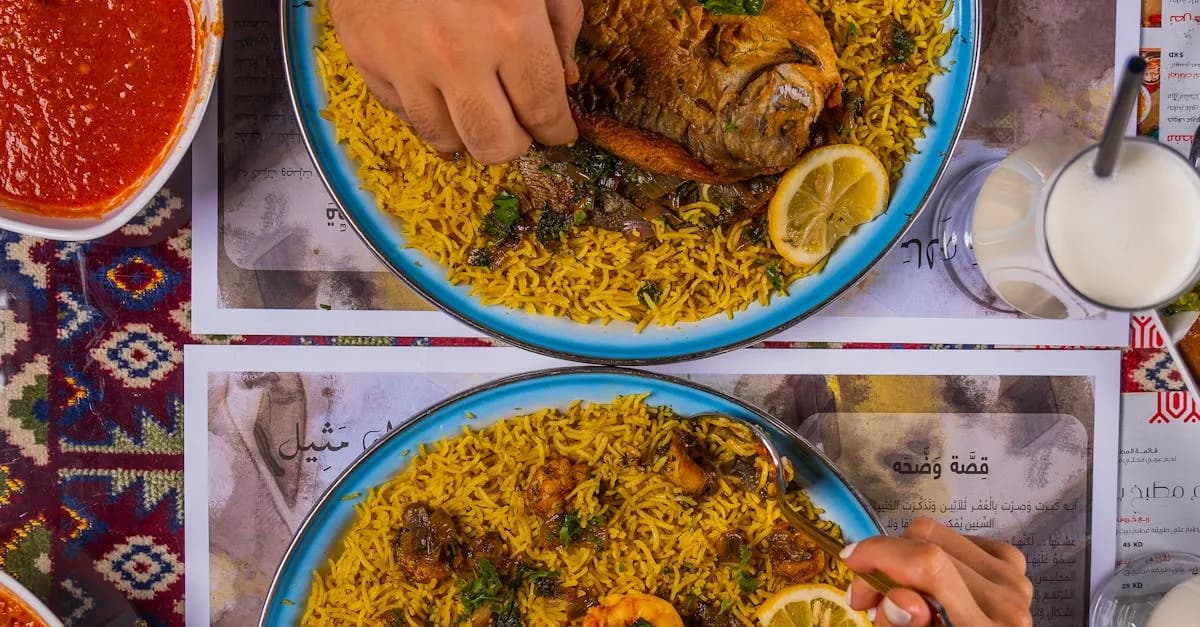
Kabsa The national dish - spiced rice with cardamom, cloves, cinnamon, and dried lime, topped with chicken or lamb. Comes with tomato-based daqus sauce, green chili sauce, and sometimes yogurt raita. Eaten with the right hand. A plate typically costs 25-40 SAR.
Mandi Similar to kabsa but the meat is smoked in a tandoor-style pit, giving it a distinctive smoky flavor. The rice is lighter and more yellow. Look for restaurants advertising "mandi on wood fire." A plate typically costs 30-50 SAR.
Jareesh Crushed wheat cooked slowly with meat and broth until it becomes a thick, savory porridge. Comfort food, especially popular during Ramadan and colder months. A plate typically costs 20-35 SAR.
Mutabbaq Stuffed savory pancake filled with minced meat, egg, and onions, folded and fried on a flat griddle. Great quick snack from street vendors. A plate typically costs 5-15 SAR.
Saleeg Creamy white rice cooked in milk and broth, served with roasted chicken on top. The Saudi version of risotto, originally from the Hejaz region. A plate typically costs 30-45 SAR.
Najd Village (Sulaimaniyah) Built to look like a traditional Najdi village with mud-brick walls and low cushion seating. Serves lamb kabsa that locals consistently rank among the best in the city. Expect to pay around 120-180 SAR for two.
Al Romansiah (Multiple locations) The most popular Saudi restaurant chain. Not fancy, but the food is consistently good and affordable. Reliable lamb kabsa and chicken mandi. Expect to pay around 35-60 SAR per person.
Al Baik (Multiple locations) Saudi fast-food chain with cult following. Legendary fried chicken and garlic sauce at remarkably low prices. Expect queues at peak hours. Expect to pay around Under 20 SAR.
Takya (Diriyah Gate) Elevated Saudi dishes in a beautiful setting on Bujairi Terrace, overlooking the UNESCO At-Turaif heritage site. Expect to pay around 200-400 SAR per person.
Tahlia Street restaurants (Tahlia Street) Riyadh's main restaurant strip with hundreds of options - Lebanese, Turkish, Indian, Japanese, Italian, and everything in between. Expect to pay around 40-150 SAR per person.
A meal at a traditional Saudi restaurant costs 30-80 SAR per person. Fast food runs 15-30 SAR. Upscale dining at Diriyah Gate or top hotel restaurants costs 150-400 SAR per person.
Arabic coffee at a specialty cafe is 15-30 SAR, but at traditional restaurants it is often served free with your meal.
Most restaurants accept card payments (mada, Visa, Mastercard, Apple Pay). Tipping is appreciated but not mandatory - 10% is generous.
Many restaurants still have separate family sections (for families and women) and singles sections (for men dining alone), though this is becoming less strict.
Restaurants close briefly during the five daily prayer times, usually for 20-30 minutes. If you are already seated, you can stay, but you will not be served until prayer ends.
There is no alcohol anywhere in Saudi Arabia.
For groceries, the major supermarket chains are Tamimi Markets (high-end, imported products), Panda (mid-range), Danube, and Carrefour. Monthly grocery costs for one person run about 800-1,500 SAR depending on your diet and whether you buy imported products.
Riyadh is a sprawling city and where you stay or spend your time makes a big difference. Each neighborhood has its own character, and choosing the right one depends on whether you are a tourist passing through, an expat looking for an apartment, or a business traveler who needs to be near the financial district.
This is the commercial heart of Riyadh. Kingdom Centre Tower, Al Faisaliyah Tower, and most international hotel chains are located here. Tahlia Street (officially King Fahad Branch Road) runs through the area and is the city's main restaurant and shopping strip. If you want to be in the center of everything with easy access to dining and malls, this is where to be. Hotels range from 300-1,200 SAR per night. For expats, apartments in Olaya run 2,500-5,000 SAR per month for a one-bedroom.
The DQ is one of the most pleasant areas in Riyadh. Originally built to house embassies, it has wide tree-lined streets, parks, walking paths, and a quiet, almost suburban feel. Wadi Hanifah runs along its western edge. It is popular with Western expats and families because it feels more spacious and green than the rest of the city. The downside is that it is somewhat isolated from the main commercial areas. Rent for a villa or compound starts around 8,000-15,000 SAR per month.
These northern neighborhoods are where newer, upscale residential development is concentrated. Al Nakheel has wide streets, gated compounds, and a family-oriented feel. Al Malqa is home to many modern apartment buildings and villas. Both areas are close to the northern ring road and relatively easy to reach from the airport. Rent for a modern two-bedroom apartment runs 3,000-6,000 SAR per month. The KAFD (King Abdullah Financial District) is nearby, making these areas convenient for finance professionals.
The northwest area around the UNESCO At-Turaif district has transformed into one of Riyadh's most exciting areas. Bujairi Terrace has the best dining in the city, overlooking the restored heritage site. The Diriyah Gate development is bringing luxury hotels, museums, and cultural venues. It is still primarily a destination rather than a residential area, but it is the place to spend an evening or a full day exploring.
The area around Masmak Fortress and the old city center is the most affordable and most chaotic part of Riyadh. It is where you find the cheapest hotels (100-200 SAR per night), budget restaurants, and the Indian and Pakistani neighborhoods with excellent biryani for 15 SAR. It is not fancy, but it has real energy and is the best area for budget travelers. The Dira Souq nearby sells gold, traditional Arabian daggers, and perfumes.
The Hittin district in northwest Riyadh is home to Boulevard Riyadh City, the massive entertainment complex that is the main venue for Riyadh Season events. The surrounding area has developed rapidly with new restaurants, cafes, and residential towers. It is the go-to area for evening entertainment, especially from October to March when Riyadh Season is running. Nearby Via Riyadh offers a similar mix of dining and entertainment.
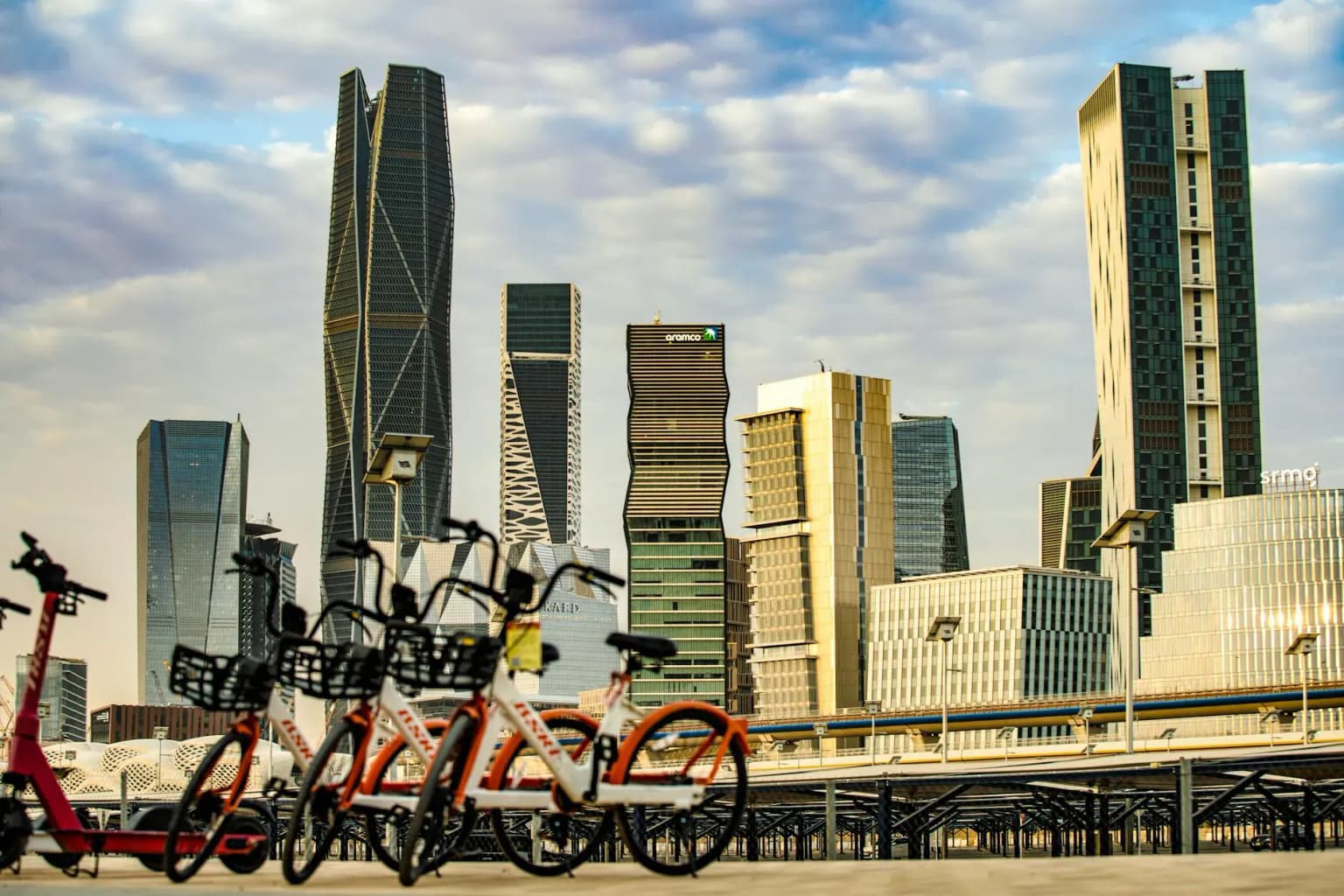
This futuristic business district north of the city center is designed as a car-free zone with its own metro station. The striking modern architecture makes it worth visiting even if you are not there for business. Several luxury hotels and restaurants have opened in the district. It is Saudi Arabia's answer to Dubai's DIFC or London's Canary Wharf.
Click on an area to see details. Colors indicate approximate rent levels.
Click on an area for details. Zones are approximate.
Hotel prices correlate with neighborhood rent levels. For longer stays, consider renting an apartment for better value. Planning to relocate? See our full Riyadh living guide with detailed cost of living, job market, and expat community information.
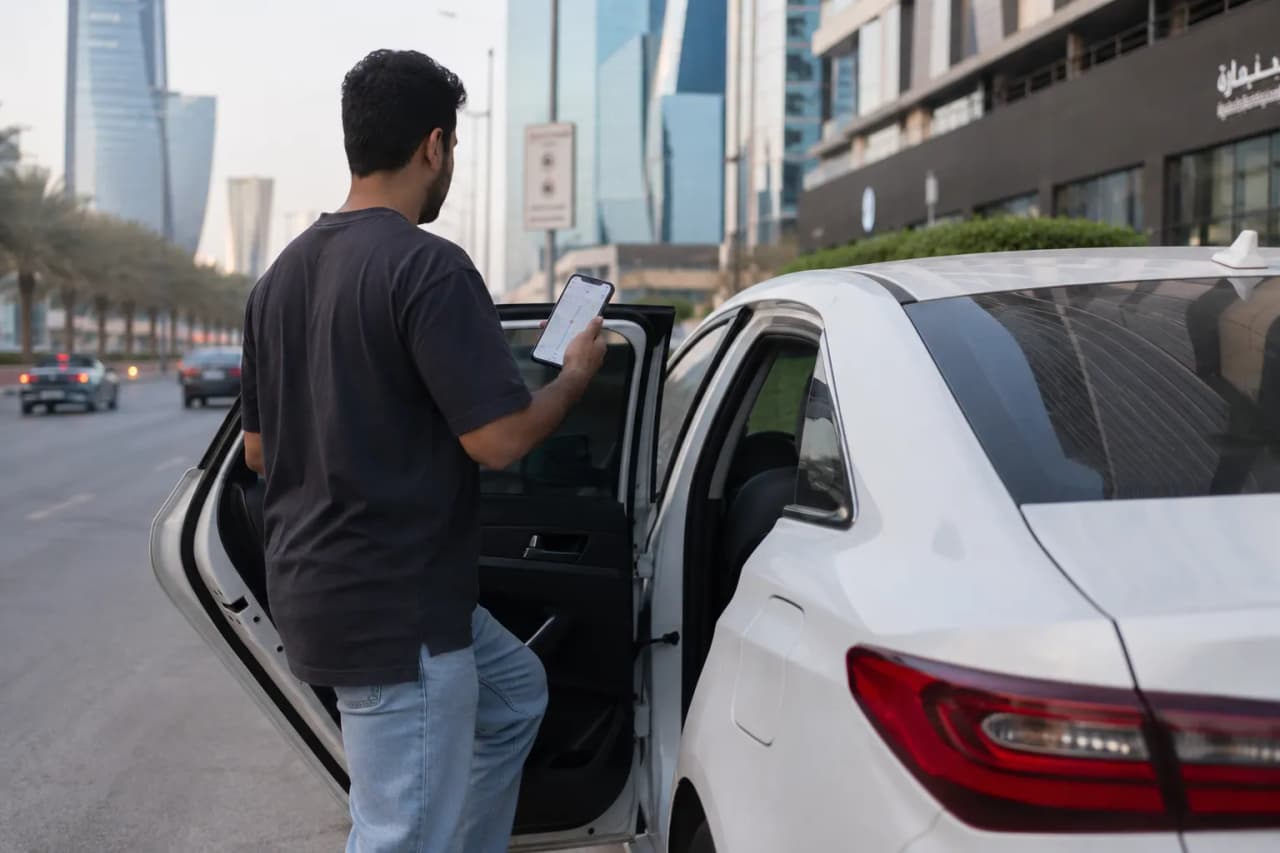
Riyadh is a car city. The distances are huge, public transport is limited, and the entire urban layout was designed around highways and wide roads. If you are coming from Europe, where you can walk to the metro and take a train anywhere, you will need to adjust your expectations. In Riyadh, you either drive or you take an Uber or Careem.
Ride-hailing (Uber & Careem) (10-20 SAR for short trips, 30-50 SAR across town, 60-90 SAR from airport) The easiest option for visitors. Both apps work well, drivers arrive quickly. Careem is the local app (owned by Uber but operating separately) and tends to have slightly more drivers in some areas.
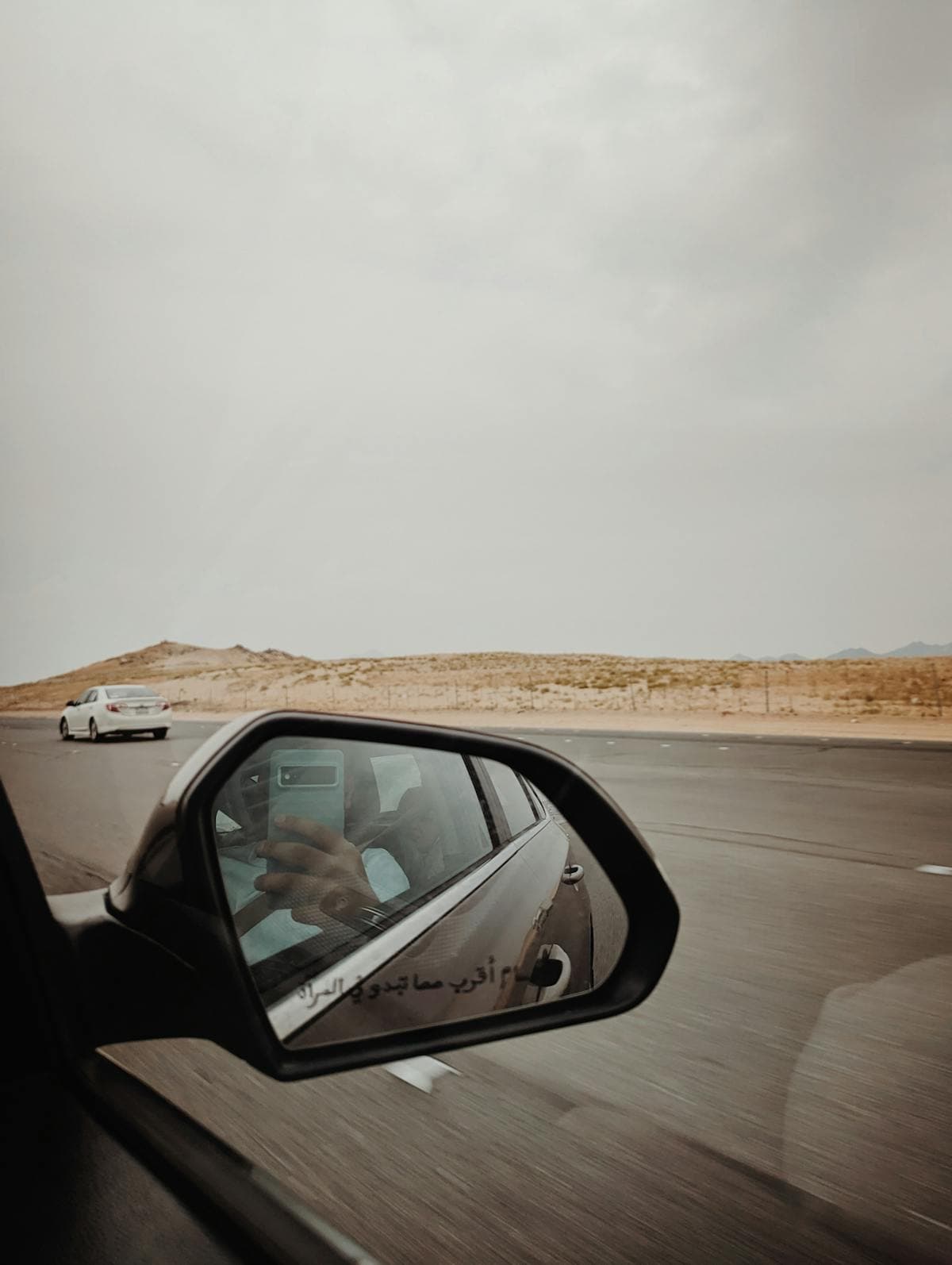
Car rental (100-150 SAR per day for a basic sedan, fuel ~2.3 SAR/liter) The most flexible option, especially for attractions outside the city like Edge of the World. Major rental companies (Budget, Hertz, Sixt) operate at the airport and throughout the city. You can drive on a valid international driving permit or a license from most Western countries for up to 90 days.
Riyadh Metro (4-7 SAR per trip) A massive project with six lines spanning 109 miles (176 km). Lines have been opening gradually. When fully operational, it will connect the airport, major business districts, Diriyah, and university campuses. Coverage is still partial.
SAPTCO buses (4 SAR per trip) Some routes operate across the city, but they are slow and infrequent. Most residents and visitors do not use them.
Walking (Free) Possible in specific areas like Diriyah Gate, Boulevard Riyadh City, and parts of the Diplomatic Quarter. Not realistic between neighborhoods due to distances and heat (104°F+ / 40°C+ from May to September).
The driving style is different from what Europeans or Americans are used to. Lane discipline is loose, cars merge aggressively, speed limits are often treated as suggestions, and last-second lane changes are normal. Indicators are used sparingly. Stay alert and give yourself extra space. The roads themselves are excellent, well-lit, and well-signposted in both Arabic and English. Most visitors adapt after a day or two.
King Khalid International Airport (RUH) is located about 22 miles (35 km) north of the city center. A ride-hailing trip to downtown costs 60-90 SAR and takes 30-50 minutes depending on traffic. The airport is served by Saudi Airlines (Saudia), flynas, flyadeal, and major international carriers.
Useful apps: Careem, Uber, Google Maps, Waze, Almosafer. Google Maps works well in Riyadh and shows live traffic. Waze is popular for avoiding speed cameras and congestion.
Riyadh is a great base for exploring the surrounding region. The dramatic desert landscapes of central Saudi Arabia offer some of the most spectacular natural scenery in the Kingdom, all reachable within a few hours' drive.
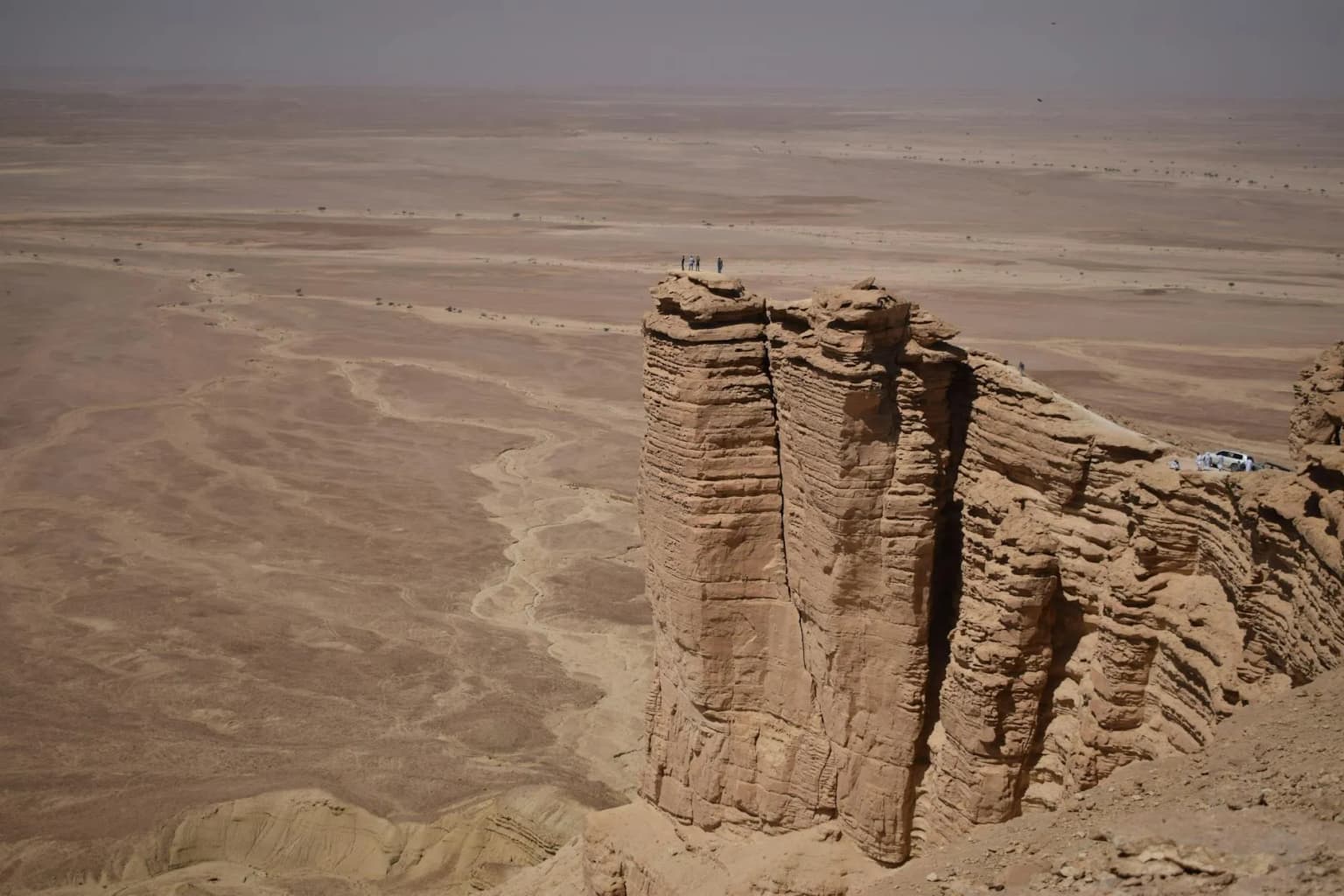
Dramatic 984-foot (300-meter) cliffs marking the edge of the Tuwaiq Escarpment with panoramic views over the endless desert plain. Best visited at sunset with a 4x4 vehicle. Bring water and snacks - there are no facilities.
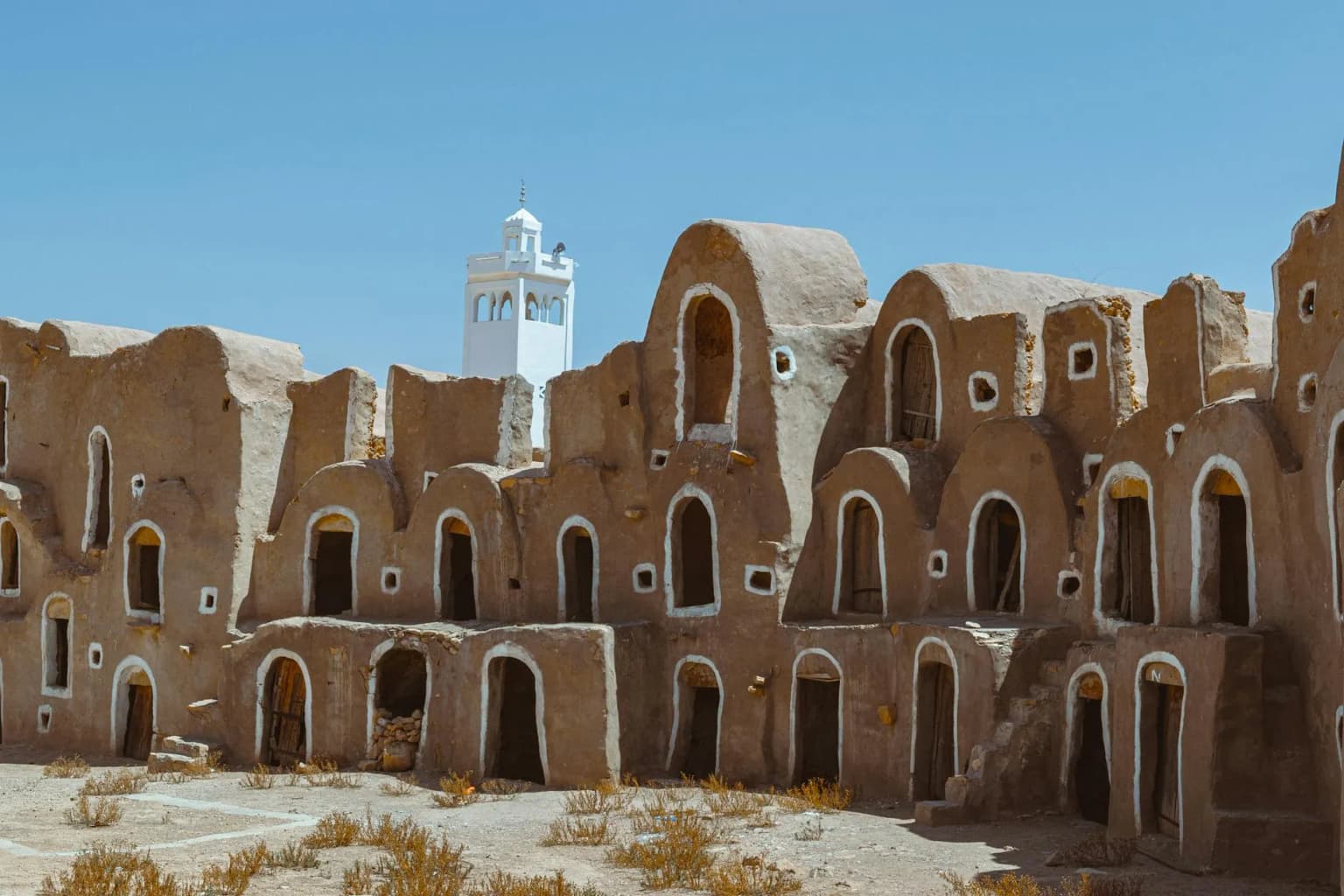
The birthplace of the first Saudi state, just 20 minutes from central Riyadh. The restored At-Turaif mud-brick district showcases traditional Najdi architecture. Bujairi Terrace has the best dining in the city.
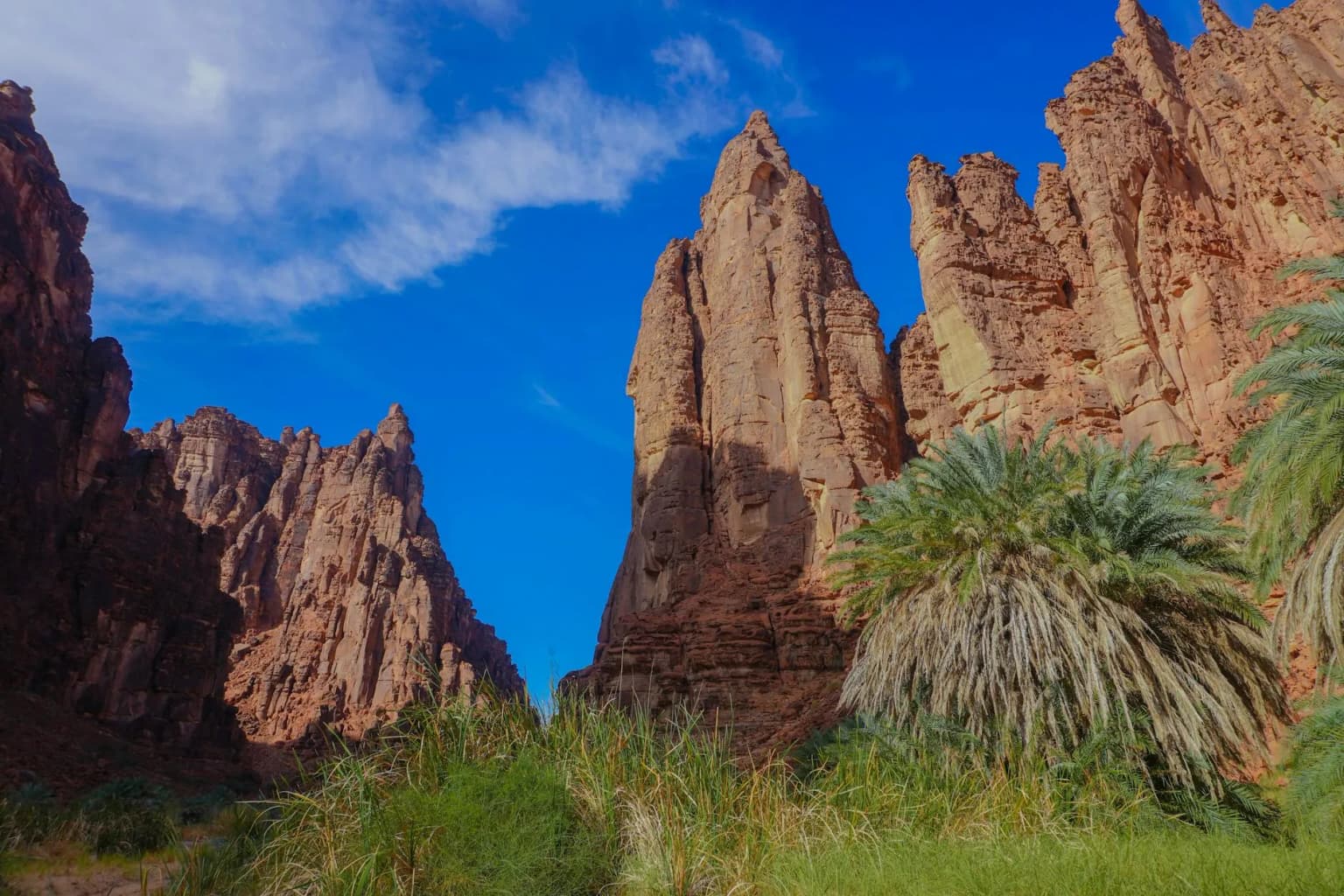
A 75-mile (120-km) valley running through Riyadh transformed into a stunning urban park. Popular for walking, cycling, and picnicking along the restored waterway. Free to visit.
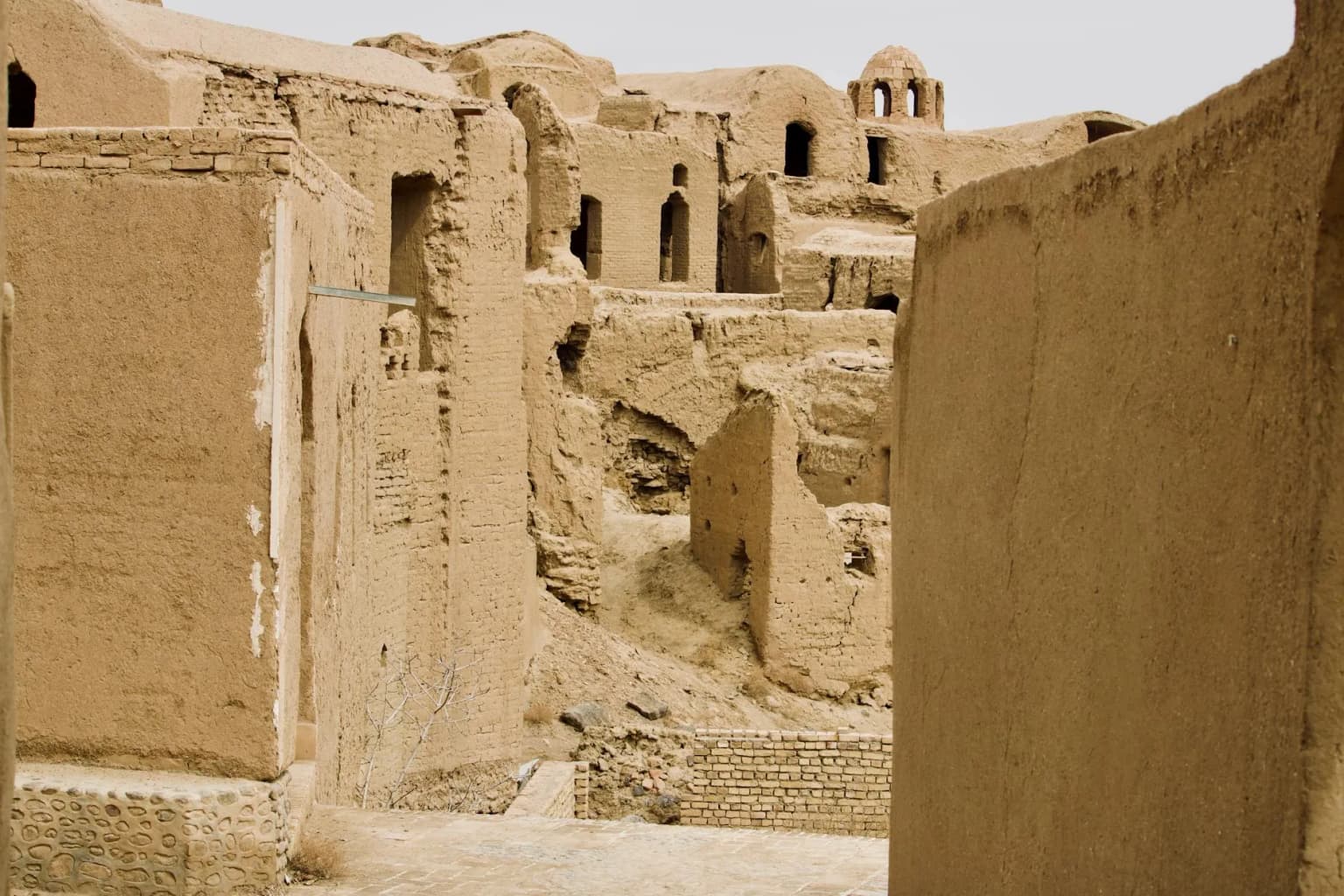
A beautifully preserved 1,500-year-old village with mud-brick houses, narrow alleyways, and traditional Najdi architecture. Largely deserted but partially restored as a living museum. Entry is free.
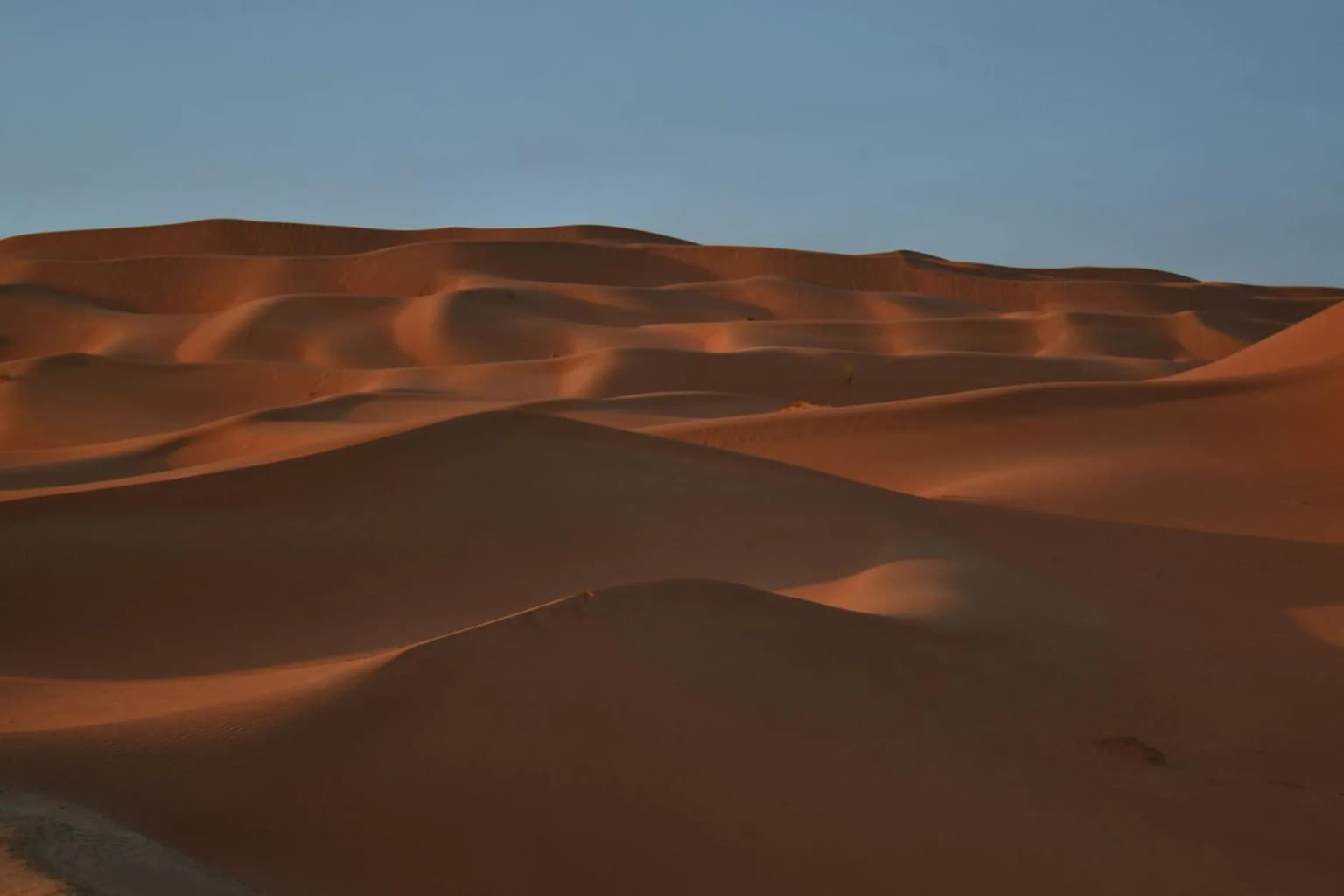
Striking red sand dunes popular for dune bashing, quad biking, sandboarding, and desert camping. Many tour operators offer sunset trips with traditional Bedouin-style dinner.
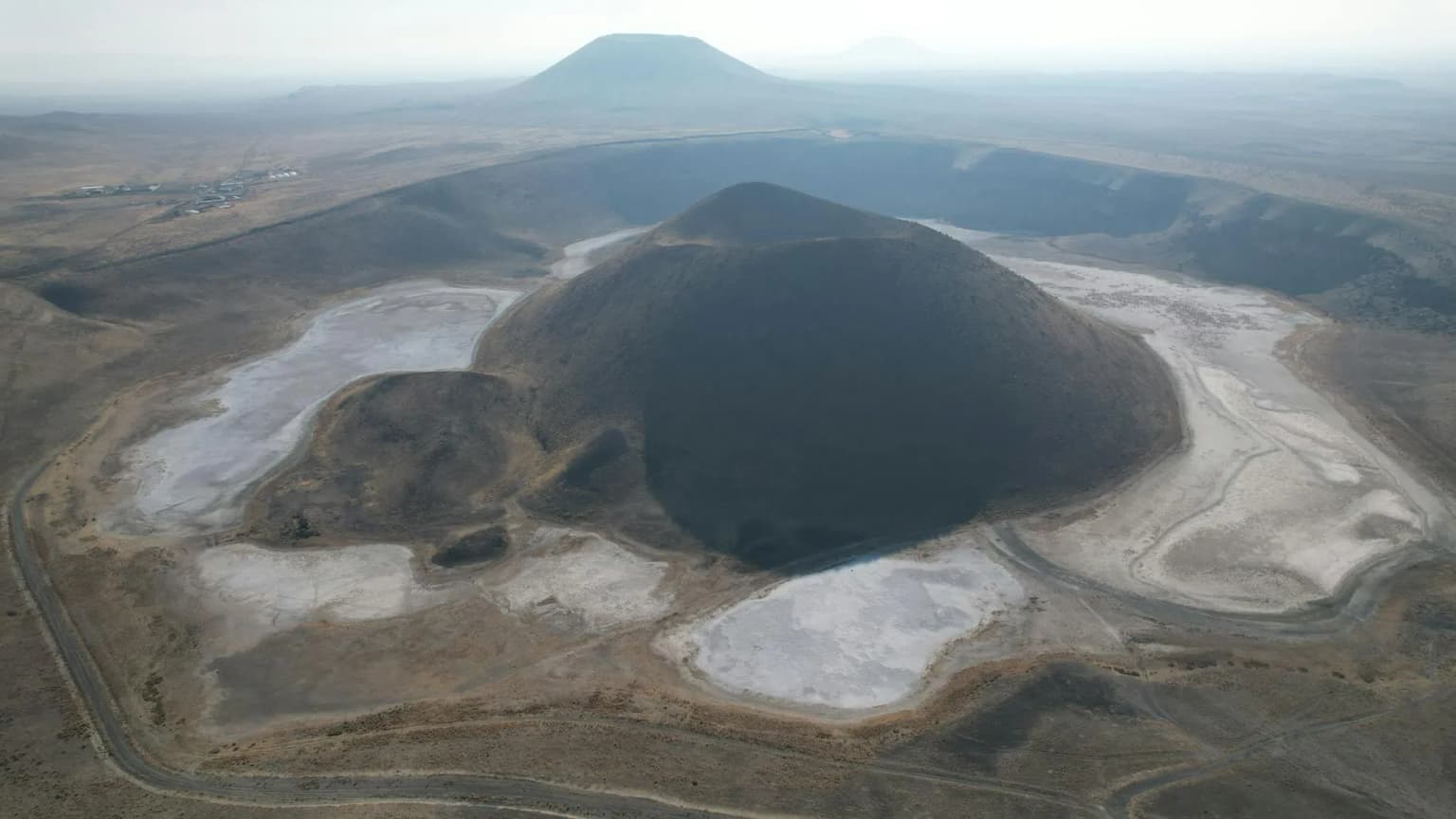
A massive volcanic crater featuring a white salt flat at its bottom. The 2-km wide crater is reachable via a steep trail. Best as a full-day trip. Bring plenty of water.
Diriyah's At-Turaif area can be explored from the outside for free, and the surrounding Wadi Hanifah valley provides beautiful walking and cycling paths through a restored natural environment.
The Masmak Fortress museum is free to enter and offers an excellent introduction to Saudi history.
King Abdullah Park and Salam Park are beautiful green spaces with lakes and walking paths.
During Riyadh Season (typically October-March), many outdoor events and performances are free.
Drive 90 minutes to the Edge of the World cliffs - one of the most spectacular free viewpoints in the Middle East.
The name Riyadh means "gardens" in Arabic, referring to the fertile oasis that originally attracted settlers here thousands of years ago. Wadi Hanifah, once a polluted drainage channel, has been restored into a 75-mile (120-km) green corridor with parks and wildlife.
In the early 1900s, Riyadh was a walled town of about 7,000 people. Today it is home to over 7.7 million, making it one of the fastest-growing cities in human history.
The turning point came in 1902, when King Abdulaziz captured Masmak Fortress in a daring raid with only 40 men. You can still see the spearhead embedded in the fortress door.
Saudi Arabia's first public cinema opened here in 2018 after a 35-year ban. Now the city has dozens of cinemas including IMAX and 4DX screens.
Riyadh Season attracted over 15 million visitors in its 2023 edition, making it one of the largest entertainment events in the world.
The New Murabba development will house "The Mukaab," a cube-shaped building 1,312 feet (400 m) on each side - the largest building in the world by volume.
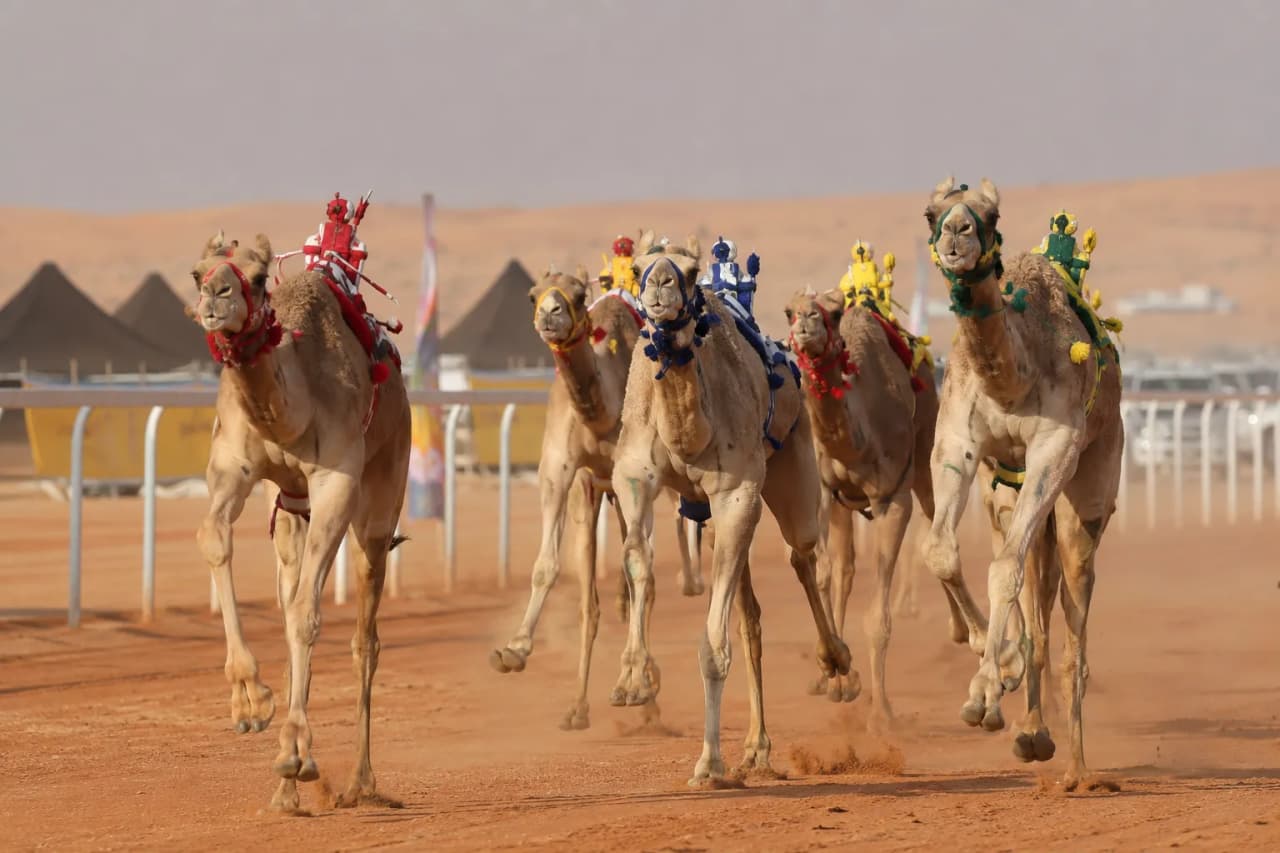
The King Abdulaziz Camel Festival features beauty contests, races with robot jockeys, and prizes worth millions of riyals. Camels have been disqualified for Botox injections.
Diriyah was the capital of the First Saudi State founded in 1727, making it older than the United States.
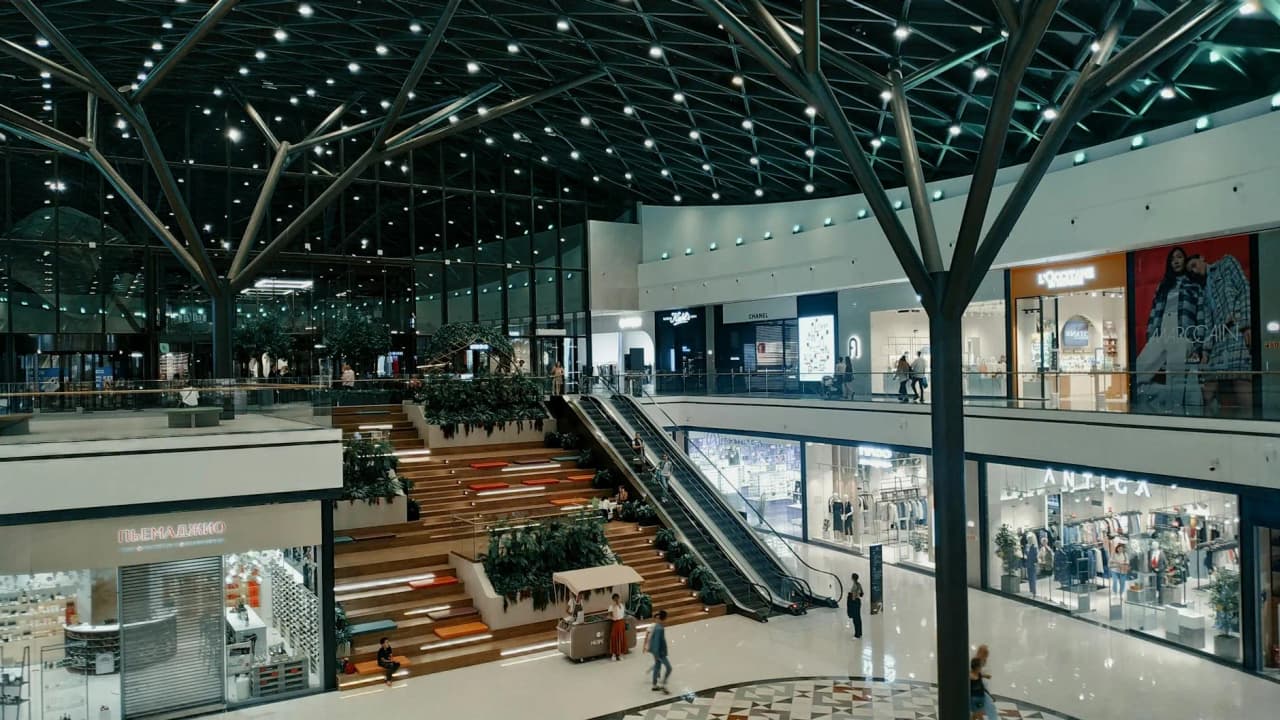
Summer temperatures regularly exceed 113°F (45°C), yet daily life functions normally - it simply shifts indoors during the hottest hours, with malls open until midnight.
Saudi Arabia's first public cinema opened in Riyadh in 2018 after a 35-year ban on movie theaters. Now the city has dozens of cinemas including IMAX and 4DX screens. Riyadh Season, the annual entertainment festival running from October to March, attracted over 15 million visitors in its 2023 edition, making it one of the largest entertainment events in the world.
The construction projects are equally ambitious. The New Murabba development will house "The Mukaab," a cube-shaped building 400 meters on each side. When completed, it will be the largest building in the world by volume. The Riyadh Metro, with six lines spanning 176 kilometers and 85 stations, is one of the biggest metro projects ever undertaken.
Riyadh's souqs and malls offer plenty of authentic Saudi souvenirs. The best picks include: Traditional items include oud (agarwood incense), bakhoor (scented woodchips), Arabian perfumes (attar), and decorative Arabic calligraphy. The Dira Souq near Masmak Fortress is great for traditional goods., Premium Saudi dates (especially Sukkari and Khudri varieties), Arabic coffee (qahwa) with cardamom, saffron, and Saudi honey make excellent food gifts., Gold jewelry from the gold souqs offers good value. Traditional daggers (janbiya), prayer beads, and handwoven textiles are classic Saudi keepsakes.. The Dira Souq near Masmak Fortress is the most atmospheric place to shop for traditional items, while modern malls carry contemporary Saudi brands and designer abayas.
Saudi Arabian culture emphasizes hospitality, respect, and traditional values. Greet people with "As-salamu alaykum" (Peace be upon you) and accept the response "Wa alaykum as-salam." When offered Arabic coffee (qahwa) and dates, it is customary to accept at least one cup. Shake the cup gently when you have had enough.
Riyadh has a welcoming atmosphere that balances traditional Saudi values with modern openness to visitors. The city offers a range of cultural experiences from traditional souqs to modern entertainment venues.
Riyadh is the cultural heartbeat of Najdi traditions, known for its deep-rooted Arabian hospitality, traditional souqs like Souq Al Zal, and Ardah sword dances. The city is experiencing a cultural renaissance with the opening of concert venues, cinemas, international exhibitions, and the annual Riyadh Season entertainment festival that attracts millions of visitors.
Dress modestly in public, especially when visiting mosques and traditional areas. Women are no longer required to wear an abaya but should dress conservatively. During Ramadan, eating, drinking, and smoking in public during daylight hours should be avoided out of respect. Friday is the main day of worship, and many businesses close during Friday prayer.
Staying connected in Riyadh is easy. Saudi Arabia has excellent 4G and 5G coverage throughout the Kingdom. Free WiFi is available in most hotels, malls, and many restaurants. For mobile data, consider getting a local SIM card from STC, Mobily, or Zain at the airport or any mobile shop - prepaid plans with generous data allowances are affordable. Alternatively, use an eSIM from providers like Airalo or Holafly for seamless connectivity.
The official language is Arabic, but English is widely spoken in hotels, restaurants, malls, and tourist areas. Most signage is in both Arabic and English. Useful Arabic phrases: "Shukran" (Thank you), "Min fadlak" (Please), "La" (No), "Na'am" (Yes). Google Translate works well for Arabic. For emergencies, dial 911 for police, 997 for fire, 998 for ambulance, or 999 for traffic police.
Many visitors fall in love with Riyadh and decide to make it their home. If you are considering the move, here are the essential resources.
Cost of living, neighborhoods, job market, and expat community guide for Riyadh.
Step-by-step guide to renting in Saudi Arabia - where to search, what to expect, and how to avoid scams.
Compare Saudi banks, required documents, and how to open an account as a foreigner.
With its rich heritage, stunning landscapes, and warm hospitality, Riyadh offers an unforgettable Saudi experience.
Discover more amazing destinations across Saudi Arabia. Each city offers unique experiences, rich heritage, and unforgettable attractions.
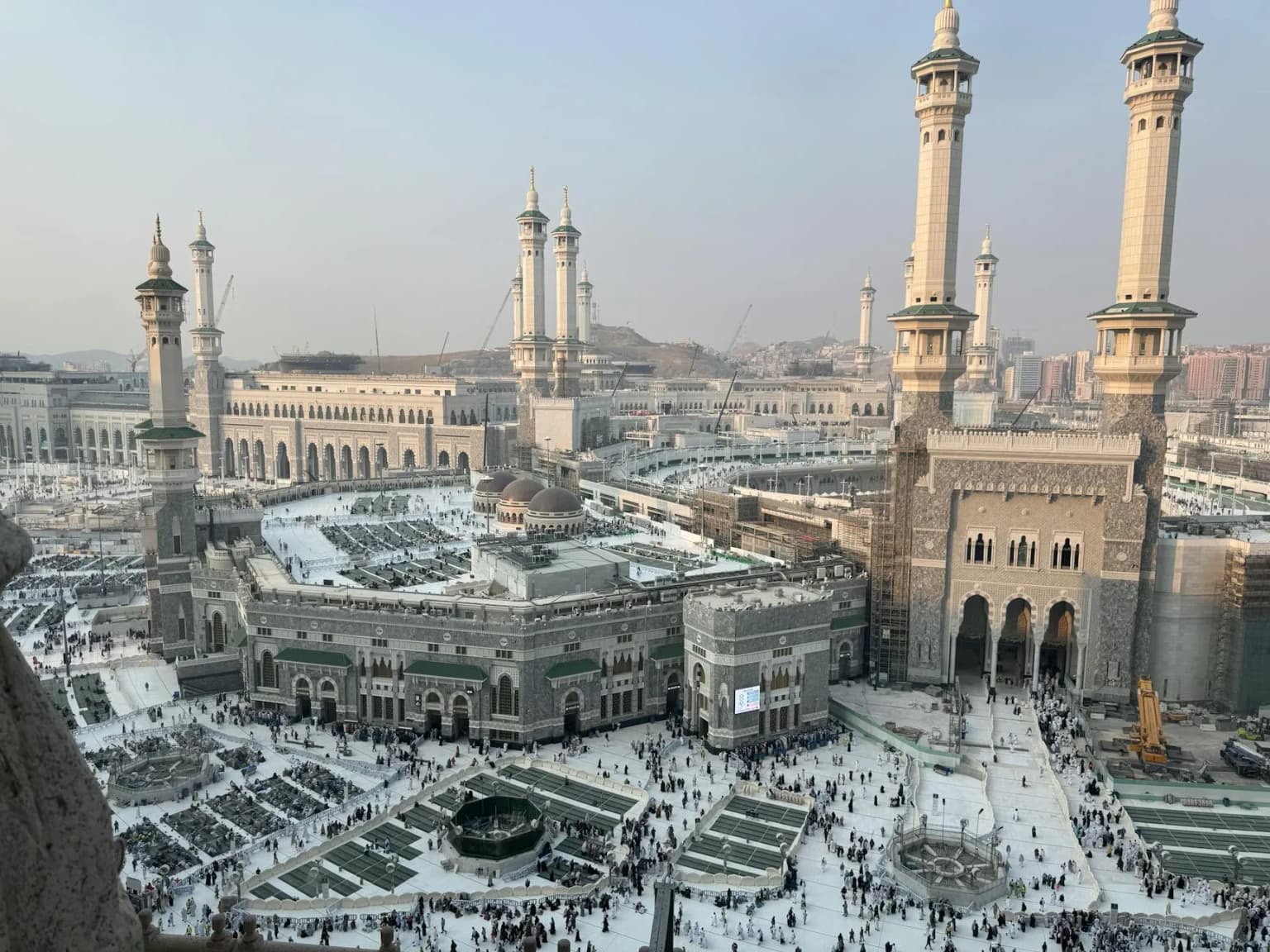
Masjid al-Haram (Grand Mosque) · The Kaaba · Abraj Al-Bait (Makkah Royal Clock Tower)
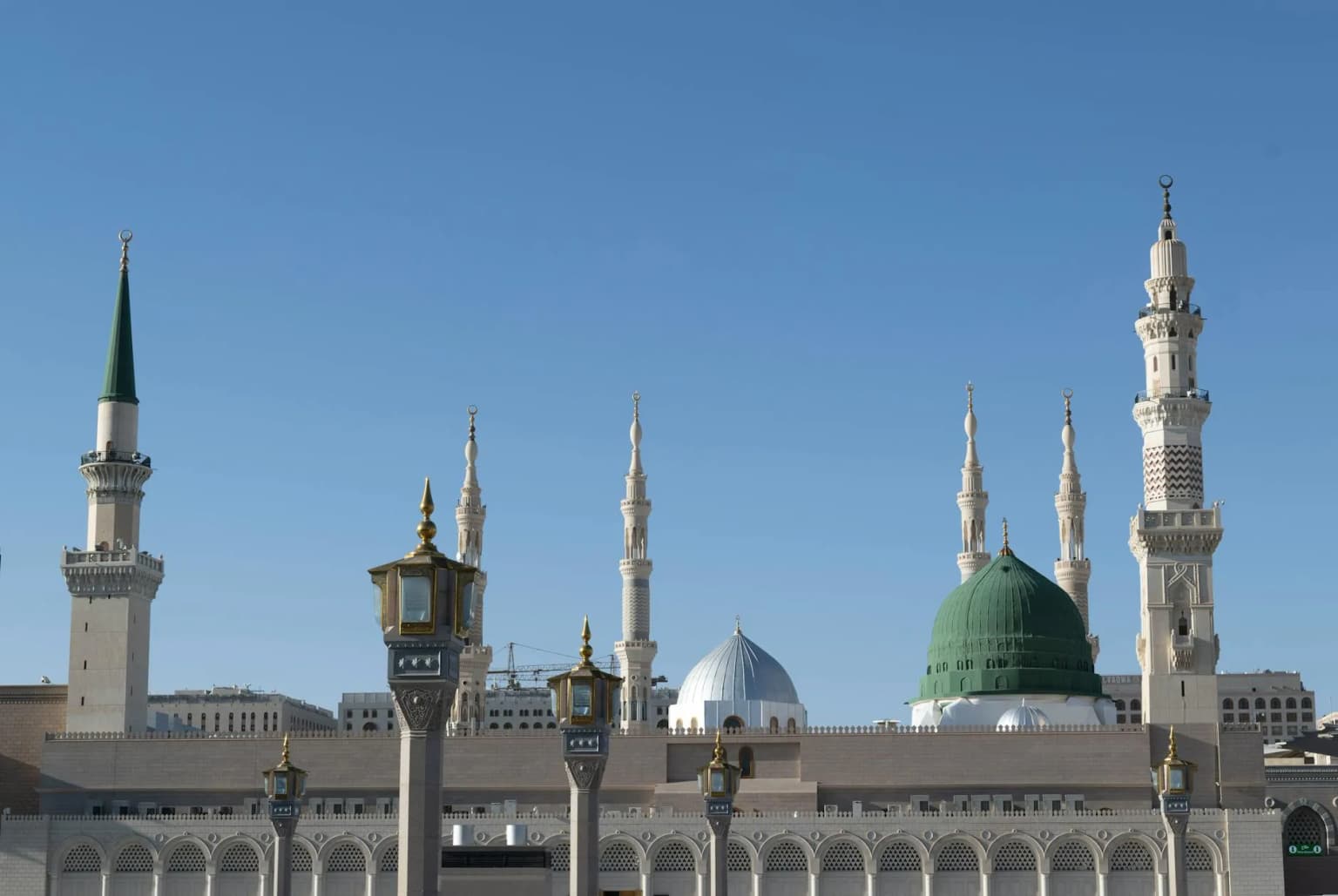
Al-Masjid an-Nabawi (Prophet's Mosque) · Quba Mosque · Mount Uhud
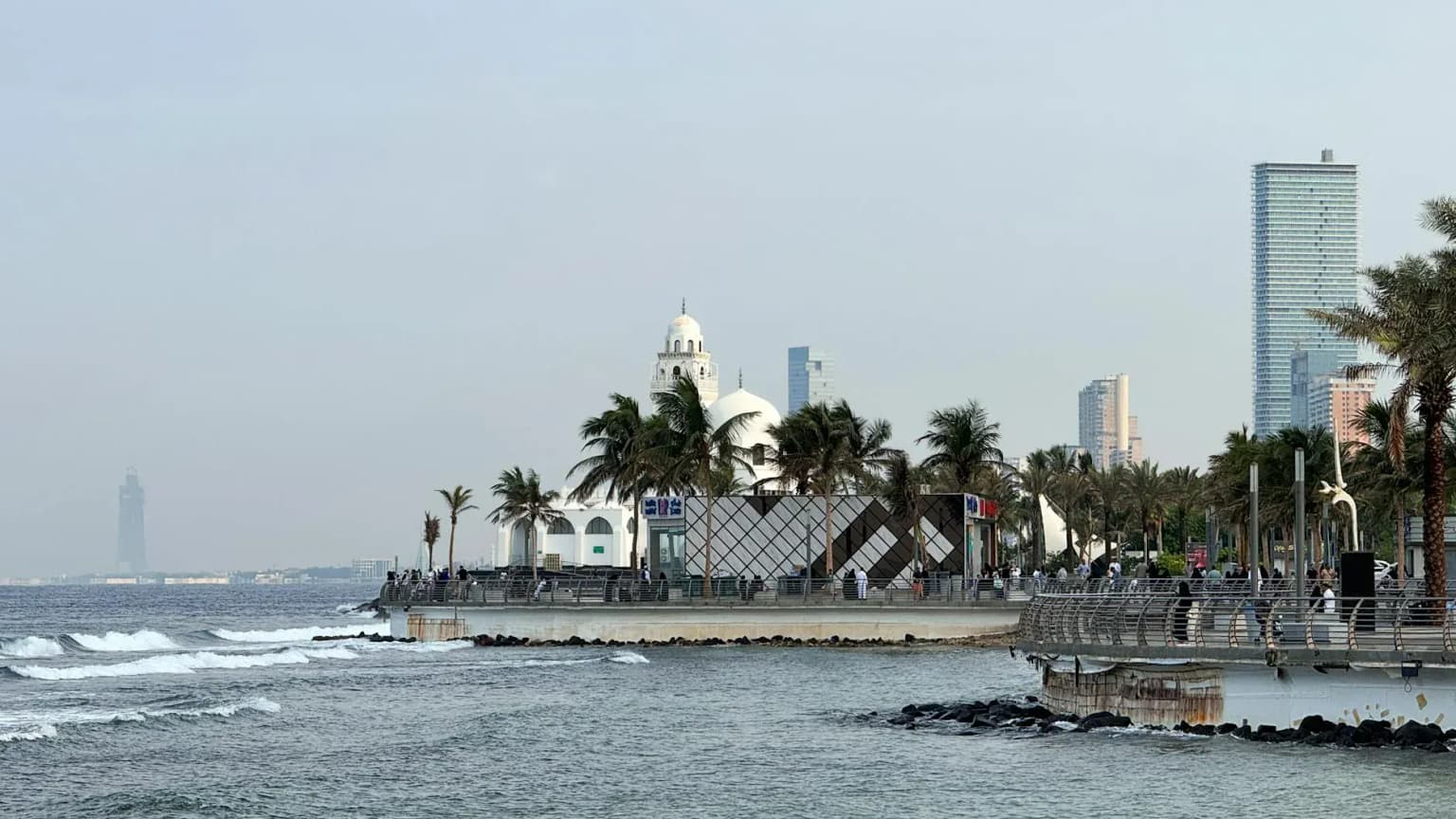
Al-Balad Historic District · King Fahd Fountain · Jeddah Corniche
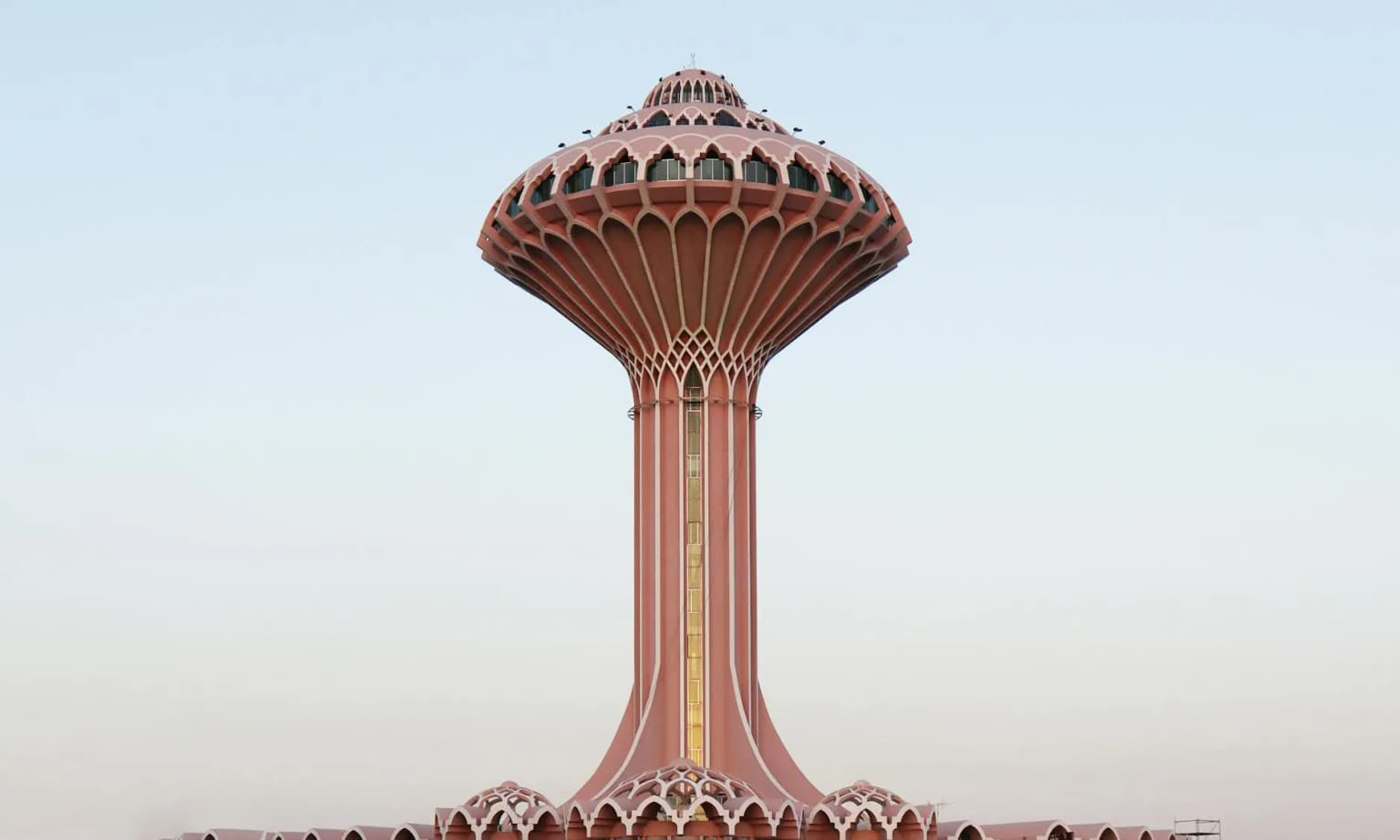
Dammam Corniche · King Abdulaziz Center for World Culture (Ithra) · Half Moon Bay
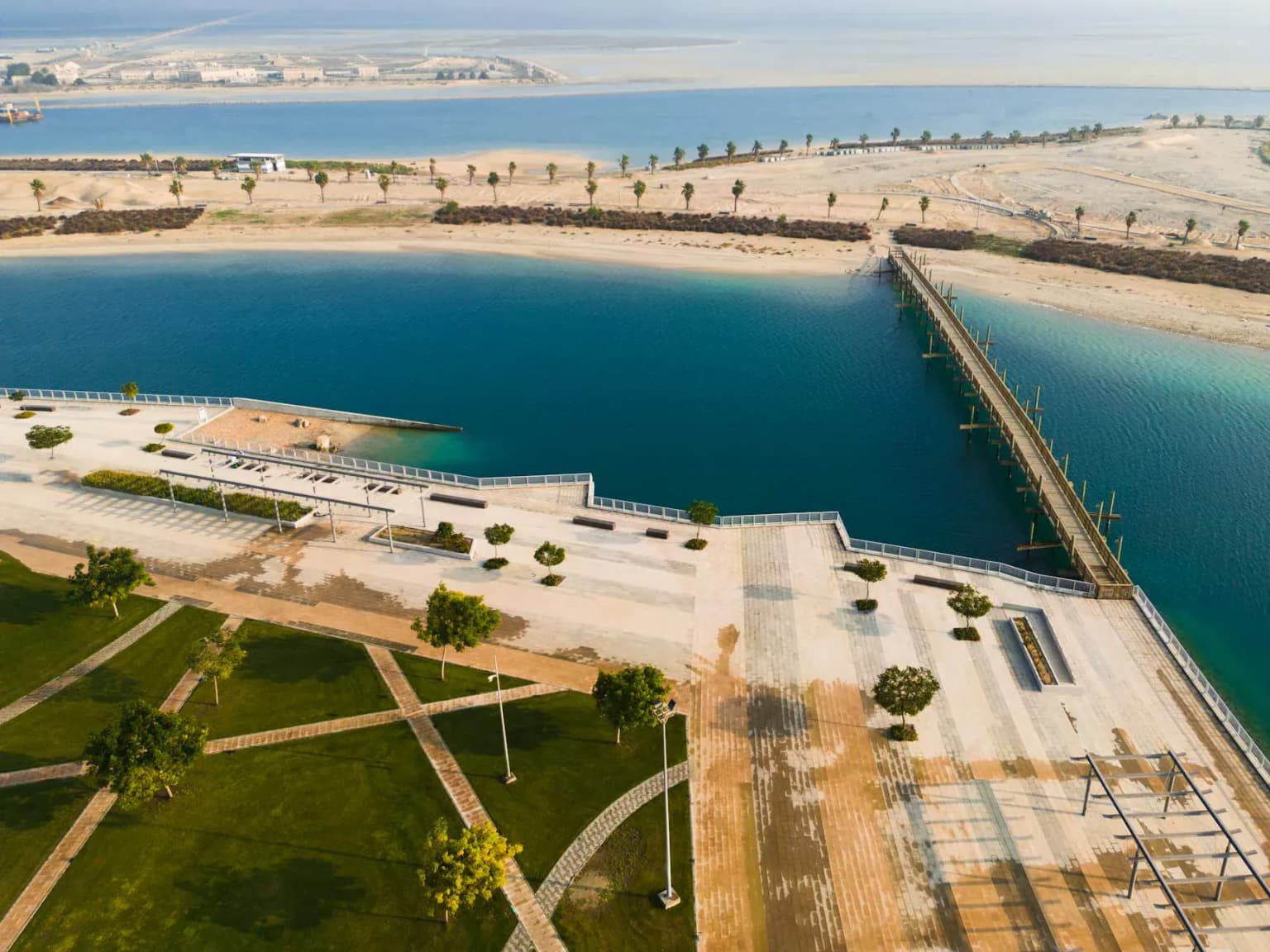
Khobar Corniche · King Fahd Causeway · Sunset Beach
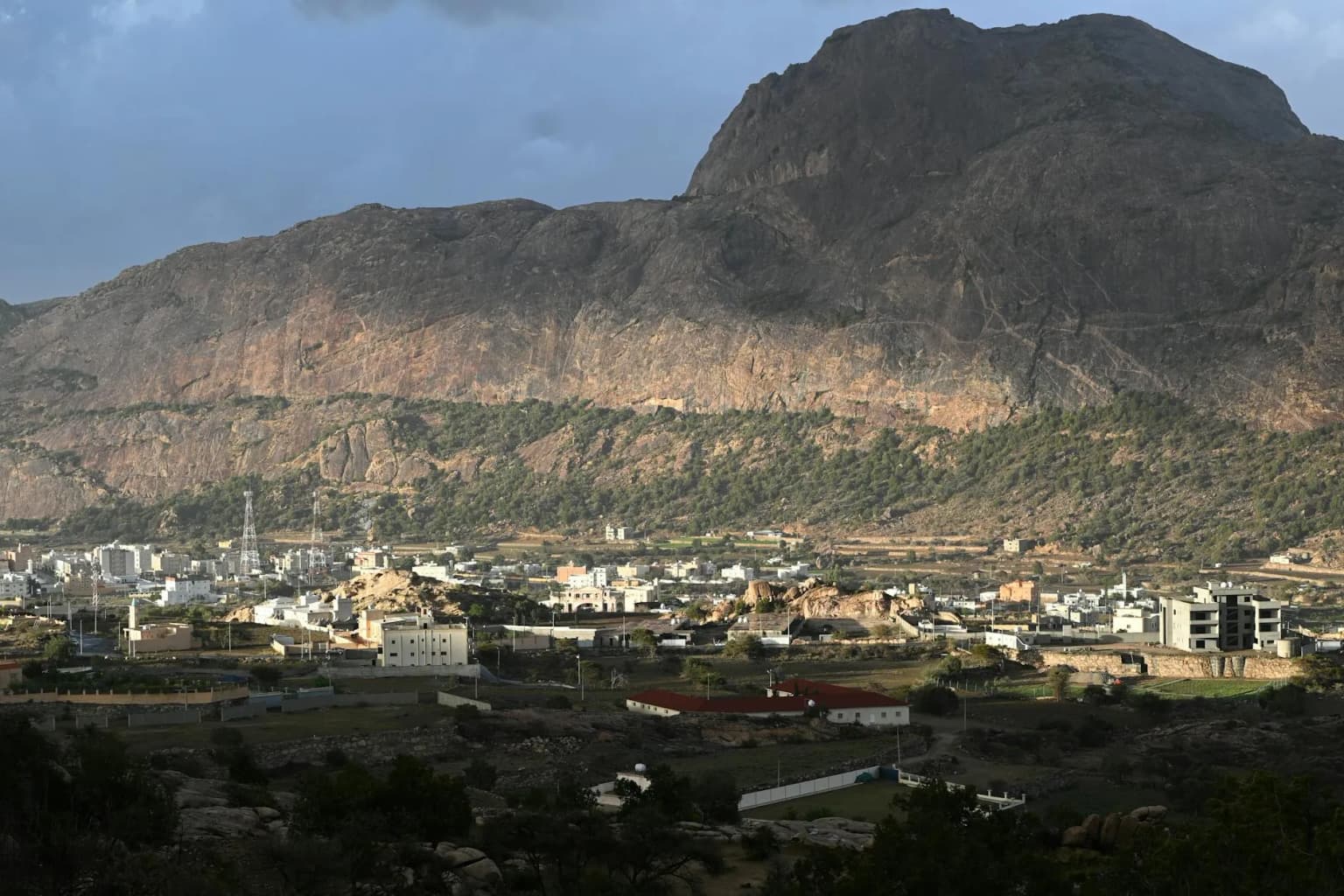
Asir National Park · Green Mountain (Jabal Akhdar) · Habala Village
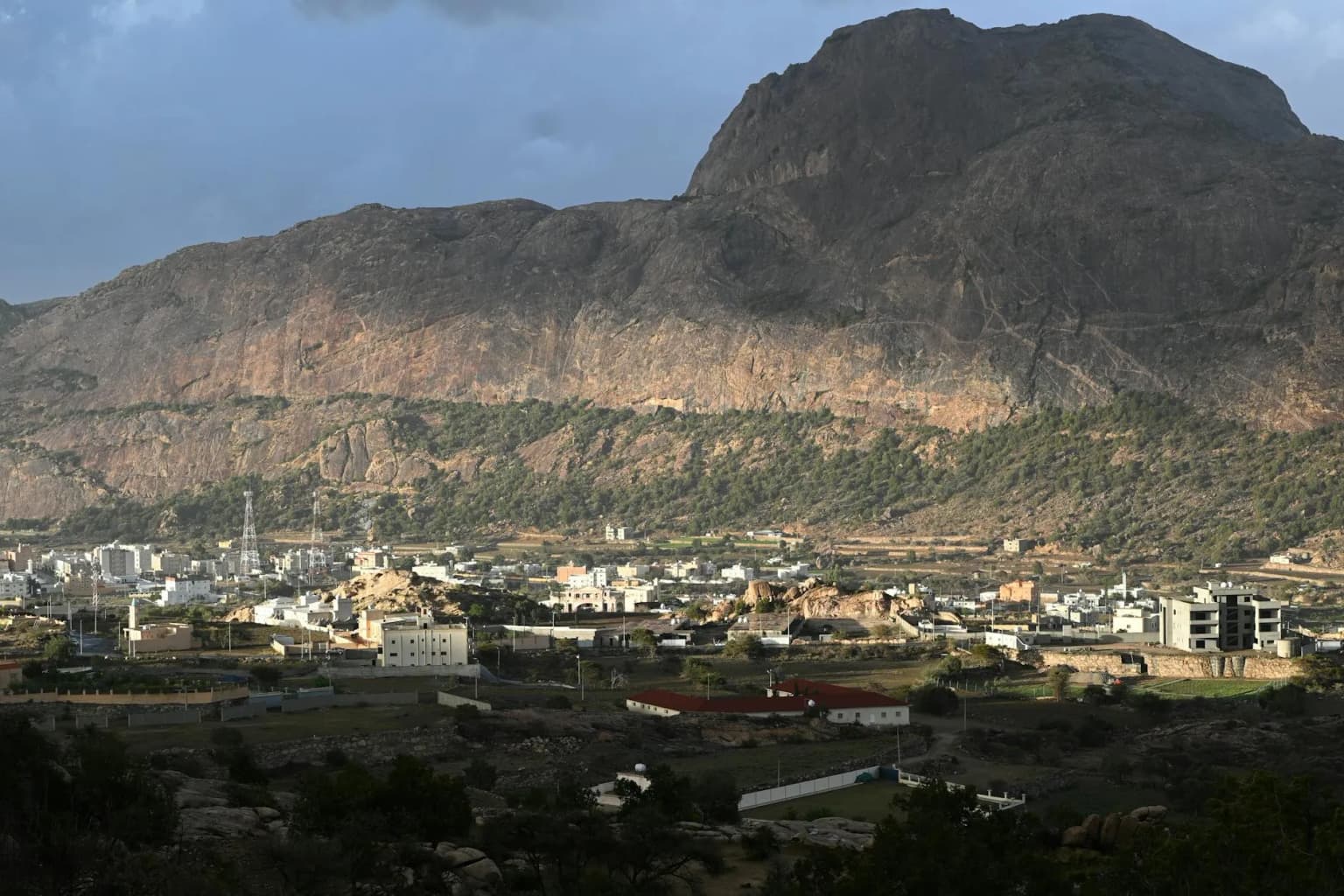
Taif Rose Farms · Al Shafa Mountain · Al Hada Mountains
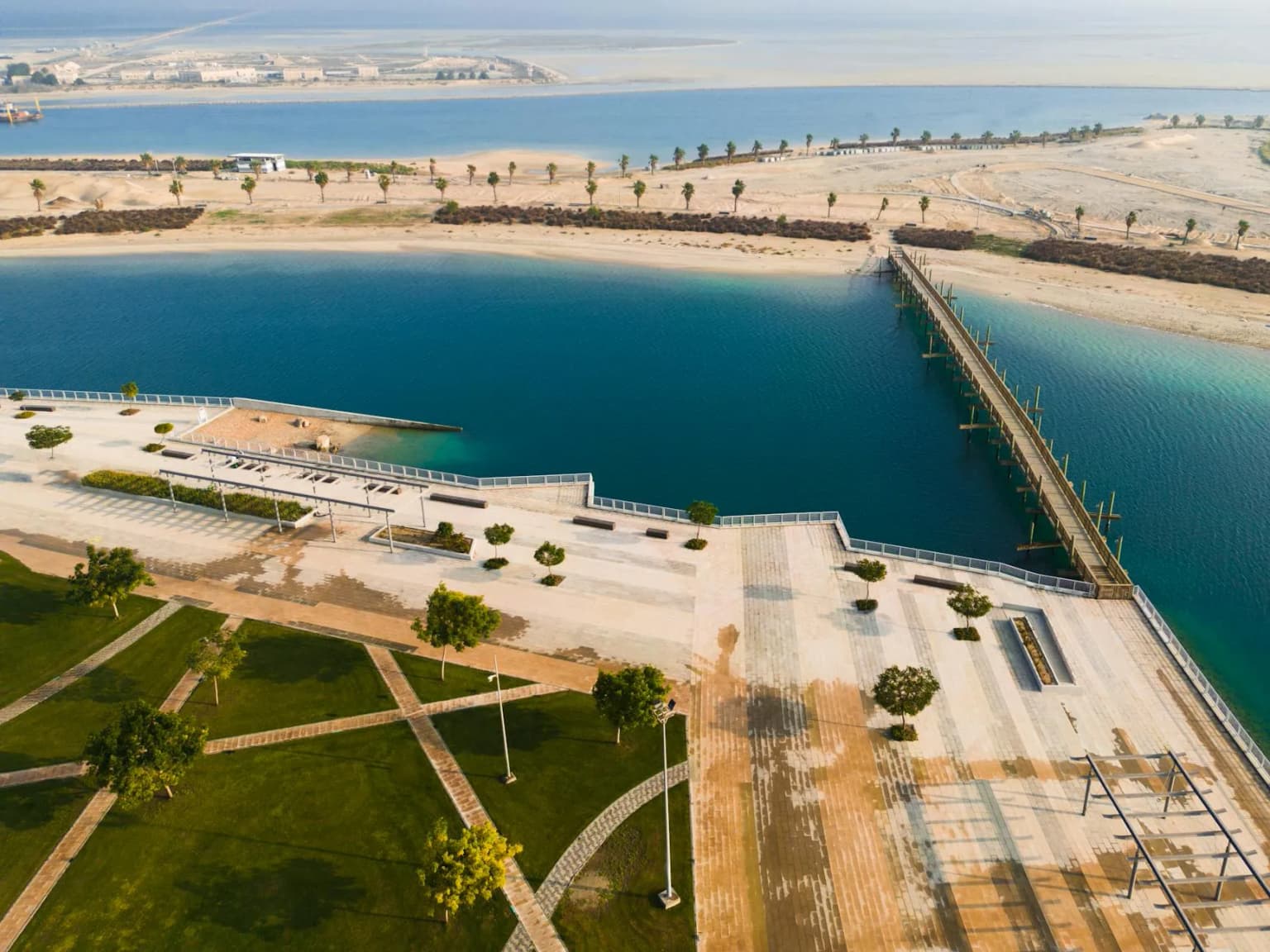
Fanateer Beach · Jubail Mangrove Park · Royal Commission Parks