Loading...
Join our Facebook Group: Join: Expats in Saudi Arabia
Loading...
Saudi Arabia is a big country. Really big. The distance from Riyadh to Jeddah alone is around 950 kilometers, roughly the same as driving from London to Edinburgh and back. Getting around efficiently requires some planning, and the best option depends entirely on where you are going and how much time you have. Here is everything you need to know about traveling within the Kingdom.
Saudi Arabia is fundamentally a car country. Unlike Europe or East Asia where trains and public transit form the backbone of daily travel, the Kingdom was built around the automobile. Wide multi-lane highways connect cities across vast desert landscapes, and most residents own at least one car. If you are coming from a country with extensive public transit, this will be the biggest adjustment.
That said, things are changing fast. The Haramain High-Speed Railway now connects Mecca to Medina via Jeddah and King Abdullah Economic City. Riyadh is building a massive metro system. Domestic flights are cheap and frequent. And ride-hailing apps like Uber and Careem have made it possible to live in major cities without owning a car at all.
For intercity travel, you essentially have three realistic options: fly, drive, or take a bus. For shorter distances (under 400 km), driving is usually the most practical choice. For longer distances like Riyadh to Jeddah (950 km) or Riyadh to the Eastern Province (400 km), flying saves enormous amounts of time. Buses exist and work fine, but they are mostly used by budget-conscious travelers and workers sending money home rather than as a primary mode of transport for expats.
Within cities, Uber and Careem dominate. Public buses exist in Riyadh, Jeddah, and other cities but they are not widely used by expats. Walking is limited by the heat for most of the year, and cycling infrastructure is almost nonexistent outside of dedicated recreational paths. The practical reality is: you will either drive or use ride-hailing apps.
Flying within Saudi Arabia is surprisingly affordable and by far the fastest way to cover the Kingdom's vast distances. A one-way ticket from Riyadh to Jeddah typically costs between 200 and 500 SAR (roughly $55-$135), and the flight takes just under two hours compared to 10+ hours of driving. During off-peak periods and sales, you can sometimes find fares as low as 150 SAR.
Three airlines dominate the domestic market. Saudia (formerly Saudi Arabian Airlines) is the national carrier with the largest network, flying to over 25 domestic destinations. They offer full service with decent legroom and meals on longer routes. flynas is the Kingdom's first low-cost carrier and often has the cheapest fares, especially if you book well in advance. Their network covers all major cities and several secondary ones. flyadeal is Saudia's budget subsidiary, operating a growing fleet of new Airbus A320neo aircraft with competitive pricing.
Booking is straightforward through the airlines' own apps and websites, or through aggregators like Almosafer (the Saudi equivalent of Booking.com, also handling flights). One tip: prices spike dramatically during Hajj season (the month of Dhul Hijjah), Umrah season, Ramadan, and Saudi national holidays. If your travel dates are flexible, flying midweek and outside these peak periods can save you 50% or more.
The main airports you will use are King Khalid International Airport (RUH) in Riyadh, King Abdulaziz International Airport (JED) in Jeddah, and King Fahd International Airport (DMM) in Dammam. All three have modern terminals, and RUH and JED have undergone major expansions in recent years. Smaller cities like Abha, Tabuk, Hail, and Jizan have regional airports with regular service.
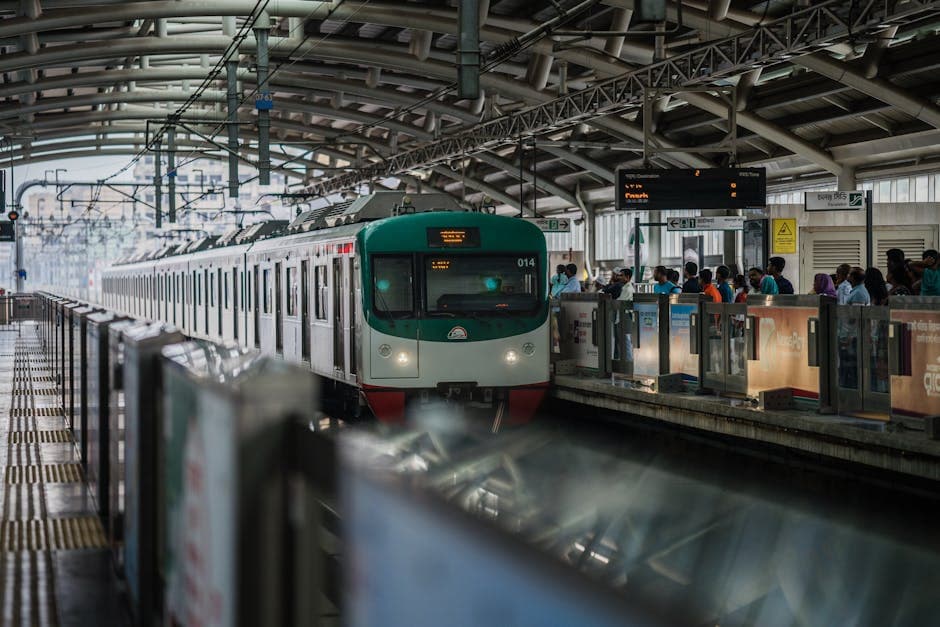
The Haramain High-Speed Railway (HHR) is one of Saudi Arabia's most impressive infrastructure achievements. Running at speeds up to 300 km/h, it connects the holy cities of Mecca and Medina with stops at Jeddah (including the airport) and King Abdullah Economic City (KAEC). The full journey from Mecca to Medina takes about two and a half hours, compared to five or more hours by car.
Tickets range from around 150 SAR for economy class to 300+ SAR for business class on the Mecca-Medina route. Shorter segments like Jeddah to Mecca cost around 50-75 SAR. The trains are modern, air-conditioned, and comfortable, manufactured by the Spanish company Talgo. There are prayer areas on board, and the stations themselves are architecturally striking, designed to handle the massive passenger flows during Hajj and Umrah seasons.
For anyone living in the western region, the Haramain train is genuinely useful for daily or weekly commuting between Jeddah and Mecca, and it is the most comfortable way to travel between the two holy cities. Tickets can be booked through the SAR (Saudi Arabia Railways) website or app, and it is worth booking in advance during Ramadan and Hajj when trains fill up quickly.
Saudi Arabia has ambitious plans to expand its rail network significantly. The North-South Railway already connects Riyadh to the northern cities of Hail, Qassim (Buraidah), and Al Jouf, primarily for freight but with passenger services. A planned Riyadh-Jeddah high-speed line and a connection to the Eastern Province could eventually transform intercity travel in the Kingdom, though timelines for these projects remain fluid.
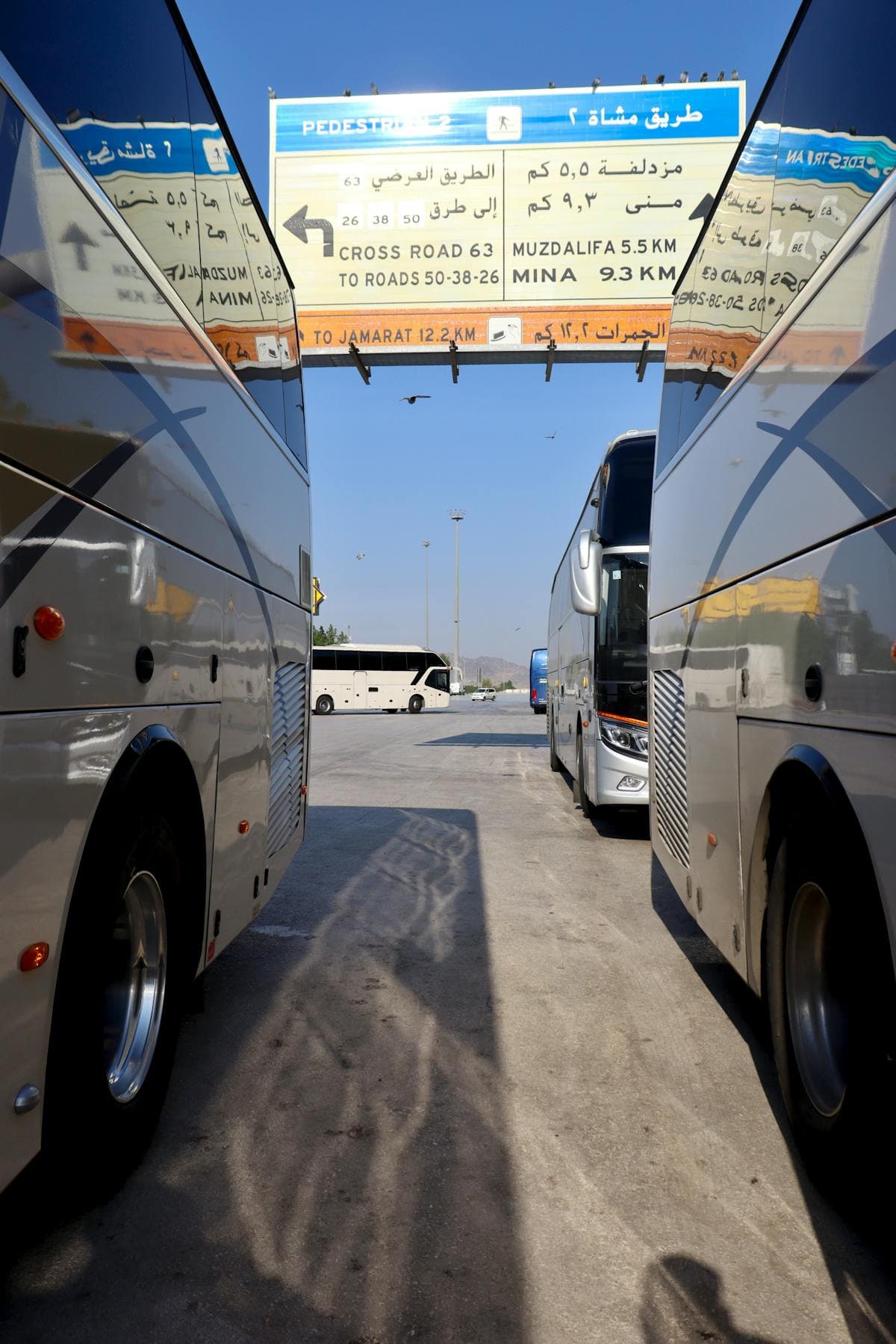
SAPTCO (Saudi Public Transport Company) operates the Kingdom's intercity bus network, connecting major cities and towns across the country. Buses are the most budget-friendly option for long-distance travel. A ticket from Riyadh to Jeddah costs around 150-200 SAR, roughly half the price of a flight, though the journey takes 10-12 hours.
The buses themselves are air-conditioned coaches, and VIP services offer wider seats and more legroom for a modest premium. Routes run frequently between major cities, with multiple daily departures on popular corridors like Riyadh-Dammam, Riyadh-Jeddah, and Jeddah-Medina. Smaller cities and towns also have service, though departures may be less frequent.
In practice, most expats only use SAPTCO for shorter intercity routes where the time difference compared to flying is not dramatic. The Riyadh to Dammam/Khobar route (about 4-5 hours) and Jeddah to Medina (about 4 hours) are examples where the bus is a reasonable alternative. For the very long routes, most people choose to fly.
SAPTCO also operates local bus networks within cities, but these are a separate service from the intercity coaches. You can book intercity tickets through the SAPTCO website or app, and tickets are also available at bus stations. During Hajj and Umrah seasons, special shuttle services operate between the holy sites.
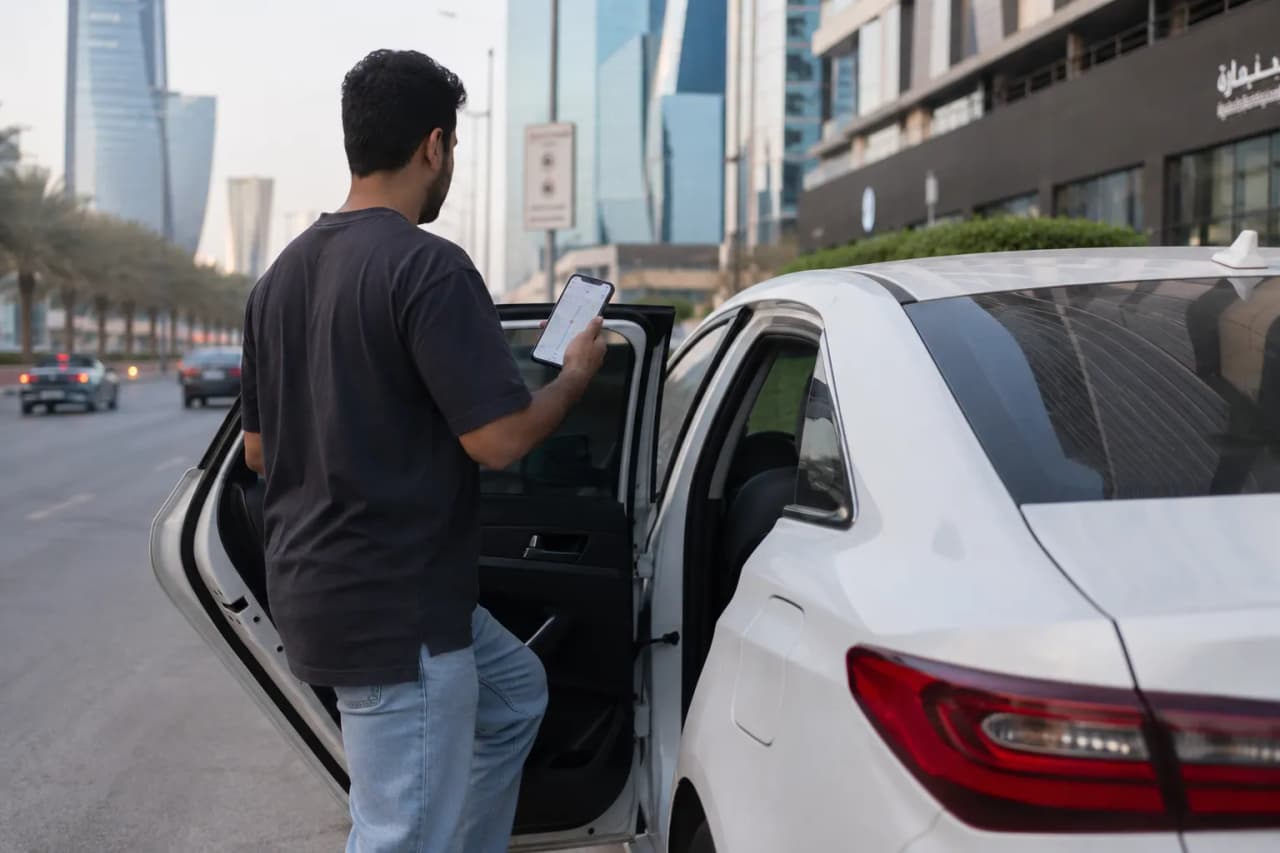
If there is one app you absolutely need in Saudi Arabia, it is Uber or Careem (ideally both). These ride-hailing platforms have fundamentally changed urban transportation in the Kingdom, and for many expats, they replace the need to own a car entirely.
Careem was actually founded in the Middle East (Dubai, 2012) and was later acquired by Uber. It remains extremely popular in Saudi Arabia and in some cities has better coverage than Uber. The app works well, drivers know their way around, and you can pay by card or cash. Careem also offers a subscription called Careem Plus that gives you discounts on rides and food delivery.
Uber operates in all major Saudi cities including Riyadh, Jeddah, Mecca, Medina, Dammam, and Khobar. Standard UberX rides are affordable by Western standards. A 20-minute ride across Riyadh typically costs 25-40 SAR ($7-$11). Uber also offers Uber Comfort and Uber Black for nicer vehicles at higher prices.
A few things to know: surge pricing is real and can be brutal during peak hours, especially Thursday evenings (the start of the Saudi weekend), Friday prayers, and during major events like Riyadh Season. Rides between cities are possible but expensive and not always worth it compared to flying. Some drivers speak limited English, so having your destination pinned on the map rather than trying to explain it verbally saves a lot of frustration. Both apps allow you to set your destination in the map before requesting a ride.
Women can drive in Saudi Arabia (since 2018), and both Uber and Careem offer options for female drivers for women passengers who prefer them. This feature is called Ameera on Careem.
Driving is the default mode of transportation for most residents of Saudi Arabia, and the road infrastructure reflects this. Highways are generally excellent, well-maintained, and often brand new. The intercity roads are mostly dual carriageway or wider, and fuel is incredibly cheap by global standards, typically around 2.18 SAR per liter for 91 octane (about $0.58), making a full tank cost next to nothing compared to European or American prices.
Official speed limits are 120 km/h on highways, 80 km/h on main urban roads, and 40-60 km/h in residential areas. In practice, traffic on highways often moves faster than the posted limit. The Saher system is Saudi Arabia's extensive network of automated speed cameras, and they are everywhere. Fines are issued automatically and linked to your vehicle registration. A first speeding offense typically costs 300-500 SAR, with fines increasing for repeat violations up to 2,000 SAR. There is no tolerance margin, and the cameras are highly accurate. Many drivers use Waze or Google Maps which flag Saher camera locations.
This is the section where honesty matters. If you are coming from Europe, North America, or East Asia, the driving style in Saudi Arabia will likely shock you at first. Lane discipline is loosely observed. Tailgating at high speed is common, especially on highways. Sudden lane changes without signaling happen frequently. Some drivers use the hard shoulder as an extra lane during congestion. The accident rate in Saudi Arabia is higher than in most Western countries, and this is something you need to take seriously.
That said, you do get used to it. Defensive driving is essential: keep a large following distance, check mirrors constantly, and do not assume other drivers will follow the rules you expect. Never flash your lights at someone tailgating you on the highway, as this can escalate. Simply move to the right lane and let them pass. Most drivers are not aggressive in a hostile sense; it is more that driving norms are simply different here.
Car rental is widely available from international companies (Hertz, Budget, Enterprise) and local operators (Lumi, Yelo, Theeb). Prices start from around 80-120 SAR per day for a basic sedan, with SUVs from 150-250 SAR per day. You will need a valid driving license (international driving permit recommended for visitors, though many rental agencies accept your home country license), and a credit card for the deposit.
For short-term residents and tourists, renting makes more sense than buying. Insurance is included in most rentals but check the excess carefully, as it can be high. If you plan to do a lot of desert or off-road driving, make sure your rental agreement allows it, as many standard contracts exclude unpaved roads.
Visitors can drive using an international driving permit alongside their home country license. For residents (iqama holders), you must obtain a Saudi driving license. Some nationalities can convert their existing license directly (including the US, UK, EU countries, Australia, Canada, Japan, and others), while others may need to take a driving test. The process involves an eye test, a computer-based theory test, and (if required) a practical driving test. The license costs around 400 SAR for 10 years.
Here are the most common travel routes within Saudi Arabia with approximate prices and journey times for each mode of transport. Prices are in SAR and can vary by season and booking time.
| Route | Distance | Flight | Drive | Bus (SAPTCO) |
|---|---|---|---|---|
| Riyadh to Jeddah | 950 km | 1h 45min, 200-500 SAR | 9-10 hours | 10-12 hours, 150-200 SAR |
| Riyadh to Dammam | 400 km | 1h, 150-350 SAR | 3.5-4 hours | 4-5 hours, 80-120 SAR |
| Jeddah to Mecca | 85 km | No flights | 1-1.5 hours | 1.5 hours, 25-40 SAR |
| Jeddah to Medina | 420 km | 1h, 150-300 SAR | 4-4.5 hours | 5-6 hours, 100-150 SAR |
| Mecca to Medina | 450 km | Haramain train: 2.5h, 150-300 SAR | 4.5-5 hours | 5-6 hours, 100-150 SAR |
| Riyadh to Abha | 950 km | 1h 45min, 200-450 SAR | 9-10 hours | 11-12 hours, 150-200 SAR |
| Dammam to Khobar | 30 km | No flights | 25-40 min | Local bus, 5-10 SAR |
Note on Mecca: Non-Muslims are not permitted to enter Mecca or the central areas of Medina. If you are a non-Muslim planning travel in the western region, keep this in mind when choosing routes and destinations.
Price tip: Domestic flight prices fluctuate significantly. Booking 2-3 weeks in advance on flynas or flyadeal often yields the best fares. During Hajj season and Ramadan, all prices increase across every mode of transport.
Riyadh is a sprawling city built for cars, with distances between neighborhoods that would be entire city centers in Europe. The Riyadh Metro, one of the world's largest metro projects, has been under construction for years and lines are gradually opening. When fully operational, it will have six lines covering 176 km with 85 stations, transforming mobility in the capital. Until then, most people rely on cars and ride-hailing.
SAPTCO operates a public bus network in Riyadh, but it is primarily used by workers, not by the general expat population. Buses run fixed routes and are air-conditioned but infrequent and not well-connected to the areas where most expats live and work. For practical purposes, plan on using your car, Uber, or Careem for daily transportation. A typical Uber ride across Riyadh costs 20-50 SAR depending on distance and traffic.
Jeddah is more compact than Riyadh but still very car-dependent. The Corniche area is pleasant for walking, and some neighborhoods like Al Balad (the historic district) and Al Hamra are reasonably walkable, but connecting between different parts of the city requires a vehicle. Traffic in Jeddah can be intense, particularly on the Palestine Road and King Abdulaziz Road during rush hours. Uber and Careem work well here, and the Jeddah Transport Plan includes future BRT (Bus Rapid Transit) lines that are in various stages of planning and construction.
The three cities of the Dammam metropolitan area essentially function as one urban zone. Dammam is the administrative center, Khobar has the best restaurants and waterfront, and Dhahran is where Saudi Aramco is headquartered. Distances between them are relatively short (15-30 km), and the highway connecting them is usually fast-moving. Having a car here is particularly useful since the cities are less dense than Riyadh or Jeddah. Uber and Careem operate but coverage can be patchier in residential compounds and suburban areas.
Both holy cities have special transportation considerations due to the enormous influx of pilgrims. Mecca has a metro-like system called the Al Mashaaer Al Mugaddassah Metro that operates during Hajj to move pilgrims between the holy sites. Regular transportation within both cities relies on taxis, Uber, Careem, and buses. During Hajj and Umrah seasons, traffic becomes extremely congested, and special traffic management plans are put in place with road closures and diversions.
A handful of apps will cover almost all your transportation needs in Saudi Arabia. Here are the ones worth downloading before you arrive.
Uber and Careem are the two ride-hailing apps you need. Install both, because pricing can differ for the same trip and driver availability varies. Careem sometimes has better coverage in certain neighborhoods, while Uber tends to have more drivers during peak hours. Both accept card payments and cash.
Google Maps works well in Saudi Arabia for navigation and driving directions. It shows real-time traffic, which is essential for planning your commute in Riyadh or Jeddah. Waze is popular among Saudi drivers specifically because it shows Saher speed camera locations, and its real-time traffic data is often more accurate than Google Maps for Saudi roads thanks to the large local user base.
Almosafer is Saudi Arabia's leading travel booking platform, useful for domestic flights, hotels, and package deals. It often has exclusive deals with Saudi airlines that you will not find on international aggregators. The interface is clean and works in both English and Arabic.
Saudia, flynas, and flyadeal all have their own apps for booking flights, managing reservations, and checking in. If you fly frequently with one carrier, their app is more convenient than using a third-party booking site.
For the Haramain train, the SAR (Saudi Arabia Railways) app lets you book tickets, choose seats, and receive travel updates. The SAPTCO app handles intercity bus bookings and schedule checks.
While English is widely understood in Saudi Arabia, especially in expat-heavy areas, knowing a few Arabic transport terms will help with road signs, talking to taxi drivers, and navigating bus stations. Most road signs are bilingual (Arabic and English), but smaller signs may be Arabic only.
| Arabic | Transliteration | English | Context |
|---|---|---|---|
| مطار | Matar | Airport | Road signs, directions |
| محطة | Mahatta | Station | Bus/train stations, gas stations |
| سيارة | Sayyara | Car | General use, rental agencies |
| طريق | Tareeq | Road / Way | Road signs (very common) |
| شارع | Shaari' | Street | Street names and addresses |
| يمين | Yameen | Right | Directions for drivers |
| يسار | Yasar | Left | Directions for drivers |
| دور | Dawr | Roundabout | Very common in Saudi roads |
| بنزين | Benzeen | Gasoline / Petrol | Gas stations |
| مخرج | Makhraj | Exit | Highway exits (numbered) |
| كم؟ | Kam? | How much? | Asking prices for taxis |
| وصلنا | Wasalna | We have arrived | Telling a driver you want to stop |
Tip: In Riyadh and Jeddah, highway exits are numbered and referred to by number in conversation. If someone says “take exit 15 on King Fahd Road,” they mean the literal exit number posted on the green highway signs. Learning to navigate by exit numbers is one of the fastest ways to orient yourself in Saudi cities.
Saudi Arabia's cities each have their own character, from the modern megacity energy of Riyadh to the coastal charm of Jeddah, the spiritual significance of Mecca and Medina, and the mountain cool of Abha. Here are the cities worth exploring.
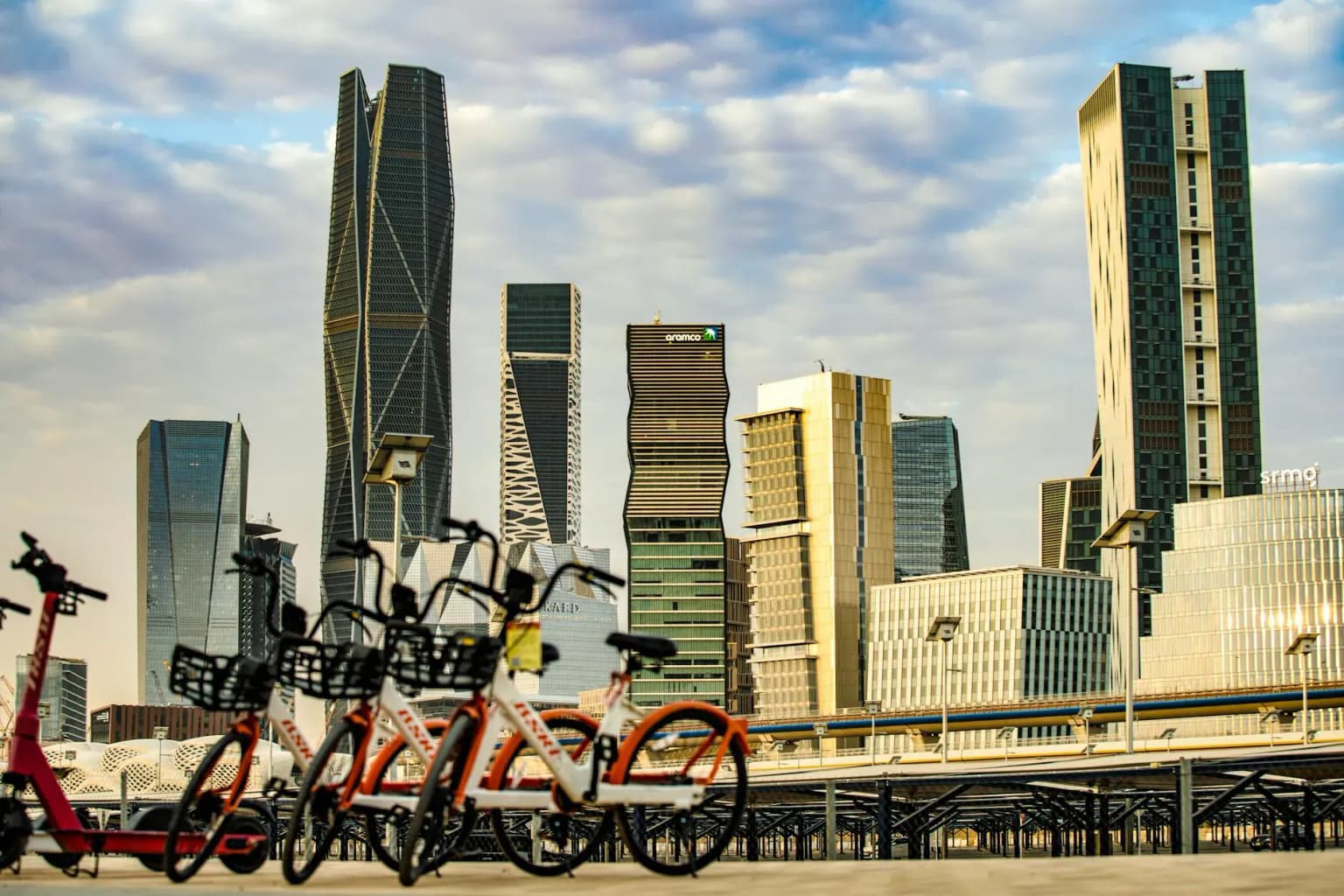
The capital and largest city. A fast-growing metropolis of 8+ million with towering skyscrapers, historic Diriyah, and the entertainment mega-events of Riyadh Season.
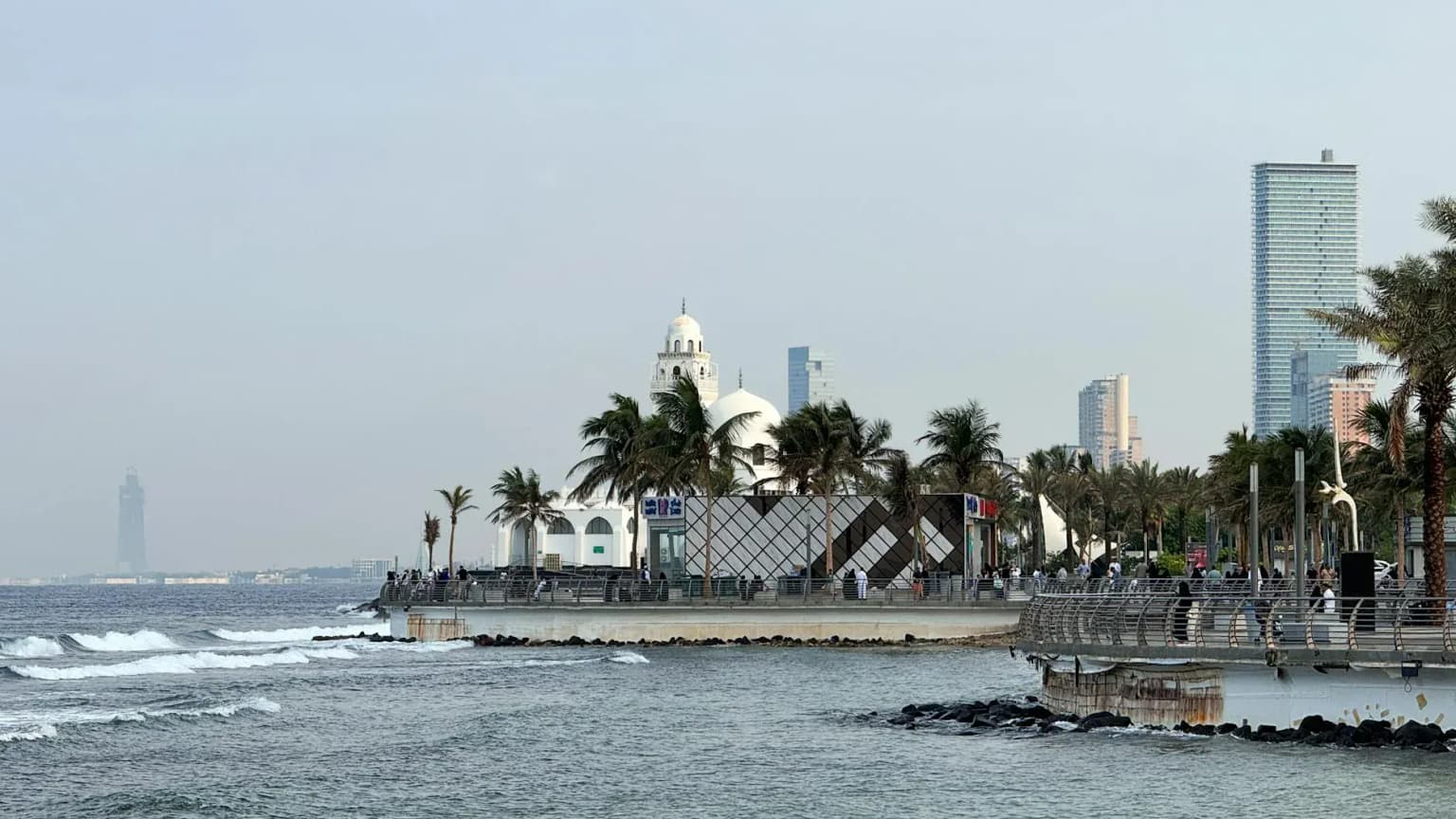
Gateway to the holy cities. A cosmopolitan Red Sea port with a beautiful corniche, historic Al Balad district, and a more relaxed atmosphere than the capital.
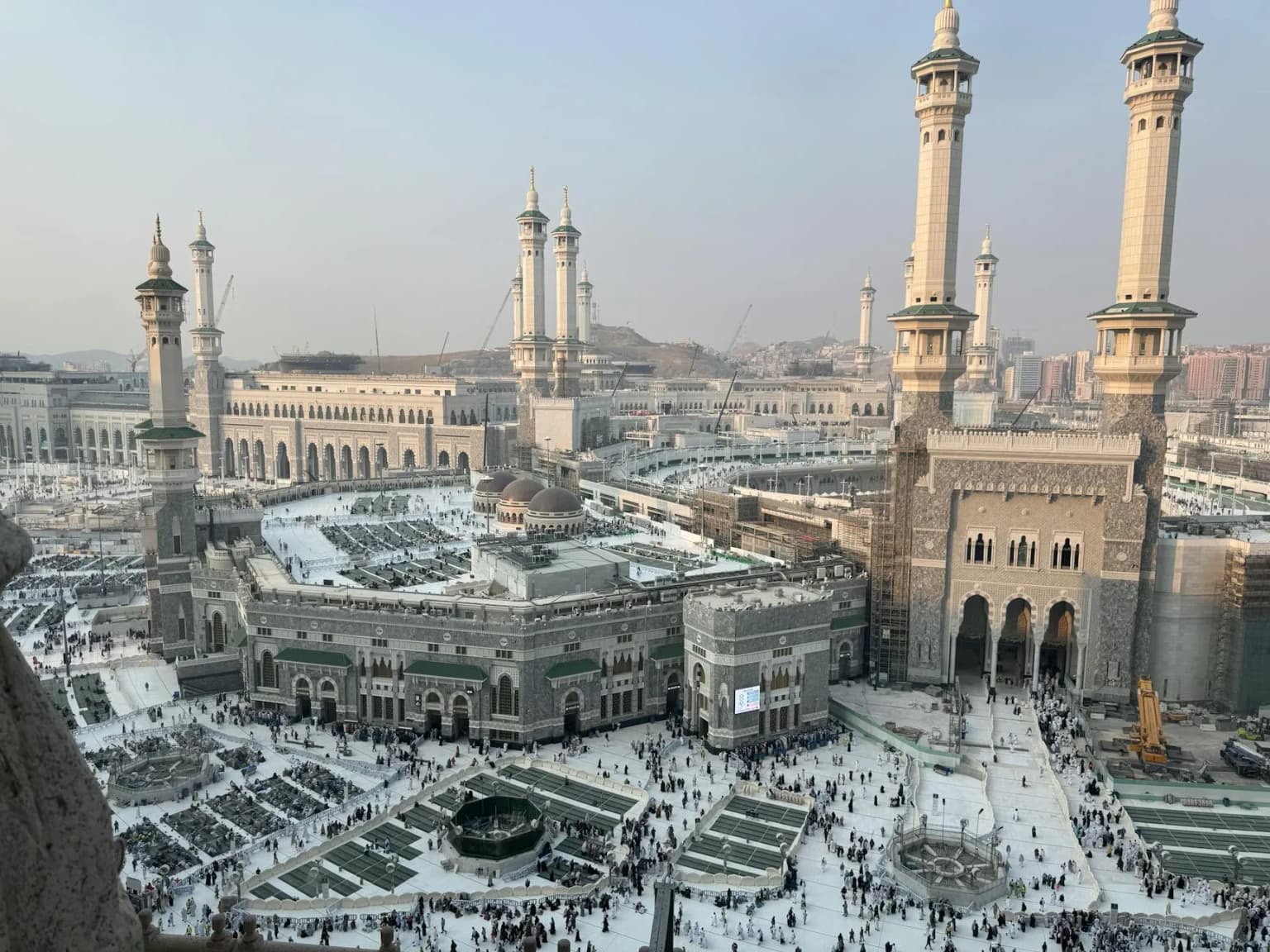
The holiest city in Islam and destination for millions of pilgrims. Home to the Grand Mosque and the Kaaba.
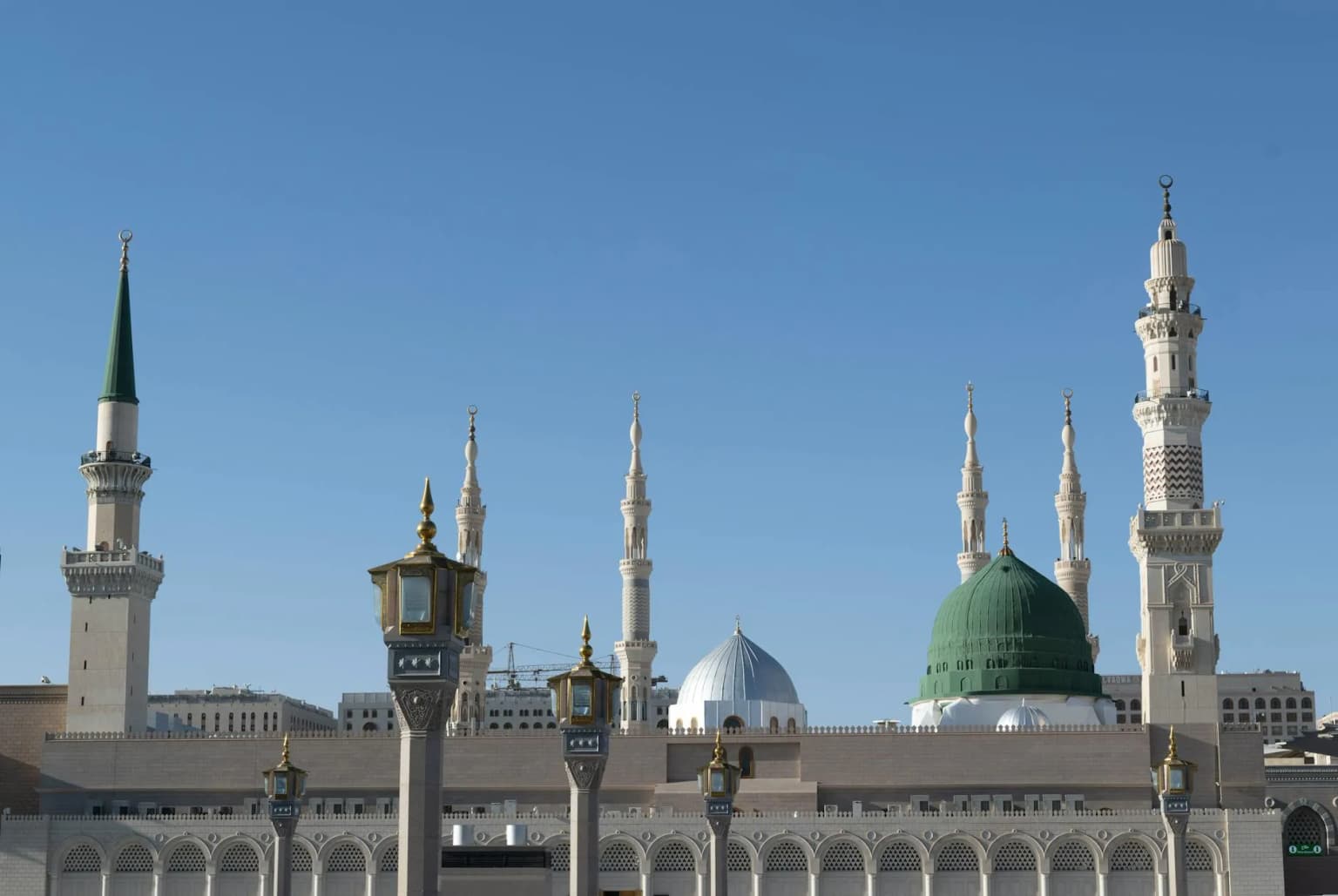
The second holiest city in Islam. Home to the Prophet's Mosque and a city of remarkable tranquility and spiritual significance.
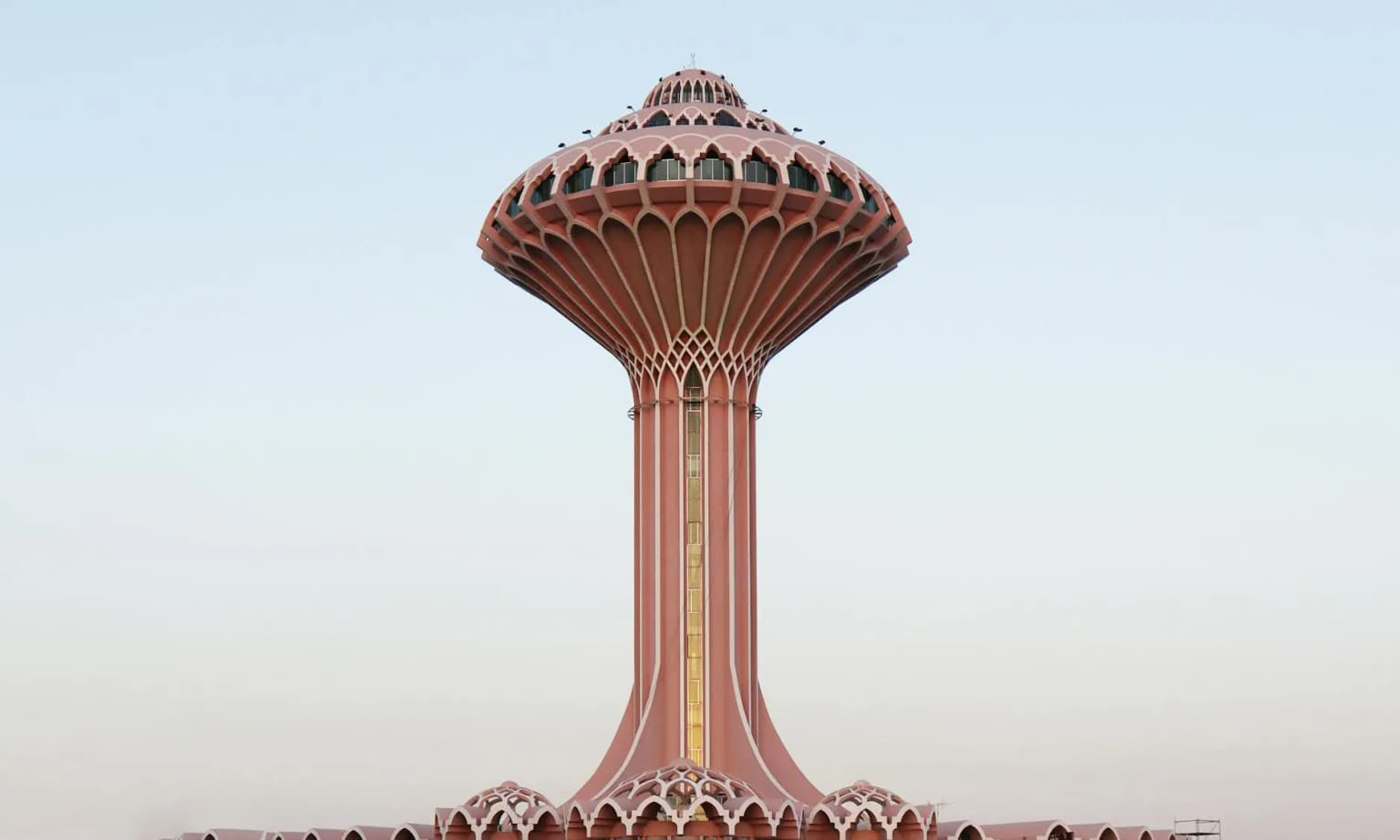
Capital of the Eastern Province and gateway to Saudi Arabia's oil heartland. A growing city with waterfront dining and easy access to Bahrain.
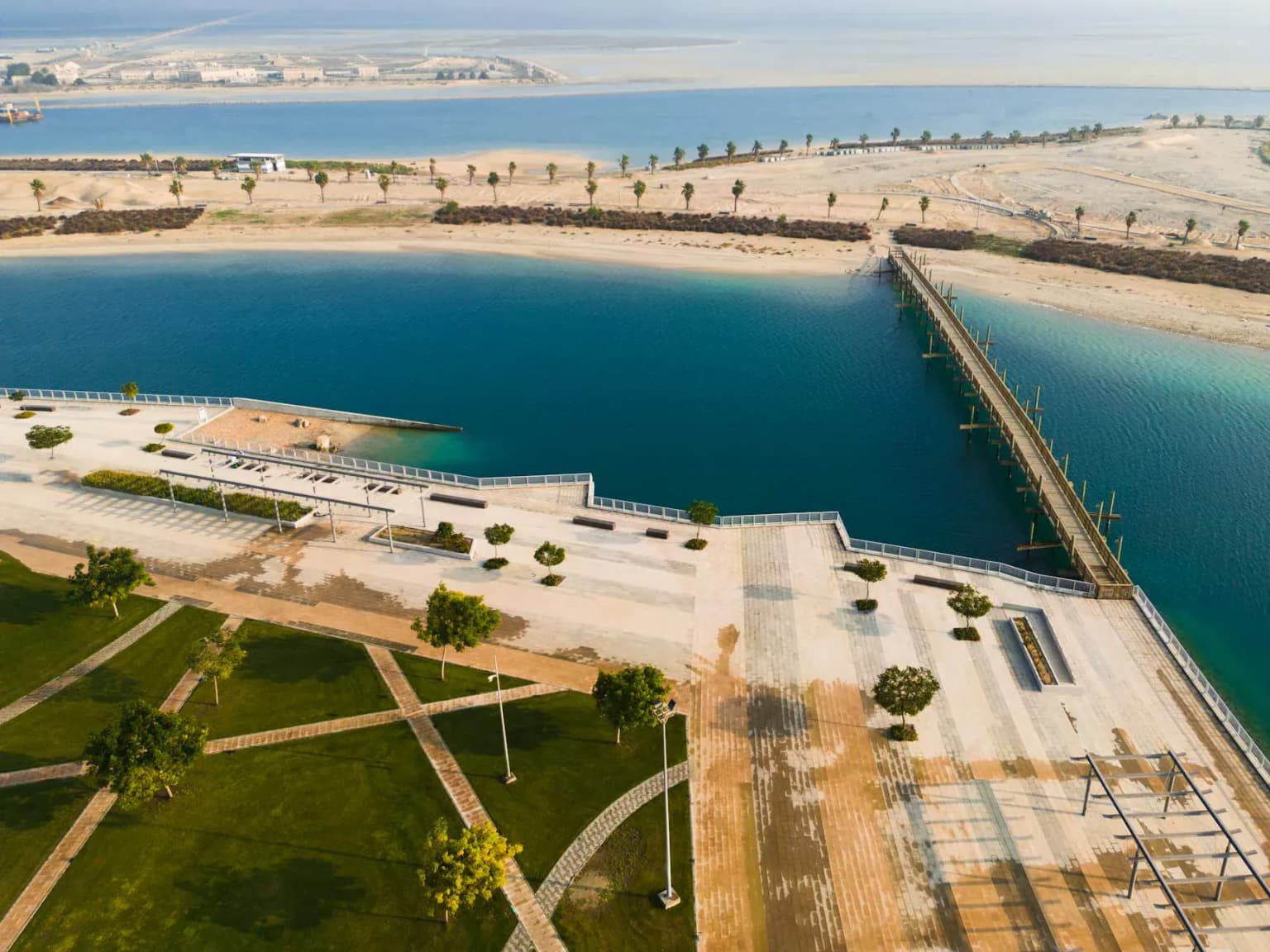
The most cosmopolitan city in the Eastern Province. Known for great restaurants, the King Fahd Causeway to Bahrain, and a relaxed waterfront.
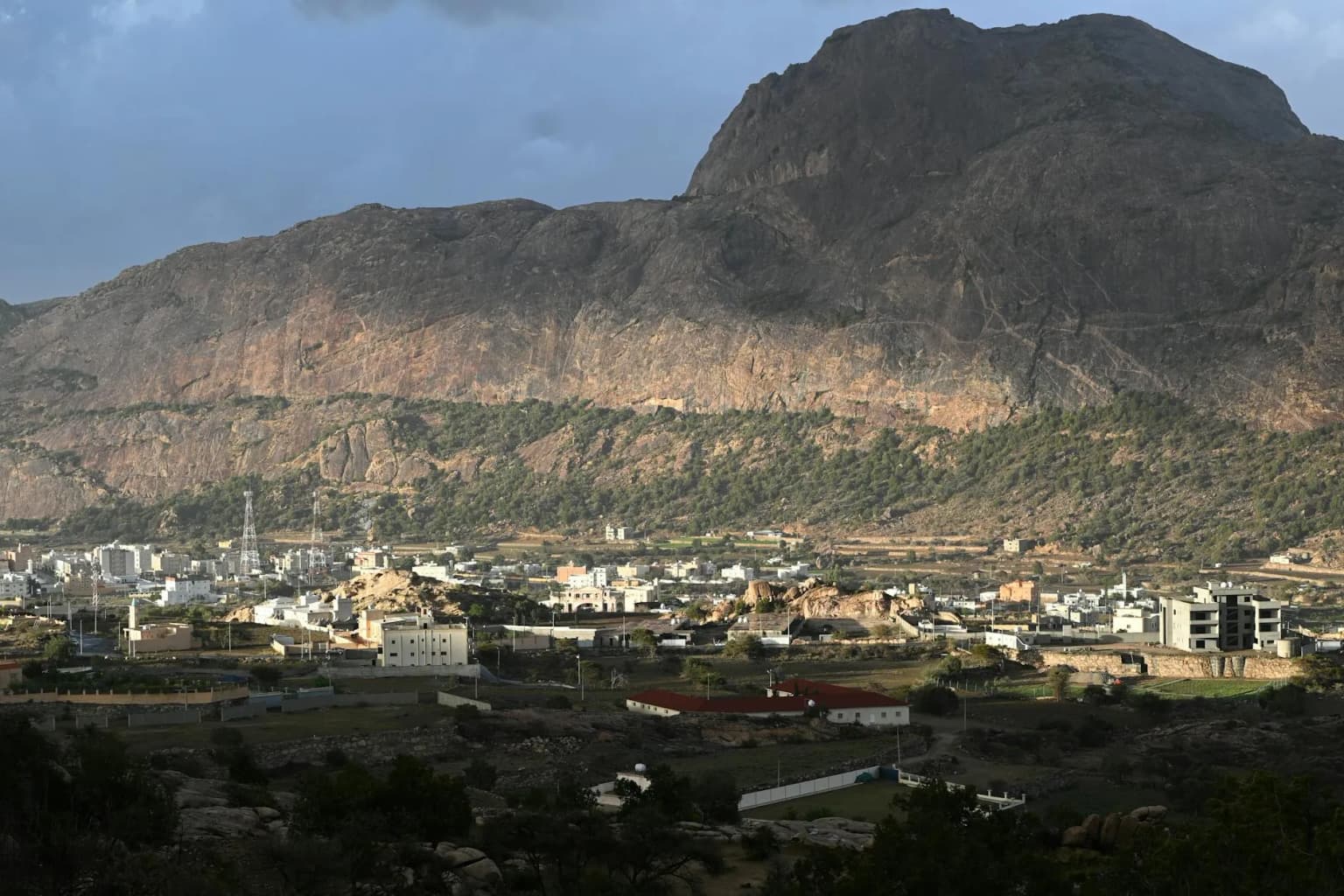
Mountain city in the Asir region with cool temperatures, green landscapes, and a completely different feel from the desert cities.
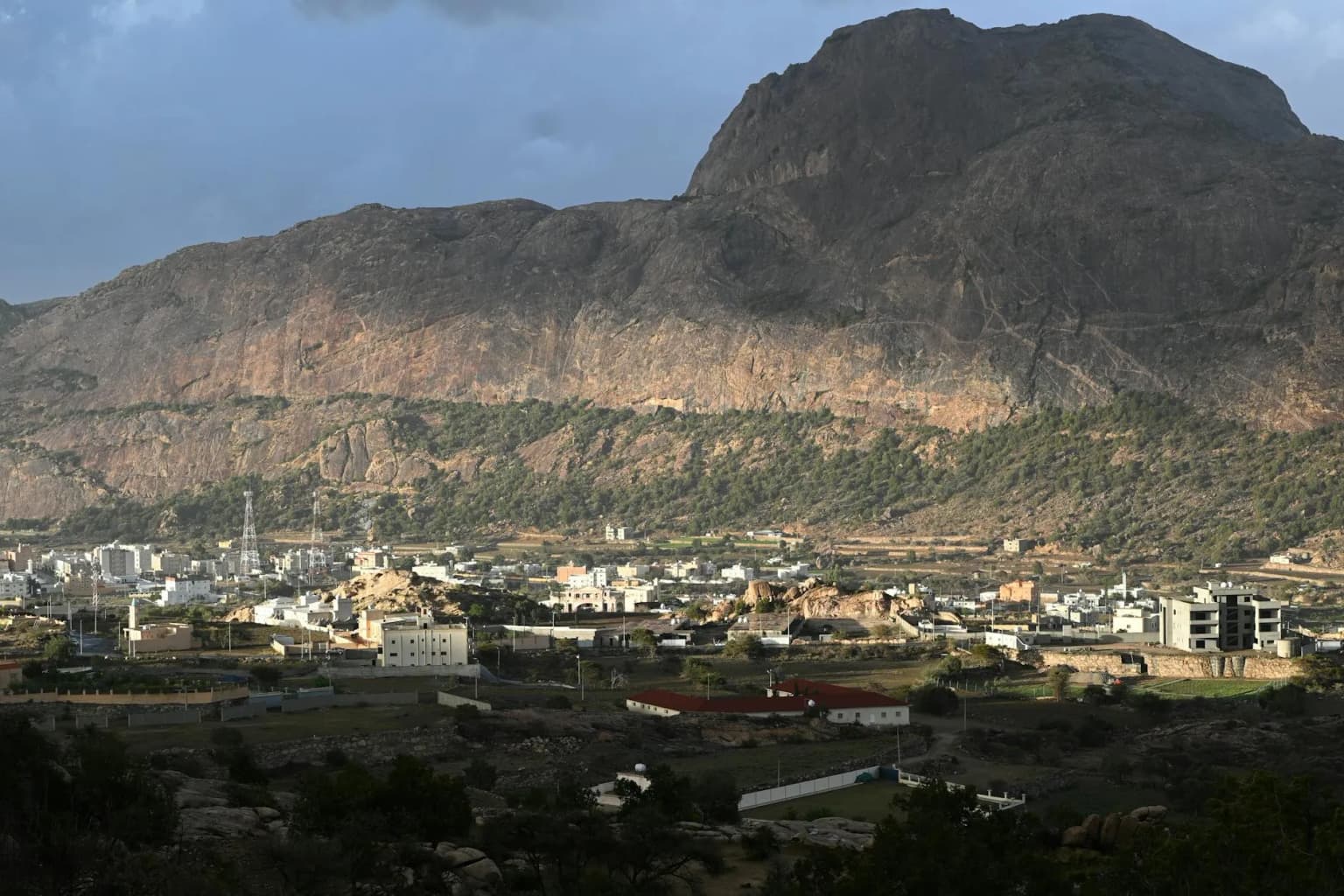
The summer capital with rose gardens, cooler mountain air, and historic souqs. A popular weekend escape from Jeddah and Mecca.
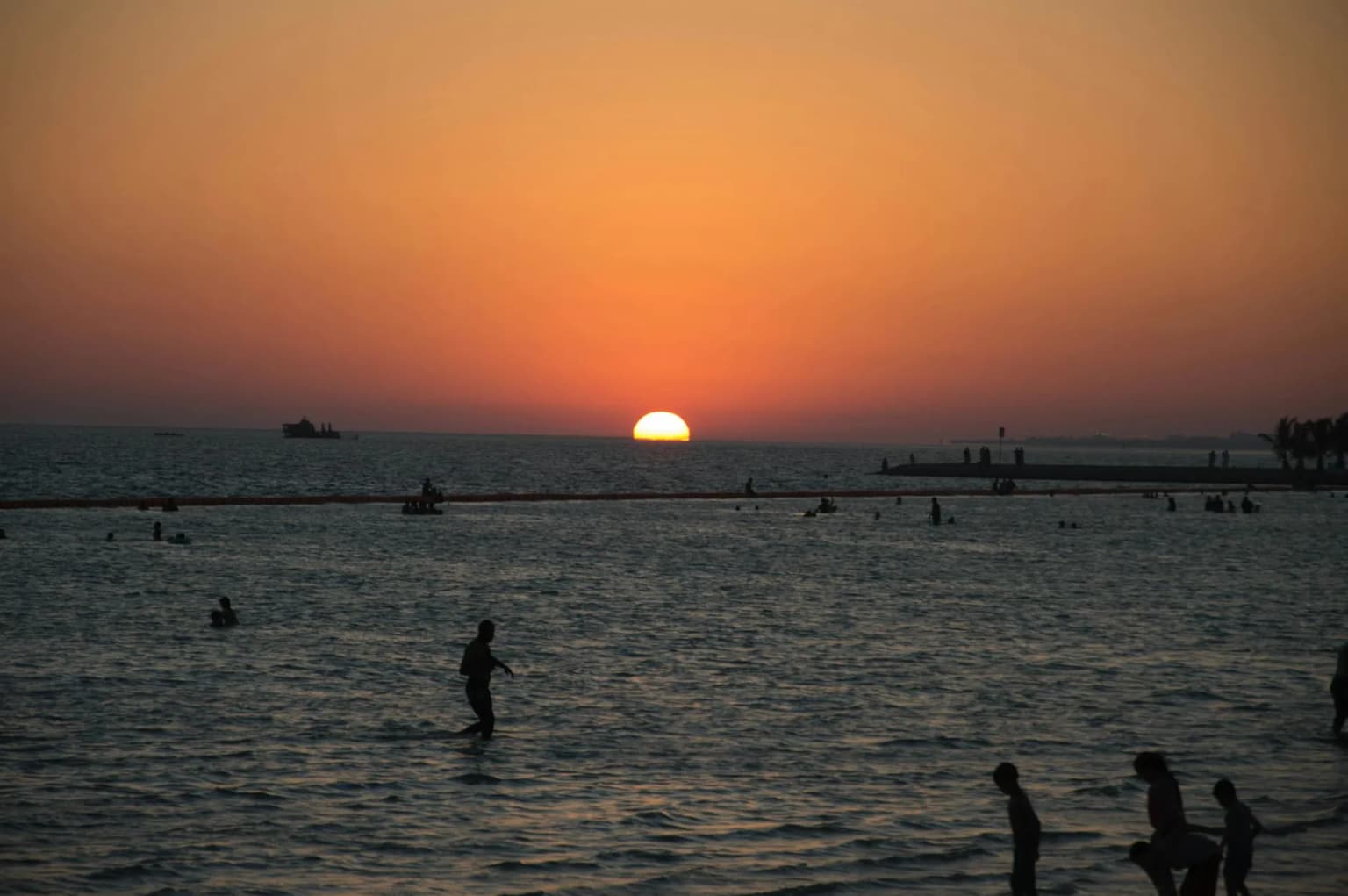
Red Sea industrial city with surprisingly excellent diving and snorkeling, pristine coral reefs, and a charming old town.
Flying is the clear winner. The distance is 950 km and takes 10+ hours to drive, but only 1 hour 45 minutes to fly. One-way flights cost 200-500 SAR depending on the airline and booking time. Saudia, flynas, and flyadeal all operate this route with multiple daily departures. Driving makes sense only if you want to stop along the way or are traveling with a lot of luggage that would be expensive to check.
Uber and Careem work well in all major cities: Riyadh, Jeddah, Mecca, Medina, Dammam, Khobar, and others. In smaller cities and towns, availability may be limited, especially late at night. For rural areas and small towns, you will need your own car. Within major cities, you can rely on ride-hailing apps as your primary transportation without any issues.
It depends on your lifestyle and budget. Many single expats in Riyadh and Jeddah get by fine using only Uber and Careem. If you live close to work and do not have children, ride-hailing can be cheaper than owning a car when you factor in insurance, maintenance, and parking. However, families with children typically find a car essential for school runs, grocery shopping, and weekend trips. If you work in a suburban compound or industrial area with limited ride-hailing coverage, a car becomes much more necessary.
Highway speed limits are typically 120 km/h, main urban roads are 80 km/h, and residential areas are 40-60 km/h. The Saher camera system enforces these limits strictly and automatically. Fines start at 300 SAR and increase with severity and repeat offenses. Use Waze to see camera locations and always respect the posted limits, especially within cities where the cameras are densely placed.
Visitors on a tourist visa can drive using an international driving permit (IDP) alongside their home country license. For residents (iqama holders), you need a Saudi driving license. Many nationalities (US, UK, EU, Australia, Canada, Japan, and others) can convert their license directly with just an eye test and a fee. Other nationalities may need to pass a theory and practical test. The Saudi license costs about 400 SAR and is valid for 10 years.
The Haramain High-Speed Railway connects Mecca, Jeddah (including the airport), King Abdullah Economic City, and Medina. Trains run at up to 300 km/h and the full Mecca-Medina journey takes about 2.5 hours. Tickets range from 50-300+ SAR depending on the segment and class. Book through the SAR app or website. During Ramadan and Hajj, book well in advance as trains fill up quickly.
Significantly. The Riyadh Metro (six lines, 85 stations) is the most ambitious project and is gradually opening to the public. Jeddah has plans for a BRT (Bus Rapid Transit) system. The Haramain railway has already proven that high-speed rail works in Saudi Arabia, and plans exist for additional rail connections including Riyadh-Jeddah. The government's Vision 2030 strategy specifically includes major public transportation investments. That said, for the immediate term, Saudi Arabia remains primarily car and ride-hailing dependent.
From the modern energy of Riyadh to the spiritual significance of the holy cities, from Red Sea diving to mountain escapes in Abha, Saudi Arabia offers far more than most people expect. Start planning your journey.