Loading city information...
Join our Facebook Group: Join: Expats in Saudi Arabia
Loading city information...
Explore Taif, the City of Roses. From fragrant gardens to mountain adventures, discover Saudi Arabia's summer capital in the Hejaz Mountains.
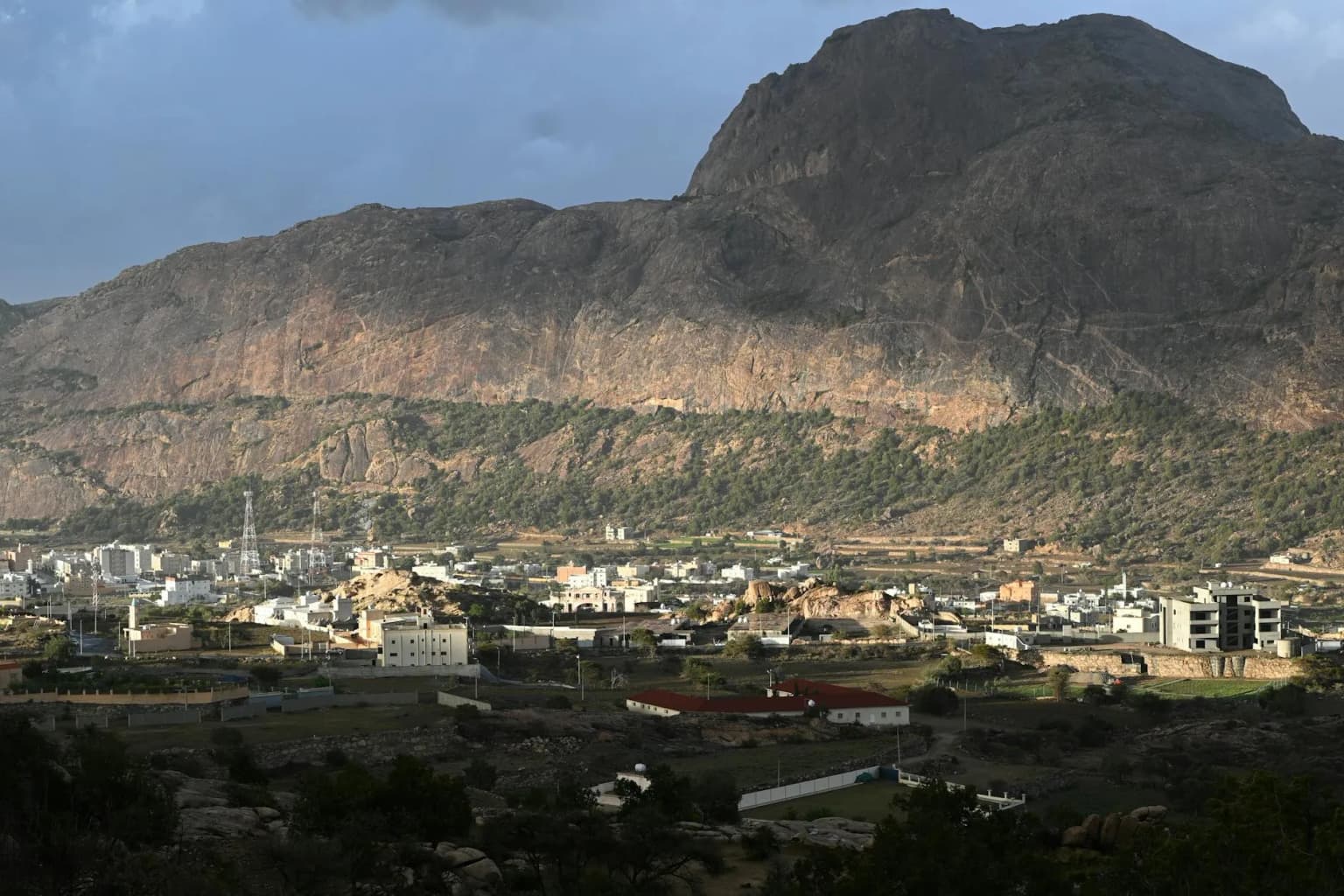
Taif, known as the 'City of Roses' and the unofficial summer capital of Saudi Arabia, sits at 6,165 feet (1,879 m) elevation in the Hejaz Mountains east of Mecca. Famous for its rose water production, pleasant climate, and fruit orchards, Taif has been a retreat for Saudi royalty and residents for generations. The city hosts the annual Taif Rose Festival and Souq Okaz cultural festival, celebrating both its agricultural heritage and pre-Islamic poetry traditions.
Whether you are interested in history, culture, architecture, or simply experiencing authentic Saudi life, Taif offers something for every type of traveler.
Over 300 million Rosa damascena roses are cultivated annually in the farms surrounding Taif, producing the city's signature rose water and rose oil through traditional steam distillation. During the March-April harvest season, the farms open to visitors who can watch the early-morning picking, tour the distilleries, and purchase fresh rose products directly from the producers.
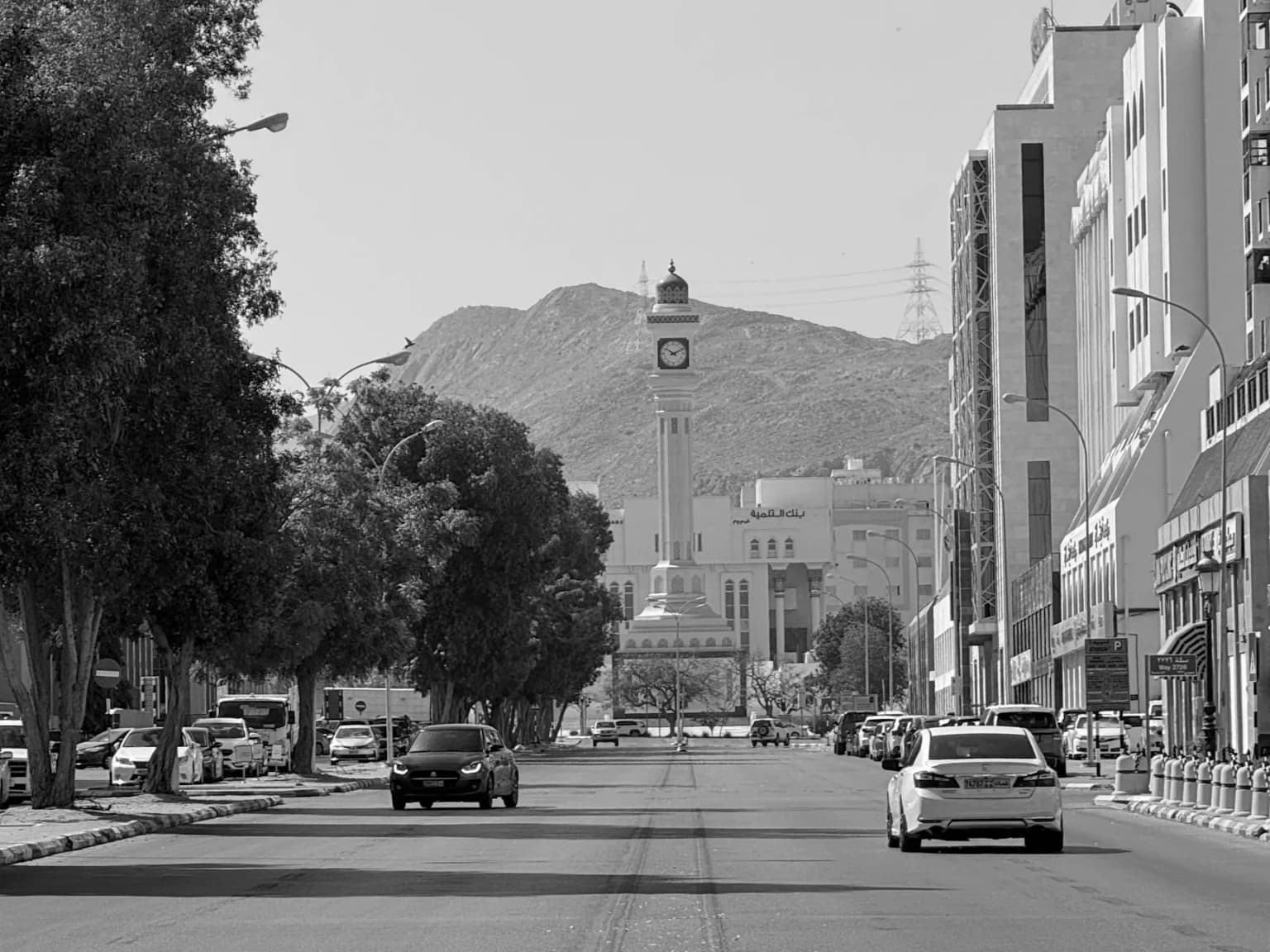
Rising to 7,218 feet (2,200 m), Al Shafa is a mountain resort area famous for its terraced fruit orchards growing figs, pomegranates, grapes, and peaches. The cooler temperatures and fertile soil support agriculture that would be impossible in the lowlands. Visitors can tour orchards, sample seasonal fruits, and buy fresh produce and honey from local farmers.
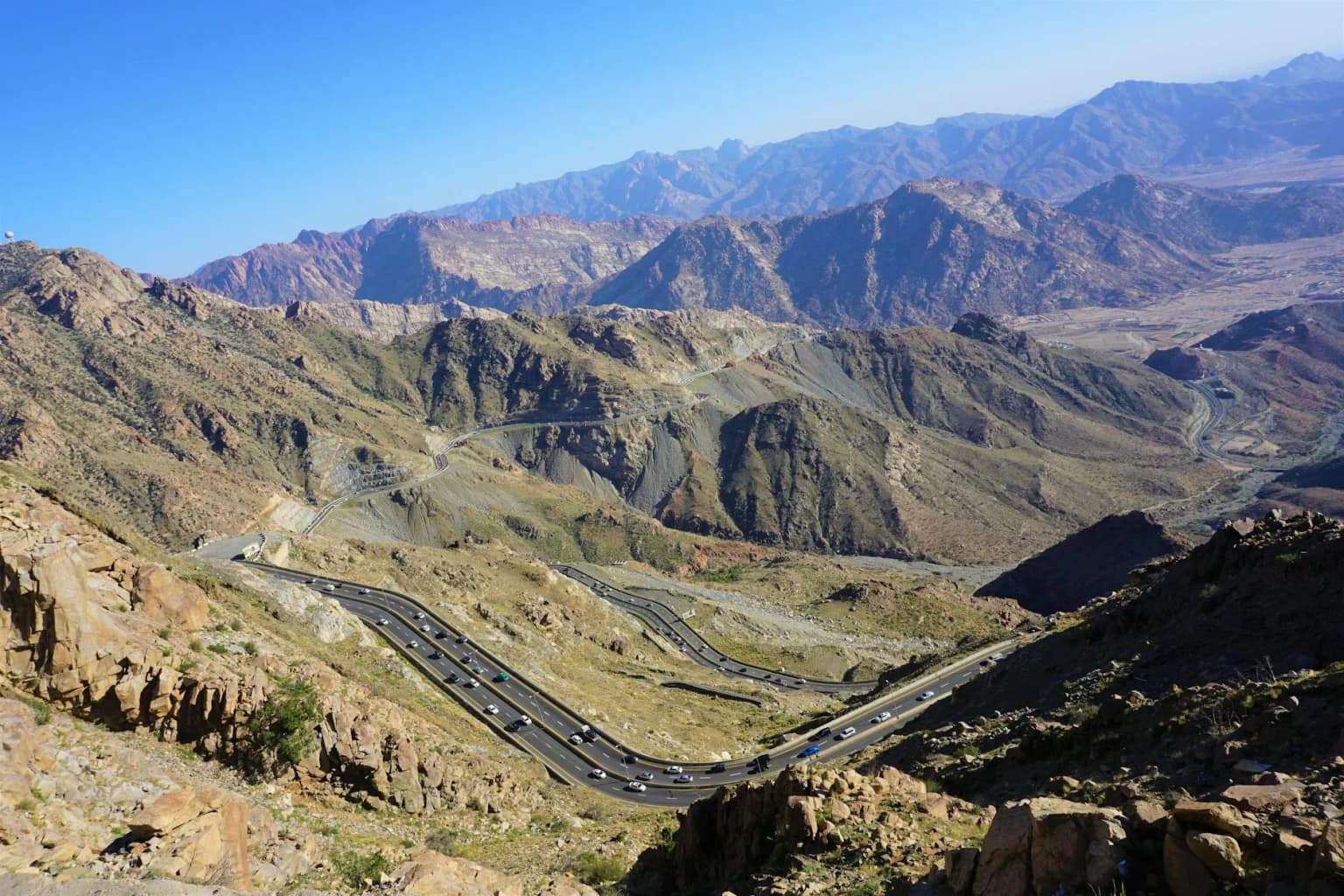
The winding Al Hada road climbing from the Tihama lowlands to Taif is one of the most scenic drives in Saudi Arabia, with over 20 hairpin turns and panoramic overlooks. At the top, a cable car offers aerial views, and a baboon sanctuary lets visitors observe hamadryas baboons in a semi-natural setting. The mountain parks are popular with families for picnics.
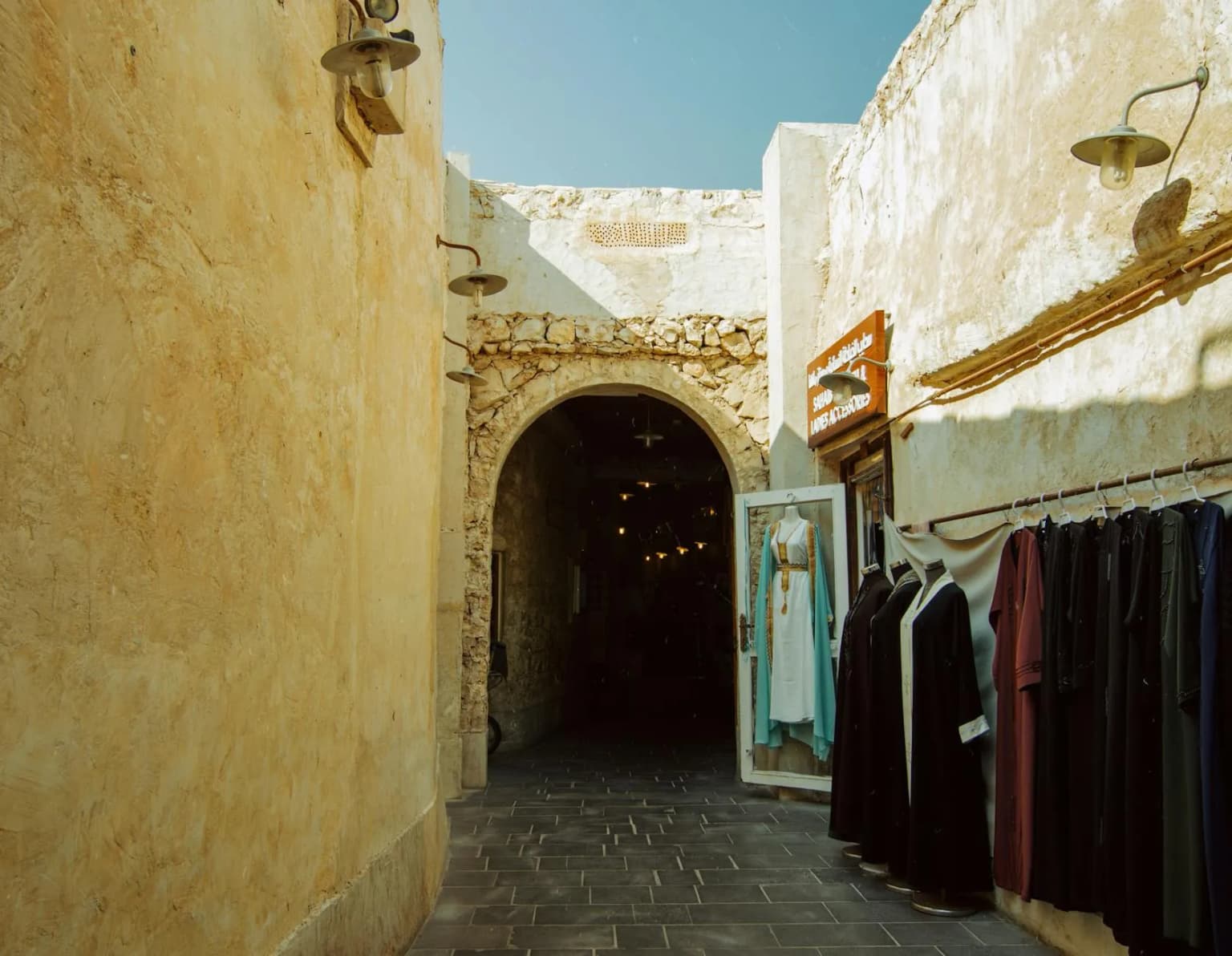
An annual cultural festival that revives the tradition of the pre-Islamic Souq Okaz, one of ancient Arabia's most important gatherings where poets competed, merchants traded, and tribes negotiated. The modern festival features poetry recitations, theatrical performances, traditional crafts, and cultural exhibitions that celebrate Arabia's literary heritage.
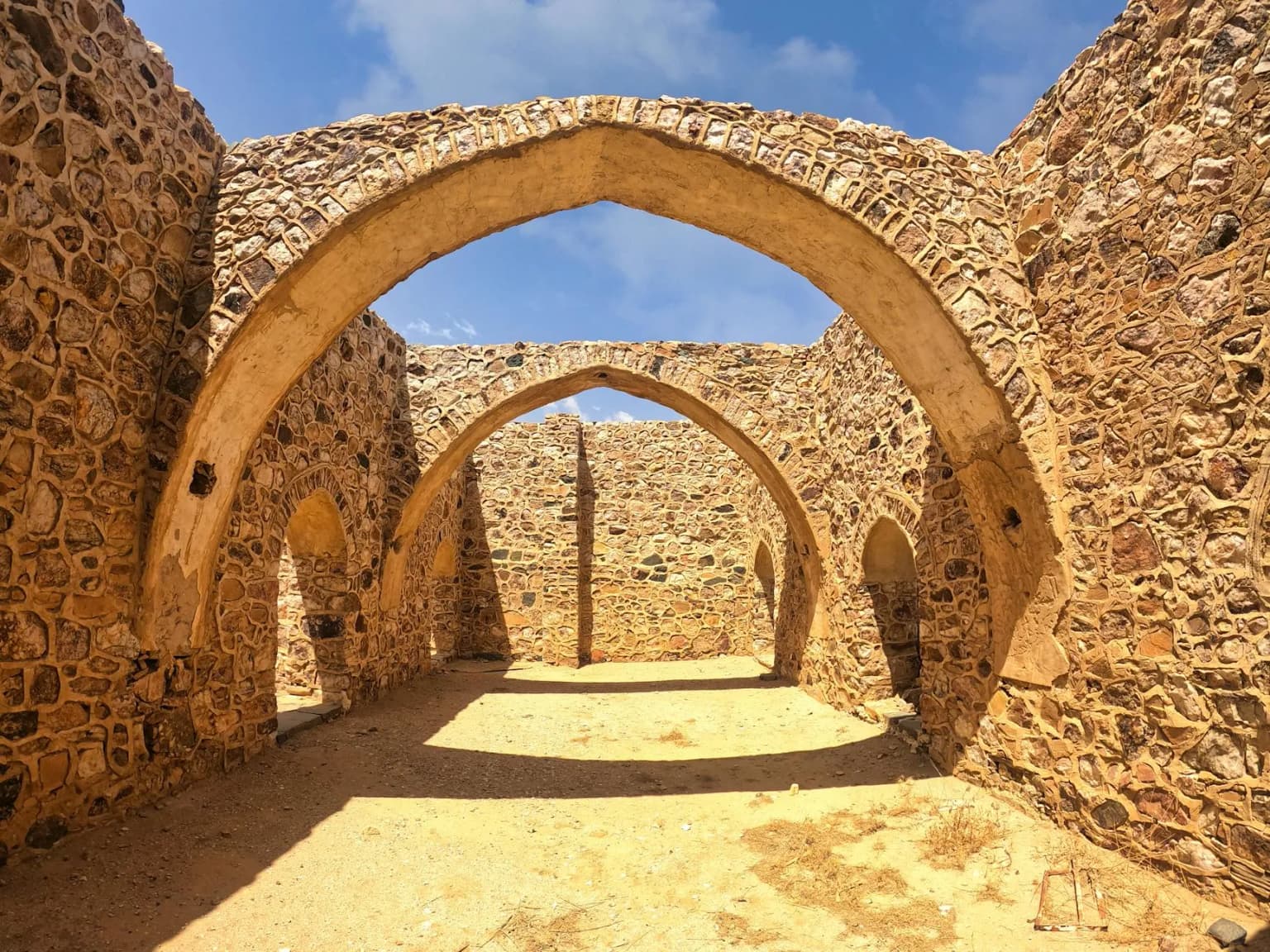
Built in 1905 as a royal summer residence, Shubra Palace is an architectural gem blending Hejazi, Roman, and Islamic design elements. The four-story building features ornate carved marble, intricate wooden lattice screens, and spacious courtyards. Now operating as a regional museum, it displays artifacts from Taif's history and the Hejaz region.
Click on a numbered marker to see the attraction name. Numbers correspond to the attraction order below.
Discover and book guided tours, skip-the-line tickets, and unique experiences in Taif.
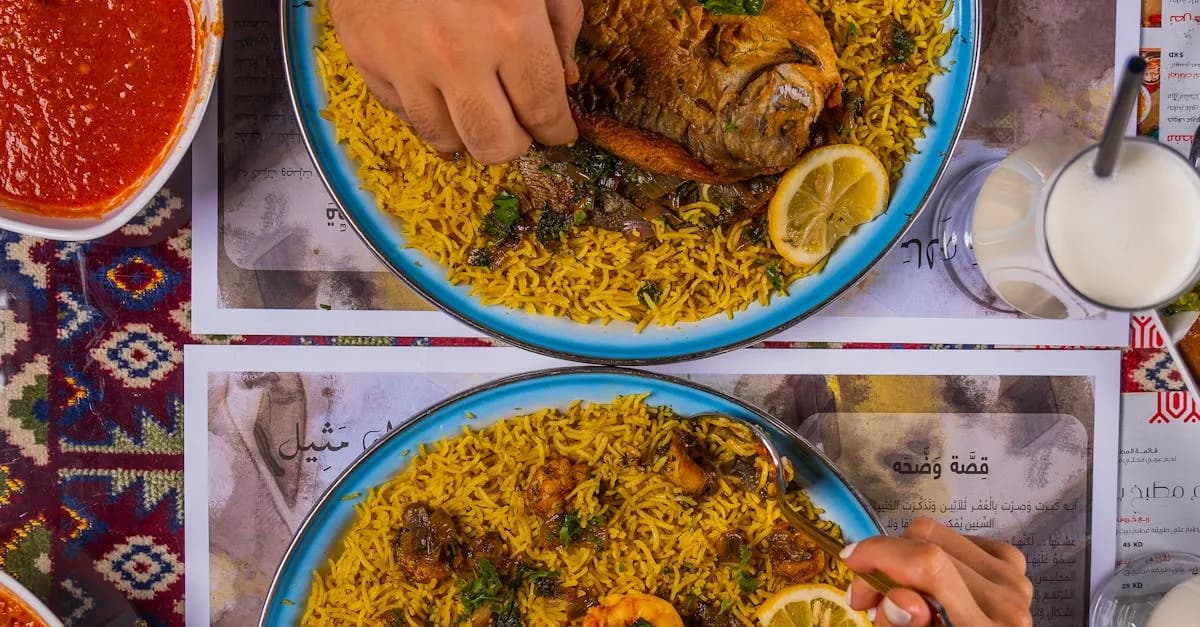
Taif's food scene is shaped by its agricultural bounty. The mountain orchards, rose farms, and beekeepers that surround the city provide ingredients you simply cannot find in the same quality elsewhere in Saudi Arabia. Honey and fruit are not just food here - they are a source of deep local pride. Rose water appears in desserts, drinks, and even savory dishes. The city sits at the crossroads of Hejazi culinary traditions, so expect dishes like saleeg and a lighter style of kabsa alongside the local specialties.
Taif Honey Prized sidr honey from the jujube trees of the Hejaz Mountains is considered among the finest in the Arabian Peninsula. The flavor varies by season and floral source. Eaten on its own, drizzled over bread, or mixed into drinks. A plate typically costs 80-400 SAR per jar.
Rose-flavored Desserts Taif's rose water finds its way into a variety of local sweets including rose-scented kunafa, lokum (Turkish delight), and ice cream. The floral flavor is subtle and distinctive. A plate typically costs 15-30 SAR.
Saleeg Creamy white rice slow-cooked in milk and broth until it reaches a risotto-like consistency, topped with tender roasted chicken. A Hejazi comfort food that is especially popular in Taif and the surrounding region. A plate typically costs 30-45 SAR.
Fresh Mountain Fruits Taif's orchards produce exceptional figs, pomegranates, grapes, and peaches. Sold at roadside stands and souqs during harvest season, the flavor of mountain-grown fruit surpasses anything from the lowlands. A plate typically costs 10-30 SAR per kilogram.
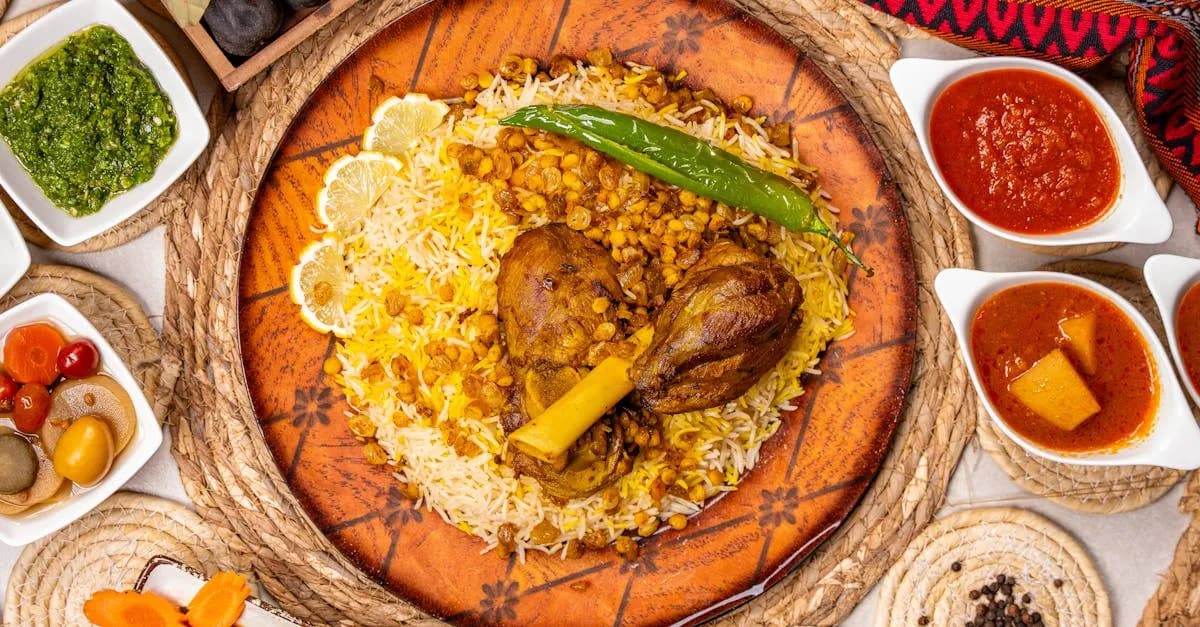
Hejazi Kabsa The Hejazi version of Saudi Arabia's national dish uses a lighter spice profile than the Najdi style, with more emphasis on tomato and garlic. Served with lamb or chicken over fragrant long-grain rice. A plate typically costs 30-50 SAR.
Al Shafa Grill (Al Shafa) A popular mountain restaurant near the Al Shafa orchards, serving grilled meats and traditional Hejazi dishes with views of the surrounding fruit farms. Expect to pay around 80-140 SAR for two.
Al Baik (Multiple locations) The iconic Saudi fried chicken chain, originally from the Hejaz region. Taif branches are as busy as anywhere else in the Kingdom. Expect to pay around Under 20 SAR.
Rose City Cafe (City Center) A specialty cafe incorporating Taif rose products into its menu - rose lattes, rose-infused desserts, and traditional Arabic coffee. A good spot to experience the city's signature ingredient. Expect to pay around 25-50 SAR per person.
Beit Al Baghal (Central Taif) A well-regarded traditional restaurant serving Hejazi cuisine including saleeg, mandi, and fresh local bread. The atmosphere is authentically local and the portions are generous. Expect to pay around 60-100 SAR for two.
Rose water products are at their freshest during and just after the March-April harvest season. Rose-flavored desserts are a must-try unique to Taif.
Buy honey from specialist shops where you can taste before purchasing. Sidr honey is the most prized and most expensive variety.
Fruit is best purchased directly from orchards in the Al Shafa and Al Hada areas during summer and autumn.
Restaurants close during prayer times for 20-30 minutes. Plan meals around the five daily prayer schedules.
Card payments are accepted at most restaurants. Small roadside fruit and honey stands may require cash.
Panda, Danube, and other Saudi supermarket chains operate in Taif. For the freshest local produce, honey, and rose products, the traditional souqs and roadside stands near Al Shafa and Al Hada offer far better quality and authenticity than supermarkets. During fruit season, the orchards themselves are the best source.
Choosing the right area can make or break your trip. Here is a quick guide to Taif's neighborhoods to help you pick the best base for your visit.
Click on an area for details. Zones are approximate.
| Neighborhood | Price Level | Why Stay Here |
|---|---|---|
| City Center (Al Salamah) | Medium | Central commercial area with souqs, hotels, and government offices. |
| Al Hada | Medium-High | Mountain resort area on the road to Mecca with vacation villas, resorts, and stunning views. |
| Al Shafa | Medium | Agricultural area known for rose farms and fruit orchards, rural mountain living. |
| Al Faisaliyah | Low-Medium | Residential area with affordable housing and basic amenities. |
| Al Hawiyah | Low | Outer residential district with the most affordable housing, developing infrastructure. |
Hotel prices correlate with neighborhood rent levels. For longer stays, consider renting an apartment for better value. Planning to relocate? See our full Taif living guide.
Taif is a mountain city where a car is the most practical way to get around. The main attractions are spread across the mountains, with winding roads connecting the city center to Al Shafa, Al Hada, and the surrounding farms and viewpoints. Public transport is limited, making a rental car or ride-hailing the best options.
Car rental (100-150 SAR per day for a basic sedan, fuel ~2.3 SAR/liter) Essential for making the most of Taif, especially for the scenic mountain drives to Al Hada and Al Shafa. The mountain roads are well-maintained but winding, so drive carefully. Major rental companies operate at the airport and in the city.
Ride-hailing (Uber & Careem) (10-25 SAR within Taif, 40-80 SAR to mountain attractions) Both apps work in Taif, though driver availability can be limited for trips to more remote mountain areas. Reliable for getting around the city center and to major attractions.
Taxis (10-30 SAR for city trips) Available in the city center. Less convenient than ride-hailing apps. Agree on the fare before starting the trip, as meters are not always used.
Cable car (25-50 SAR per ride) The Al Hada cable car provides both scenic transport and an attraction in itself, offering aerial views of the mountain landscape.
Taif International Airport (TIF) is located about 19 miles (30 km) northeast of the city center. Domestic flights connect Taif to Riyadh (about 1.5 hours), Dammam, and other major Saudi cities. A ride-hailing trip to central Taif costs 40-60 SAR. Saudia and flynas operate regular domestic services.
The mountain roads around Taif, especially the Al Hada route, feature sharp switchbacks and steep grades. Drive cautiously, especially in the early morning when fog can reduce visibility significantly. Watch for baboons along the roadsides - they are common in the Al Hada area and sometimes sit on the road. The scenic quality of the drives makes them a highlight in themselves, so enjoy the journey.
Useful apps: Careem, Uber, Google Maps, Waze, Almosafer.
Taif's position in the Hejaz Mountains puts it within easy reach of some of Saudi Arabia's most significant destinations. The dramatic descent from mountain elevation to the coastal plain provides spectacular driving scenery, and the proximity to Mecca and Jeddah makes Taif a natural base for exploring the western region.
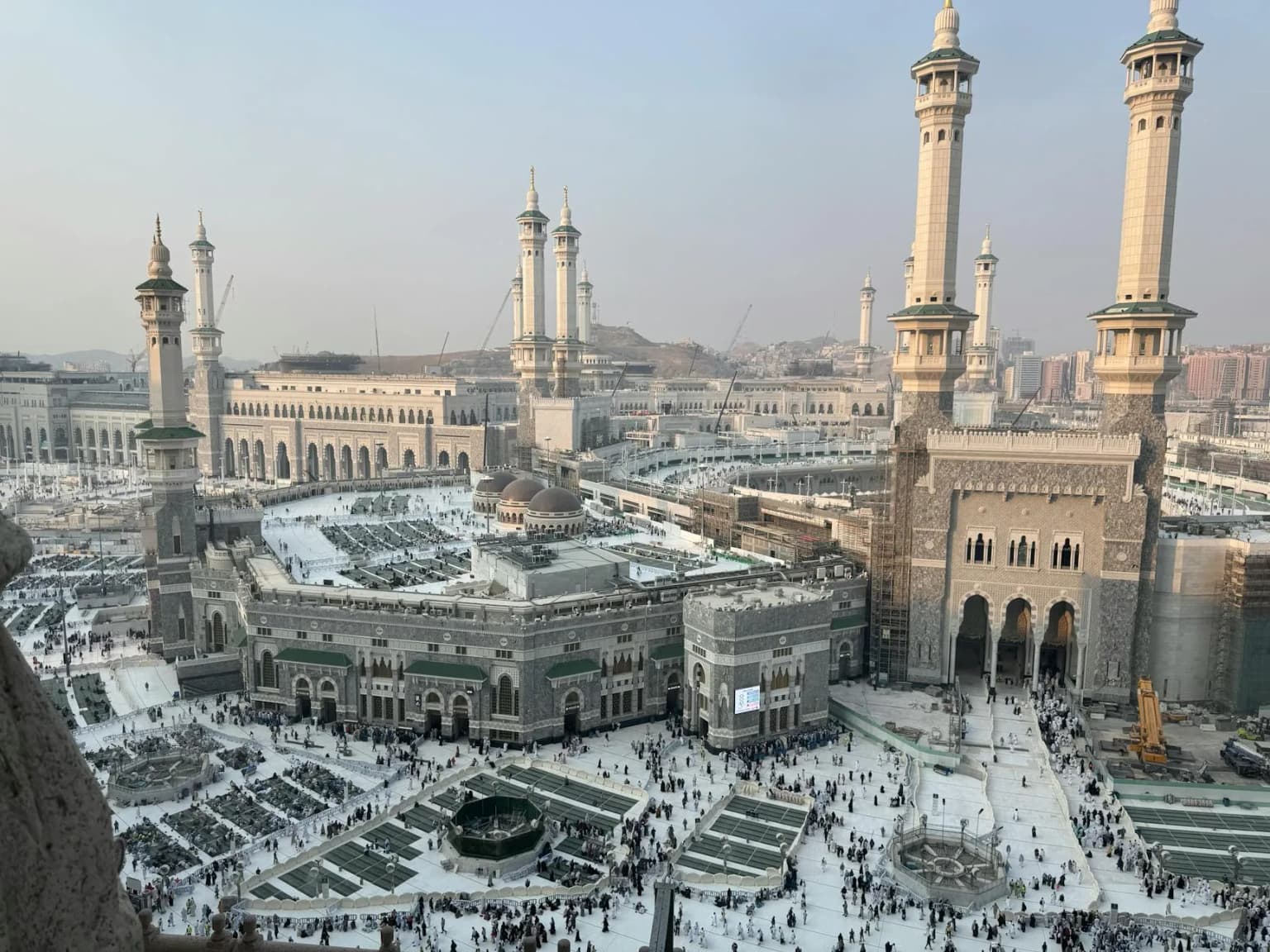
The holiest city in Islam is just 56 miles (90 km) from Taif via the stunning Al Hada mountain road. The drive descends from nearly 6,562 feet (2,000 m) to sea level through dramatic switchbacks. Note: entry to Mecca is restricted to Muslims only.

A mountain resort area just 20 km from Taif, famous for its cable car, baboon sanctuary, and one of the most scenic mountain roads in Saudi Arabia with over 20 hairpin turns and panoramic viewpoints.

A 7,218-foot (2,200-m) mountain area south of Taif, known for its terraced fruit orchards growing figs, pomegranates, grapes, and peaches. The cooler microclimate and agricultural landscape feel worlds away from the desert.

Saudi Arabia's Red Sea gateway and most cosmopolitan city is about two hours from Taif. The UNESCO-listed Al Balad historic district, the Corniche waterfront, and world-class dining make it a rewarding full-day excursion.
Walking past the rose farm exteriors during harvest season offers the fragrance of millions of blooming roses without an entry fee. Some farms welcome visitors informally.
The Al Hada scenic drive is free and ranks among the most spectacular mountain roads in Saudi Arabia, with panoramic viewpoints along the route.
Mountain viewpoints throughout the Taif region offer stunning free vistas across the Hejaz range and down to the Tihama coastal plain.
Shubra Palace museum charges only a minimal entry fee and provides an excellent introduction to Hejazi architecture and royal history.
Browsing the local souqs is free and offers a sensory immersion in Taif's rose water, honey, and perfume traditions.
Seasonal fruit orchard visits in the Al Shafa area are often free, with farmers welcoming visitors to see their terraced farms.
Taif's rose farms produce over 300 million roses annually, all harvested by hand during a brief March-April window. The roses must be picked before sunrise when their essential oil content is highest.
The tradition of rose water production in Taif stretches back centuries. The distillation process has remained largely unchanged, with each kilogram of rose oil requiring approximately 10,000 to 15,000 roses.
Souq Okaz dates back to the pre-Islamic era (6th-7th century CE), when it was one of the most important cultural and commercial gatherings in Arabia. Poets competed for the honor of having their works hung on the walls of the Kaaba.
Taif served as the summer capital for Saudi kings, who moved the court here during the hottest months to escape the lowland heat. The royal presence shaped much of the city's architecture and infrastructure.
The Al Hada mountain road, connecting Taif to the Tihama lowlands, is considered one of the most scenic drives in Saudi Arabia, descending nearly 6,562 feet (2,000 m) through over 20 hairpin turns.
Taif's fruit orchards produce some of the best grapes, figs, and pomegranates in the Kingdom, thanks to the unique combination of altitude, cool temperatures, and fertile volcanic soil.
Popular souvenirs from Taif include: Taif rose water and rose oil are the signature souvenirs - the city's most iconic product, used in perfumery, cooking, and traditional medicine. Buy directly from distilleries or specialist souq shops for the purest quality., Taif honey, especially the prized sidr variety from jujube trees, is a premium gift. Quality varies widely, so buy from reputable vendors and taste before purchasing., Dried fruits from the local orchards, Arabian perfumes, oud (agarwood incense), and herbal products from the mountain souqs make distinctive, lightweight gifts to bring home..
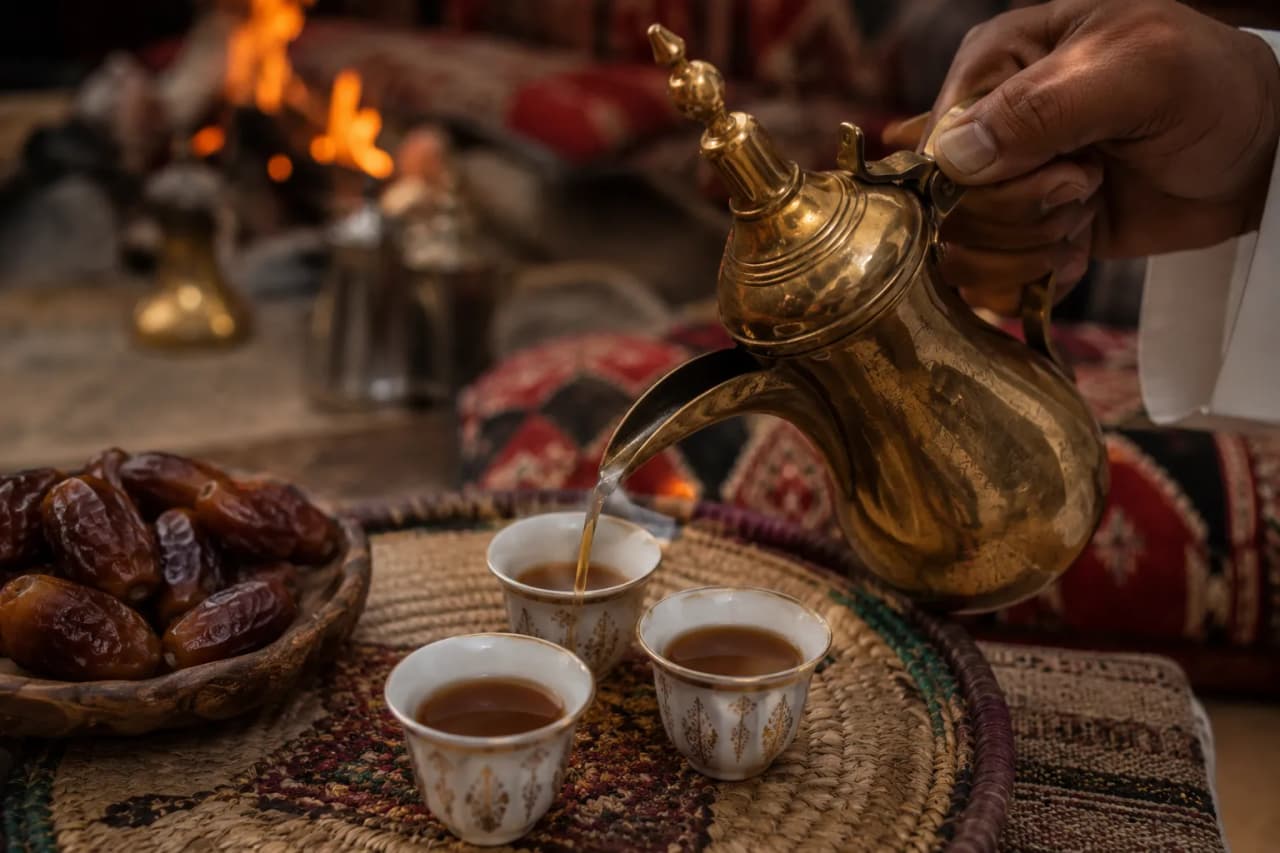
Saudi Arabian culture emphasizes hospitality, respect, and traditional values. Greet people with "As-salamu alaykum" (Peace be upon you) and accept the response "Wa alaykum as-salam." When offered Arabic coffee (qahwa) and dates, it is customary to accept at least one cup. Shake the cup gently when you have had enough.
Taif has a welcoming atmosphere that balances traditional Saudi values with modern openness to visitors. The city offers a range of cultural experiences from traditional souqs to modern entertainment venues.
Taif's culture is deeply tied to its agricultural heritage, particularly the Taif rose, which has been cultivated here for centuries. The annual Rose Festival celebrates the harvest with traditional dances, markets, and perfume workshops. The city also has a rich literary history -- it was home to many pre-Islamic poets and is referenced throughout Arabic literature. Traditional Hejazi cuisine and mountain hospitality are hallmarks of local culture.
Dress modestly in public, especially when visiting mosques and traditional areas. Women are no longer required to wear an abaya but should dress conservatively. During Ramadan, eating, drinking, and smoking in public during daylight hours should be avoided out of respect. Friday is the main day of worship, and many businesses close during Friday prayer.
Staying connected in Taif is easy. Saudi Arabia has excellent 4G and 5G coverage throughout the Kingdom. Free WiFi is available in most hotels, malls, and many restaurants. For mobile data, consider getting a local SIM card from STC, Mobily, or Zain at the airport or any mobile shop - prepaid plans with generous data allowances are affordable. Alternatively, use an eSIM from providers like Airalo or Holafly for seamless connectivity.
The official language is Arabic, but English is widely spoken in hotels, restaurants, malls, and tourist areas. Most signage is in both Arabic and English. Useful Arabic phrases: "Shukran" (Thank you), "Min fadlak" (Please), "La" (No), "Na'am" (Yes). Google Translate works well for Arabic. For emergencies, dial 911 for police, 997 for fire, 998 for ambulance, or 999 for traffic police.
Many visitors fall in love with Taif and decide to make it their home. If you are considering the move, here are the essential resources.
Cost of living, neighborhoods, job market, and expat community guide for Taif.
Step-by-step guide to renting in Saudi Arabia - where to search, what to expect, and how to avoid scams.
Compare Saudi banks, required documents, and how to open an account as a foreigner.
With its rich heritage, stunning landscapes, and warm hospitality, Taif offers an unforgettable Saudi experience.
Discover more amazing destinations across Saudi Arabia. Each city offers unique experiences, rich heritage, and unforgettable attractions.
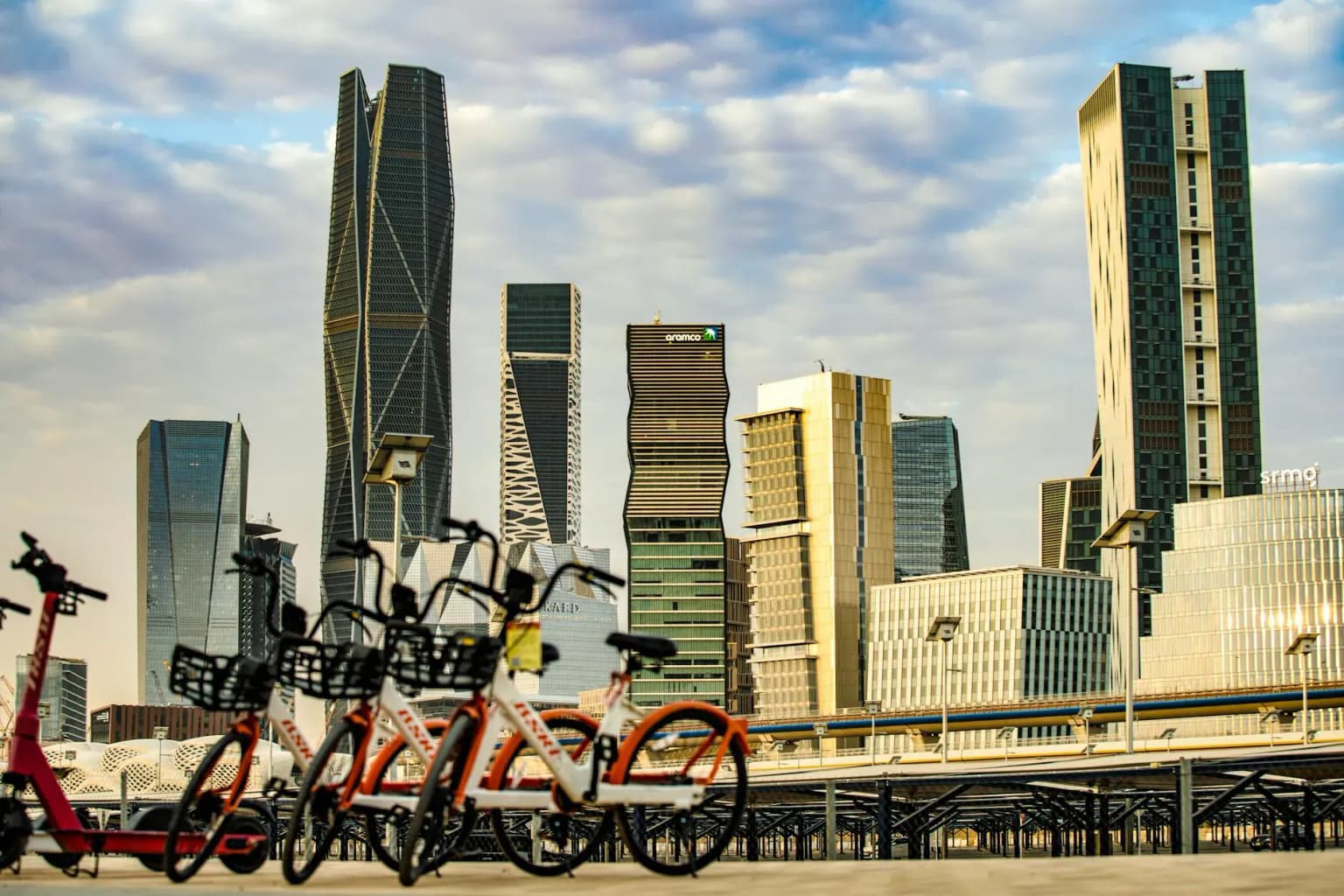
Diriyah (At-Turaif District) · Kingdom Centre Tower · National Museum of Saudi Arabia
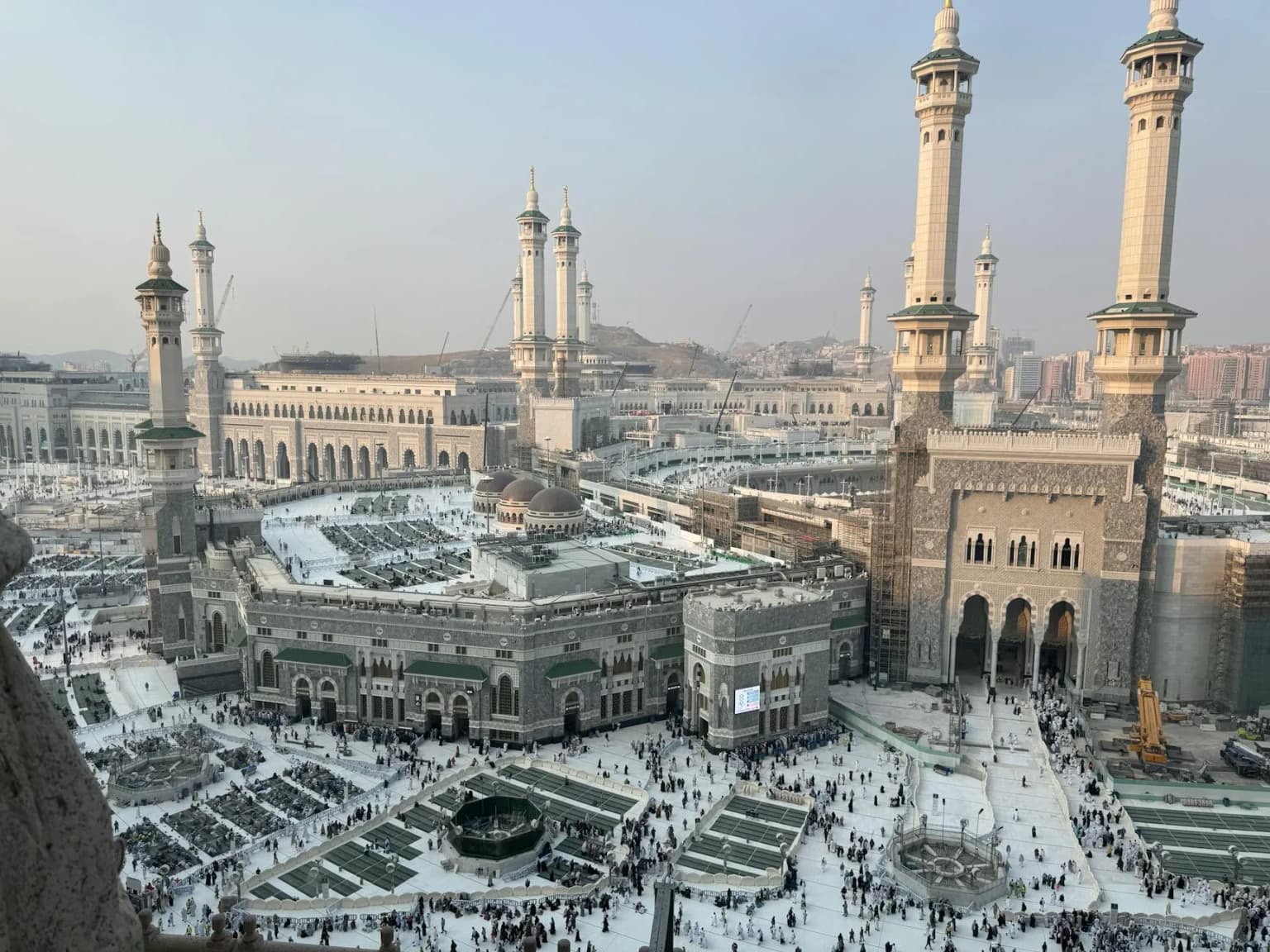
Masjid al-Haram (Grand Mosque) · The Kaaba · Abraj Al-Bait (Makkah Royal Clock Tower)
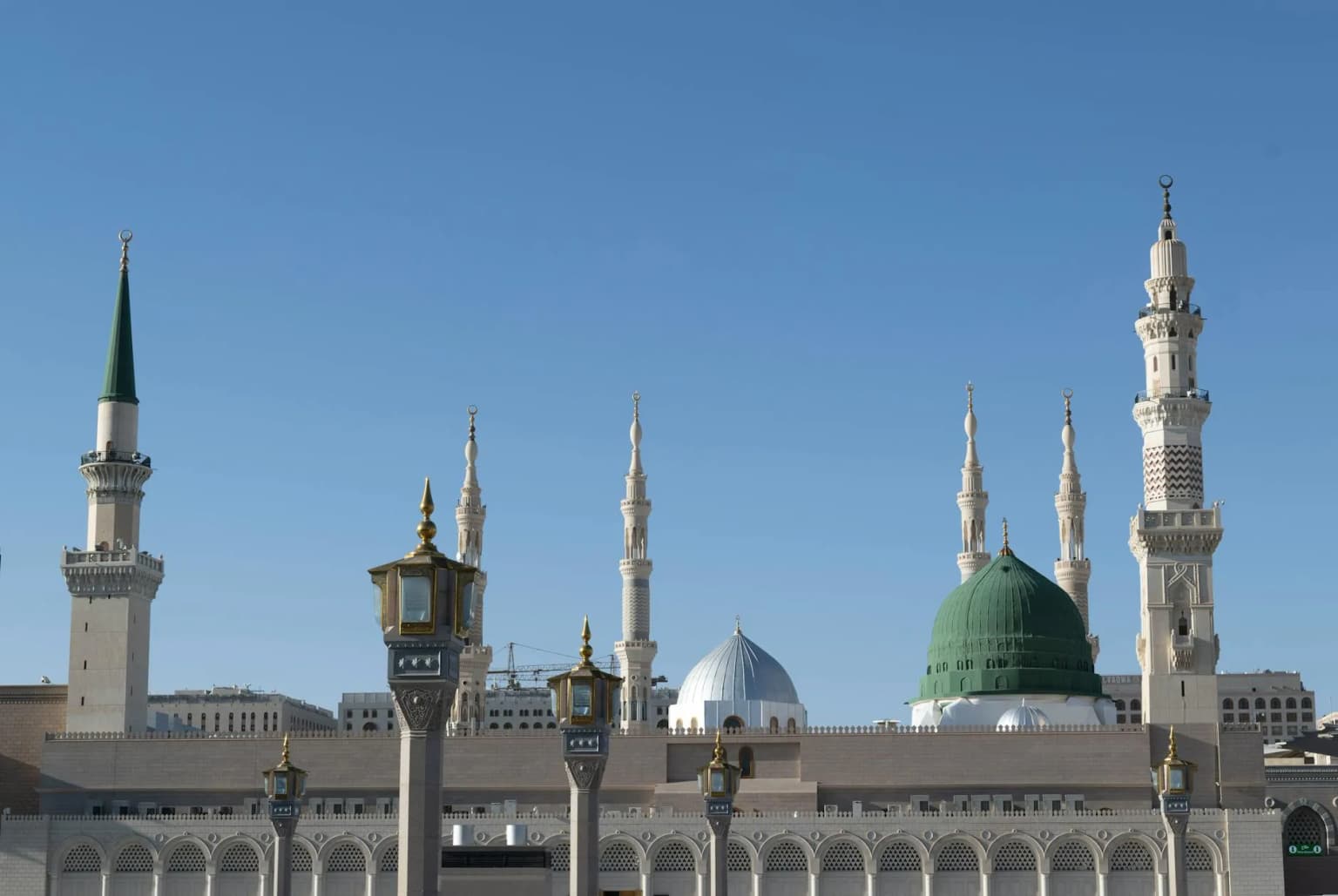
Al-Masjid an-Nabawi (Prophet's Mosque) · Quba Mosque · Mount Uhud
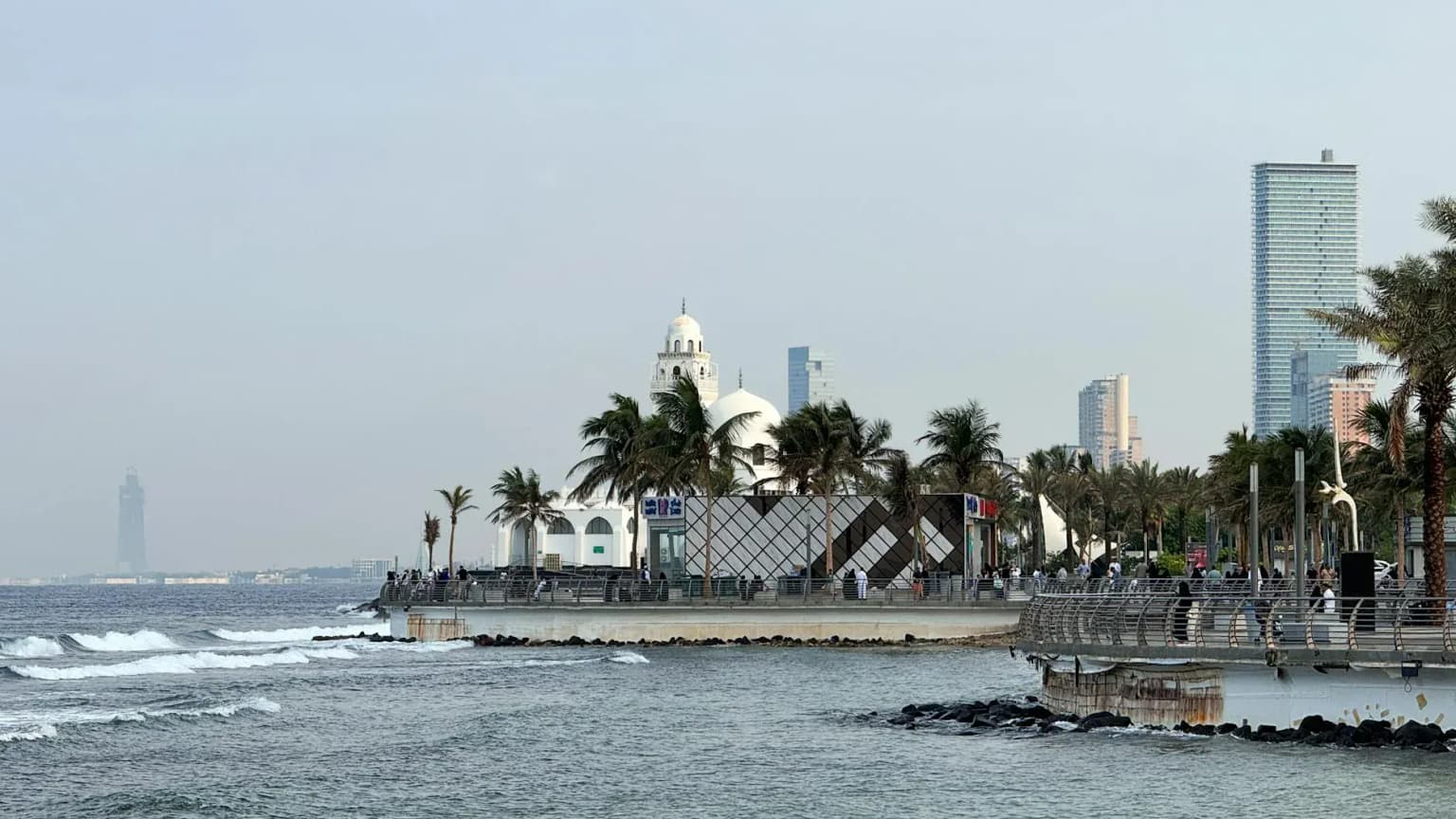
Al-Balad Historic District · King Fahd Fountain · Jeddah Corniche
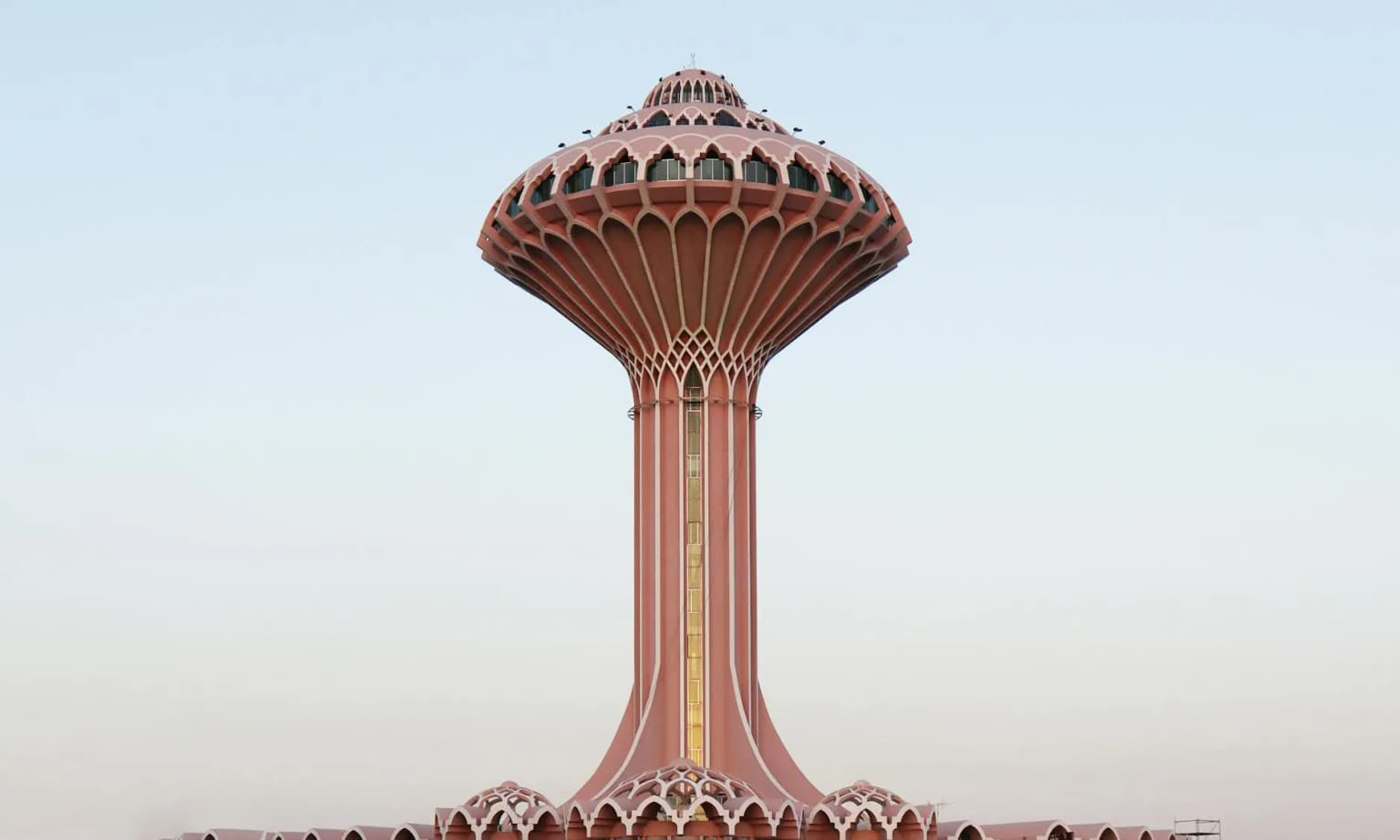
Dammam Corniche · King Abdulaziz Center for World Culture (Ithra) · Half Moon Bay
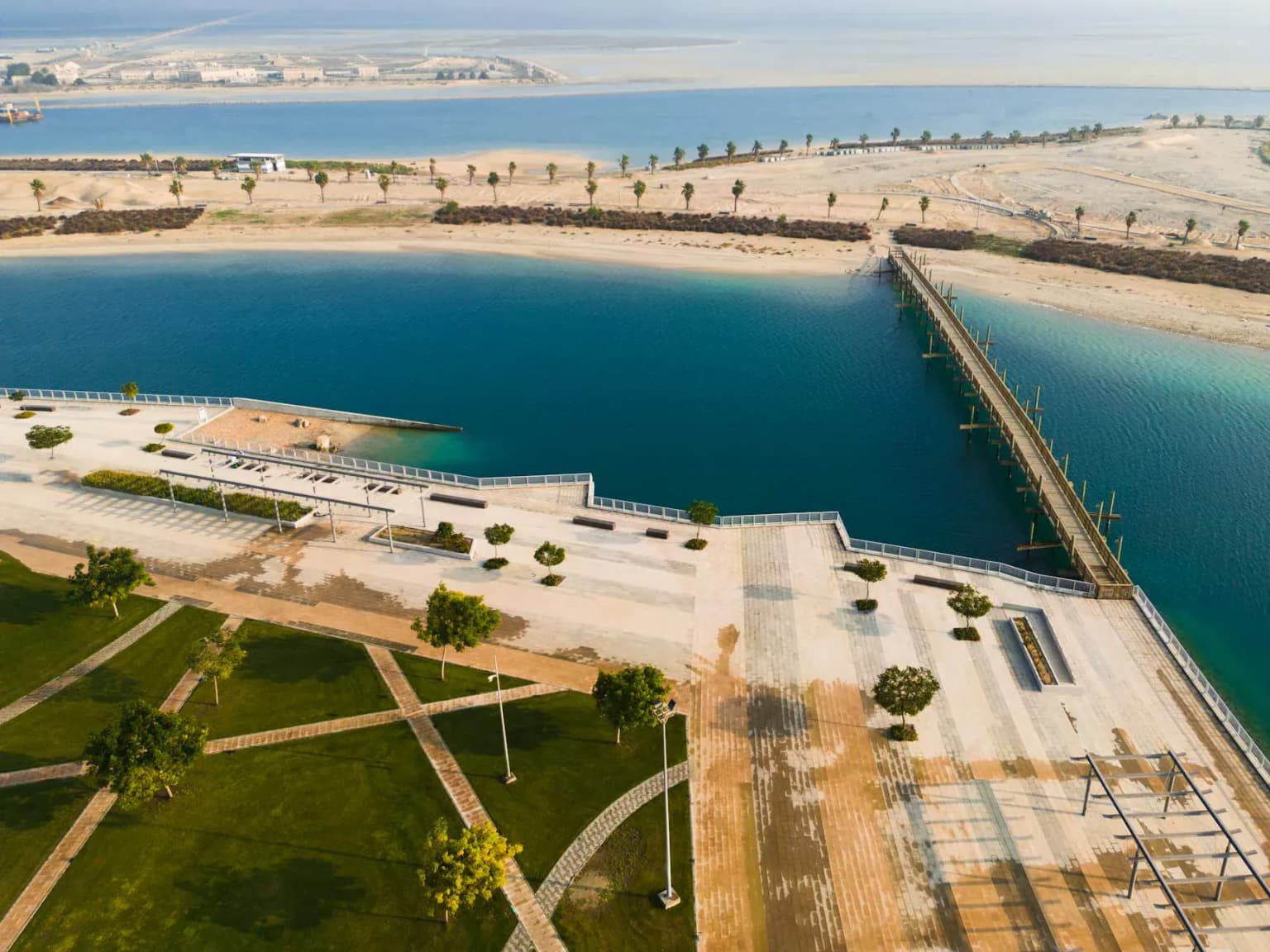
Khobar Corniche · King Fahd Causeway · Sunset Beach
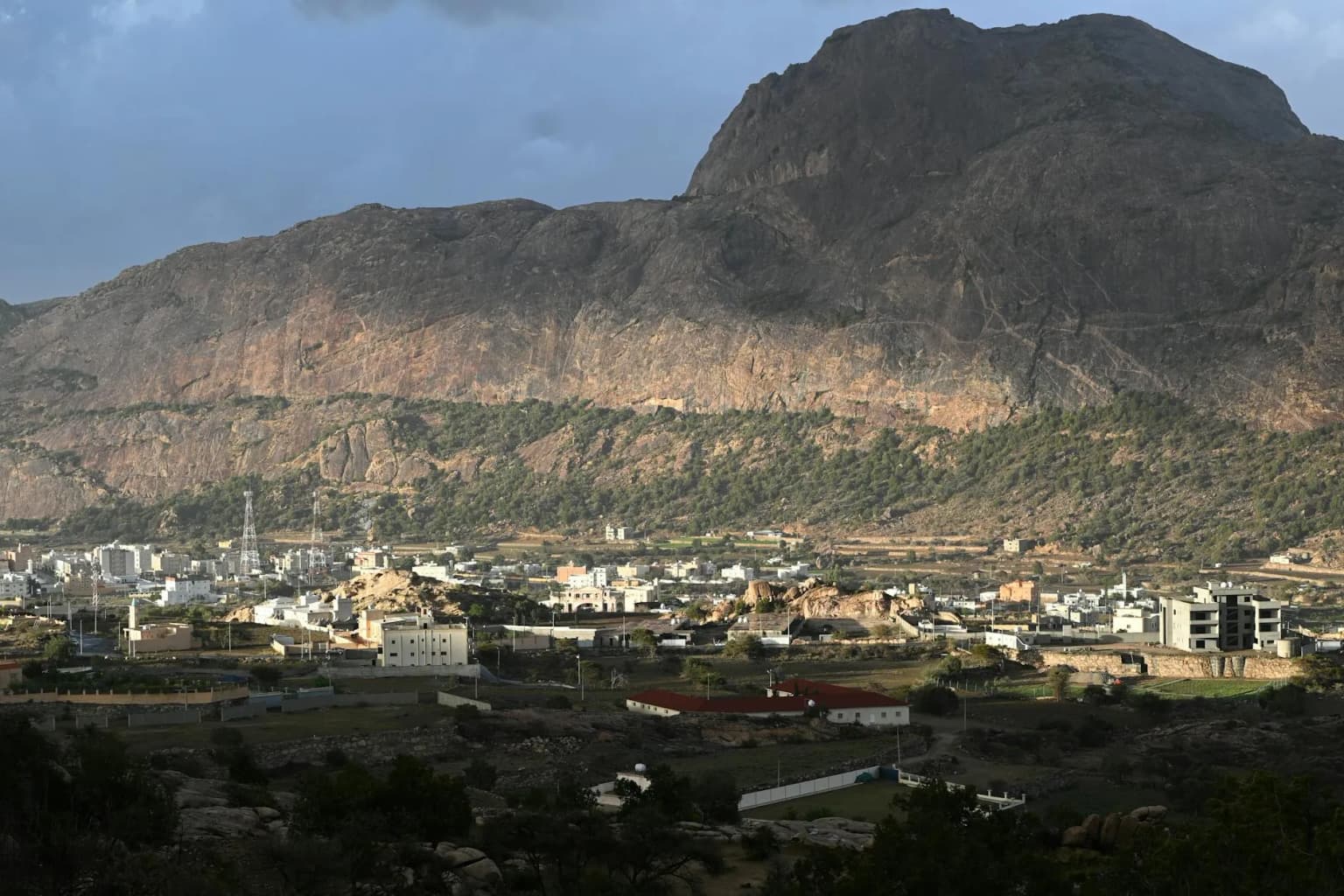
Asir National Park · Green Mountain (Jabal Akhdar) · Habala Village
Fanateer Beach · Jubail Mangrove Park · Royal Commission Parks