Loading city information...
Join our Facebook Group: Join: Expats in Saudi Arabia
Loading city information...
Your complete guide to Jeddah, Saudi Arabia's cosmopolitan Red Sea gateway. Explore the UNESCO-listed Al-Balad district, dine on fresh seafood along the Corniche, and discover why this ancient port city is one of the most vibrant destinations in the Kingdom.
Jeddah is Saudi Arabia's second-largest city and its undisputed commercial capital on the Red Sea coast. For over 2,500 years, this port city has welcomed traders, pilgrims, and travelers from every corner of the world, creating a uniquely cosmopolitan atmosphere unlike anywhere else in the Kingdom. The UNESCO-listed Al-Balad historic district preserves centuries of coral-stone architecture with its iconic wooden rawasheen balconies, while the modern city stretches along a stunning 19-mile (30-km) waterfront corniche lined with sculptures by world-renowned artists. Known affectionately as the "Bride of the Red Sea," Jeddah blends Hejazi heritage, international influences, and a relaxed coastal energy that makes it one of the most welcoming cities in Saudi Arabia for visitors and residents alike.
Whether you are interested in history, culture, architecture, or simply experiencing authentic Saudi life, Jeddah offers something for every type of traveler.
Al-Balad is the beating heart of old Jeddah and a UNESCO World Heritage Site since 2014. This ancient quarter dates back over 2,500 years as a trading hub on the Red Sea, and its narrow alleyways are lined with hundreds of coral-stone buildings adorned with intricately carved wooden rawasheen (projecting enclosed balconies). These distinctive latticed balconies allowed air circulation while providing privacy -- a masterpiece of pre-air-conditioning architecture. Walking through Al-Balad feels like stepping into a living museum, with traditional souqs selling perfumes, spices, and textiles, alongside restored heritage buildings now housing galleries and cafes. The district is undergoing a massive restoration effort as part of the Jeddah Historic District Program, and new cultural venues are opening regularly.
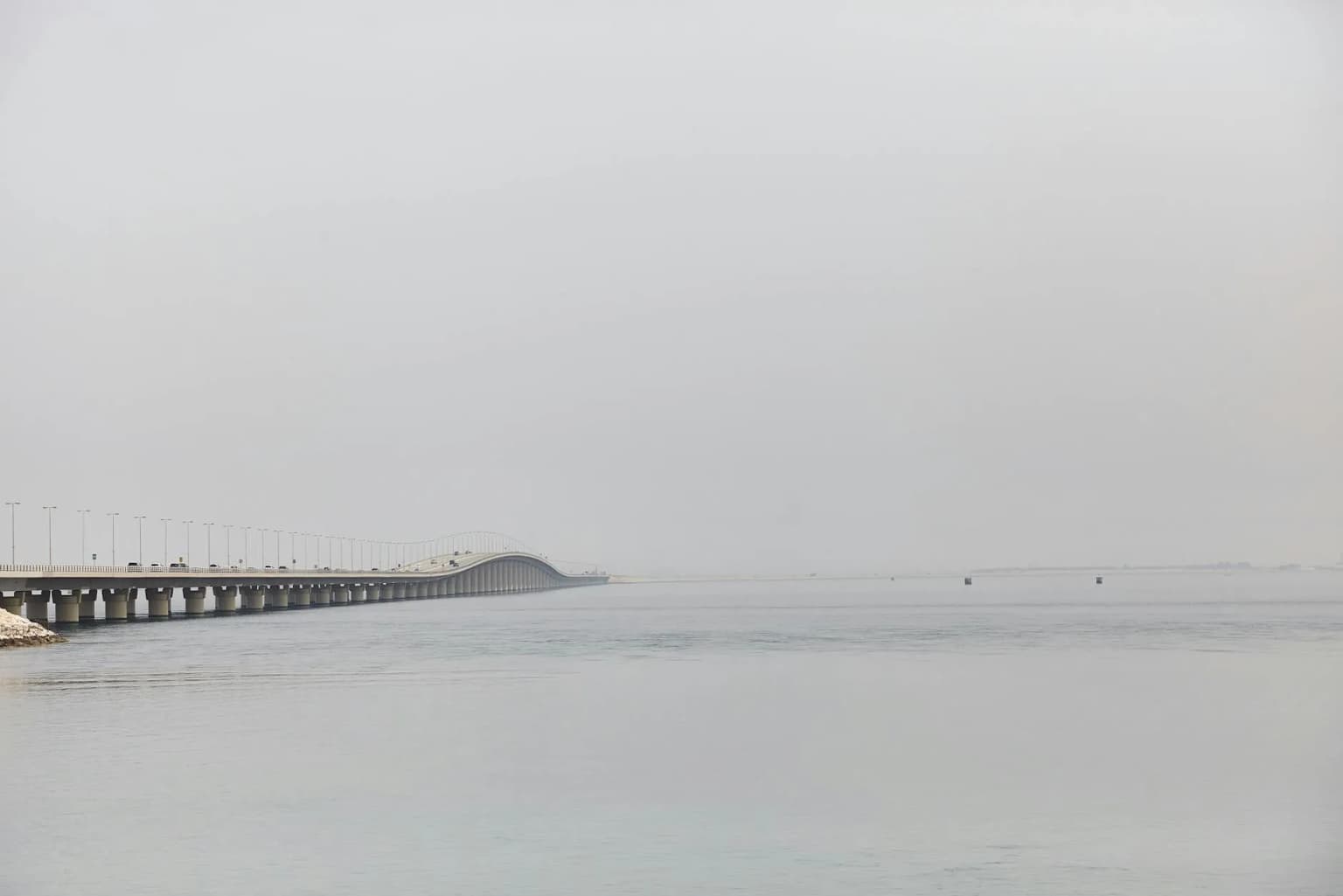
The King Fahd Fountain holds the Guinness World Record as the tallest water fountain on Earth, shooting Red Sea water to a staggering height of 1,024 feet (312 m) at speeds of up to 233 mph (375 km/h). Located just offshore in the Red Sea along the Jeddah Corniche, the fountain is visible from almost anywhere along the waterfront and serves as the city's most iconic modern landmark. It operates most evenings and is illuminated by over 500 spotlights that create a dazzling display against the night sky. The fountain was donated to the city by King Fahd bin Abdulaziz in the 1980s and has become synonymous with Jeddah itself.
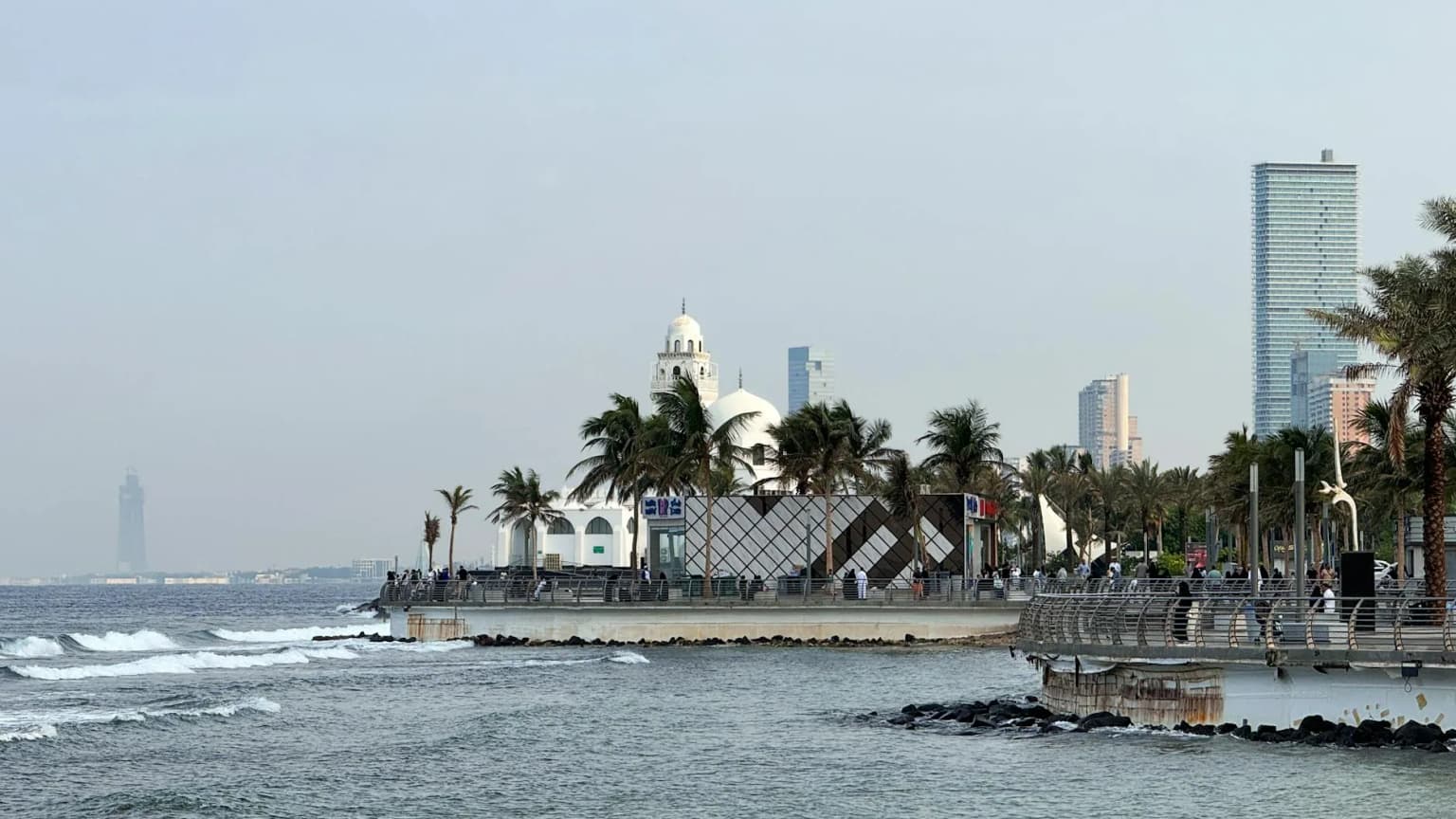
Stretching for approximately 19 miles (30 km) along the Red Sea coast, the Jeddah Corniche is one of the longest and most beautiful urban waterfronts in the world. This sprawling public promenade features landscaped parks, playgrounds, outdoor exercise areas, fishing spots, and dozens of sculptures by internationally acclaimed artists including Henry Moore and Joan Miro. Families, joggers, and cyclists fill the Corniche every evening, and the waterfront comes alive after sunset with food vendors, picnicking groups, and the warm glow of the King Fahd Fountain in the distance. The Corniche has undergone significant upgrades in recent years with improved pedestrian paths, seating areas, and lighting.
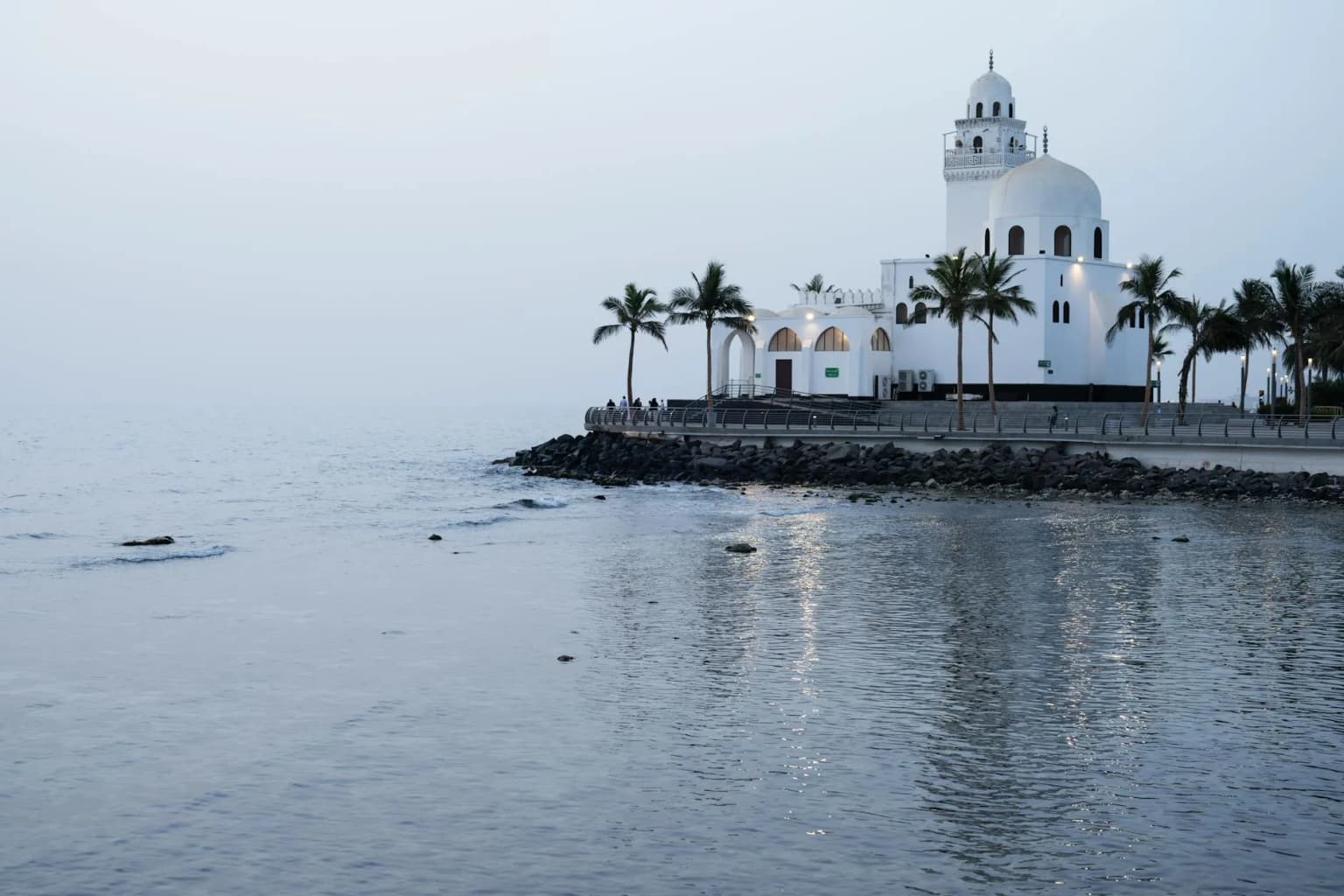
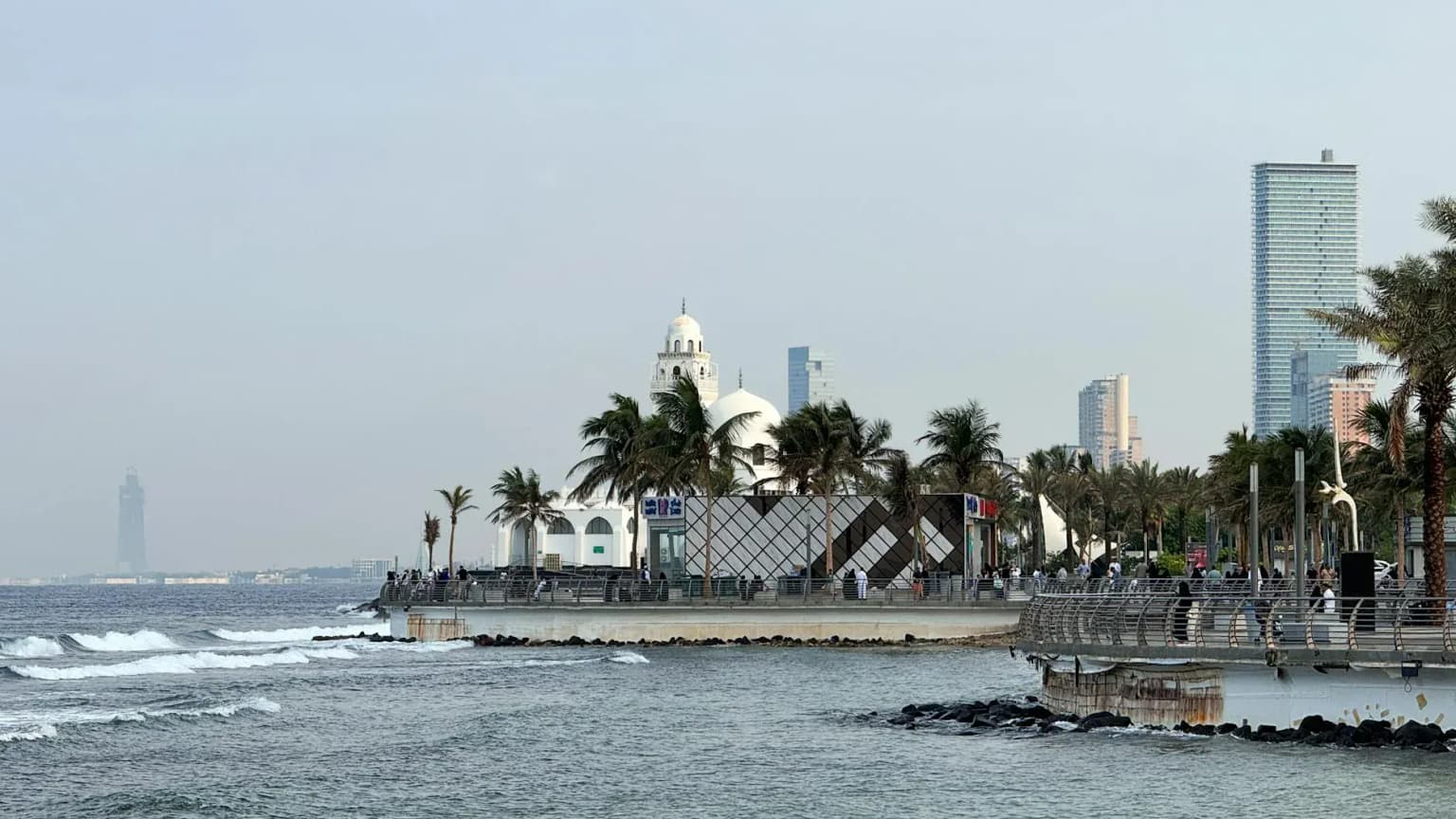
The Al Rahma Mosque, commonly known as the Floating Mosque, is one of Jeddah's most photographed landmarks. Built on pillars over the Red Sea, the mosque appears to float on the water's surface during high tide, creating a breathtaking visual effect especially at sunrise and sunset. Completed in 1985, the mosque features a distinctive white exterior with a prominent turquoise dome. It is an active place of worship and welcomes Muslim visitors for prayers. Non-Muslim visitors can admire and photograph the mosque from the surrounding Corniche area, where the combination of the white structure against the turquoise Red Sea makes for stunning photographs.
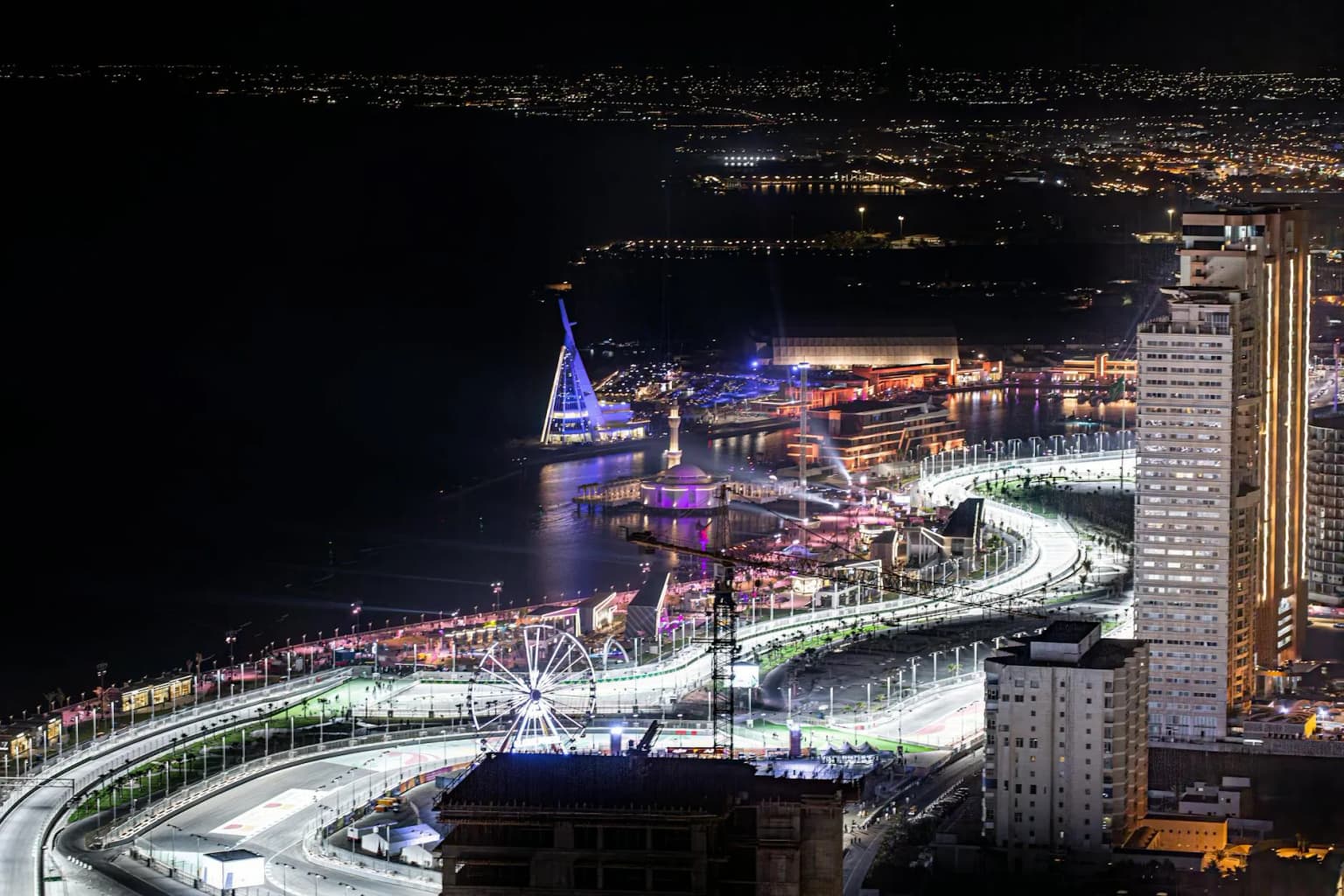
The Jeddah Waterfront, also known as the New Corniche, is the city's premier upscale waterfront development. Home to the Jeddah Yacht Club, luxury restaurants, and modern entertainment venues, this polished district represents the modern face of the city. The waterfront features manicured gardens, public art installations, a marina filled with private yachts, and a selection of high-end dining options with stunning sea views. Weekend evenings are especially lively, with families and groups gathering to enjoy the sea breeze, dine al fresco, and watch the boats glide across the harbor. The development has become a favorite meeting point for Jeddah's social scene.
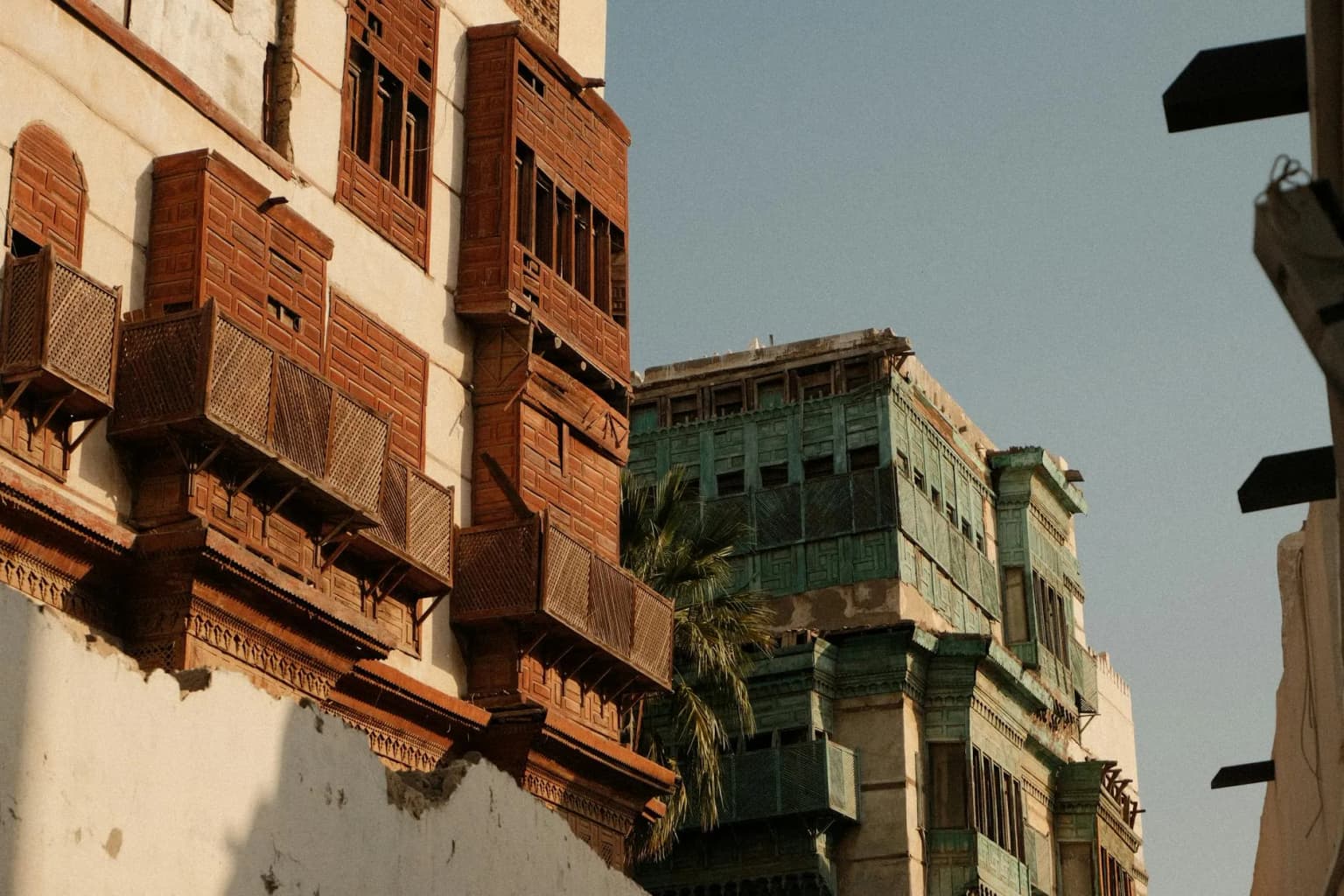
Nassif House is one of the finest examples of traditional Hejazi architecture in Al-Balad and one of Jeddah's most important heritage buildings. Built in the 1870s by the wealthy merchant Omar Nassif, this imposing four-story coral-stone mansion once served as a guest house for King Abdulaziz when he first entered Jeddah in 1925. The house features over 40 rooms arranged around a central courtyard, with elaborate rawasheen balconies and a rare interior tree that grows through the building's core. Now a museum, Nassif House displays period furniture, photographs, manuscripts, and artifacts that tell the story of Jeddah's merchant class and the city's role in the founding of modern Saudi Arabia.
Click on a numbered marker to see the attraction name. Numbers correspond to the attraction order below.
Discover and book guided tours, skip-the-line tickets, and unique experiences in Jeddah.
Jeddah's food scene is the most diverse in Saudi Arabia, shaped by centuries of cultural exchange through its port. Hejazi cuisine -- the region's signature cooking style -- blends Arabian, Turkish, Indian, and East African flavors in ways you will not find anywhere else in the Kingdom. The city is famous for its fresh Red Sea seafood, creamy saleeg (rice cooked in milk), and slow-roasted mandi. Jeddah is also the birthplace of Al Baik, the wildly popular fried chicken chain that has achieved cult status across Saudi Arabia. From hole-in-the-wall fish grills near the Corniche to refined Hejazi fine dining, Jeddah rewards adventurous eaters at every price point.
Saleeg A beloved Hejazi comfort dish of rice slow-cooked in seasoned milk until it reaches a creamy, almost risotto-like consistency, typically served with roasted chicken on top. The rice absorbs the rich, savory milk broth and is finished with a drizzle of ghee. Every Jeddah family has their own version, and debates over the best saleeg in the city are a local pastime. A plate typically costs 30-60 SAR.
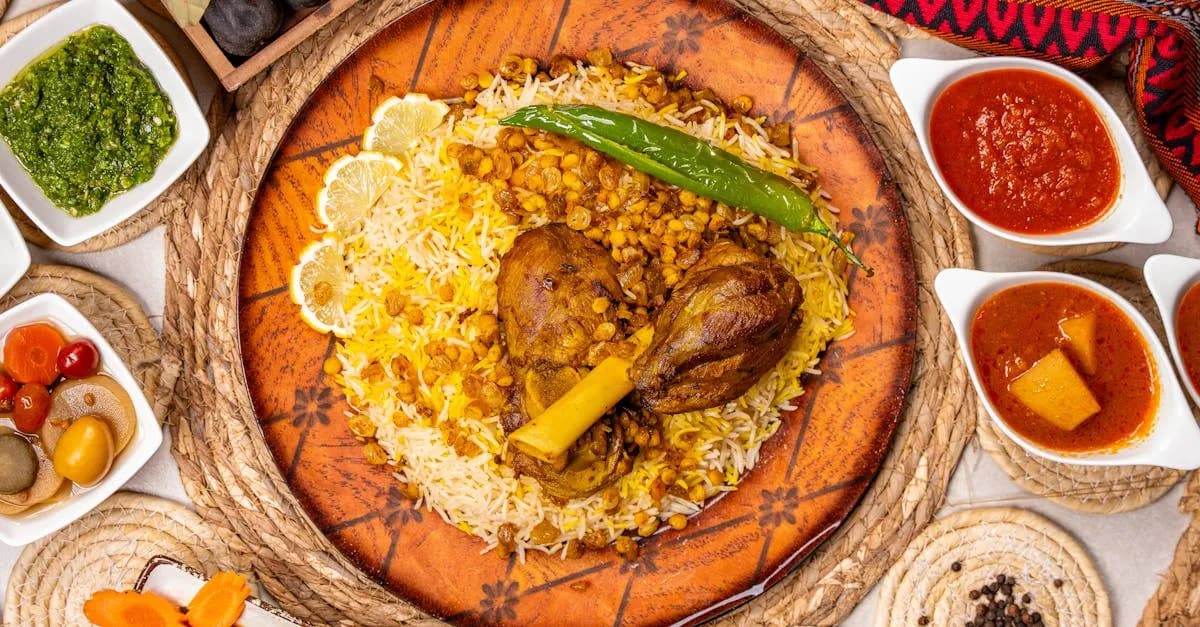
Mandi Tender slow-cooked lamb or chicken served over fragrant long-grain rice that has been smoked in a tandoor-style pit. The meat is seasoned with a distinctive blend of spices including dried limes, cardamom, and saffron, then cooked for hours until it falls off the bone. Mandi is a staple of celebratory meals and a must-try in Jeddah. A plate typically costs 40-80 SAR.
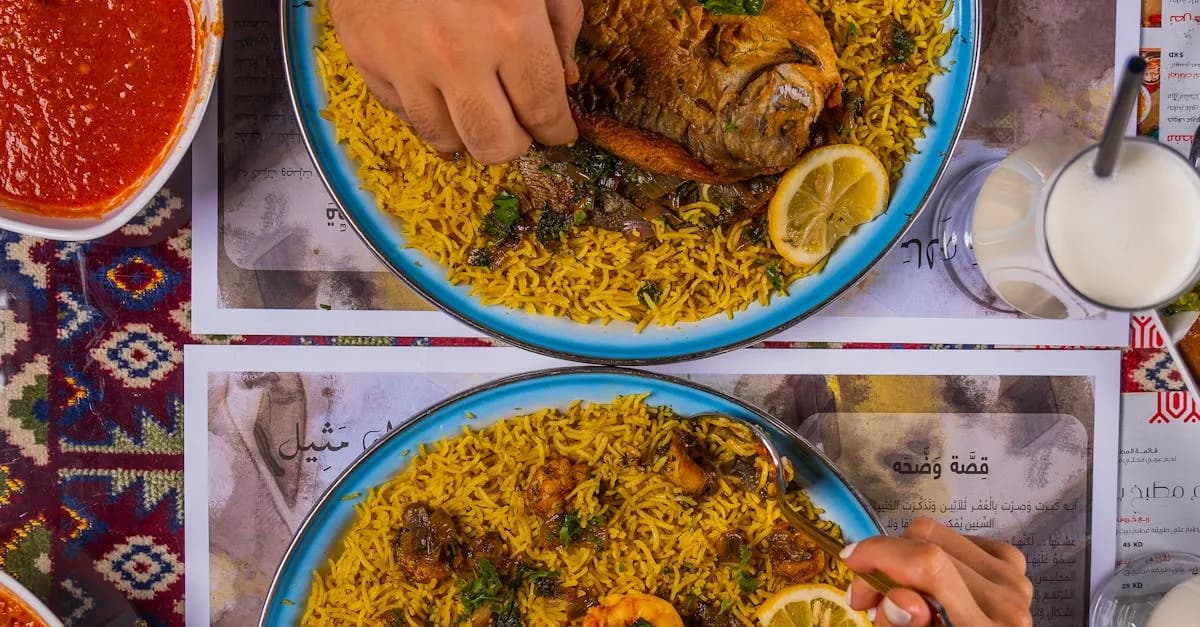
Fresh Red Sea Fish Jeddah's proximity to the Red Sea means incredibly fresh seafood is available daily. Hammour (grouper), najil (coral trout), and shrimp are the stars, typically grilled whole over charcoal or fried with a spiced flour coating. Many restaurants near the fish market let you choose your fish and have it prepared to order. A plate typically costs 50-120 SAR.
Al Baik Fried Chicken Born in Jeddah in 1974, Al Baik is Saudi Arabia's most iconic fast food chain and a genuine cultural phenomenon. The crispy, heavily seasoned fried chicken and garlic sauce have inspired a devoted following that borders on obsession. No visit to Jeddah is complete without trying the original. Expect queues at popular branches. A plate typically costs 15-30 SAR.
Hejazi Foul and Tamees A quintessential Jeddah breakfast: slow-cooked fava beans (foul) seasoned with cumin, olive oil, lemon, and chili, scooped up with fresh-from-the-oven tamees flatbread. Street vendors and small neighborhood shops serve this hearty, affordable meal from early morning, and it remains a daily ritual for many Jeddawis. A plate typically costs 10-20 SAR.
Al Baik (Multiple locations) The legendary Jeddah-born fried chicken chain. Multiple locations across the city, but the Al-Balad and Corniche branches carry extra nostalgia. The broasted chicken meal with garlic sauce is the classic order. Expect to pay around 15-30 SAR.
Al Atawla (Various locations) A celebrated Hejazi restaurant known for authentic traditional dishes prepared with family recipes passed down through generations. The saleeg and mandi are outstanding, and the restaurant's atmospheric setting makes for a memorable dining experience. Expect to pay around 60-120 SAR.
Beit Misk (Al Hamra) One of the finest Hejazi cuisine restaurants in Jeddah, offering elevated traditional dishes in a beautifully designed space. Their interpretation of classic Hejazi recipes uses premium ingredients while staying true to authentic flavors. The Red Sea seafood dishes are particularly recommended. Expect to pay around 150-350 SAR.
Twina Fish Restaurant (South Corniche / Fish Market area) A beloved local institution near the fish market area, Twina serves some of the freshest and most flavorful grilled fish in the city. Choose your catch of the day and have it prepared exactly to your liking. The atmosphere is casual and bustling -- pure Jeddah. Expect to pay around 60-100 SAR.
Mama Noura (Multiple locations) A Jeddah staple for shawarma and grilled meats, Mama Noura has been serving loyal customers for decades. The chicken shawarma and mixed grills are consistently excellent, and it is the kind of unpretentious, high-quality spot that locals swear by for a quick, satisfying meal. Expect to pay around 20-50 SAR.
Jeddah restaurants tend to open late -- lunch is typically from 1 PM to 4 PM, and dinner often does not get going until 9 PM or later.
Many seafood restaurants near the fish market let you select your fish and choose how it is prepared (grilled, fried, or sayadiya-style with rice).
Budget meals at local restaurants and fast food chains cost 30-100 SAR per person. Fine dining and upscale seafood restaurants range from 150-350 SAR.
During Ramadan, most restaurants close during the day but come alive after iftar. Some of the best Ramadan dining experiences in the Kingdom happen in Jeddah.
Try foul and tamees for breakfast at a neighborhood shop -- it is the authentic Jeddah morning experience and costs under 20 SAR.
The Corniche and fish market areas have some of the best casual seafood in the city at very reasonable prices.
Jeddah has a wide range of grocery options from international hypermarkets to traditional wet markets. Danube, Tamimi Markets, and Carrefour are the major chains with well-stocked international sections. For the freshest produce and spices, visit the central fish market near the Corniche or the traditional vegetable souqs in Al-Balad. Panda and BinDawood offer good value for everyday shopping. The city's diverse population means you can find specialty ingredients from South Asian, Southeast Asian, African, and Middle Eastern cuisines in dedicated shops throughout the city.
Choosing the right area can make or break your trip. Here is a quick guide to Jeddah's neighborhoods to help you pick the best base for your visit.
Click on an area for details. Zones are approximate.
| Neighborhood | Price Level | Why Stay Here |
|---|---|---|
| Al Hamra | High | Upscale waterfront district along the northern Corniche popular with professionals and diplomats, offering luxury apartments with sea views, high-end international restaurants, seaside promenades, and easy access to the city's best diving centres. |
| Al Rawdah | Medium-High | One of Jeddah's most popular family-oriented residential areas, with well-regarded international schools, the large Red Sea Mall and Al Salaam Mall nearby, leafy streets lined with villas and modern apartment buildings, and a strong sense of community. |
| Al Andalus | Medium | A well-established and centrally located residential neighbourhood that offers a good balance of affordability and convenience, with family-friendly parks, local shops, and easy access to Tahlia Street's dining and retail strip. |
| Al Balad (Historic Jeddah) | Low-Medium | The UNESCO World Heritage old town with traditional coral-stone buildings, carved wooden rawasheen balconies, atmospheric souqs selling perfumes and spices, and a growing arts and cafe scene as the district undergoes an ambitious restoration programme. |
| Obhur | High | A northern coastal area centred around a scenic creek inlet, popular for its beach resorts, yacht clubs, floating restaurants, and relaxed waterfront lifestyle that feels like a permanent holiday for residents who can afford the premium rents. |
Hotel prices correlate with neighborhood rent levels. For longer stays, consider renting an apartment for better value. Planning to relocate? See our full Jeddah living guide.
Getting around Jeddah is easier than navigating Riyadh, partly because the city stretches linearly along the Red Sea coast, giving it a more intuitive layout. The Corniche road serves as the main north-south artery and is the reference point most people use for navigation. While there is no metro system yet (the Jeddah BRT is under development), ride-hailing apps work exceptionally well and are the most practical way for visitors to get around. The city is also a key node on the Haramain High-Speed Railway, connecting Jeddah to Mecca and Medina by train.
Uber / Careem (15-40 SAR for most trips within the city) The most convenient and widely used transport option in Jeddah. Both apps are reliable with short wait times throughout the city. Prices are reasonable, and drivers generally know the main landmarks and neighborhoods well. Careem is the regional app and sometimes offers better rates for shorter trips.
Taxi (Similar to ride-hailing; airport to center 40-70 SAR) Traditional taxis are available but less common than ride-hailing. Official airport taxis operate on a meter or fixed-price system. If using a street taxi, always agree on the fare before getting in or insist on the meter.
Haramain High-Speed Railway (Jeddah to Mecca: ~50 SAR; Jeddah to Medina: ~150 SAR) The high-speed rail service connects Jeddah to Mecca (30 minutes) and Medina (approximately 2 hours) via the King Abdullah Economic City station. The trains are modern, comfortable, and punctual. Tickets can be booked via the SAR app or at station counters. This is by far the best way to reach Mecca and Medina from Jeddah.
Car Rental (150-300 SAR per day depending on vehicle type) Useful if you plan to explore the Corniche at your own pace, take day trips to Taif or along the coast, or visit areas not well served by ride-hailing. Major international and local rental agencies are available at the airport and throughout the city. Driving in central Jeddah can be hectic, but the coastal roads and highway to Taif are excellent.
SAPTCO Buses (3-5 SAR per trip) Public buses operate several routes across the city but service is limited and schedules can be irregular. Buses are mainly used by budget-conscious residents and are not the most practical option for visitors. The planned Bus Rapid Transit (BRT) system will improve public transport significantly once completed.
King Abdulaziz International Airport (JED) is located approximately 12 miles (20 km) north of the city center. The airport underwent a major expansion with a new terminal that opened in 2019, dramatically improving the arrival experience. A taxi or ride-hailing trip from the airport to central Jeddah takes 20-30 minutes and costs 40-70 SAR, depending on the destination and traffic. The airport serves as the main gateway for Hajj and Umrah pilgrims, so expect increased traffic and crowds during the Hajj season and Ramadan. There is a dedicated Hajj terminal for pilgrim flights.
Jeddah drivers can be aggressive, particularly on the main highways and during rush hour. The Corniche road and Palestine Street (Tahlia) are the two main arteries to learn. Roundabouts are common and right-of-way rules are often interpreted loosely. Parking can be challenging in Al-Balad and the central Corniche area -- consider parking further away and walking. The highway to Taif via the Al Hada mountain road is spectacular but has sharp switchbacks that require careful driving. Flash flooding occasionally closes roads after rare heavy rains, so monitor weather alerts during winter.
Useful apps: Uber -- most reliable ride-hailing in Jeddah with wide coverage, Careem -- regional alternative, sometimes better rates for short trips, SAR (Saudi Railway) -- booking Haramain High-Speed Rail tickets to Mecca and Medina, Google Maps -- generally accurate for navigation in Jeddah, including traffic conditions, Waze -- helpful for avoiding traffic jams on the Corniche and main highways, Hungerstation / Jahez -- food delivery apps with wide restaurant coverage across the city.
Jeddah's strategic location on the Red Sea coast, at the foot of the Hejaz Mountains, makes it an ideal base for day trips that range from mountain retreats and volcanic landscapes to holy cities and pristine coral reefs. The Haramain High-Speed Railway puts Mecca and Medina within easy reach, while the dramatic Al Hada mountain road to Taif is one of the best drives in the Kingdom. Whether you are seeking natural wonders, spiritual experiences, or coastal adventures, you can be there and back in a single day from Jeddah.
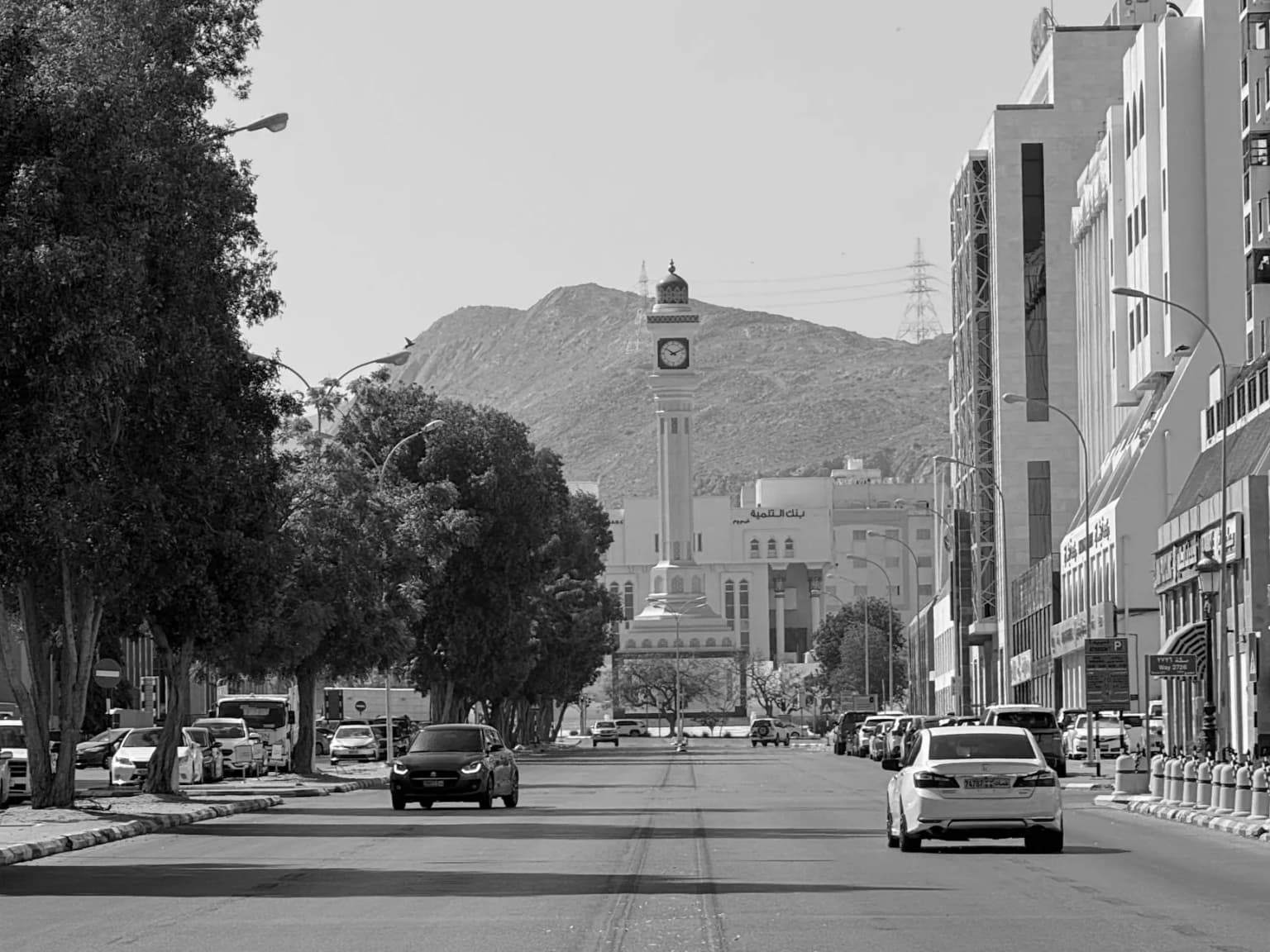
Perched at 5,906 feet (1,800 m) in the Hejaz Mountains just 106 miles (170 km) east of Jeddah, Taif offers a dramatic escape from the coastal heat. Known as the City of Roses, Taif is famous for its fragrant Taif rose farms, which supply the prized rose oil used in perfumery across the Middle East. The drive from Jeddah via the Al Hada mountain road is one of the most spectacular in Saudi Arabia, featuring 120 hairpin turns with breathtaking views over the escarpment. In Taif, visit the rose distilleries (especially during the April-May rose season), browse the historic souqs for honey and local produce, explore the Ottoman-era Shubra Palace, and enjoy temperatures that can be 18-27°F (10-15°C) cooler than Jeddah. The cable car at Al Hada offers panoramic views of the surrounding mountains and valleys.
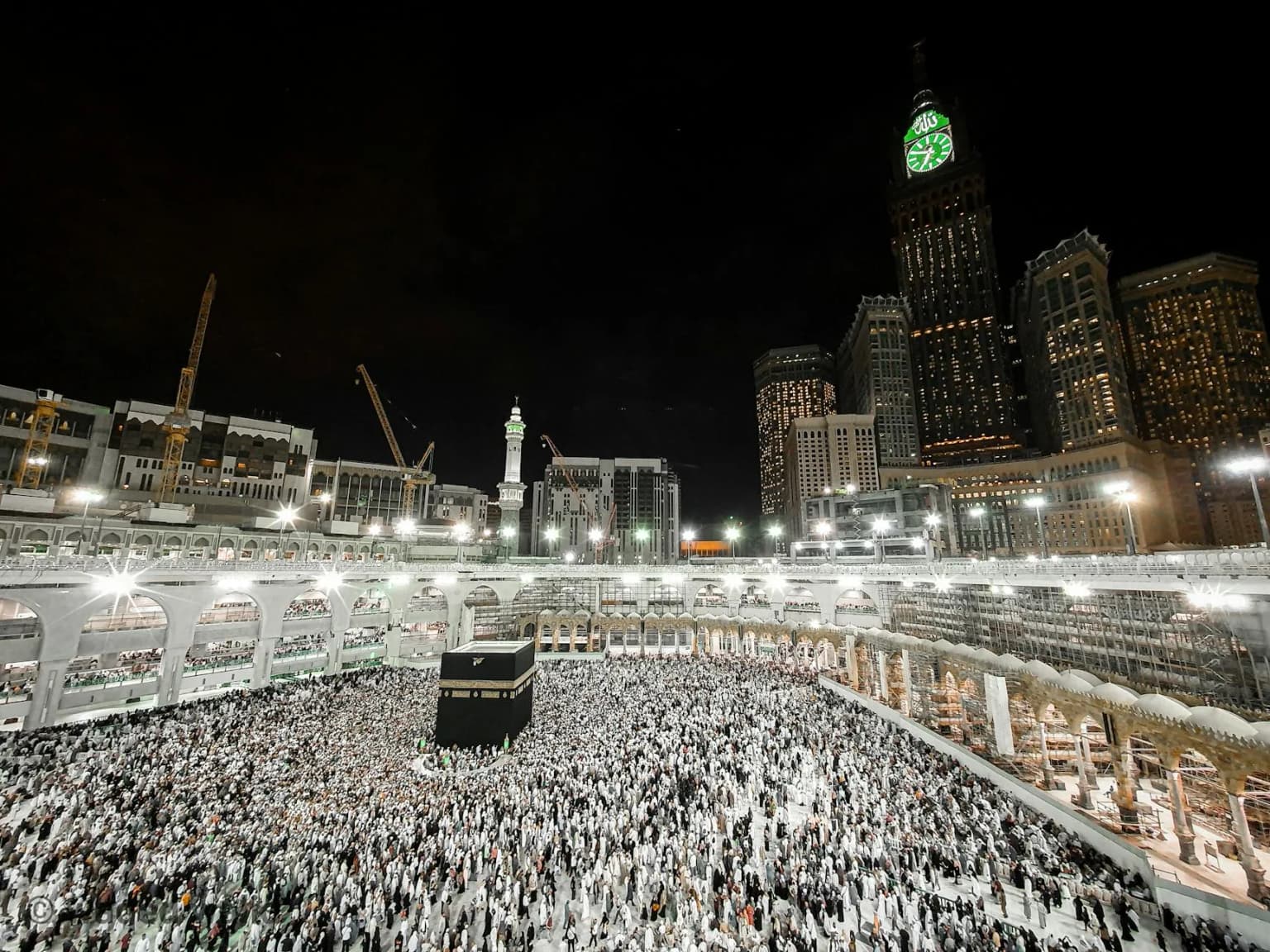
The holiest city in Islam is just 50 miles (80 km) east of Jeddah, making it one of the easiest and most meaningful day trips in the Kingdom for Muslim visitors. The Haramain High-Speed Railway covers the distance in just 30 minutes, or you can drive in about an hour. Visit the magnificent Masjid al-Haram (Grand Mosque), perform Umrah, and explore the expanded complex around the mosque, including the Abraj Al-Bait clock tower and the surrounding markets. The city also has several historical sites including Jabal al-Nour (Mountain of Light) where the first Quranic revelation was received. Note that entry to Mecca is strictly restricted to Muslims only, and visitors should carry identification confirming their faith.

One of Saudi Arabia's most extraordinary natural wonders, Al Wahbah is a massive volcanic crater approximately 1.2 miles (2 km) wide and 820 feet (250 m) deep, with a shimmering white sodium phosphate floor that glows under the desert sun. Located about 186 miles (300 km) northeast of Jeddah in the Harrat Kishb lava field, the crater was formed by a phreatic explosion when groundwater met volcanic magma. You can hike down into the crater (allow 30-45 minutes for the descent and longer for the climb back up), but bring plenty of water and start early in the morning to avoid the midday heat. The drive crosses dramatic volcanic landscapes of black basalt fields dotted with ancient lava flows. A 4x4 vehicle is recommended for the final stretch of unpaved road. Best combined with a visit to Taif for a full-day adventure.

The coastal town of Thuwal, about 50 miles (80 km) north of Jeddah, is home to the King Abdullah University of Science and Technology (KAUST), one of the most advanced research universities in the Middle East. The KAUST campus is a striking piece of modern architecture set on the Red Sea shore, and the surrounding area offers some of the best snorkeling and diving in the Jeddah region. The coral reefs offshore are vibrant and well-preserved, teeming with tropical fish, sea turtles, and occasional reef sharks. Thuwal itself is a small fishing village with a traditional character that contrasts sharply with the high-tech university campus. Several dive operators run trips from Thuwal to nearby reef systems. It is an ideal day trip for anyone interested in marine life, modern architecture, or simply a quieter stretch of Red Sea coastline.
Walk through the Al-Balad UNESCO World Heritage district and admire centuries of coral-stone architecture and carved wooden balconies at no cost.
Stroll the full 19-mile (30-km) Jeddah Corniche along the Red Sea, enjoying one of the world's longest urban waterfronts with parks, playgrounds, and sea views.
Discover the open-air sculpture museum along the Corniche, featuring over 500 works by internationally renowned artists including Henry Moore, Joan Miro, and Alexander Calder.
Visit the Al Rahma Floating Mosque, one of Saudi Arabia's most iconic religious buildings, perched on pillars over the Red Sea.
Relax on Jeddah's public beaches along the Corniche, with free access to stretches of Red Sea waterfront popular with locals and visitors alike.
Watch the King Fahd Fountain -- the world's tallest at 1,024 feet (312 m) -- light up the evening sky from anywhere along the central Corniche.
Explore the traditional souqs of Al-Balad for free window shopping among perfume sellers, spice merchants, and craft workshops.
Al-Balad has served as a trading hub for over 2,500 years, making Jeddah one of the oldest continuously inhabited commercial ports in the world.
The King Fahd Fountain shoots Red Sea water to a height of 1,024 feet (312 m) at speeds of 233 mph (375 km/h), holding the Guinness World Record as the tallest fountain on Earth.
Jeddah is affectionately known as the "Bride of the Red Sea" -- a nickname reflecting the city's beauty, its coastal setting, and its role as the welcoming gateway to the Hejaz region.
More than 500 sculptures by world-famous artists are installed along the Jeddah Corniche, making it one of the largest open-air art galleries in the world.
Many of Al-Balad's historic buildings were constructed from Red Sea coral blocks without the use of mortar, held together by a system of interlocking stones and wooden beams that has withstood centuries of heat and humidity.
The Jeddah Tower (formerly Kingdom Tower), currently under construction near the city, is designed to reach a height of over 3,281 feet (1 km), which would make it the tallest building ever constructed.
Jeddah has historically been the most cosmopolitan city in Saudi Arabia, with many families tracing their roots to Hajj pilgrims who arrived from Africa, Central Asia, Southeast Asia, and the Levant over the centuries and decided to stay.
Popular souvenirs from Jeddah include: Oud and traditional perfumes from the souqs of Al-Balad, where family-run perfumeries have been blending fragrances for generations., Frankincense and myrrh -- aromatic resins that have been traded through Jeddah for thousands of years and remain popular for home incense burning., Premium dates, especially Ajwa and Sukkari varieties, beautifully packaged for gifting from specialty shops and supermarkets., Gold jewelry from Jeddah's gold souqs, where you can find both traditional Arabian designs and modern pieces sold by weight., Hejazi spice blends and specialty ingredients from the traditional spice markets in Al-Balad, including hawaij coffee spice and baharat mixes., Red Sea crafts and coral-inspired artwork from local artisans, reflecting the city's deep maritime heritage., Handcrafted Hejazi textiles and embroidered items from the souqs, including traditional garments and decorative fabrics unique to the region..
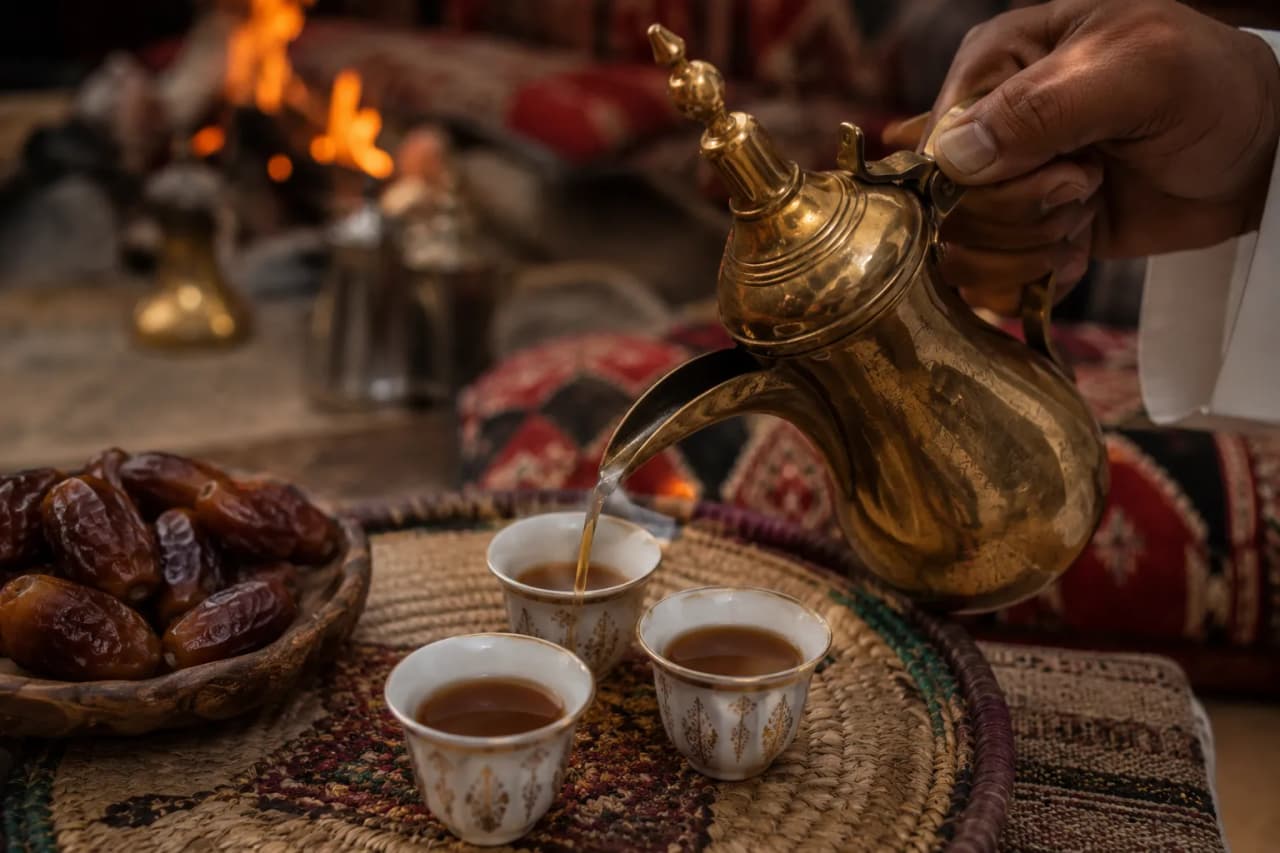
Saudi Arabian culture emphasizes hospitality, respect, and traditional values. Greet people with "As-salamu alaykum" (Peace be upon you) and accept the response "Wa alaykum as-salam." When offered Arabic coffee (qahwa) and dates, it is customary to accept at least one cup. Shake the cup gently when you have had enough.
Jeddah has a welcoming atmosphere that balances traditional Saudi values with modern openness to visitors. The city offers a range of cultural experiences from traditional souqs to modern entertainment venues.
Jeddah is the most culturally diverse city in Saudi Arabia, with a character shaped by the blending of Hejazi traditions with influences from Africa, Southeast Asia, India, and the Levant brought by centuries of Hajj pilgrims who settled along the Red Sea coast. The result is a city with a distinctly cosmopolitan feel that is evident in its vibrant street food scene, where Yemeni mandi, Indonesian nasi goreng, and Hejazi saleeg sit side by side, in its open-air sculpture gallery along the Corniche featuring works by international artists like Henry Moore and Joan Miro, and in the traditional Hejazi architecture of Al Balad with its iconic coral-stone towers and intricately carved wooden rawasheen balconies. Jeddah Season, the city's annual entertainment mega-event, brings concerts, festivals, and international performances that draw visitors from across the region.
Dress modestly in public, especially when visiting mosques and traditional areas. Women are no longer required to wear an abaya but should dress conservatively. During Ramadan, eating, drinking, and smoking in public during daylight hours should be avoided out of respect. Friday is the main day of worship, and many businesses close during Friday prayer.
Staying connected in Jeddah is easy. Saudi Arabia has excellent 4G and 5G coverage throughout the Kingdom. Free WiFi is available in most hotels, malls, and many restaurants. For mobile data, consider getting a local SIM card from STC, Mobily, or Zain at the airport or any mobile shop - prepaid plans with generous data allowances are affordable. Alternatively, use an eSIM from providers like Airalo or Holafly for seamless connectivity.
The official language is Arabic, but English is widely spoken in hotels, restaurants, malls, and tourist areas. Most signage is in both Arabic and English. Useful Arabic phrases: "Shukran" (Thank you), "Min fadlak" (Please), "La" (No), "Na'am" (Yes). Google Translate works well for Arabic. For emergencies, dial 911 for police, 997 for fire, 998 for ambulance, or 999 for traffic police.
Many visitors fall in love with Jeddah and decide to make it their home. If you are considering the move, here are the essential resources.
Cost of living, neighborhoods, job market, and expat community guide for Jeddah.
Step-by-step guide to renting in Saudi Arabia - where to search, what to expect, and how to avoid scams.
Compare Saudi banks, required documents, and how to open an account as a foreigner.
With its rich heritage, stunning landscapes, and warm hospitality, Jeddah offers an unforgettable Saudi experience.
Discover more amazing destinations across Saudi Arabia. Each city offers unique experiences, rich heritage, and unforgettable attractions.
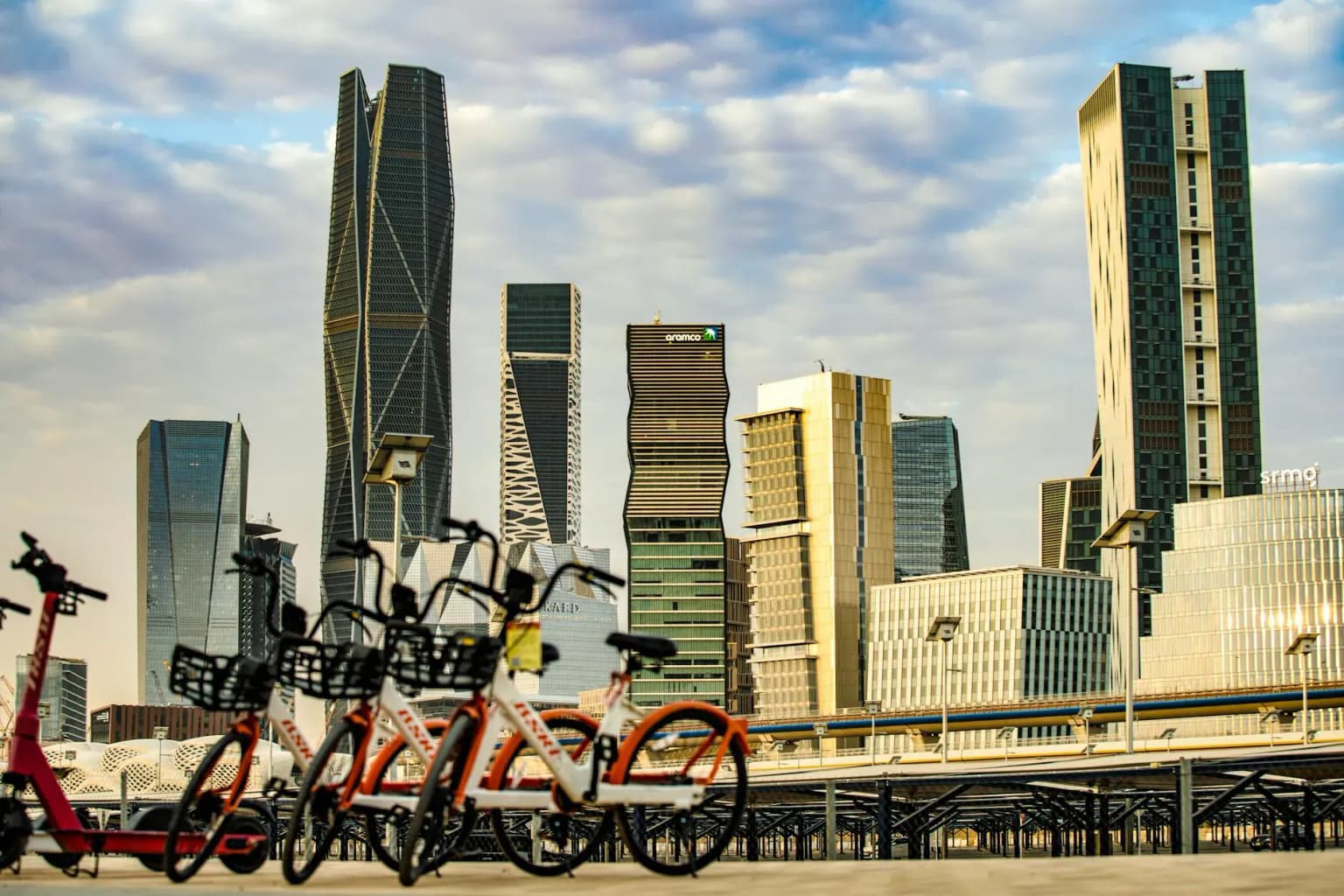
Diriyah (At-Turaif District) · Kingdom Centre Tower · National Museum of Saudi Arabia
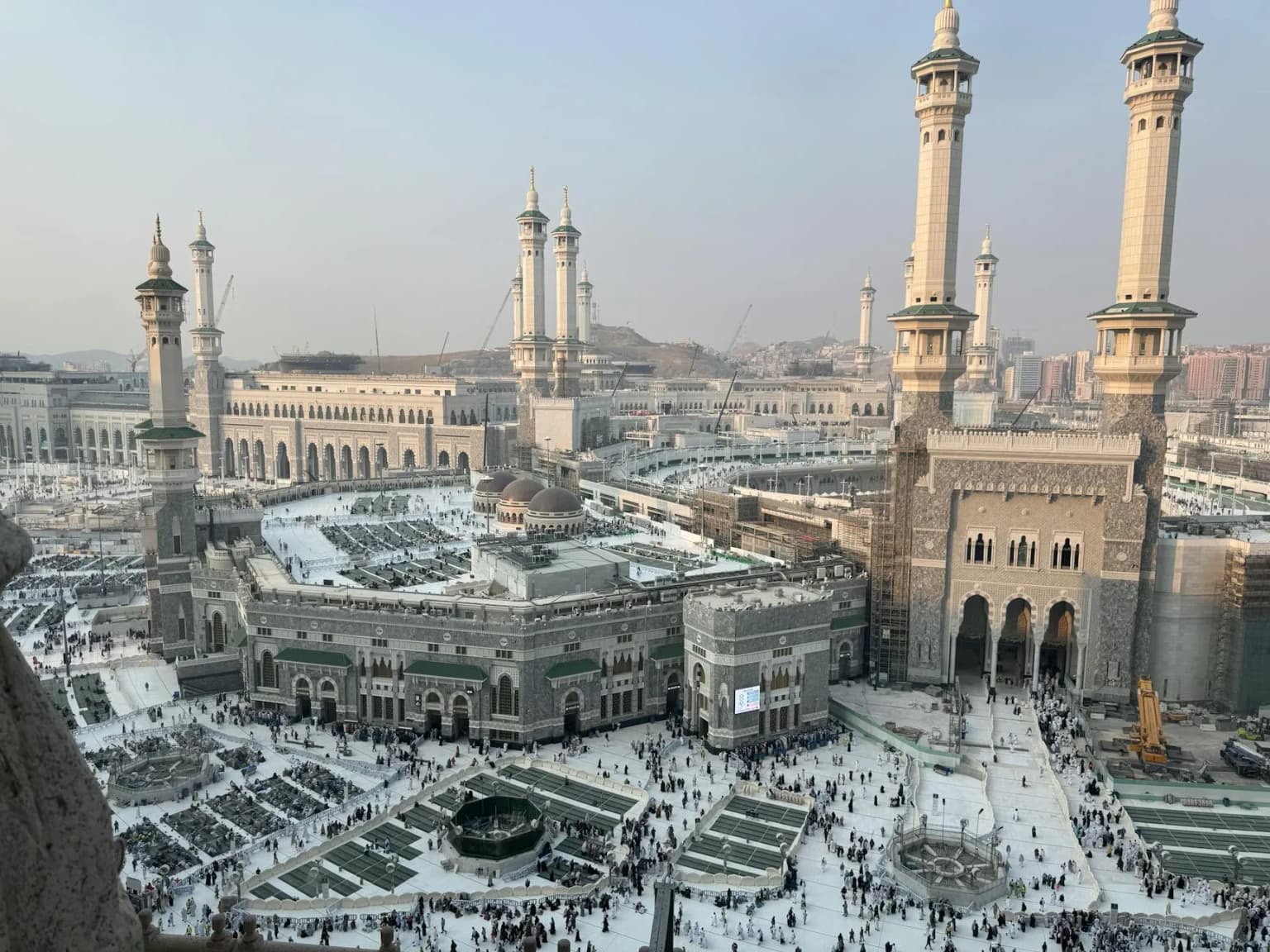
Masjid al-Haram (Grand Mosque) · The Kaaba · Abraj Al-Bait (Makkah Royal Clock Tower)
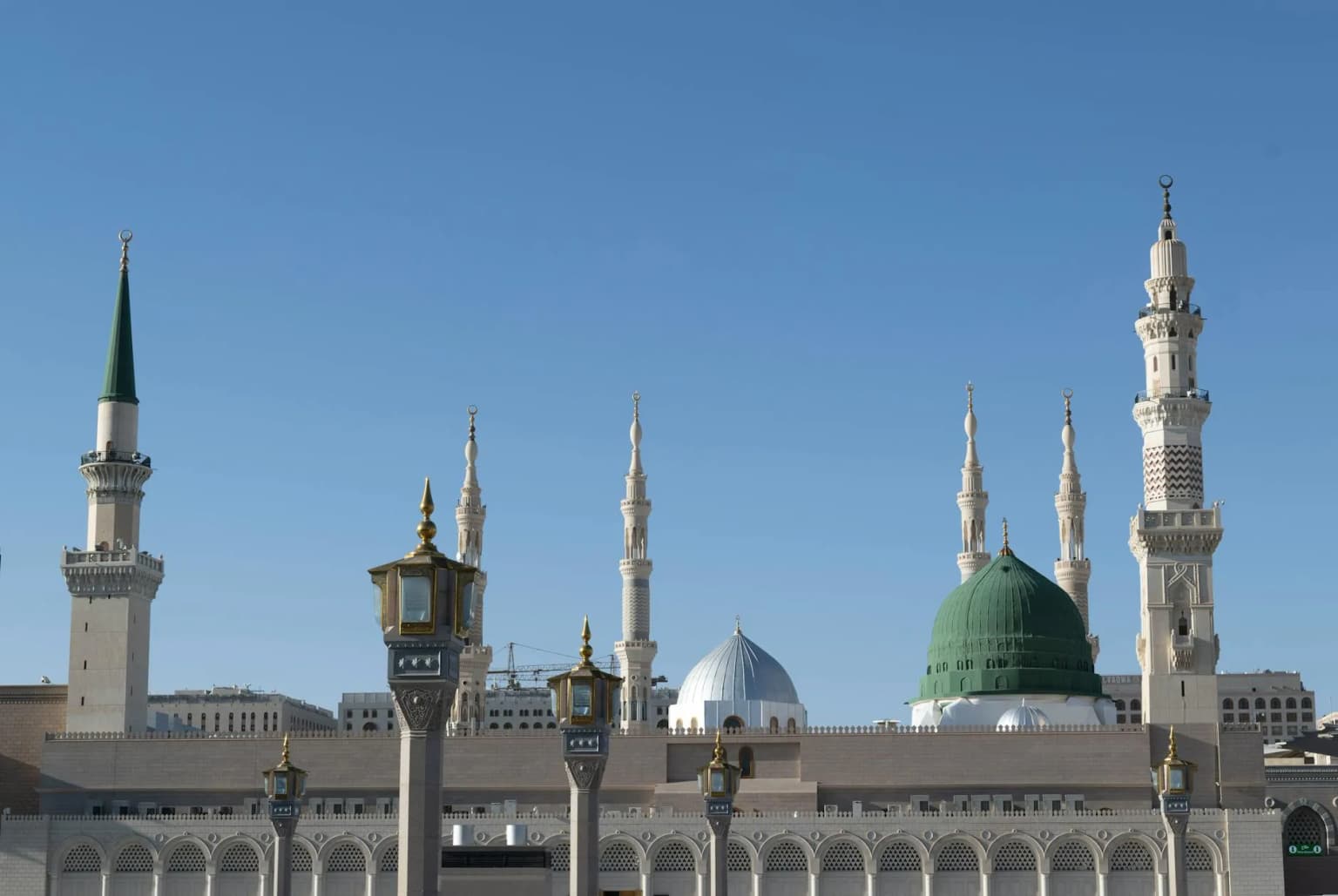
Al-Masjid an-Nabawi (Prophet's Mosque) · Quba Mosque · Mount Uhud
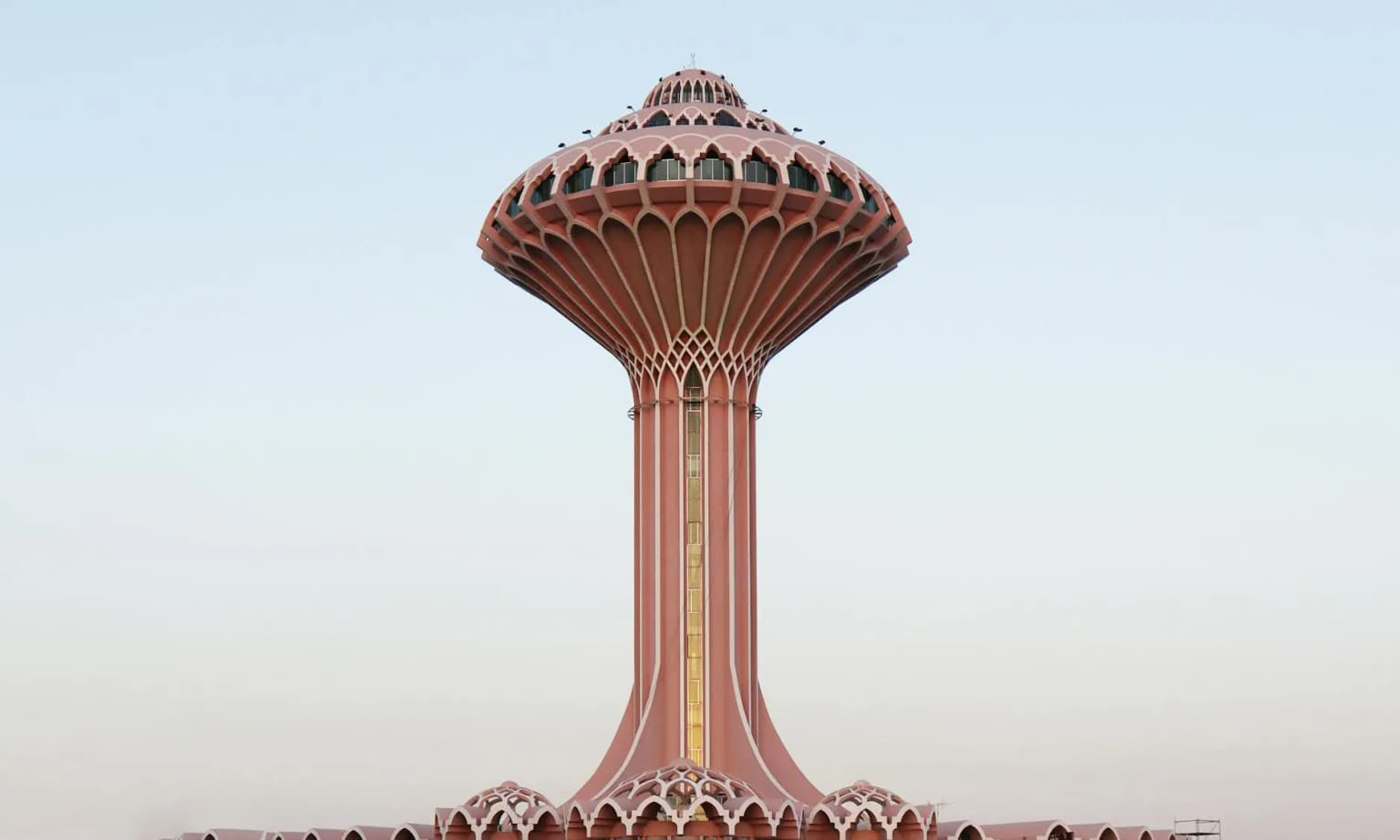
Dammam Corniche · King Abdulaziz Center for World Culture (Ithra) · Half Moon Bay
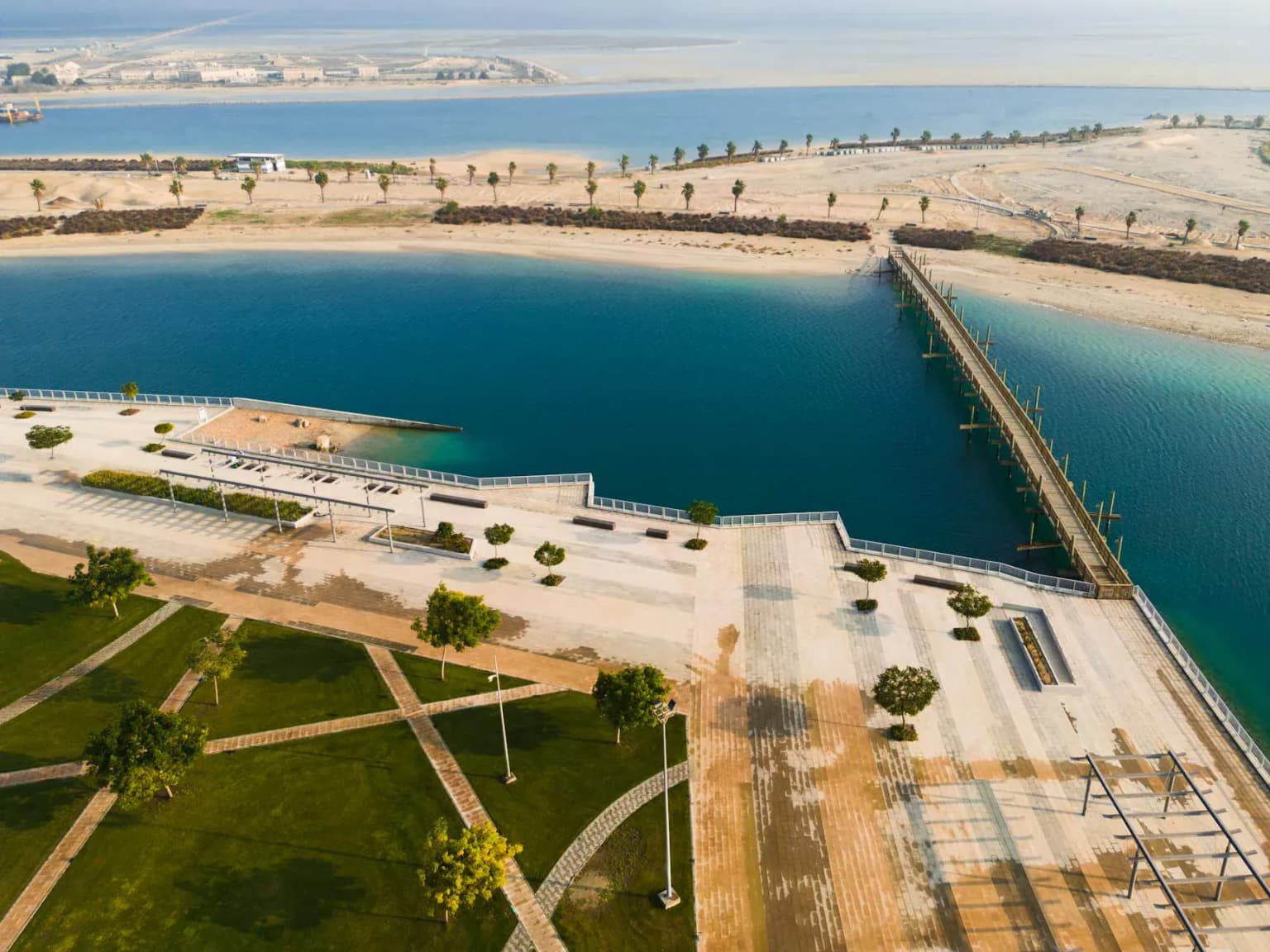
Khobar Corniche · King Fahd Causeway · Sunset Beach
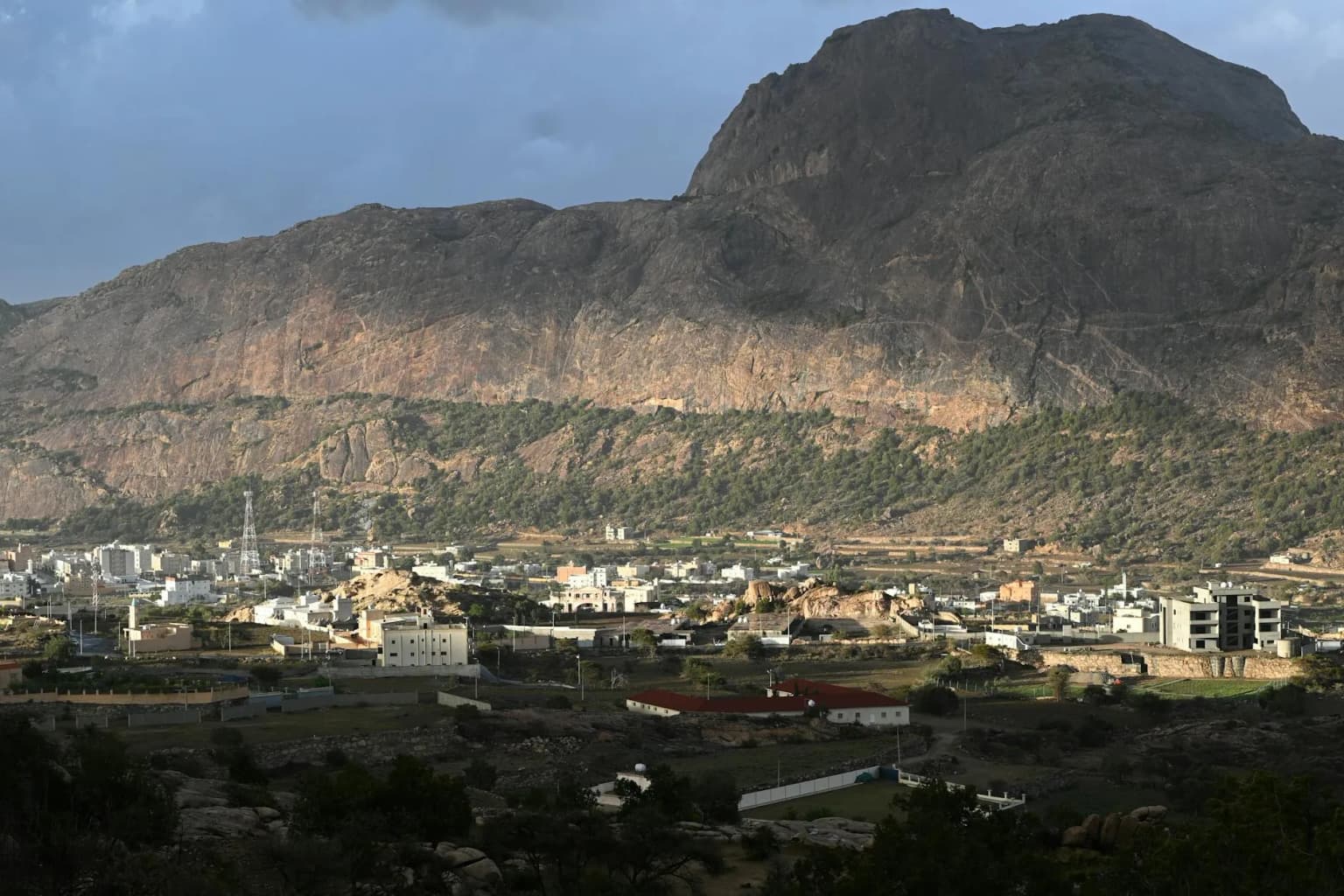
Asir National Park · Green Mountain (Jabal Akhdar) · Habala Village
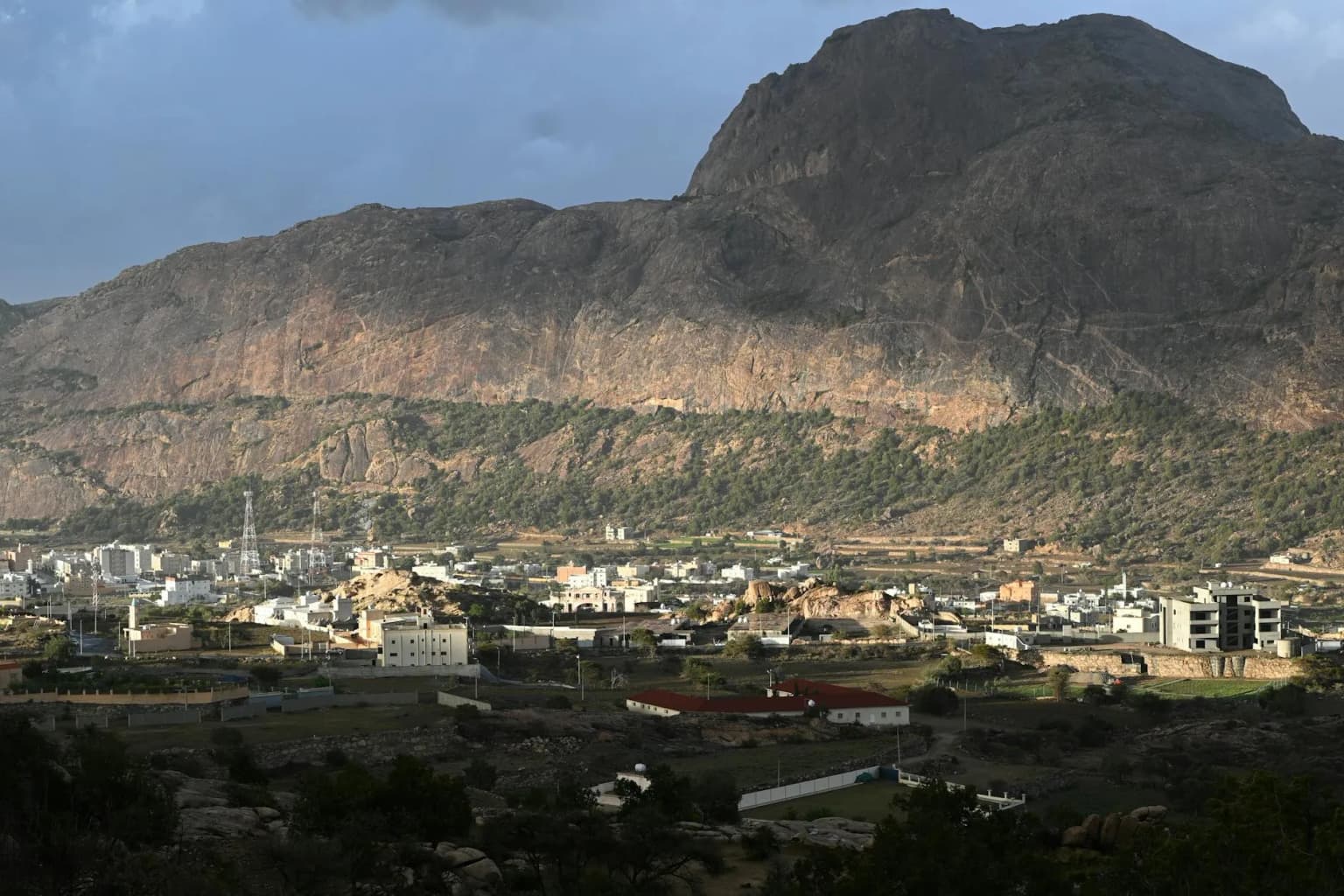
Taif Rose Farms · Al Shafa Mountain · Al Hada Mountains
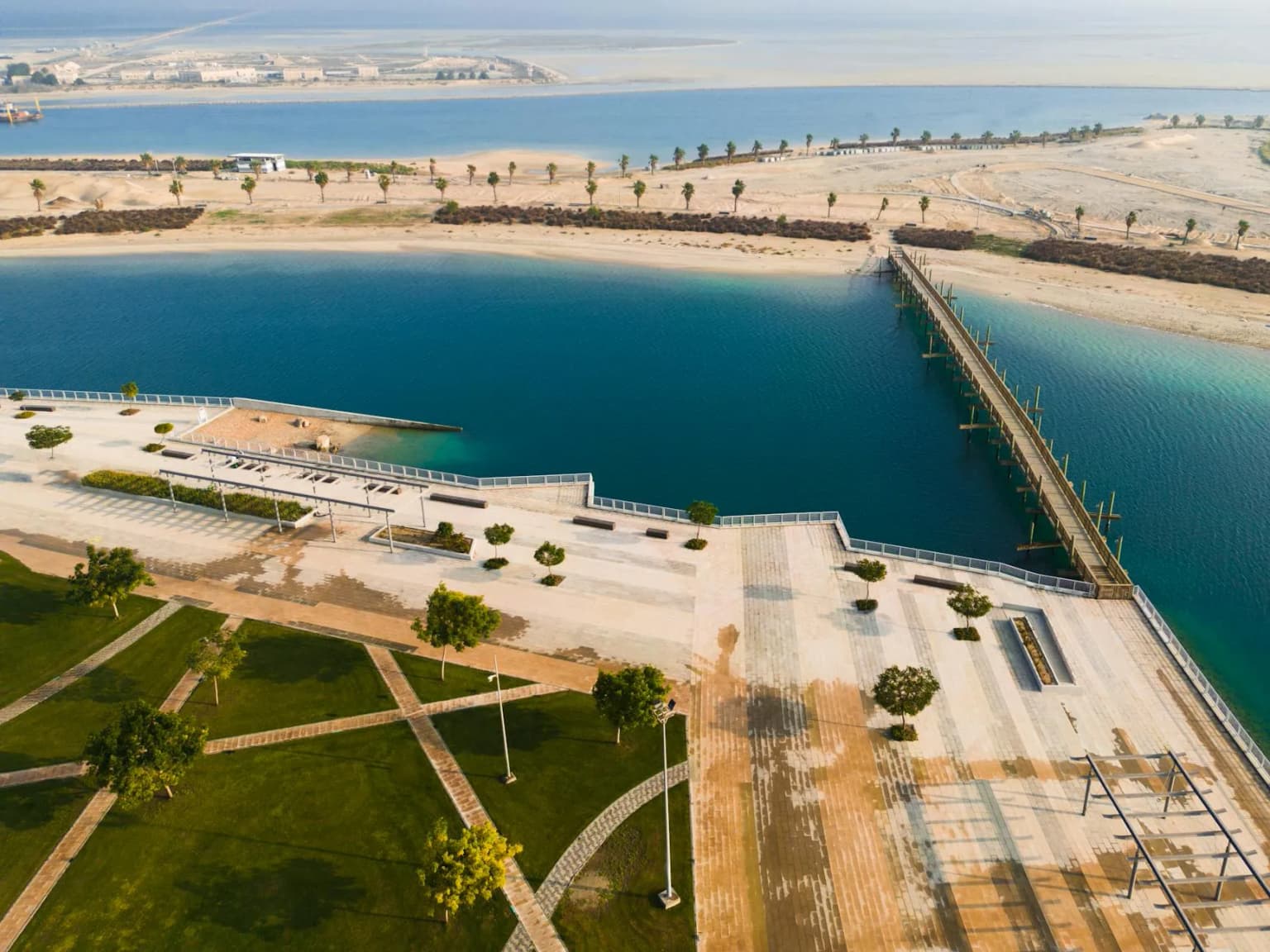
Fanateer Beach · Jubail Mangrove Park · Royal Commission Parks