Loading city information...
Join our Facebook Group: Join: Expats in Saudi Arabia
Loading city information...
Explore the best things to do in Dammam, Saudi Arabia's Eastern Province capital. From the stunning Corniche to world-class Ithra center, discover coastal culture.
Dammam, the capital of Saudi Arabia's oil-rich Eastern Province, sits along the Arabian Gulf coast and serves as the region's administrative and commercial hub. The city offers beautiful beaches, a thriving food scene, and proximity to the world-class King Abdulaziz Center for World Culture (Ithra). Together with neighboring Khobar and Dhahran, Dammam forms a major metropolitan area that balances Saudi tradition with a cosmopolitan, expat-friendly atmosphere.
Whether you are interested in history, culture, architecture, or simply experiencing authentic Saudi life, Dammam offers something for every type of traveler.
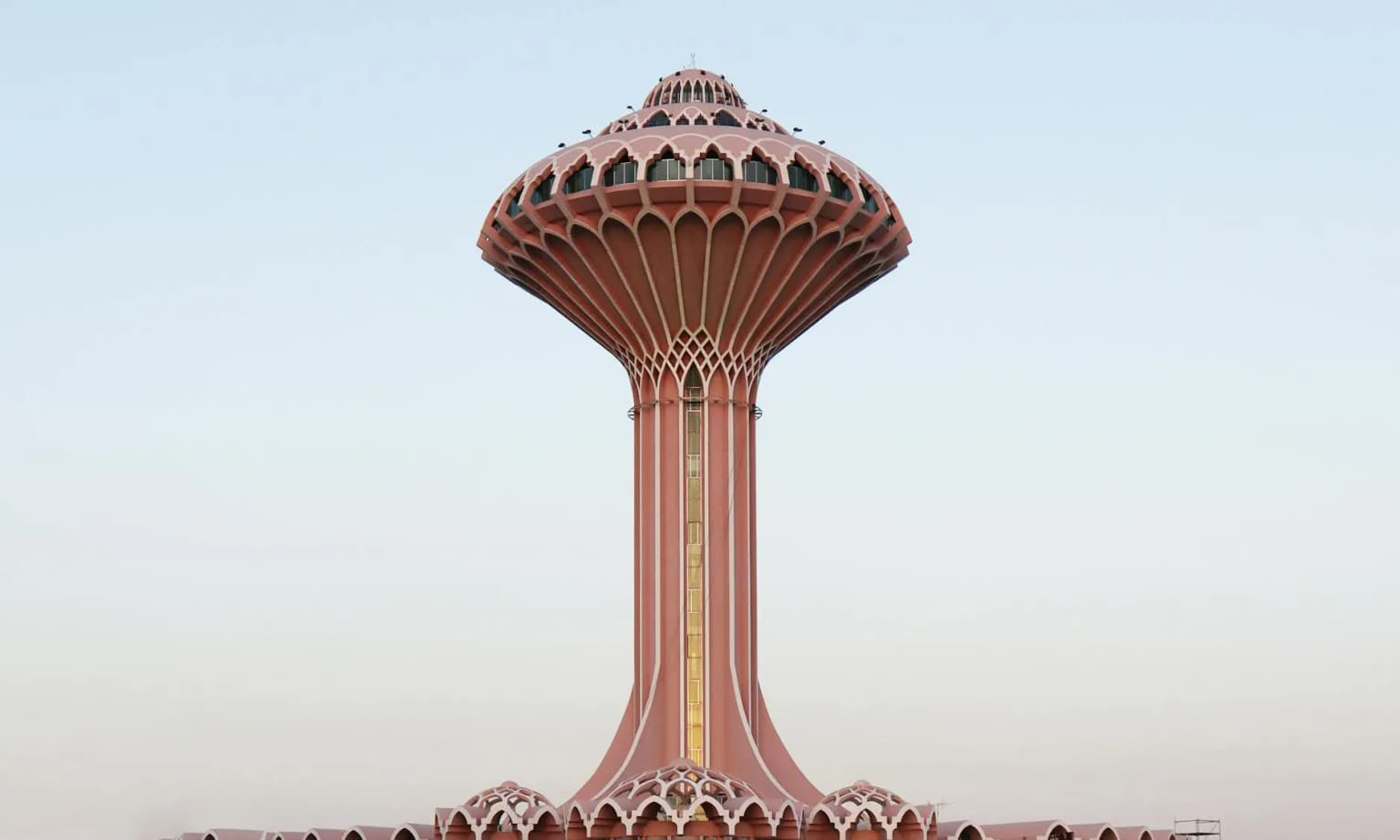
A sprawling waterfront promenade stretching along the Arabian Gulf, the Dammam Corniche features landscaped parks, children's playgrounds, picnic areas, and walking paths. Locals gather here in the evenings to enjoy spectacular Gulf sunsets, fresh sea breezes, and family-friendly recreation. The Corniche is the social heart of Dammam.
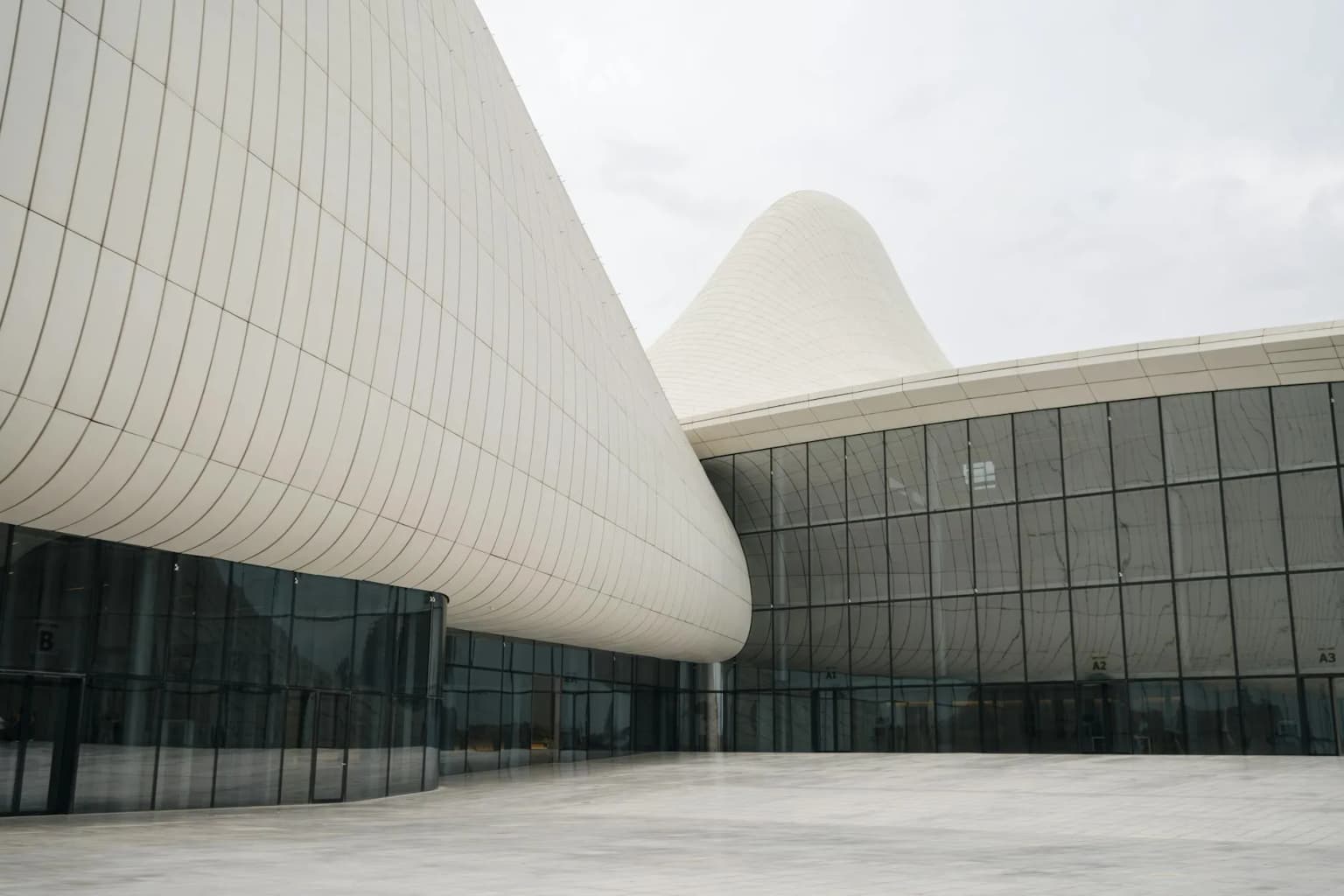
Designed by the renowned Norwegian firm Snøhetta, Ithra is a striking architectural landmark built by Saudi Aramco in Dhahran. The center houses multiple museums, a cinema, a library, a knowledge tower, and rotating international art exhibitions. Its Energy Exhibit traces the story of oil discovery in the Kingdom, while its contemporary art galleries rival any world-class institution.
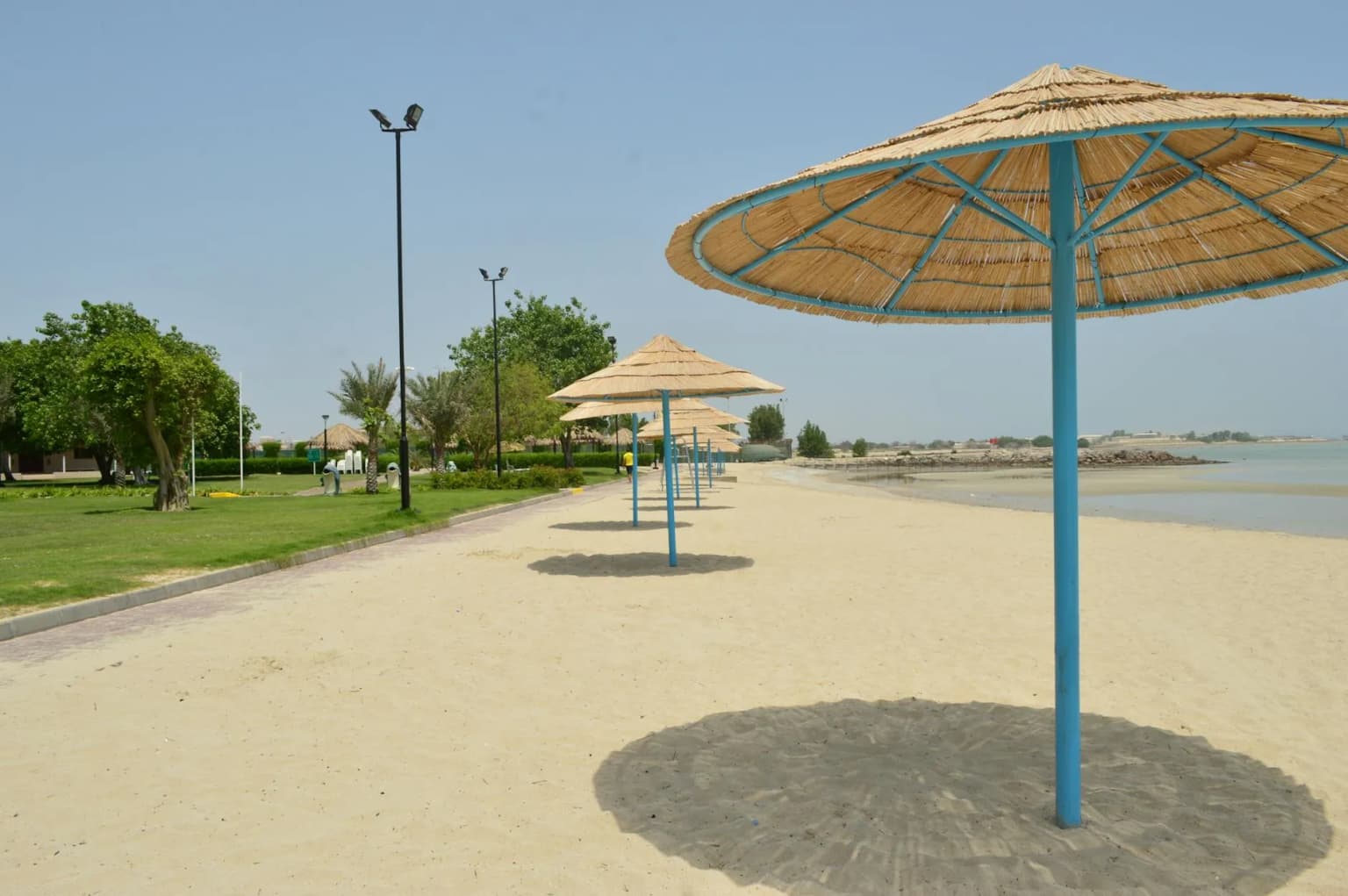
A beautiful crescent-shaped beach south of Dammam, Half Moon Bay is a favorite weekend destination for water sports, swimming, camping, and barbecues. The calm, shallow waters are ideal for families. Private beach resorts line the coast, while public stretches offer free access to the turquoise Gulf waters.
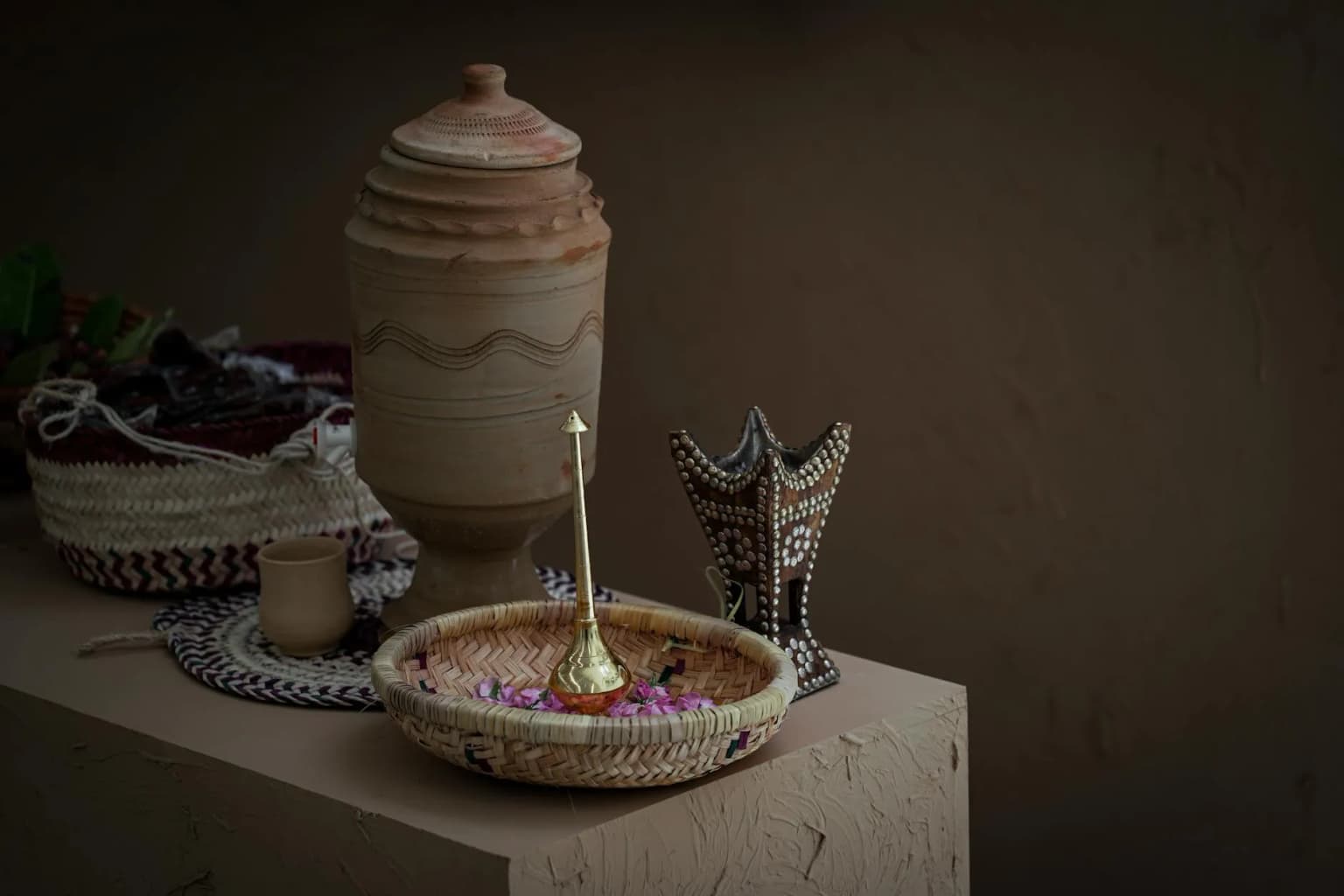
Located along the Dammam Corniche, the Heritage Village showcases traditional Eastern Province architecture, crafts, and the region's pearl-diving heritage. Displays include traditional dhow boats, fishing equipment, household items, and Bedouin artifacts that tell the story of life before oil transformed the region.
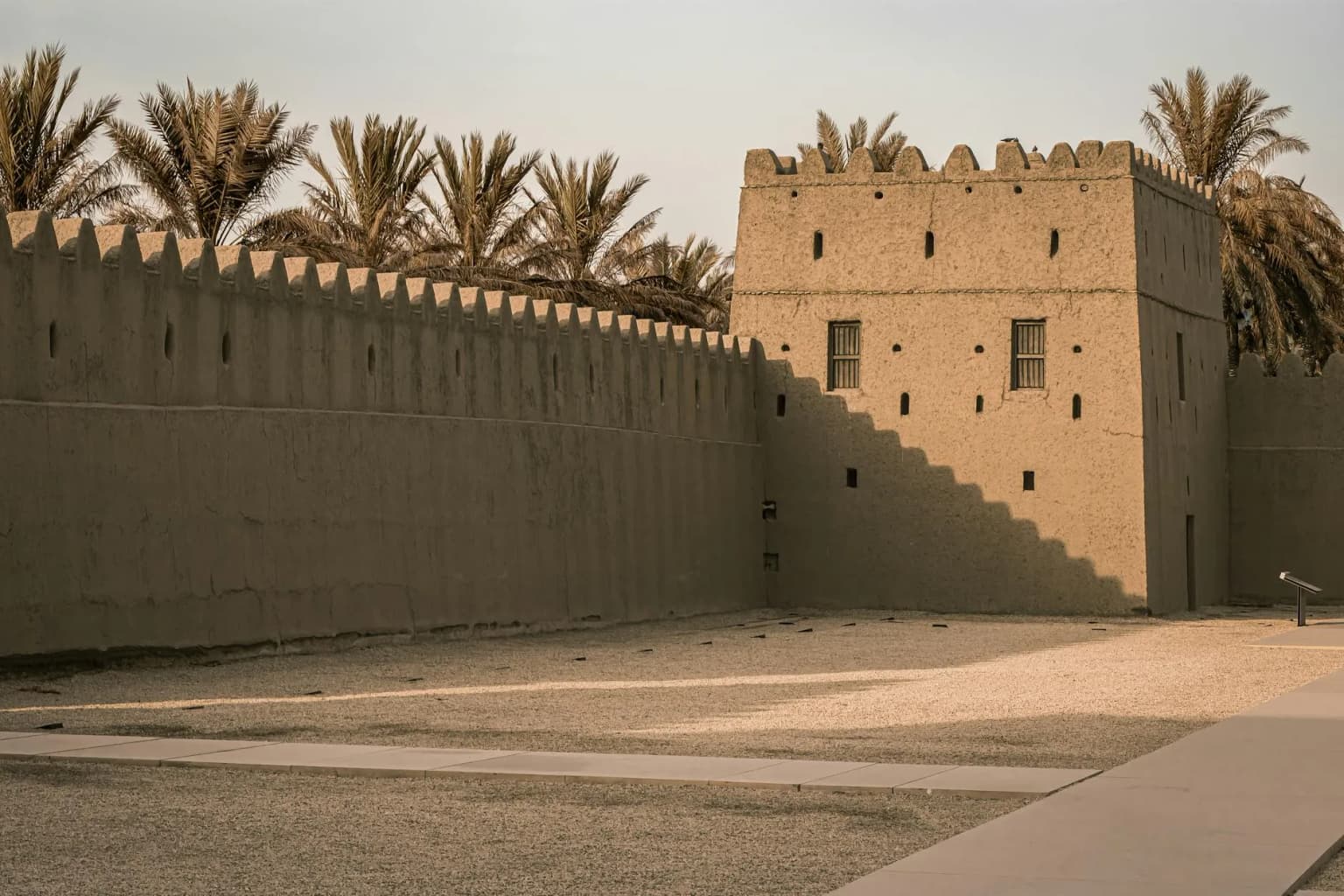
One of the oldest continuously inhabited places on Earth with over 5,000 years of documented history, Tarout Island is connected to the mainland by a causeway. The island features the ruins of a Portuguese fort, traditional fishing villages, ancient archaeological sites, and a charming old souq. Its palm groves and quiet streets offer a glimpse into pre-oil Eastern Arabia.
Click on a numbered marker to see the attraction name. Numbers correspond to the attraction order below.
Discover and book guided tours, skip-the-line tickets, and unique experiences in Dammam.
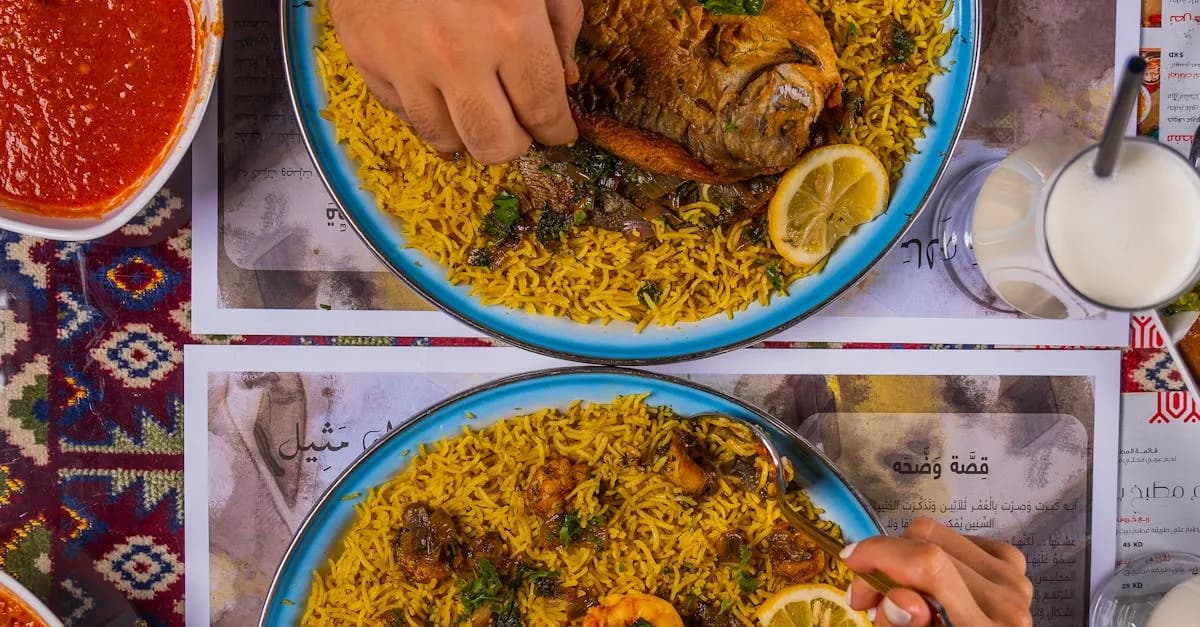
Dammam's food scene is defined by its Arabian Gulf seafood and the diverse tastes of its large expat community. Fresh fish arrives daily from local fishermen, and the machboos (spiced rice with fish or shrimp) here rivals anything in Bahrain or Kuwait. The Khobar Corniche is the region's restaurant row, while the Dammam Fish Market offers the most authentic seafood experience. Beyond seafood, the cosmopolitan population means you will find excellent Indian, Filipino, Lebanese, and Pakistani food at remarkably fair prices. Meals typically cost 30-80 SAR.
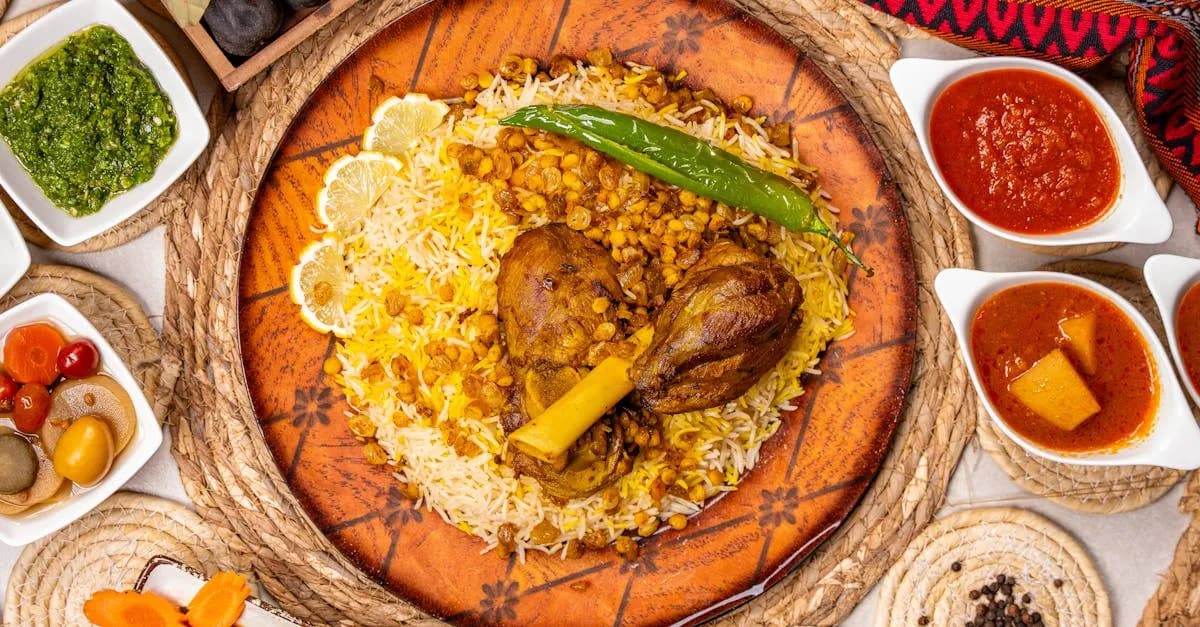
Machboos The signature Gulf dish - fragrant spiced rice cooked with fish, shrimp, or chicken, flavored with bezar spice mix, dried lime (loomi), and saffron. The seafood version using fresh Gulf catch is the Eastern Province specialty. A plate typically costs 30-55 SAR.
Hamour (Grouper) The king of Gulf fish, hamour is served grilled, fried, or baked with spices. Fresh from the Arabian Gulf, it has firm, flaky white meat. Best enjoyed at waterfront restaurants in Khobar or straight from the Dammam Fish Market. A plate typically costs 40-80 SAR.
Zubaidi (Silver Pomfret) A prized Gulf fish with delicate, buttery flesh. Traditionally grilled whole with minimal seasoning to let the natural flavor shine. Considered a delicacy and often the most expensive fish on the menu. A plate typically costs 50-90 SAR.
Muhammar Sweet rice cooked with date syrup, sugar, and cardamom, typically served alongside grilled fish. A distinctive Eastern Province dish that combines the region's love of dates with its seafood traditions. A plate typically costs 20-35 SAR.
Harees Slow-cooked wheat and meat porridge, beaten until smooth. A traditional comfort food especially popular during Ramadan. The Eastern Province version tends to be slightly lighter than inland variations. A plate typically costs 25-40 SAR.
Al Sanbok (Khobar Corniche) One of the best seafood restaurants in the Dammam metro area, known for fresh Gulf fish prepared in traditional styles. The grilled hamour and machboos are outstanding. Expect to pay around 80-150 SAR for two.
Dammam Fish Market Restaurants (Dammam Port area) Pick your fish fresh from the market stalls and have it cooked to order at the adjoining restaurants. Choose from grilled, fried, or spiced preparations. The freshest seafood experience in the city. Expect to pay around 40-80 SAR per person.
Al Baik (Multiple locations) Saudi Arabia's beloved fried chicken chain with cult following. The shrimp meals and garlic sauce are legendary. Expect queues at peak times but service is fast. Expect to pay around Under 20 SAR.
Sultan Broasted (Multiple locations) A local Eastern Province institution for broasted chicken and shawarma. Nothing fancy, but consistently good food at great prices. Popular with locals and expats alike. Expect to pay around 20-40 SAR per person.
Khobar Corniche Restaurants (Khobar Corniche) The Khobar waterfront strip offers dozens of international dining options - Lebanese, Indian, Filipino, Turkish, Japanese, and Italian. The sea views at sunset make any meal memorable. Expect to pay around 50-150 SAR per person.
Seafood restaurants are busiest on Thursday and Friday evenings. Go early or expect a wait.
The Dammam Fish Market is best visited in the early morning when fishermen bring in the day's catch.
Most restaurants accept card payments (mada, Visa, Mastercard, Apple Pay). Tipping is appreciated but not mandatory - 10% is generous.
Restaurants close briefly during the five daily prayer times, usually for 20-30 minutes.
The expat dining scene in Khobar is particularly diverse - some of the best Indian and Filipino food in the Kingdom is found here.
There is no alcohol anywhere in Saudi Arabia.
Major supermarket chains include Tamimi Markets (high-end, wide selection of imported products), Panda, Danube, and Carrefour. The Eastern Province has excellent fresh fish shops beyond the main market. Monthly grocery costs for one person run about 800-1,400 SAR depending on your diet.
Choosing the right area can make or break your trip. Here is a quick guide to Dammam's neighborhoods to help you pick the best base for your visit.
Click on an area for details. Zones are approximate.
| Neighborhood | Price Level | Why Stay Here |
|---|---|---|
| Al Faisaliyah | Medium-High | Well-established residential area with good amenities, shopping, and dining options. |
| Al Shati (Corniche area) | High | Waterfront district along the Dammam Corniche with sea views, parks, and upscale dining. |
| Al Mazruiyah | Medium | Central residential area with a mix of apartments and villas, close to government offices. |
| Al Anud | Medium | Popular family-friendly neighborhood with parks, schools, and mosques. |
| Al Badiyah | Low-Medium | Growing residential area on the city outskirts with newer, more affordable developments. |
Hotel prices correlate with neighborhood rent levels. For longer stays, consider renting an apartment for better value. Planning to relocate? See our full Dammam living guide.
Dammam, Khobar, and Dhahran function as a single metropolitan area connected by major highways. Unlike Riyadh, the distances between the three cities are manageable, but you will still need a car or ride-hailing app to get around. The driving culture here is noticeably calmer than in Riyadh, and the road infrastructure is excellent.
Car rental (100-150 SAR per day for a basic sedan, fuel ~2.3 SAR/liter) The most practical option for exploring the metro area and reaching Half Moon Bay, Tarout Island, and the King Fahd Causeway. Major rental companies operate at the airport and in all three cities. Roads are well-maintained and signposted in Arabic and English.
Ride-hailing (Uber & Careem) (10-20 SAR within one city, 25-40 SAR between Dammam and Khobar) Both apps work reliably across the Dammam metro area. Careem tends to have slightly more drivers. A convenient option if you do not want to rent a car, though costs add up for frequent trips between cities.
Taxis (15-40 SAR for most trips) Traditional taxis are available but less reliable than ride-hailing apps. Always agree on the fare before getting in, or insist on the meter.
Walking (Free) Feasible along the Dammam and Khobar corniches and within specific neighborhoods. Not practical between cities or during summer months when humidity and heat make outdoor activity uncomfortable.
King Fahd International Airport (DMM) is one of the largest airports in the world by area, located about 40 minutes northwest of downtown Dammam. It is served by Saudi Airlines (Saudia), flynas, flyadeal, and international carriers. A ride-hailing trip to Dammam costs 50-80 SAR, to Khobar 60-90 SAR.
Driving in the Dammam metro area is considerably calmer than in Riyadh or Jeddah. Roads are wide, well-lit, and clearly signposted. The main highway connecting Dammam, Khobar, and Dhahran can get congested during rush hours (7-9 AM and 4-7 PM). The King Fahd Causeway to Bahrain is a 16-mile (25-km) bridge - expect long queues on Thursday afternoons and Friday evenings as weekend traffic peaks.
Useful apps: Careem, Uber, Google Maps, Waze, Almosafer.
Dammam's location on the Arabian Gulf coast makes it a gateway to diverse day trips - from crossing the King Fahd Causeway to Bahrain to exploring the ancient Al Ahsa Oasis inland. The compact metro area means you can easily head out in any direction for a full day of exploration.

The 16-mile (25-km) causeway connects Saudi Arabia to the island kingdom of Bahrain. A popular weekend trip for dining, shopping, and exploring Bahrain's historic sites including the Bahrain Fort and Manama Souq. Bring your passport and check visa requirements.

The waterfront promenade of neighboring Khobar offers some of the best restaurants in the Eastern Province, stunning Gulf views, and a lively evening atmosphere. Walk along the water, dine at international restaurants, and watch the sunset over the causeway.

The world's largest natural oasis, with over 2.5 million date palms, natural springs, historic mosques, and traditional markets. Al Ahsa's Qasr Ibrahim fort and the old town of Al Hofuf offer a fascinating window into pre-oil Saudi life. A UNESCO World Heritage Site since 2018.

A protected mangrove nature reserve north of Dammam where kayaking and paddleboarding tours wind through coastal mangrove forests. The area supports diverse birdlife and marine ecosystems, offering a peaceful escape from the urban environment.
The Dammam Corniche stretches for kilometers along the Gulf with parks, playgrounds, and walking paths - all free to enjoy.
Public beaches along the coast offer free swimming and relaxation, including stretches of Half Moon Bay.
The Heritage Village exterior and grounds can be explored without charge.
Tarout Island's old town with its ancient streets, traditional houses, and castle ruins is free to walk through.
The Khobar Corniche offers a beautiful free waterfront walk with views of the King Fahd Causeway.
The Eastern Province sits atop the world's largest proven oil reserves. The Ghawar oil field, located nearby, is the single largest conventional oil field ever discovered.
Dammam Well No. 7, drilled in 1938, was the first commercially viable oil well in Saudi Arabia. It transformed the Kingdom from a desert nation into a global energy superpower.
The King Fahd Causeway connecting Saudi Arabia to Bahrain is 16 miles (25 km) long and took five years to build. It carries over 30 million passengers annually.
Ithra (the King Abdulaziz Center for World Culture) was built by Saudi Aramco on the exact spot where oil was first discovered in commercial quantities.
Tarout Island has been continuously inhabited for over 5,000 years, making it one of the oldest settlement sites in the Arabian Peninsula. Artifacts found here date back to the Dilmun civilization.
Popular souvenirs from Dammam include: Pearl jewelry celebrating the Eastern Province's pre-oil pearl diving heritage. The region was once one of the world's major pearl trading centers before the Japanese cultured pearl industry disrupted the market., Premium Saudi dates, especially Khalas dates from the Al Ahsa oasis, which are considered among the finest in the Kingdom. Arabic coffee (qahwa) with cardamom makes an excellent companion gift., Oud and bakhoor (fragrant incense) from the traditional souqs in Qatif and Khobar. The Eastern Province has a strong perfume tradition influenced by Gulf trading routes., Traditional pottery and ceramics from the Qatif area, where artisans continue centuries-old crafting traditions..
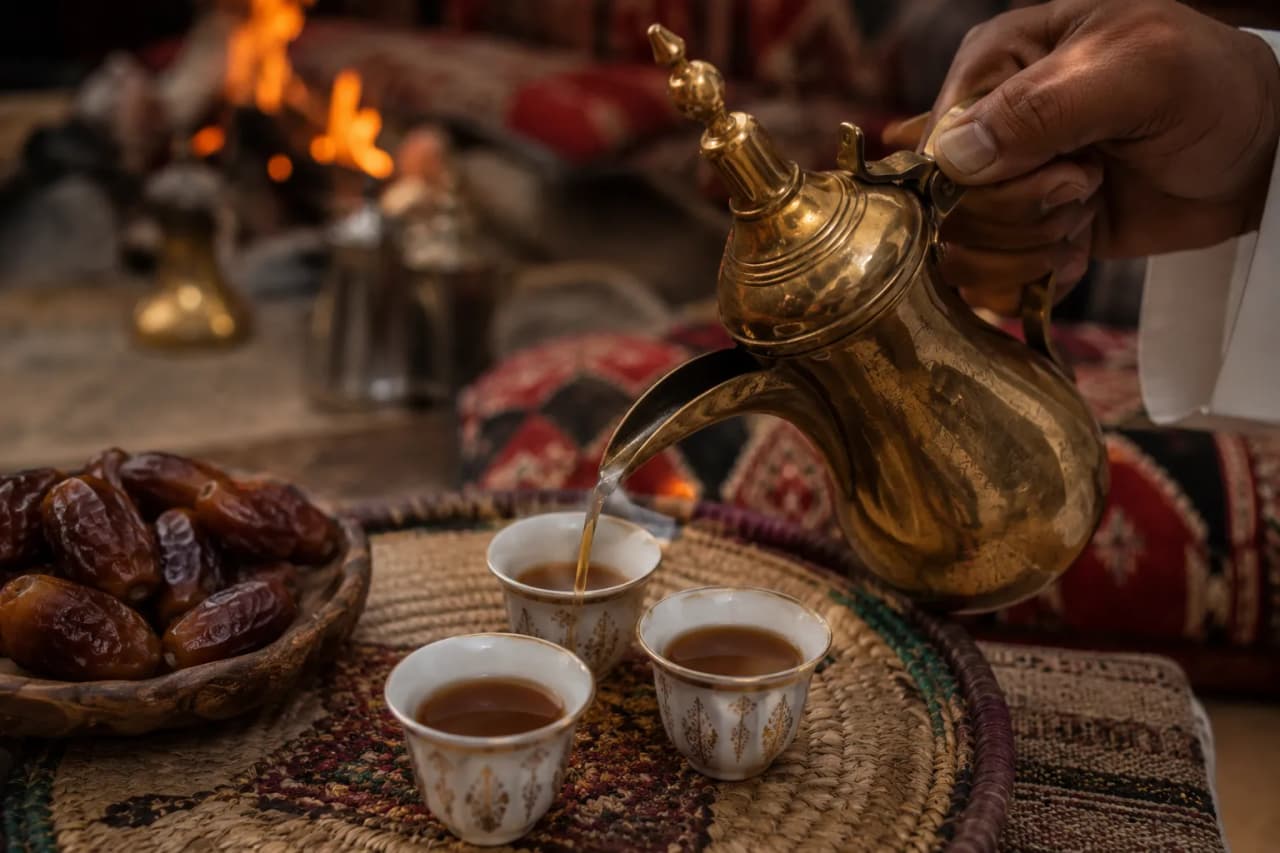
Saudi Arabian culture emphasizes hospitality, respect, and traditional values. Greet people with "As-salamu alaykum" (Peace be upon you) and accept the response "Wa alaykum as-salam." When offered Arabic coffee (qahwa) and dates, it is customary to accept at least one cup. Shake the cup gently when you have had enough.
Dammam has a welcoming atmosphere that balances traditional Saudi values with modern openness to visitors. The city offers a range of cultural experiences from traditional souqs to modern entertainment venues.
Dammam's culture reflects the Eastern Province's distinct identity, blending Bedouin traditions with maritime heritage from the pre-oil pearl diving era. The city has a diverse population due to the oil industry, and local traditions include Arabian Gulf seafood cuisine, traditional dhow boats, and the annual Eastern Province cultural festivals.
Dress modestly in public, especially when visiting mosques and traditional areas. Women are no longer required to wear an abaya but should dress conservatively. During Ramadan, eating, drinking, and smoking in public during daylight hours should be avoided out of respect. Friday is the main day of worship, and many businesses close during Friday prayer.
Staying connected in Dammam is easy. Saudi Arabia has excellent 4G and 5G coverage throughout the Kingdom. Free WiFi is available in most hotels, malls, and many restaurants. For mobile data, consider getting a local SIM card from STC, Mobily, or Zain at the airport or any mobile shop - prepaid plans with generous data allowances are affordable. Alternatively, use an eSIM from providers like Airalo or Holafly for seamless connectivity.
The official language is Arabic, but English is widely spoken in hotels, restaurants, malls, and tourist areas. Most signage is in both Arabic and English. Useful Arabic phrases: "Shukran" (Thank you), "Min fadlak" (Please), "La" (No), "Na'am" (Yes). Google Translate works well for Arabic. For emergencies, dial 911 for police, 997 for fire, 998 for ambulance, or 999 for traffic police.
Many visitors fall in love with Dammam and decide to make it their home. If you are considering the move, here are the essential resources.
Cost of living, neighborhoods, job market, and expat community guide for Dammam.
Step-by-step guide to renting in Saudi Arabia - where to search, what to expect, and how to avoid scams.
Compare Saudi banks, required documents, and how to open an account as a foreigner.
With its rich heritage, stunning landscapes, and warm hospitality, Dammam offers an unforgettable Saudi experience.
Discover more amazing destinations across Saudi Arabia. Each city offers unique experiences, rich heritage, and unforgettable attractions.
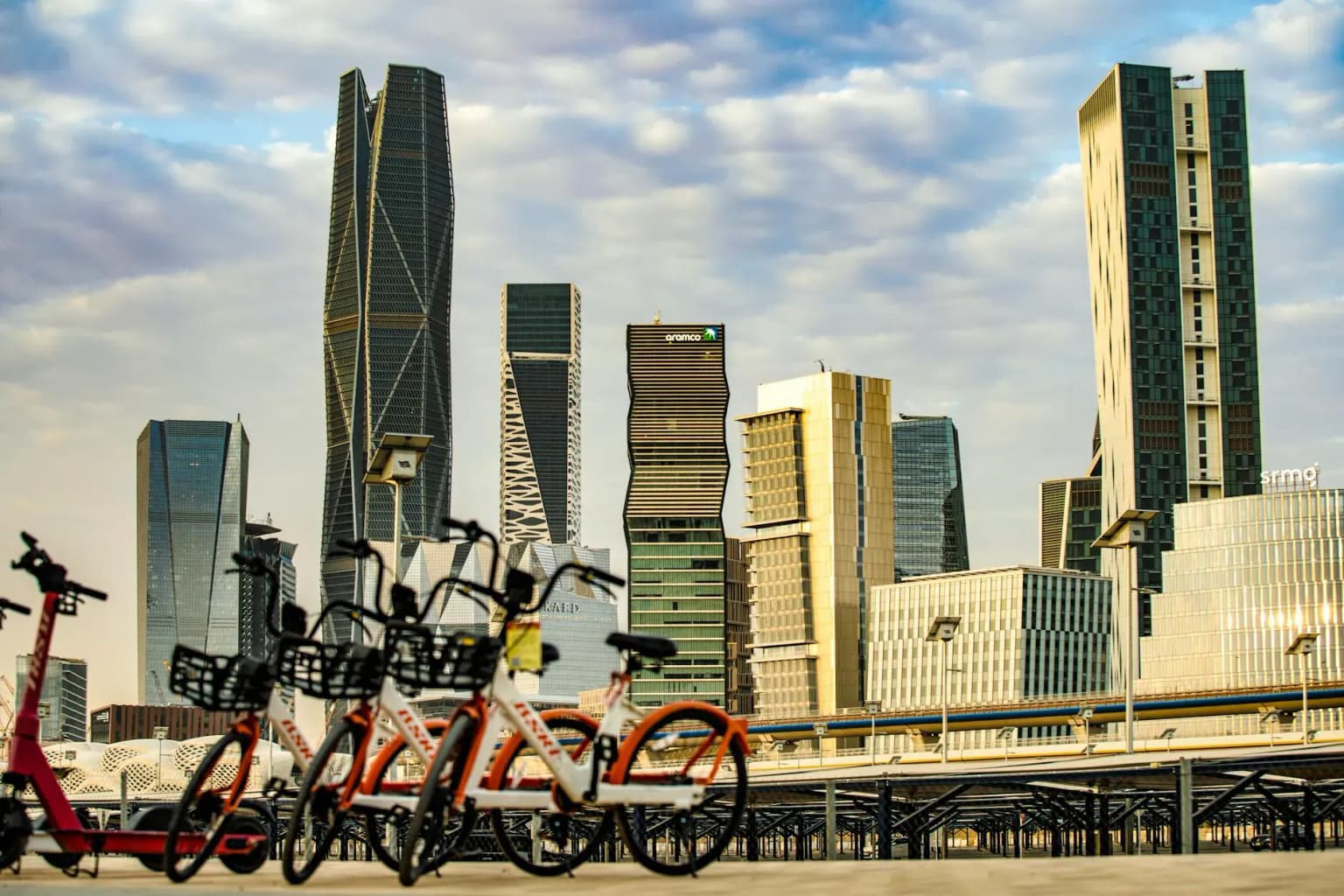
Diriyah (At-Turaif District) · Kingdom Centre Tower · National Museum of Saudi Arabia
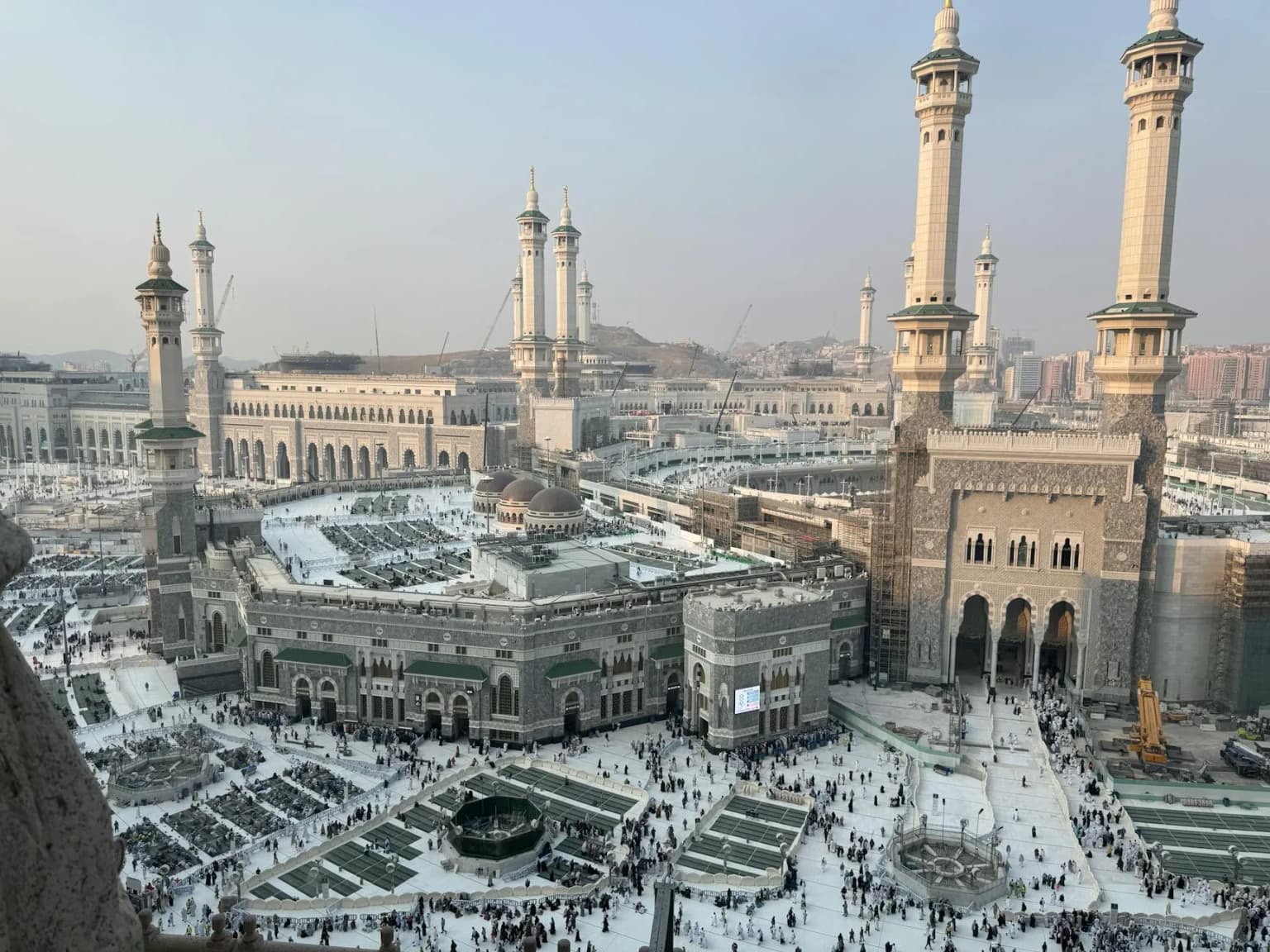
Masjid al-Haram (Grand Mosque) · The Kaaba · Abraj Al-Bait (Makkah Royal Clock Tower)
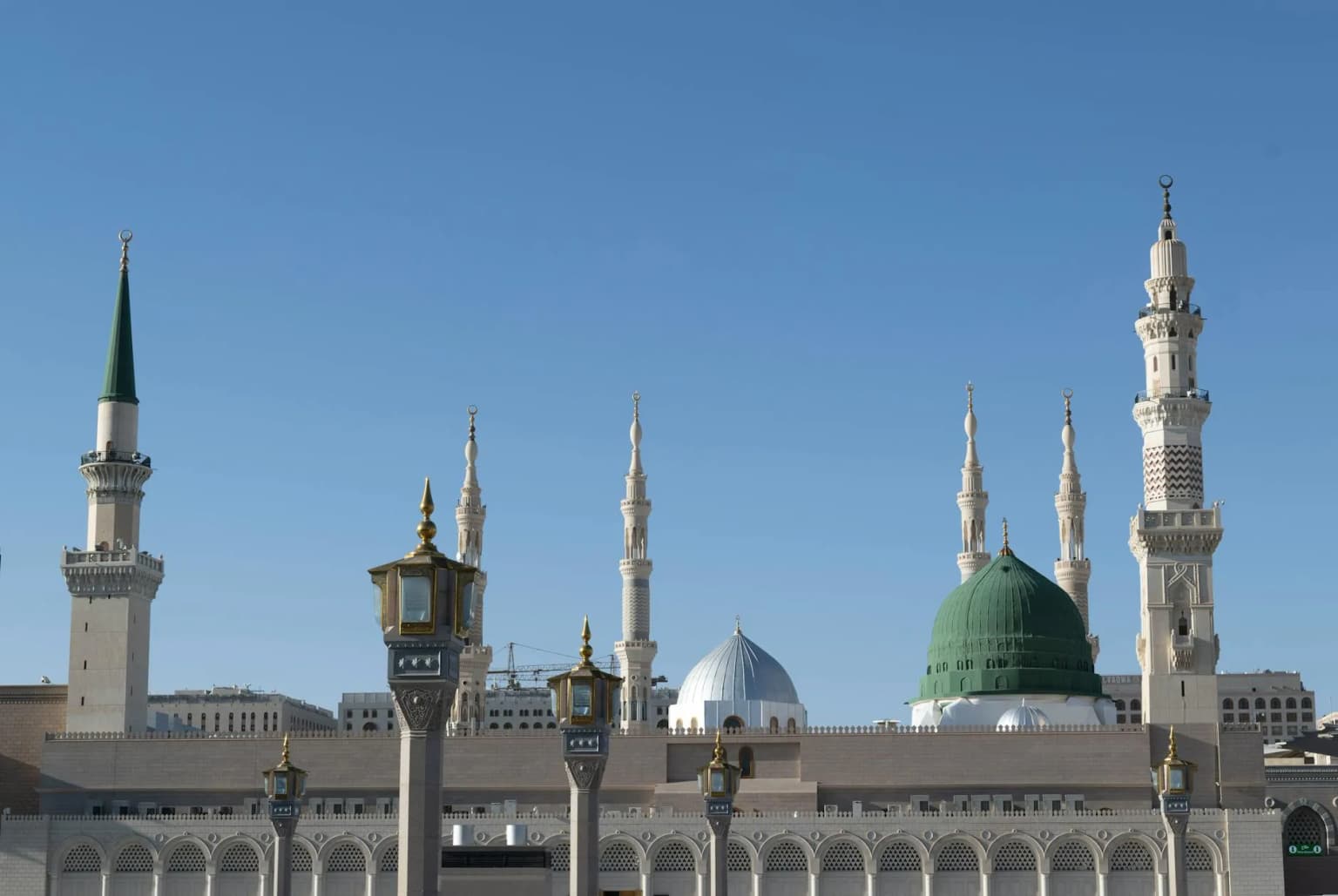
Al-Masjid an-Nabawi (Prophet's Mosque) · Quba Mosque · Mount Uhud
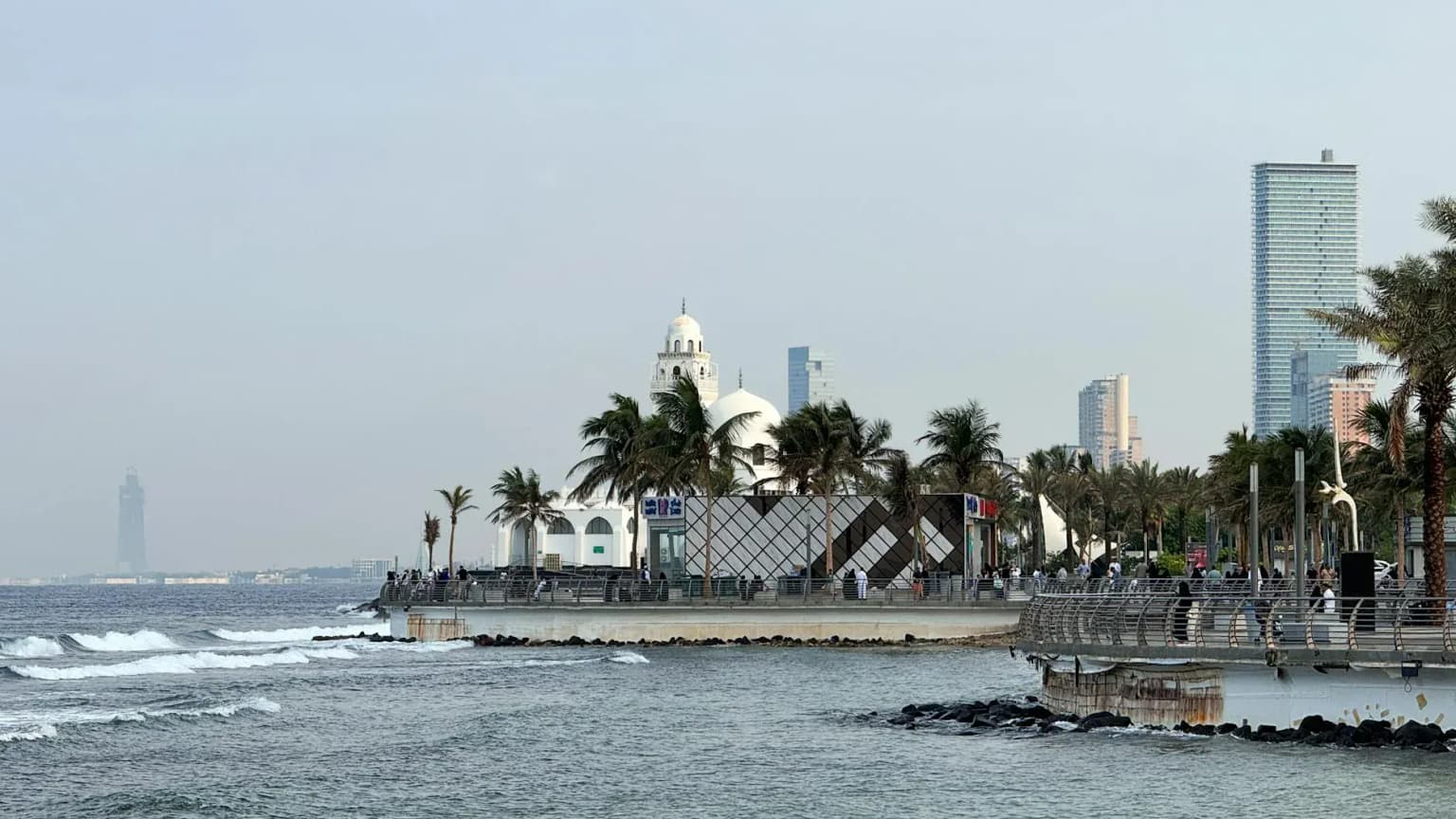
Al-Balad Historic District · King Fahd Fountain · Jeddah Corniche
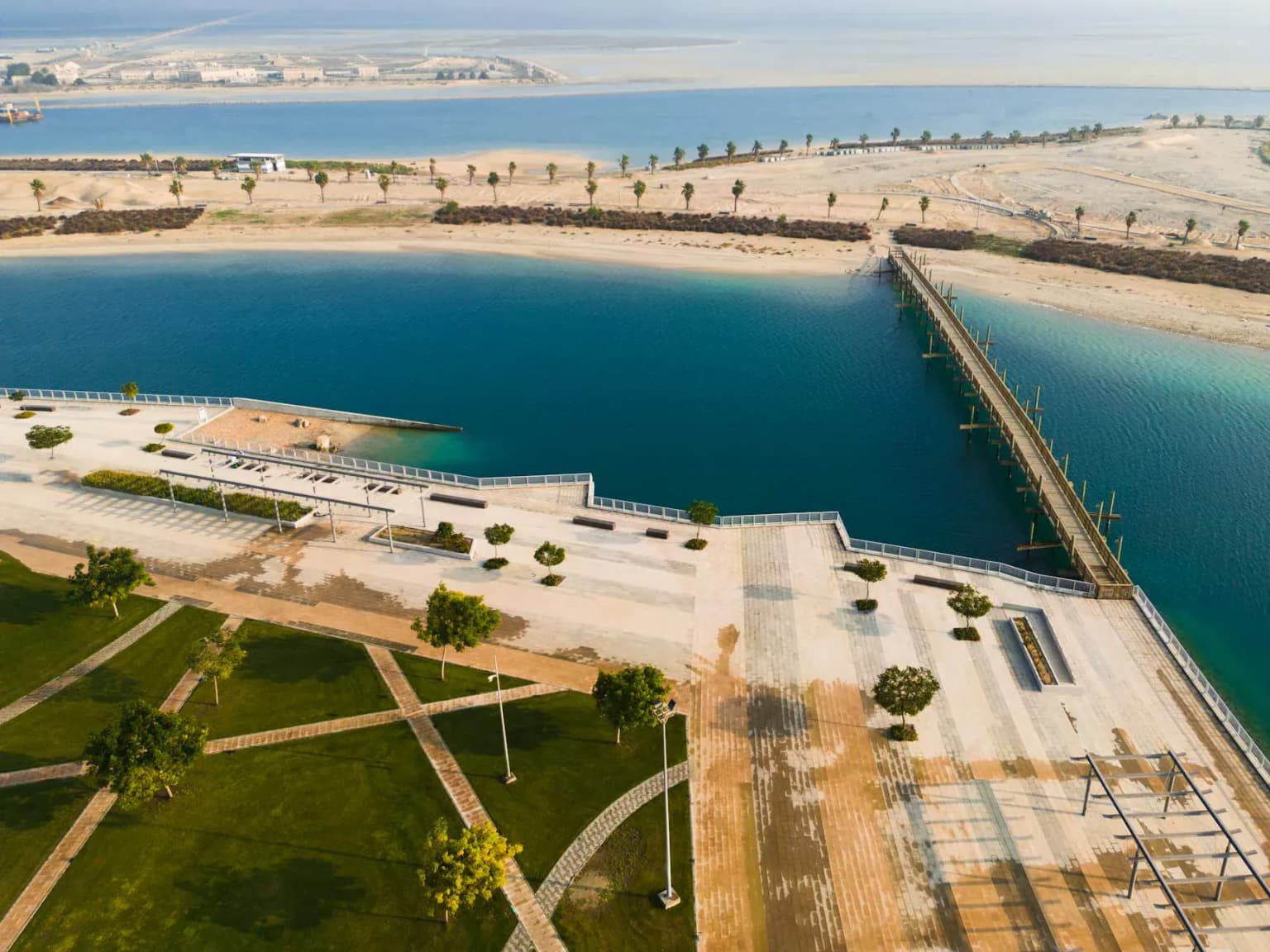
Khobar Corniche · King Fahd Causeway · Sunset Beach
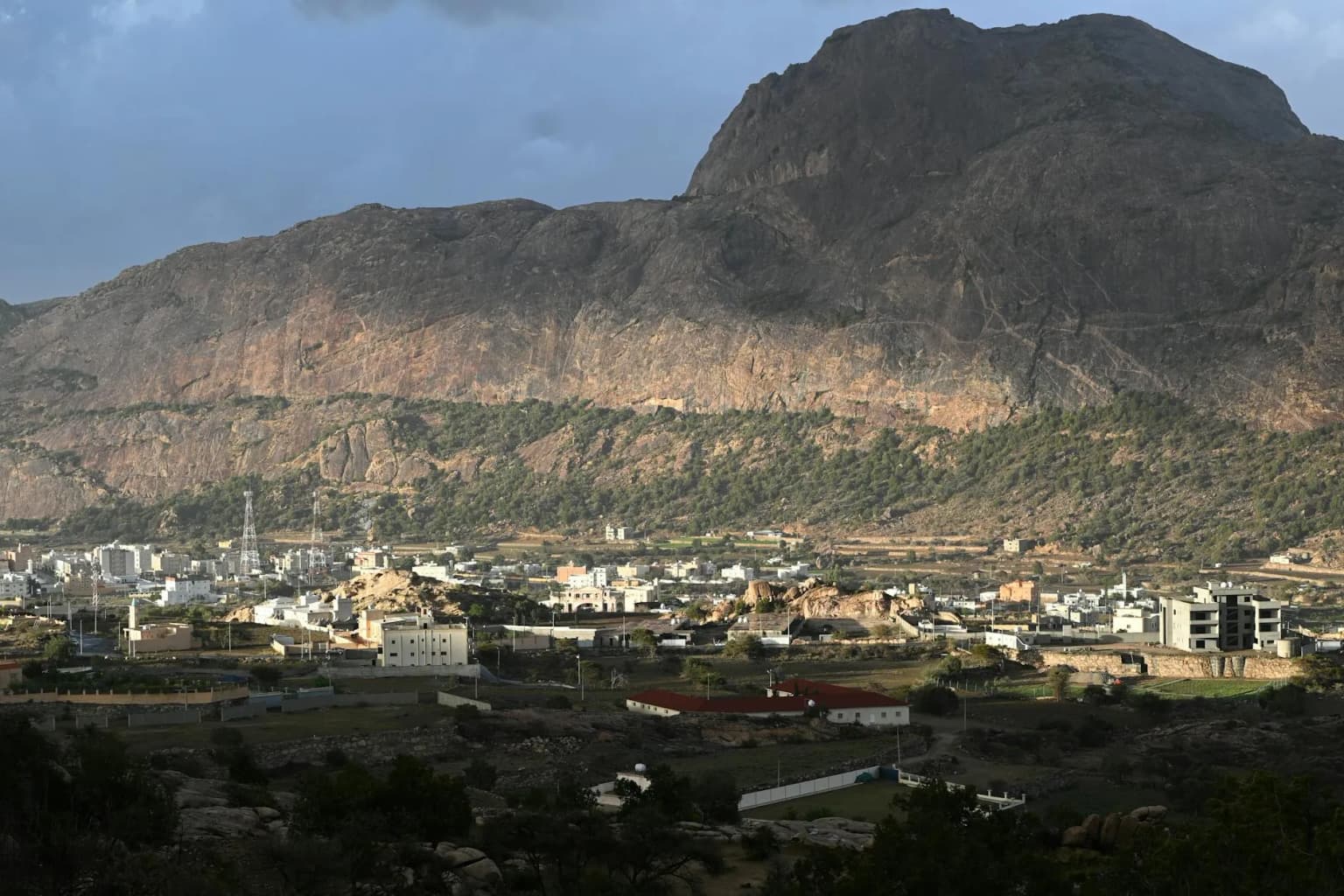
Asir National Park · Green Mountain (Jabal Akhdar) · Habala Village
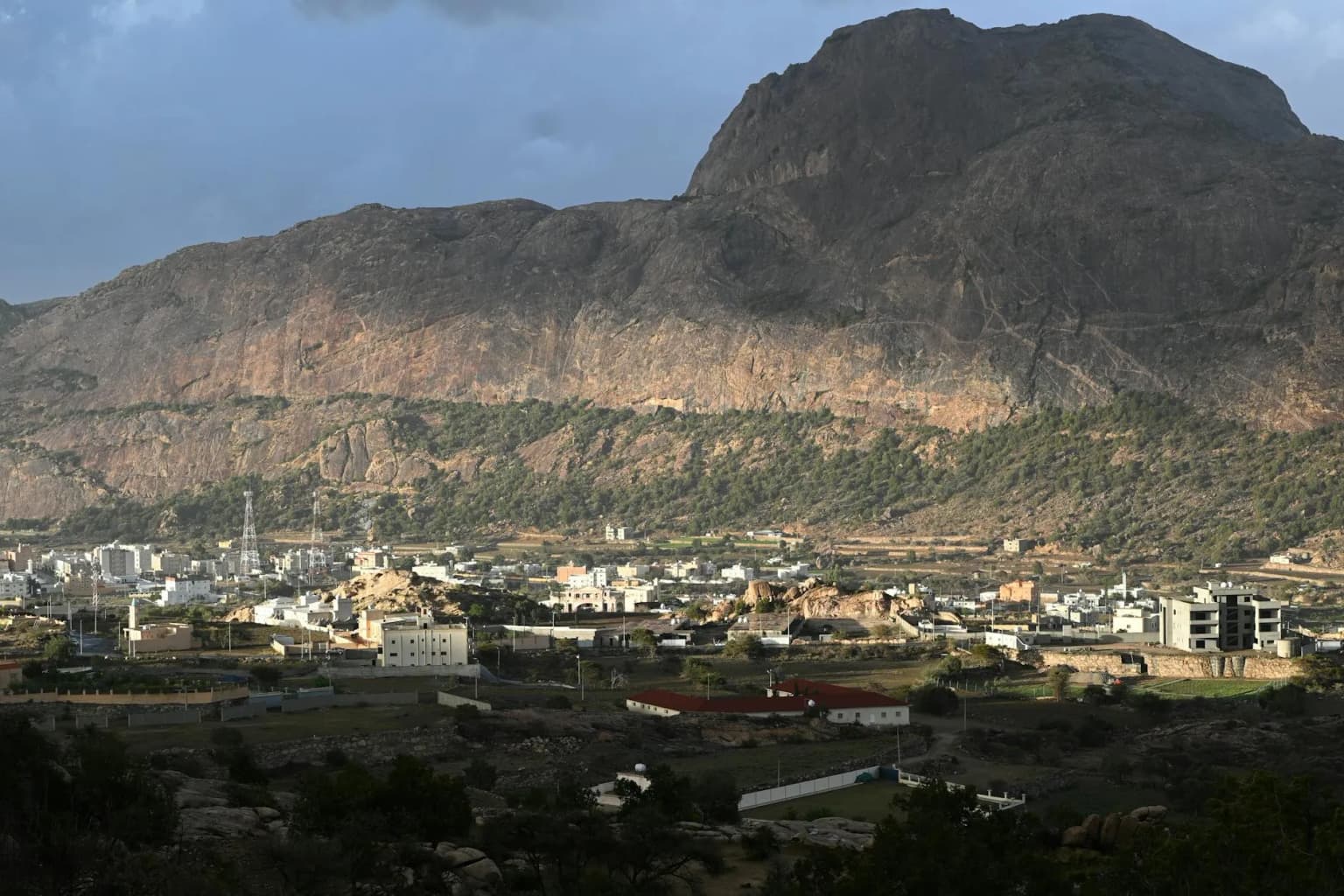
Taif Rose Farms · Al Shafa Mountain · Al Hada Mountains
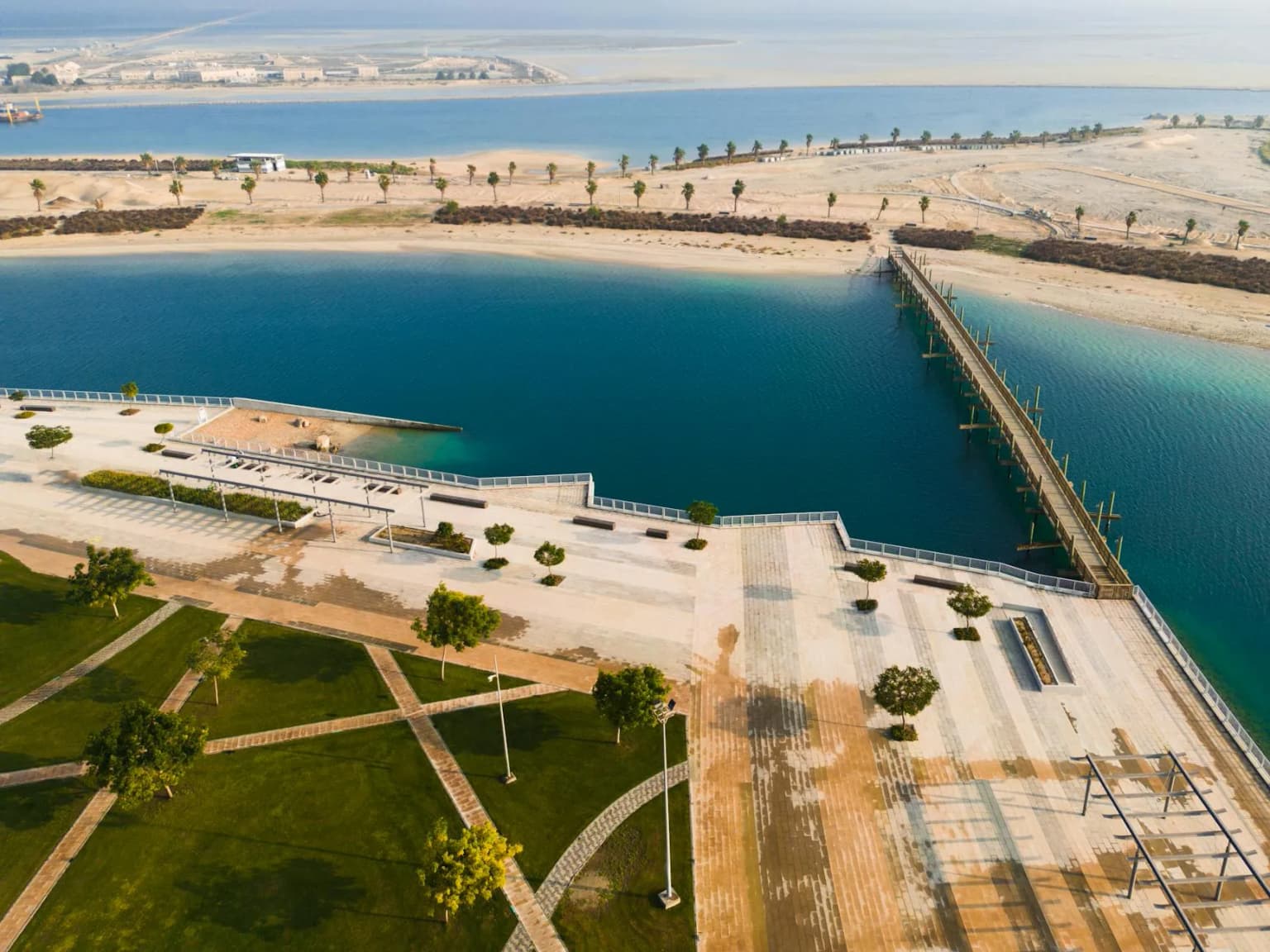
Fanateer Beach · Jubail Mangrove Park · Royal Commission Parks