Loading city information...
Join our Facebook Group: Join: Expats in Saudi Arabia
Loading city information...
Discover the second holiest city in Islam. From the Prophet's Mosque to historic battlefields, explore Medina's sacred sites and Islamic heritage.
Medina (Al-Madinah al-Munawwarah), the 'Radiant City,' is the second holiest city in Islam. It was the city that welcomed Prophet Muhammad after his migration from Mecca and served as the capital of the early Islamic state. The city is centered around Al-Masjid an-Nabawi (the Prophet's Mosque), one of the largest mosques in the world. The central area of Medina is restricted to Muslims only, though non-Muslims can visit surrounding areas.
Whether you are interested in history, culture, architecture, or simply experiencing authentic Saudi life, Medina offers something for every type of traveler.
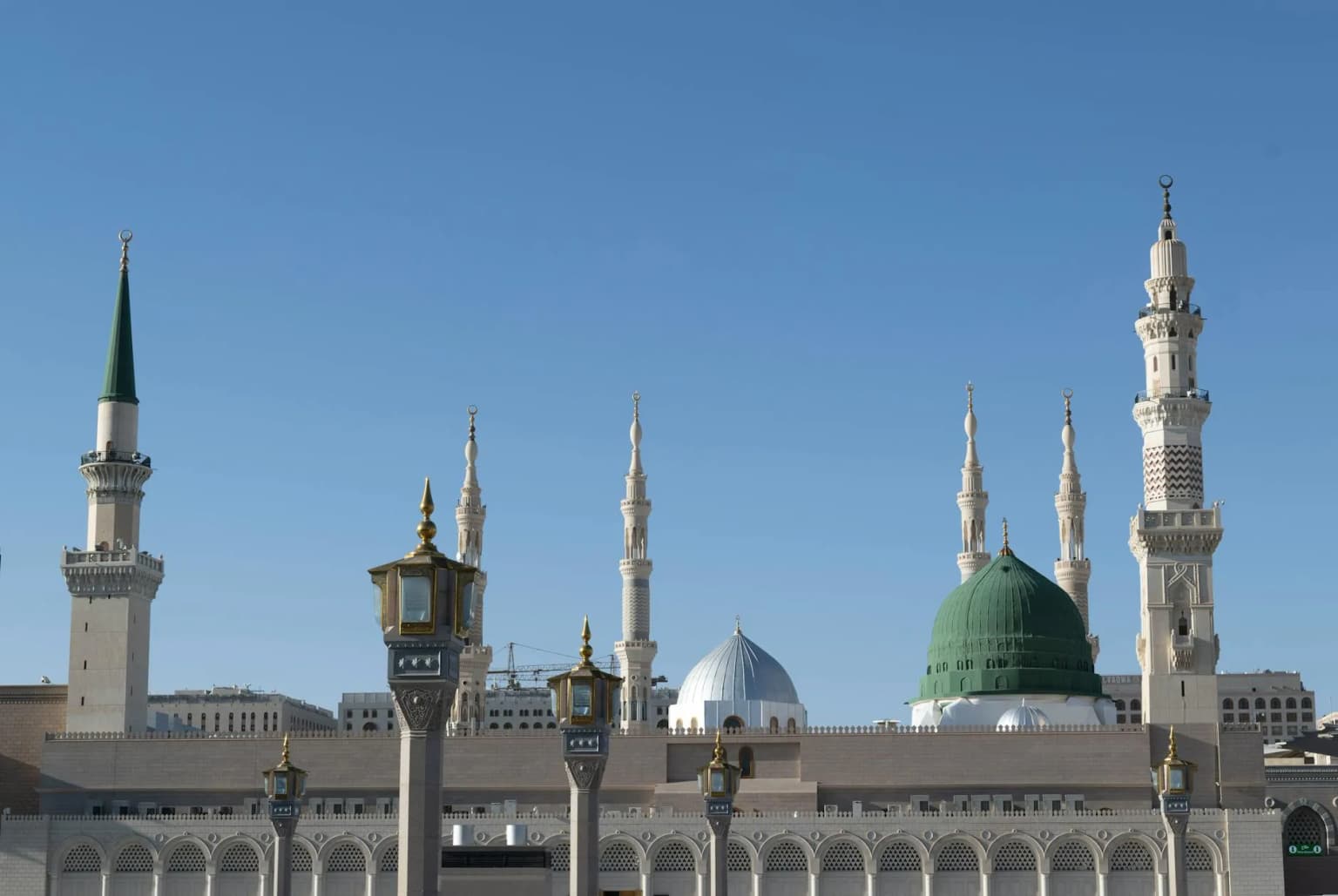
One of the largest mosques in the world and the burial place of Prophet Muhammad. The iconic Green Dome marks the location of the Prophet's tomb. With a capacity exceeding one million worshippers, the mosque features 250 retractable umbrellas that shade the vast marble courtyard during the day and fold at sunset, creating a mesmerizing spectacle.
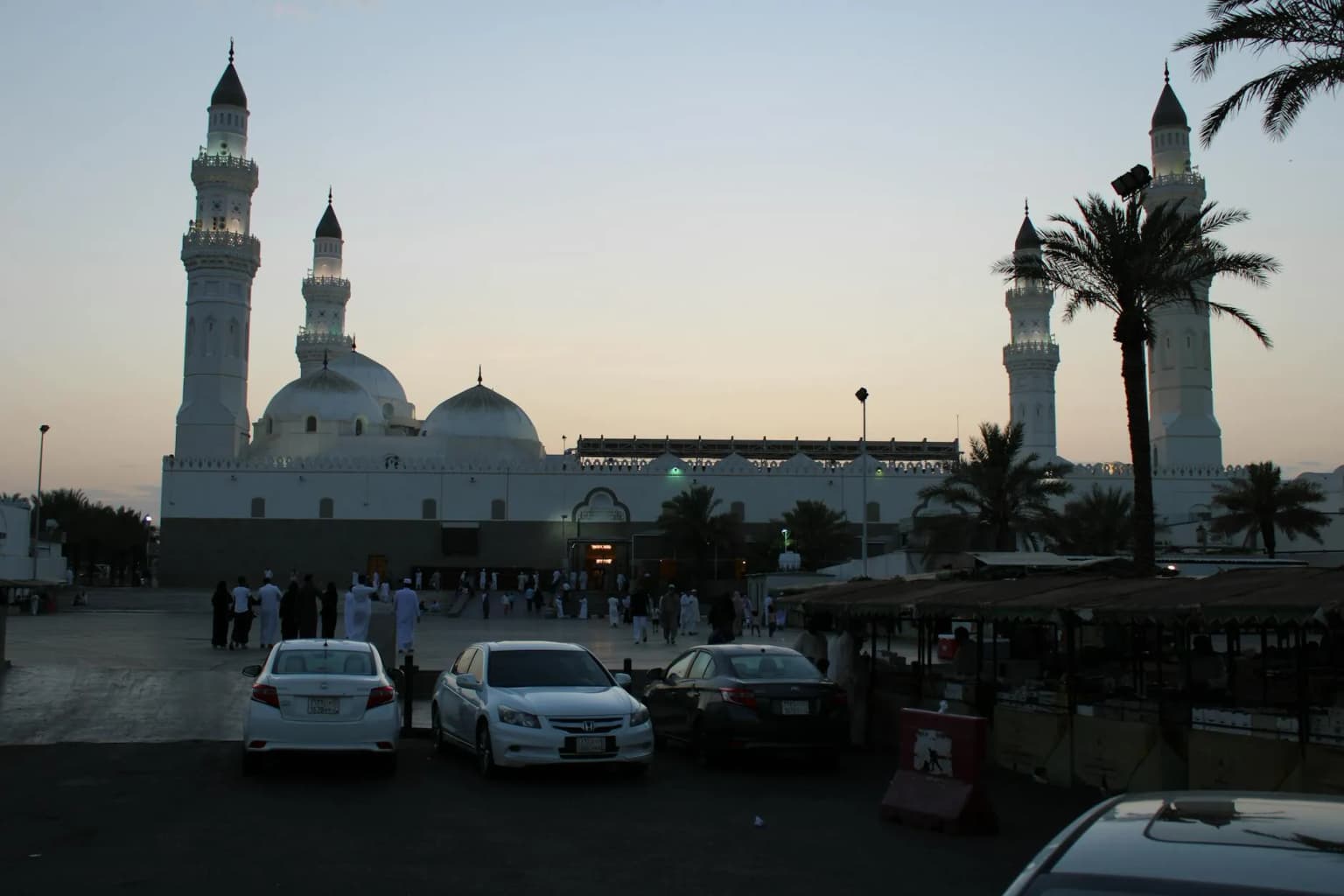
The first mosque ever built in Islamic history. Prophet Muhammad laid its foundation upon his arrival in Medina during the Hijrah. Praying two rak'ahs here is said to equal the reward of an Umrah. The current structure is a modern reconstruction with elegant white domes and minarets.
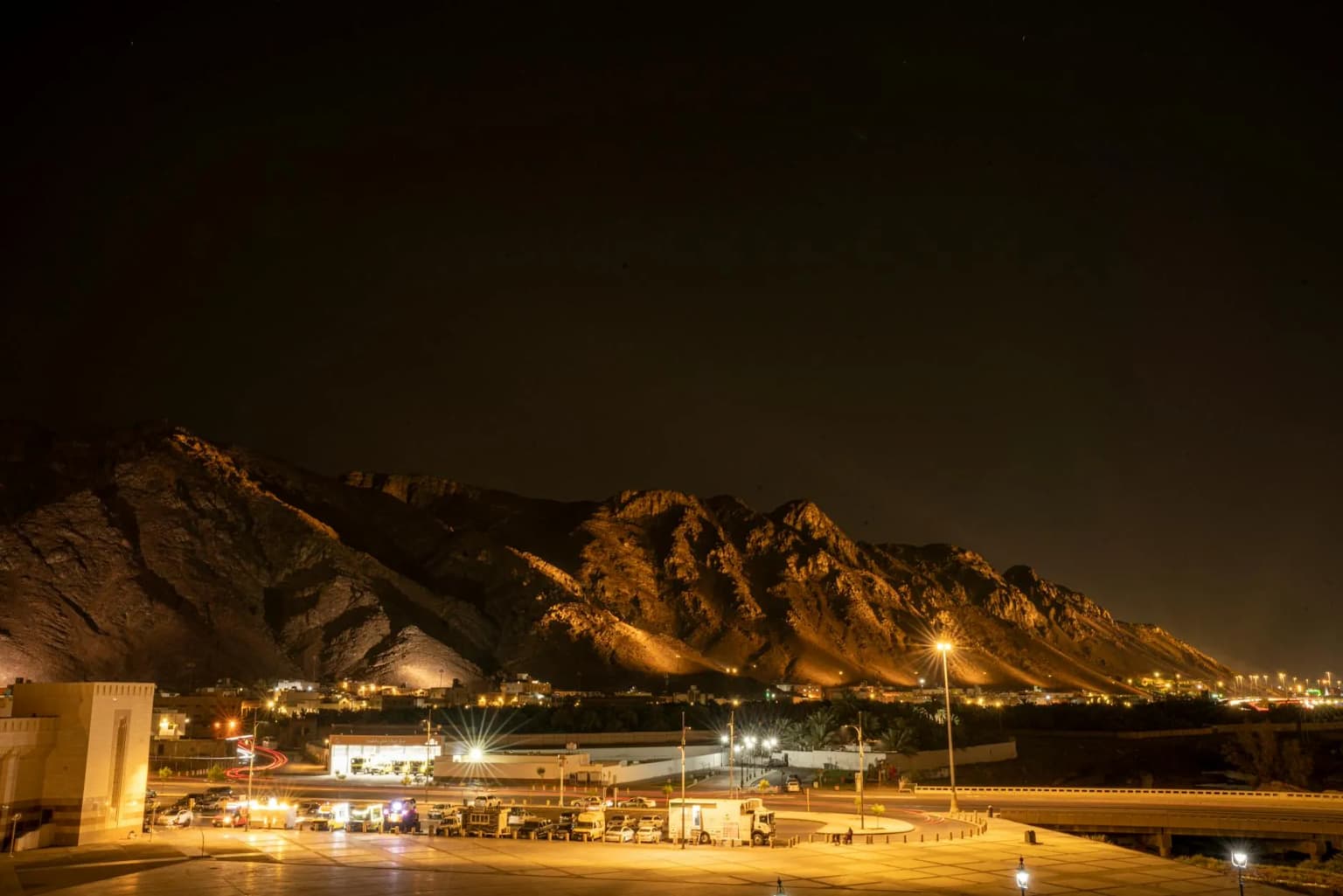
The site of the Battle of Uhud in 625 CE, one of the most significant events in early Islamic history. The mountain overlooks the Martyrs' Cemetery (Shuhada Uhud) where companions who fell in the battle are buried. Prophet Muhammad said, "Uhud is a mountain that loves us and we love it."
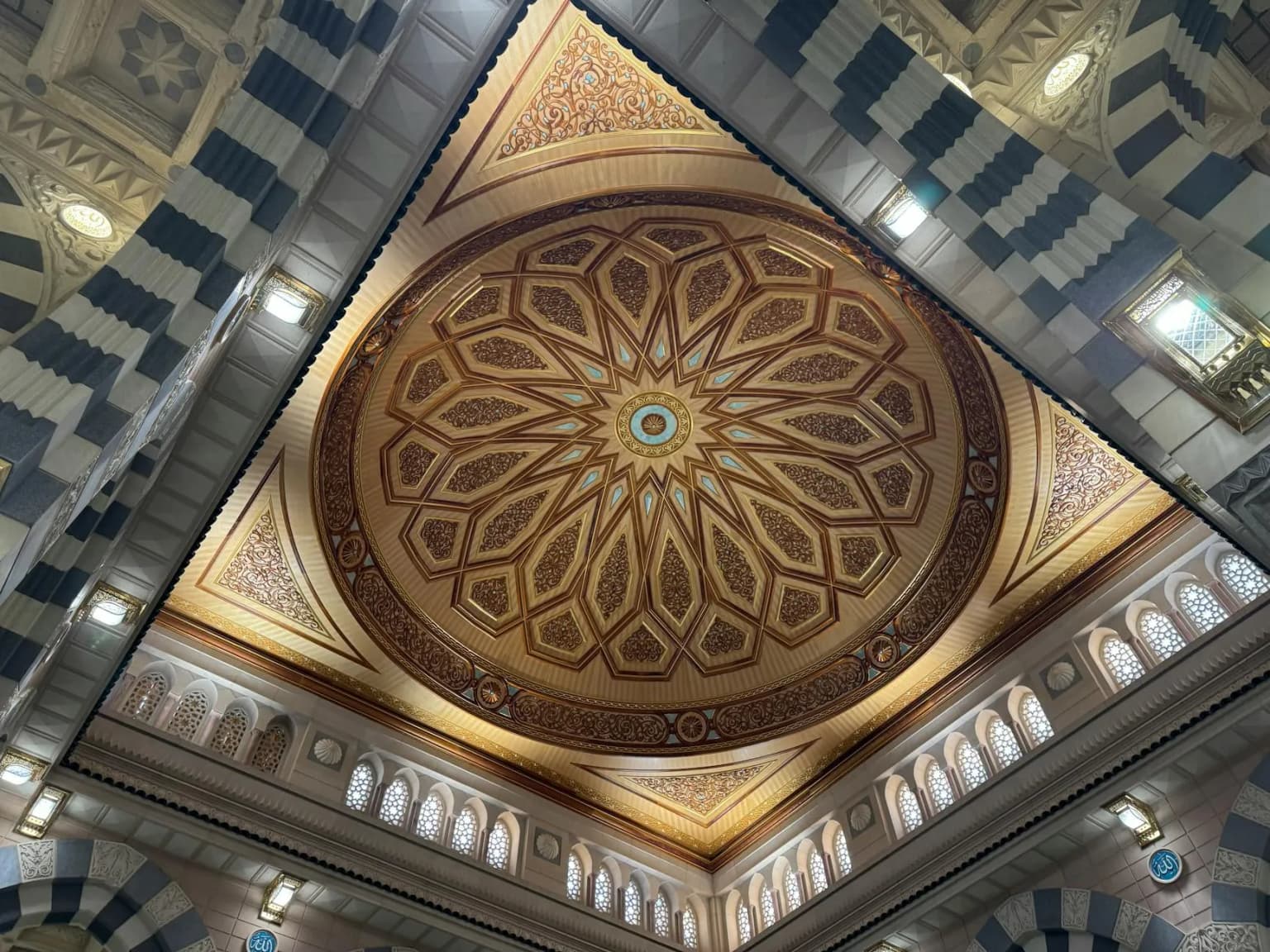
Located adjacent to the Prophet's Mosque, Al-Baqi is the main cemetery of Medina and one of the most sacred burial grounds in Islam. It holds the graves of many of the Prophet's companions, family members, and early Muslims. The cemetery is a place of quiet reflection.
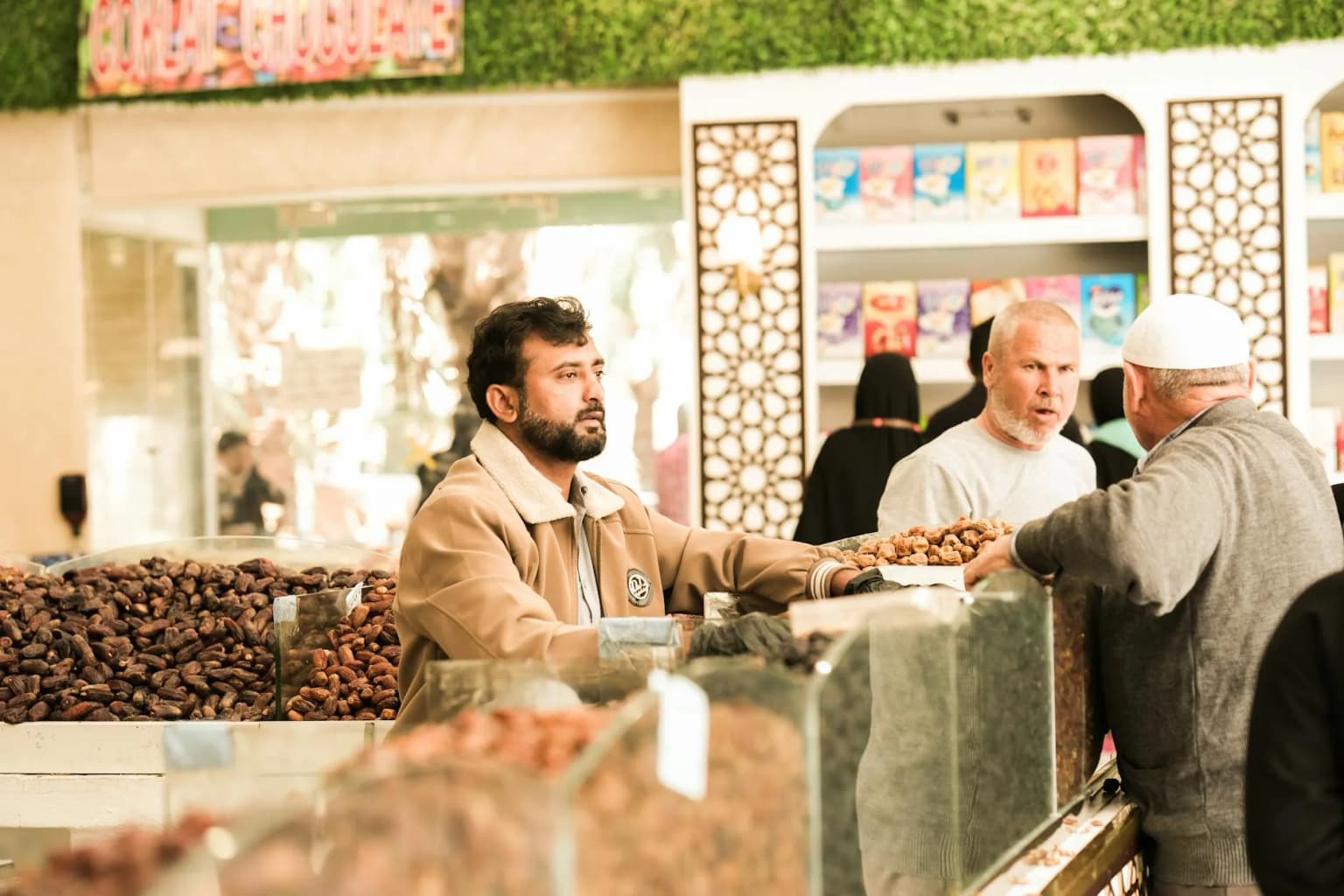
Medina is world-renowned for its premium dates, especially the prized Ajwa variety believed to have been planted by the Prophet Muhammad himself. The date markets near the Prophet's Mosque offer hundreds of varieties, from soft Sukkari to the rich, dark Ajwa. Prices range from 30 to over 200 SAR per kilogram depending on grade and variety.
Click on a numbered marker to see the attraction name. Numbers correspond to the attraction order below.
Discover and book guided tours, skip-the-line tickets, and unique experiences in Medina.
Medina's culinary scene is deeply rooted in its role as a gathering place for pilgrims from across the Muslim world. The city is most famous for its dates - particularly the legendary Ajwa variety - but also offers a rich mix of Hijazi, Yemeni, and Turkish cuisines. The streets surrounding the Prophet's Mosque are lined with restaurants serving everything from traditional harees to sizzling shawarma, with most meals costing between 25 and 70 SAR.
Ajwa Dates Medina's most prized export, Ajwa dates are dark, soft, and subtly sweet with a slightly dry texture. Considered a Sunnah food, they are among the most expensive date varieties, often exceeding 100 SAR per kilogram. Best purchased directly from the date markets near the Prophet's Mosque. A plate typically costs 100-250 SAR/kg.
Harees A traditional wheat and meat porridge slow-cooked for hours until it reaches a smooth, creamy consistency. Often seasoned with ghee and cinnamon, harees is a comforting staple especially popular during Ramadan and among pilgrims. A plate typically costs 25-40 SAR.
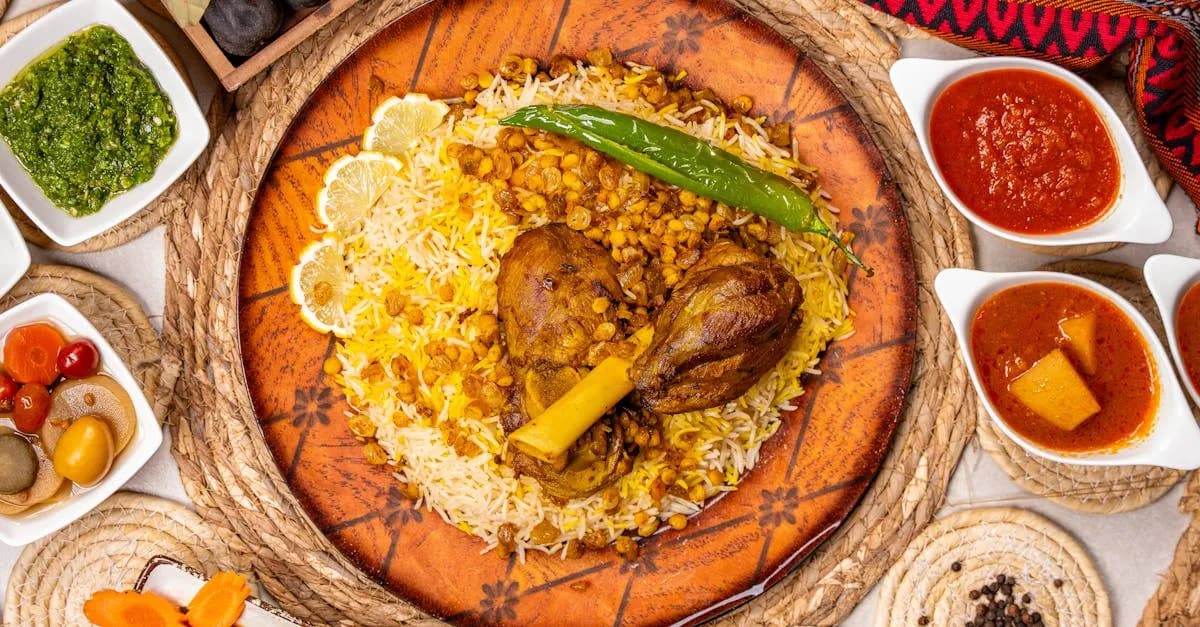
Kabsa Saudi Arabia's national dish of spiced rice layered with tender lamb or chicken, garnished with fried onions, raisins, and nuts. Medina's version often includes a tangy tomato-based sauce called daqoos on the side. A plate typically costs 30-60 SAR.
Mutabbaq A stuffed, pan-fried pastry filled with minced meat, egg, and herbs, popular as a street food breakfast or snack. The Yemeni and Javanese influences in Medina have made this a local favorite. A plate typically costs 10-20 SAR.
Tamar Hindi (Tamarind Juice) A sweet-tangy chilled drink made from tamarind pods, widely sold by street vendors especially after prayers. Refreshing in the desert heat and deeply associated with the Medina experience. A plate typically costs 5-10 SAR.
Al Baik (Near Prophet's Mosque, southern side) The iconic Saudi fried chicken chain has a massive presence near the Haram area. Expect long queues but affordable, freshly fried chicken and shrimp meals beloved by pilgrims and locals alike. Expect to pay around 15-35 SAR.
Al Romansiah (Multiple locations throughout Medina) Popular chain specializing in traditional Saudi kabsa and grilled meats. Family-friendly with generous portions and consistent quality across its multiple Medina branches. Expect to pay around 35-70 SAR.
Turkish Restaurant District (Old market area, north of the Haram) A cluster of Turkish and Ottoman-style restaurants in the old market area near Bab al-Majidi, serving kebabs, pide, and Turkish tea. The area comes alive after Isha prayer. Expect to pay around 30-60 SAR.
Yemeni Mandi Restaurants (Qurban district) Several Yemeni eateries around the Qurban area serve outstanding mandi - slow-smoked rice and meat cooked in underground clay ovens. The smoky flavor and tender meat are well worth seeking out. Expect to pay around 25-50 SAR.
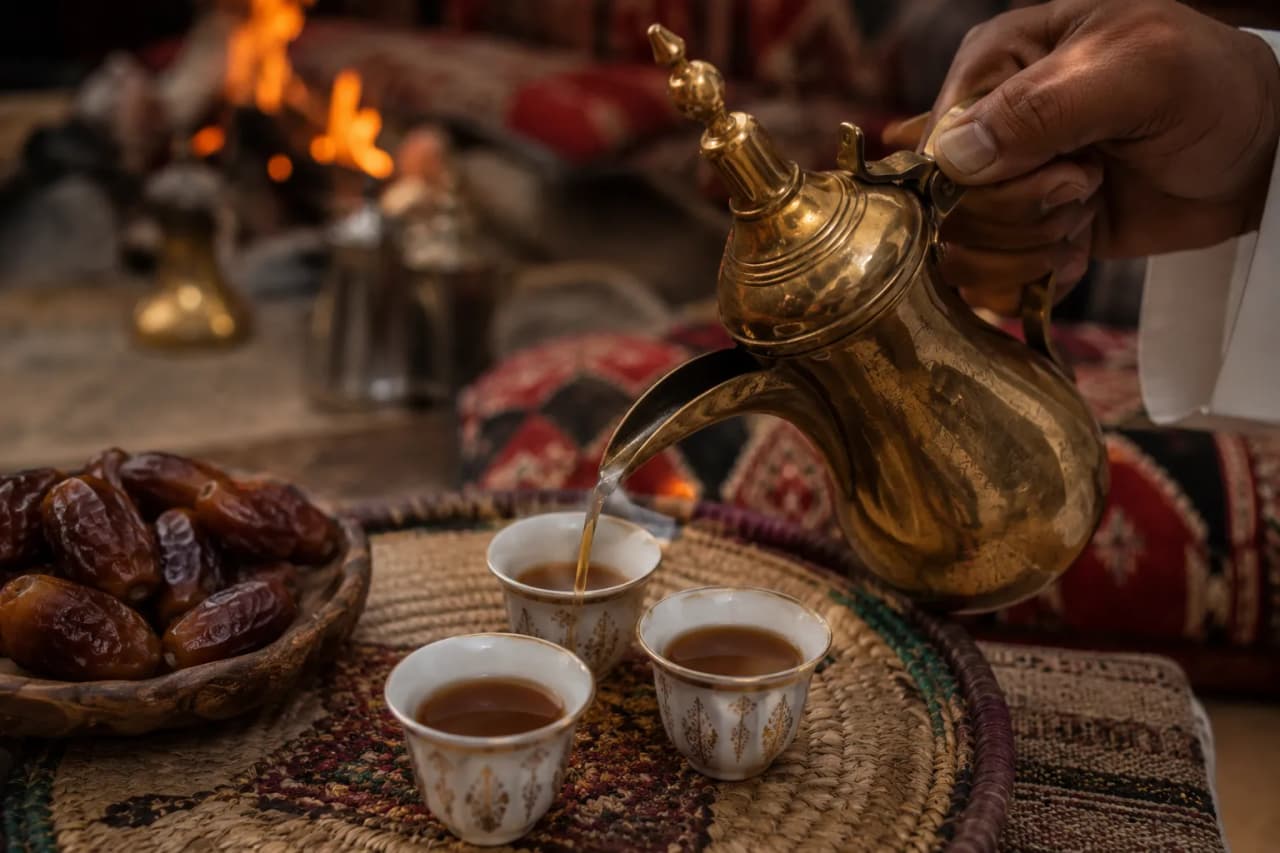
Date Market Cafes (Date markets near Prophet's Mosque) Small cafes inside and around the sprawling date souks offer fresh Arabic coffee paired with premium dates. A perfect spot to rest and sample different varieties before purchasing. Expect to pay around 10-30 SAR.
Restaurants close briefly during prayer times (five times daily), so plan your meals accordingly.
The cheapest and most authentic meals are found in the streets a few blocks south and east of the Prophet's Mosque, away from the immediate Haram perimeter.
Many restaurants offer free Zamzam water; bring your own reusable bottle to fill up.
During Ramadan, free iftar meals are distributed at the Prophet's Mosque courtyard every evening.
Always try before you buy at date shops - vendors are happy to let you sample different varieties.
Fridays are the busiest day; restaurants near the mosque can have 30+ minute waits after Jumu'ah prayer.
Large supermarkets like Panda, Bin Dawood, and Danube are scattered throughout the city and stock both local and international products. Bin Dawood has a convenient branch within walking distance of the Haram. For fresh produce and bulk dates, visit the central Medina fruit and vegetable market. Most supermarkets are open from 8 AM to midnight.
Choosing the right area can make or break your trip. Here is a quick guide to Medina's neighborhoods to help you pick the best base for your visit.
Click on an area for details. Zones are approximate.
| Neighborhood | Price Level | Why Stay Here |
|---|---|---|
| Al Haram District | Very High | The area immediately surrounding the Prophet's Mosque, premium location for pilgrims and residents seeking proximity to the holy site. |
| Al Uyun | Medium | Modern residential area with good infrastructure, popular with families and university staff. |
| Quba | Medium | Historic area home to the Quba Mosque (first mosque in Islam), a mix of traditional and modern housing. |
| Al Iskan | Low-Medium | Residential area with affordable housing, good for families on a budget. |
| Knowledge Economic City (KEC) | Medium-High | A planned city development on the outskirts featuring modern housing, business parks, and educational institutions. |
Hotel prices correlate with neighborhood rent levels. For longer stays, consider renting an apartment for better value. Planning to relocate? See our full Medina living guide.
The area immediately surrounding the Prophet's Mosque is highly pedestrian-friendly, with covered and air-conditioned walkways connecting hotels to the Haram from multiple directions. Beyond the central zone, ride-hailing apps are the most convenient way to get around, while free shuttle buses serve many hotel districts.
Walking (Free) The central Haram area is best explored on foot. Covered walkways and climate-controlled corridors connect the Prophet's Mosque to most nearby hotels and shopping areas, making walking comfortable even in warm weather.
Free Shuttle Buses (Free) Many hotels and the municipality operate free shuttle services between hotel districts and the Prophet's Mosque. Routes run frequently, especially around prayer times. Ask your hotel for the nearest shuttle stop and schedule.
Uber / Careem (10-30 SAR for most trips within Medina) Ride-hailing apps are the easiest way to reach sites beyond walking distance. Mount Uhud is about 4 miles (7 km) north, and Quba Mosque is 2 miles (3.5 km) south of the Haram. Rides are affordable and drivers are familiar with all the major religious sites.
Taxis (15-40 SAR for city trips) Metered taxis are available but less common than app-based rides. Always confirm the meter is running or agree on a price before departure. Taxis tend to cluster around the Haram gates.
Haramain High-Speed Rail (150-250 SAR depending on class and destination) The Haramain Railway connects Medina to Jeddah (approximately 2 hours) and Mecca (2.5 hours) at speeds up to 186 mph (300 km/h). The modern station is about 6 miles (10 km) from the city center. Book tickets via the SAR app or at the station.
Prince Mohammad bin Abdulaziz International Airport (MED) is located about 9 miles (15 km) northeast of the city center. It serves domestic flights to Riyadh, Jeddah, and Dammam, as well as international routes. The airport has two terminals. Uber and Careem operate from the arrivals area, and taxis are available at fixed rates (approximately 50-80 SAR to the Haram area).
Driving in central Medina is challenging due to heavy traffic, especially during Hajj and Umrah seasons. The area immediately around the Haram has numerous one-way streets and restricted zones. If you rent a car, use it primarily for day trips to Mount Uhud, Quba, or out-of-city destinations. Hotel parking is limited near the Haram; look for hotels with dedicated parking or use paid lots.
Useful apps: Nusuk - official app for booking Rawdah visits and managing pilgrimage itineraries, Uber / Careem - ride-hailing for trips beyond walking distance, SAR (Saudi Railway) - book Haramain High-Speed Rail tickets, Google Maps - navigation and walking directions around the Haram, Talabat / HungerStation - food delivery from local restaurants to your hotel.
Medina's location in the Hejaz region provides access to stunning coastal towns, ancient oases, and archaeological wonders. Whether you are drawn to the coral reefs of Yanbu, the monumental tombs of Al Ula, or the historic oasis of Khaybar, each destination offers a compelling reason to venture beyond the city.
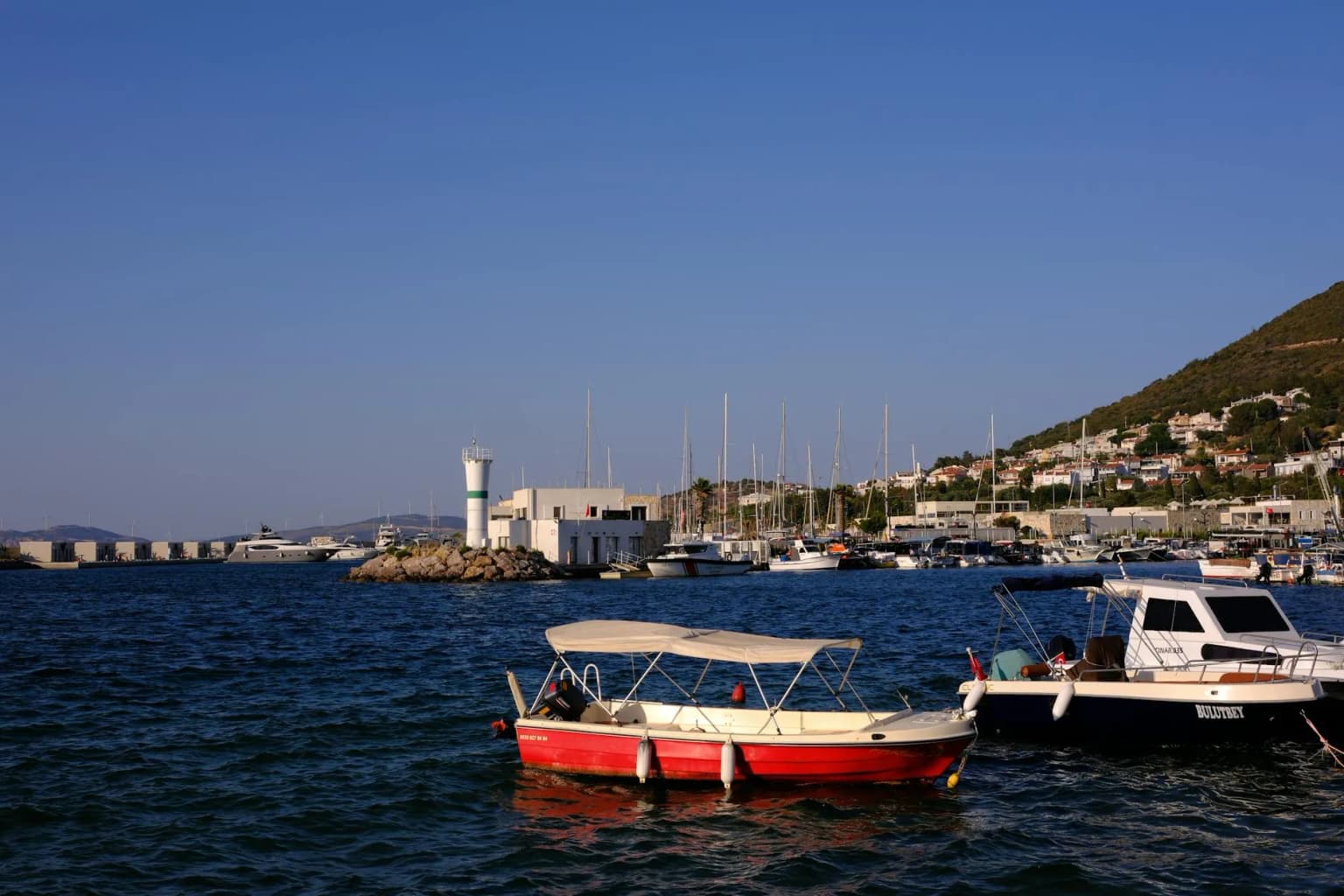
A Red Sea port city known for its pristine coral reefs, diving spots, and a charming historic district. Yanbu's waterfront corniche is perfect for an evening stroll, while the offshore islands offer some of the best snorkeling in Saudi Arabia. The old town features restored Ottoman-era buildings and a heritage museum.
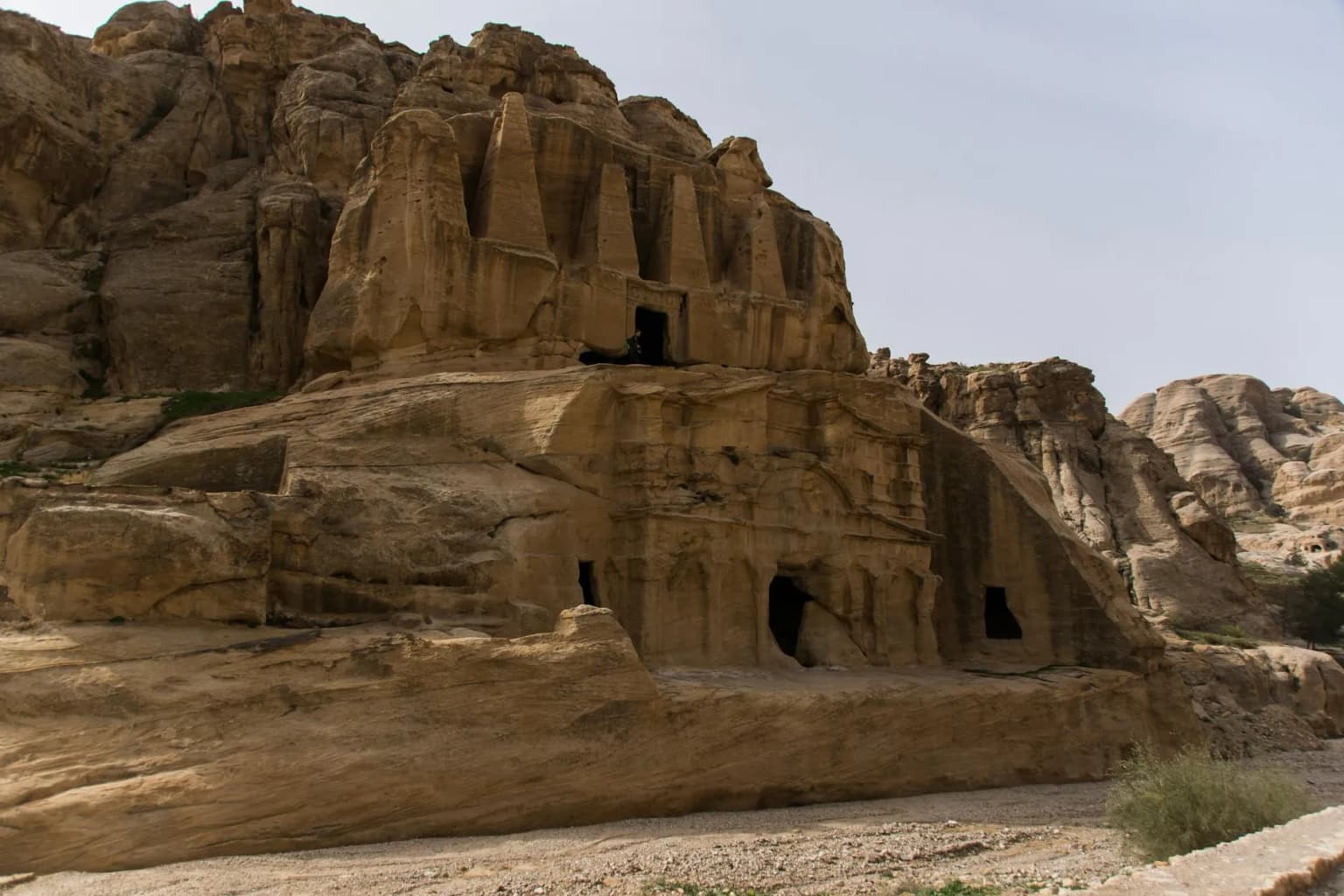
Home to Hegra (Madan Saleh), Saudi Arabia's first UNESCO World Heritage Site featuring over 100 Nabataean rock-cut tombs dating back 2,000 years. The dramatic desert landscape includes towering sandstone formations, ancient Dadanite inscriptions, and the mirror-clad Maraya concert hall. A full day is recommended to do it justice.

An ancient oasis town with a dramatic volcanic landscape, ruined fortresses, and some of the oldest date palm groves in Arabia. The historic Jewish fortresses perched on volcanic rock outcrops tell the story of early Islamic-era conflicts. The surrounding lava fields (harrat) create an otherworldly black-rock desert.

The site of the Battle of Badr (624 CE), the first major military victory in Islamic history. The small town has a museum dedicated to the battle, a mosque, and markers indicating the positions of the Muslim and Quraysh forces. A deeply meaningful visit for those interested in Islamic history.
The Prophet's Mosque (Al-Masjid an-Nabawi) is open 24/7 with free entry, including the spectacular courtyard and retractable umbrellas.
Quba Mosque, the first mosque ever built in Islam, is free to visit and pray in at any time.
The Martyrs' Cemetery at Mount Uhud is open to visitors at no charge, with views of the historic battlefield.
Date market vendors generously offer free samples of dozens of varieties - a delicious way to spend an afternoon.
Qiblatain Mosque, where the qibla direction was changed, is free to visit and less crowded than the major sites.
Free iftar meals are distributed at the Prophet's Mosque courtyard during Ramadan evenings.
The Hejaz Railway Station Museum is free to explore, including the outdoor locomotive display.
Free shuttle buses connect hotel districts to the Haram area throughout the day.
The Prophet's Mosque has been expanded numerous times throughout history and now accommodates over one million worshippers, making it one of the largest mosques in the world.
The mosque's courtyard features 250 giant retractable umbrellas, each weighing 16 tons, that open during the day to shade worshippers and close at sunset in a synchronized display.
Premium Ajwa dates from Medina can cost over 100 SAR per kilogram, and the finest grades from specific farms fetch even higher prices at auction.
Medina was originally called Yathrib before being renamed to 'Al-Madinah al-Munawwarah' (The Radiant City) after the Prophet's migration there in 622 CE.
Quba Mosque holds the distinction of being the very first mosque built in the history of Islam, founded by Prophet Muhammad upon his arrival during the Hijrah.
The Green Dome over the Prophet's tomb was not always green - it was originally unpainted wood, later painted white, then blue, and finally green in 1837 during Ottoman rule.
Popular souvenirs from Medina include: Ajwa dates - Medina's most prized export, available in beautifully packaged gift boxes from the date markets., Prayer mats (sajjadah) - handwoven and machine-made options ranging from simple to ornate, perfect for personal use or gifts., Arabian perfumes (attar) - concentrated oil-based fragrances free of alcohol, sold in ornate glass bottles at perfume shops throughout the old market., Oud (agarwood) - premium wood chips and incense used for traditional Arabian home fragrance, available in various grades., Islamic books and calligraphy - Qurans, hadith collections, and framed Arabic calligraphy art available near the Haram., Tamar Hindi (tamarind juice) - dried tamarind blocks or bottled concentrate to recreate the beloved Medina street drink at home., Rose water and honey - locally sourced rose water from Taif roses and natural Sidr honey from the Hejaz region., Miswak (tooth-cleaning sticks) - traditional natural toothbrush sticks from the Salvadora persica tree, sold in bundles..
Saudi Arabian culture emphasizes hospitality, respect, and traditional values. Greet people with "As-salamu alaykum" (Peace be upon you) and accept the response "Wa alaykum as-salam." When offered Arabic coffee (qahwa) and dates, it is customary to accept at least one cup. Shake the cup gently when you have had enough.
As a holy city, Medina requires particular respect for Islamic customs. Dress modestly, maintain a respectful demeanor, and be mindful of prayer times. Photography restrictions apply in and around the sacred mosques.
Medina's culture is characterized by deep spirituality, hospitality, and scholarly tradition. The city has been a center of Islamic learning for over 1,400 years. Local customs emphasize generosity toward visitors, and the Madinah dates (especially Ajwa) are world-renowned. The city maintains a serene, contemplative atmosphere that distinguishes it from the busier Saudi cities.
Dress modestly in public, especially when visiting mosques and traditional areas. Women are no longer required to wear an abaya but should dress conservatively. During Ramadan, eating, drinking, and smoking in public during daylight hours should be avoided out of respect. Friday is the main day of worship, and many businesses close during Friday prayer.
Staying connected in Medina is easy. Saudi Arabia has excellent 4G and 5G coverage throughout the Kingdom. Free WiFi is available in most hotels, malls, and many restaurants. For mobile data, consider getting a local SIM card from STC, Mobily, or Zain at the airport or any mobile shop - prepaid plans with generous data allowances are affordable. Alternatively, use an eSIM from providers like Airalo or Holafly for seamless connectivity.
The official language is Arabic, but English is widely spoken in hotels, restaurants, malls, and tourist areas. Most signage is in both Arabic and English. Useful Arabic phrases: "Shukran" (Thank you), "Min fadlak" (Please), "La" (No), "Na'am" (Yes). Google Translate works well for Arabic. For emergencies, dial 911 for police, 997 for fire, 998 for ambulance, or 999 for traffic police.
Many visitors fall in love with Medina and decide to make it their home. If you are considering the move, here are the essential resources.
Cost of living, neighborhoods, job market, and expat community guide for Medina.
Step-by-step guide to renting in Saudi Arabia - where to search, what to expect, and how to avoid scams.
Compare Saudi banks, required documents, and how to open an account as a foreigner.
With its rich heritage, stunning landscapes, and warm hospitality, Medina offers an unforgettable Saudi experience.
Discover more amazing destinations across Saudi Arabia. Each city offers unique experiences, rich heritage, and unforgettable attractions.
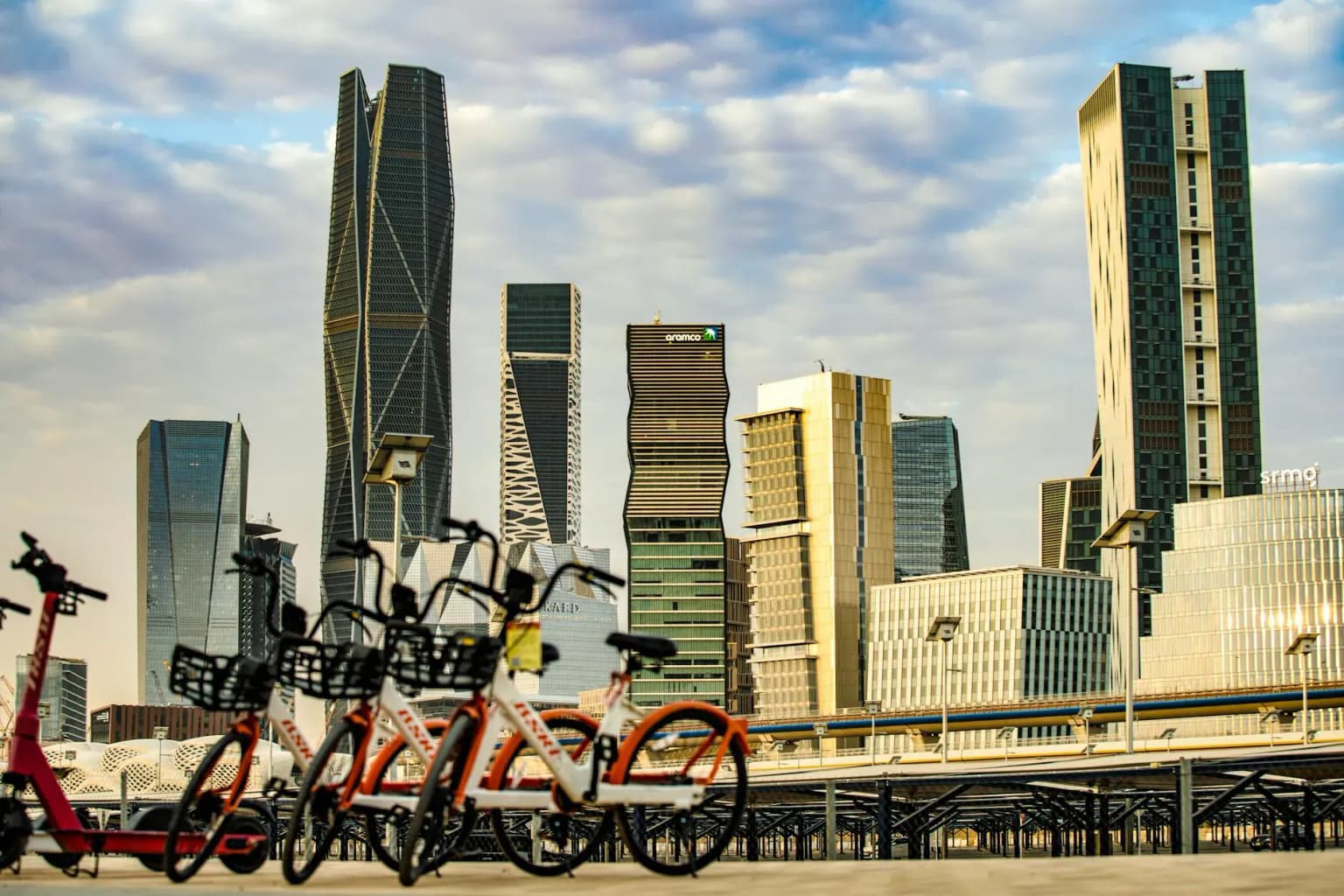
Diriyah (At-Turaif District) · Kingdom Centre Tower · National Museum of Saudi Arabia
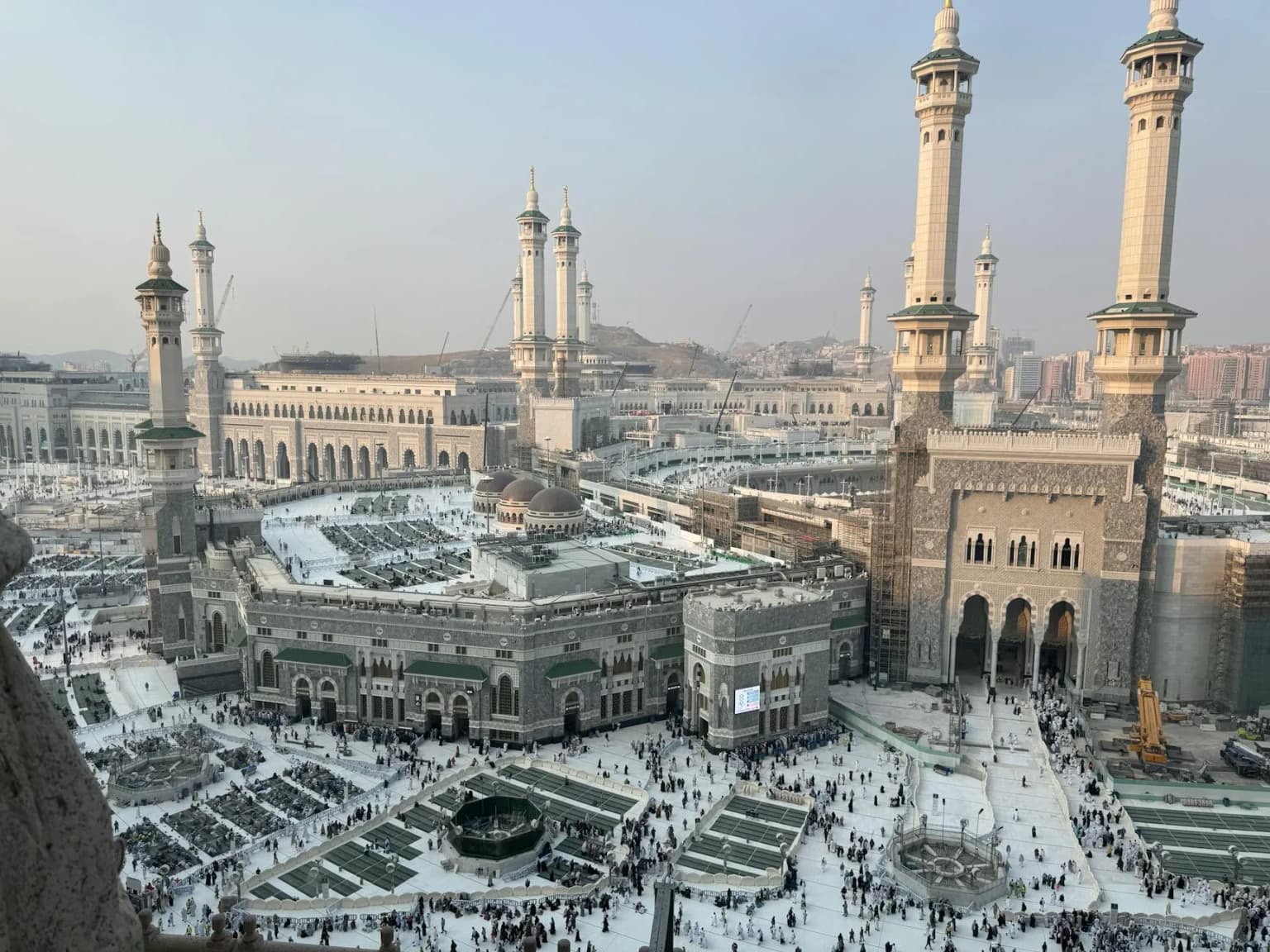
Masjid al-Haram (Grand Mosque) · The Kaaba · Abraj Al-Bait (Makkah Royal Clock Tower)
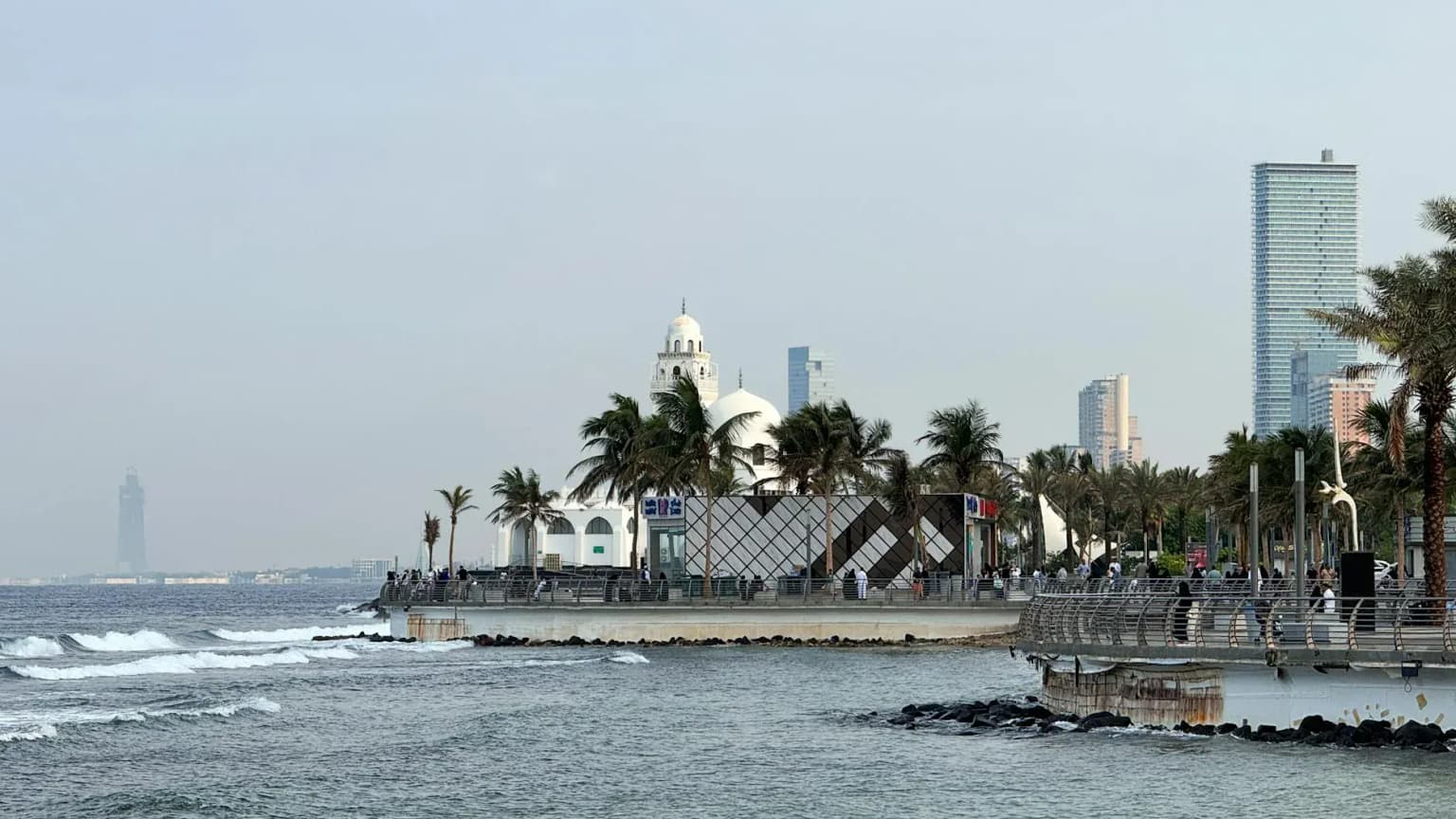
Al-Balad Historic District · King Fahd Fountain · Jeddah Corniche
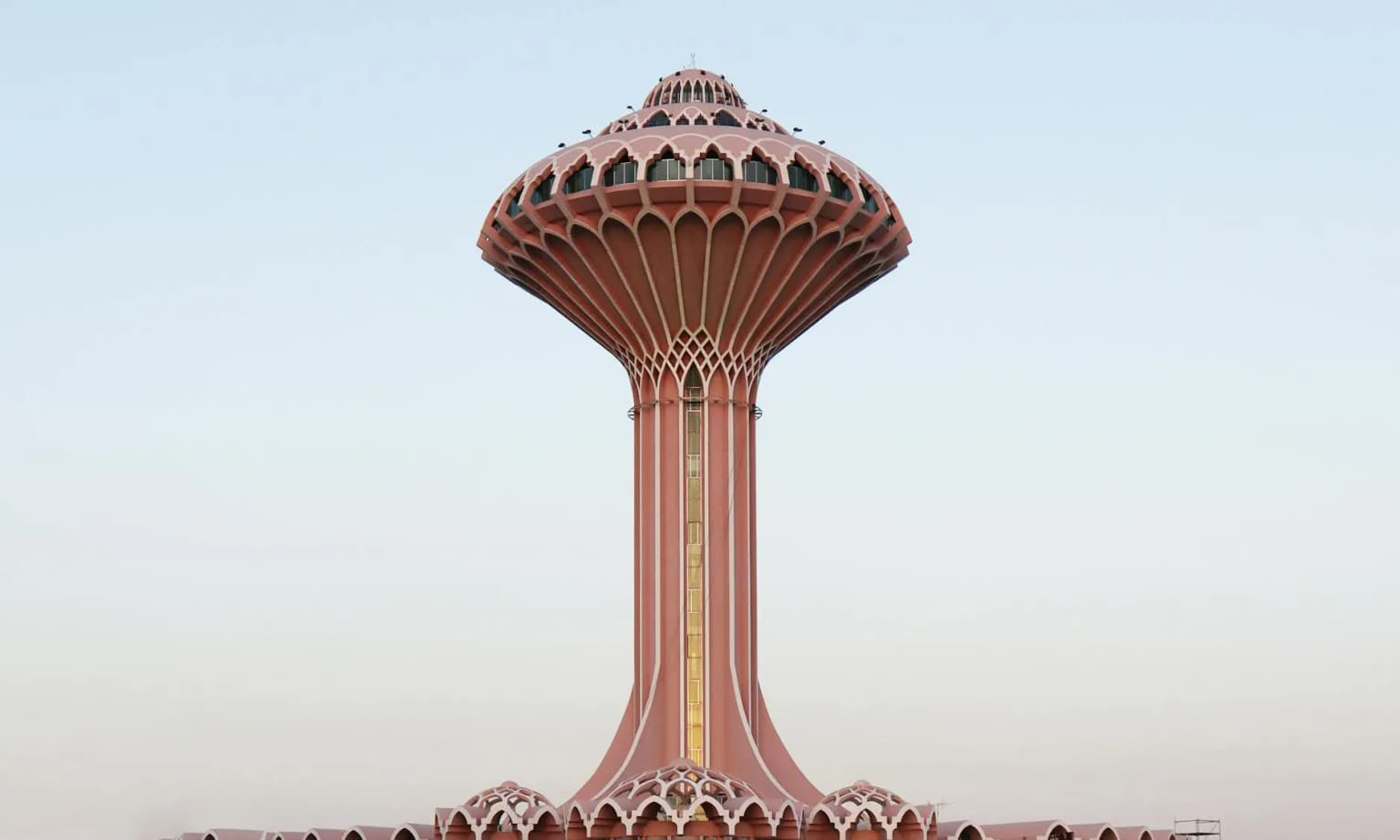
Dammam Corniche · King Abdulaziz Center for World Culture (Ithra) · Half Moon Bay
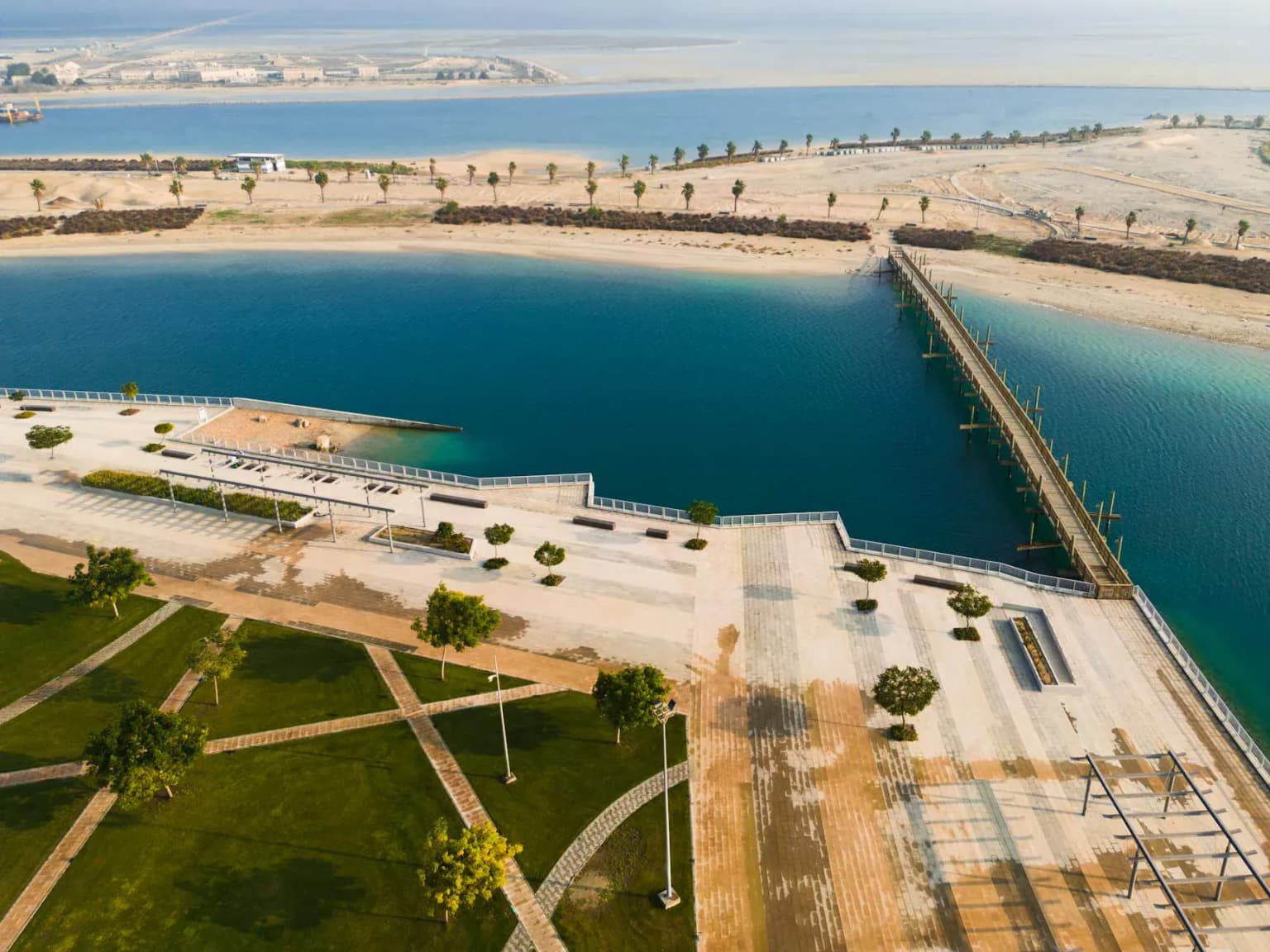
Khobar Corniche · King Fahd Causeway · Sunset Beach
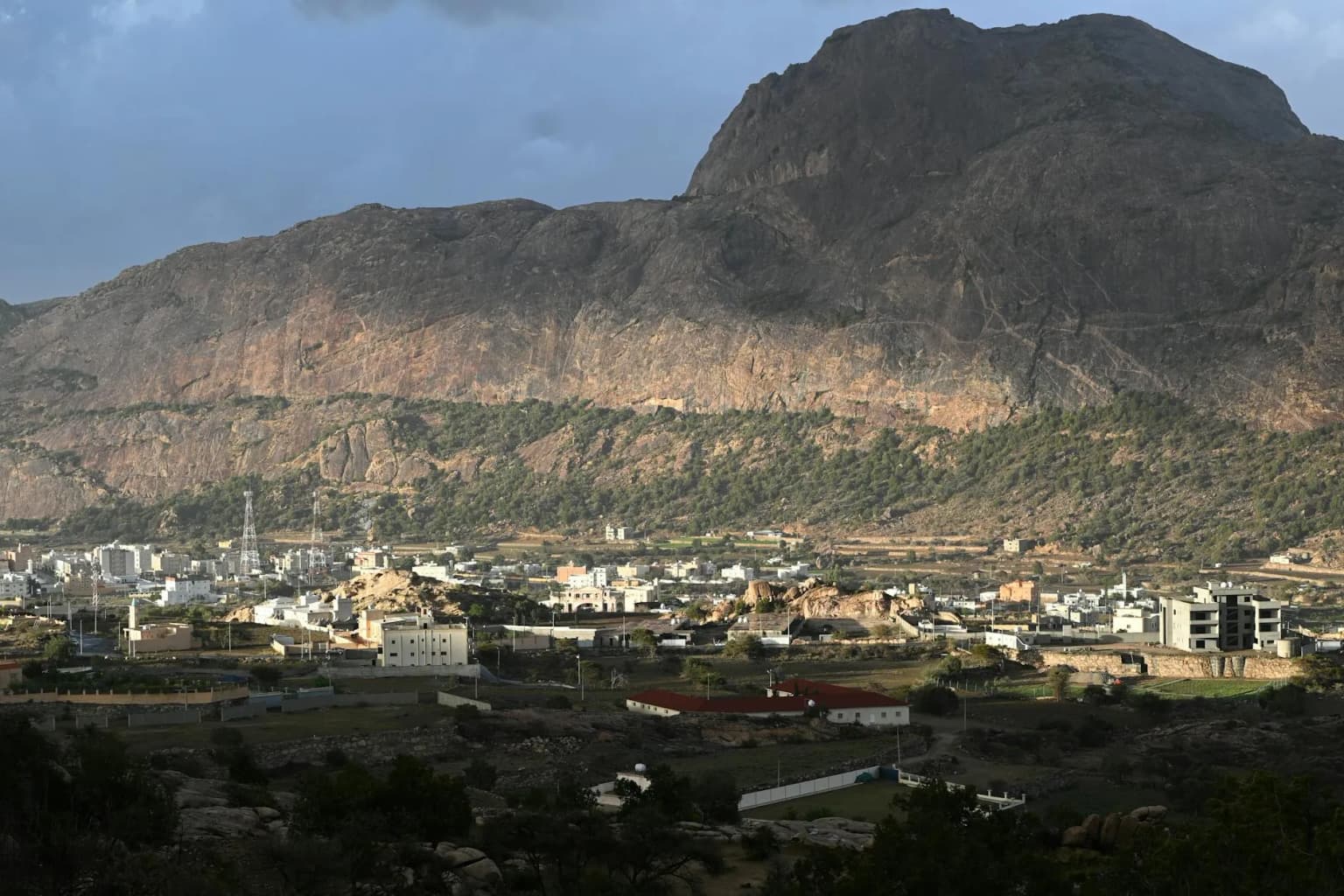
Asir National Park · Green Mountain (Jabal Akhdar) · Habala Village
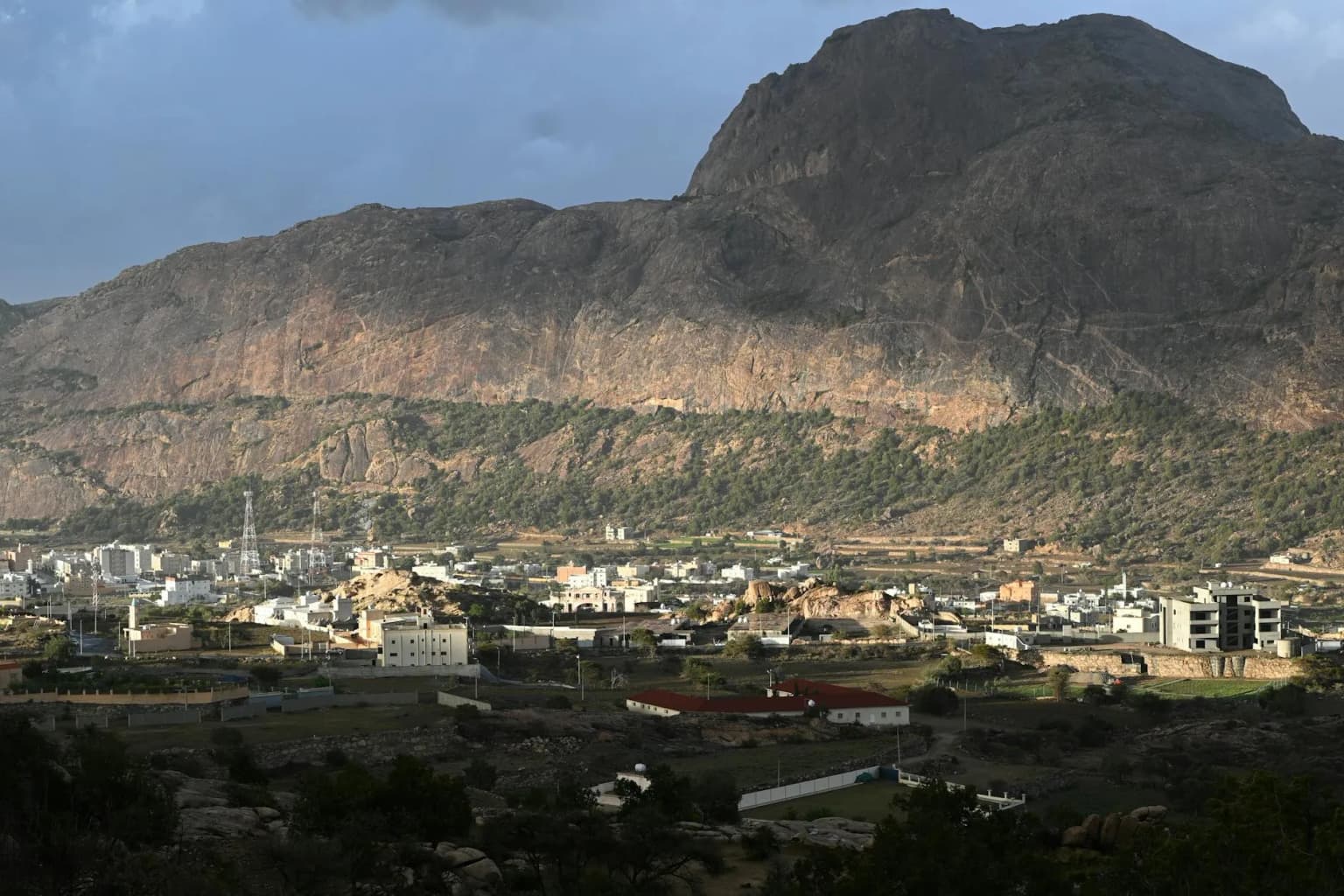
Taif Rose Farms · Al Shafa Mountain · Al Hada Mountains
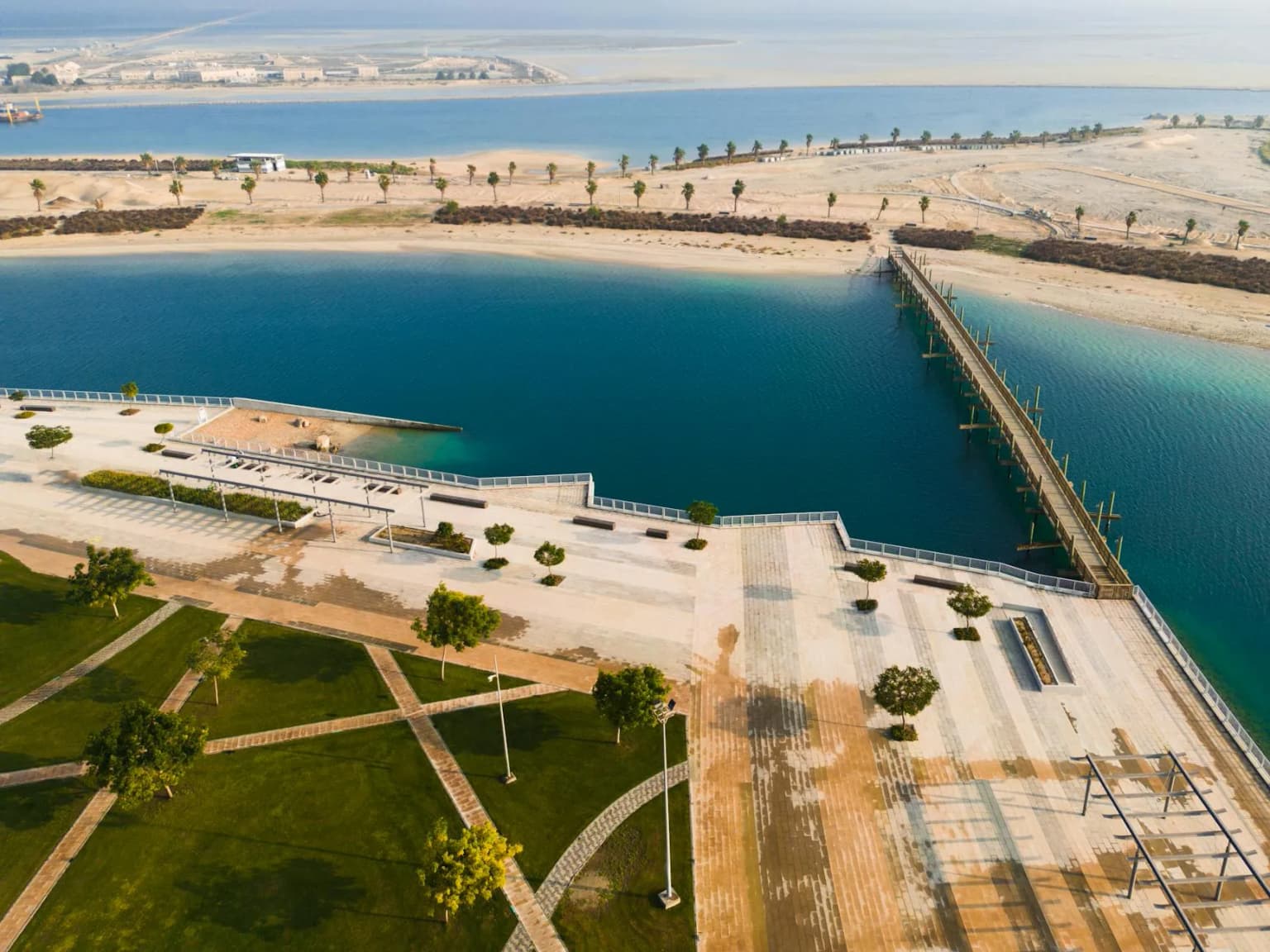
Fanateer Beach · Jubail Mangrove Park · Royal Commission Parks