Loading...
Join our Facebook Group: Join: Expats in Saudi Arabia
Loading...
An honest, practical introduction to the culture of Saudi Arabia: its traditions, customs, religion, food, etiquette, dress, and the hospitality that defines the Kingdom.
You land in Riyadh or Jeddah and the first thing you notice is the scale. The airport is enormous and brand new. The highways are eight lanes wide. The malls are the size of small towns. Everything in Saudi Arabia is built big. The country itself is the size of Western Europe, and it feels like it.
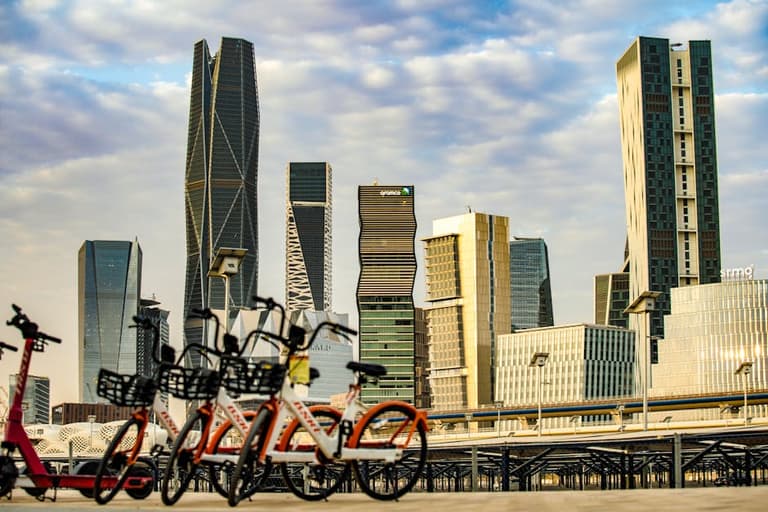
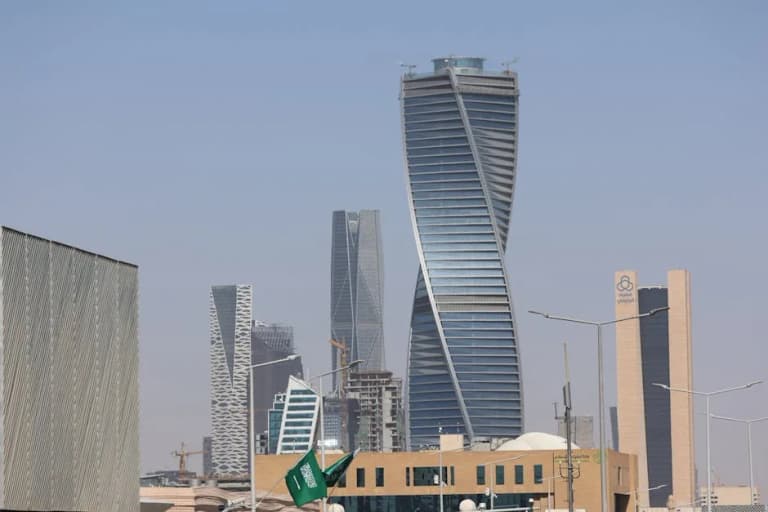
The second thing you notice is that it doesn't look like what you expected. If you pictured camels and sand dunes, you'll find a country of glass skyscrapers, luxury cars, and construction cranes on every horizon. Riyadh looks like a cross between Houston and Dubai. Jeddah has a laid-back coastal vibe with a historic old town. The mountain city of Abha is green and cool. Saudi Arabia has been changing at an incredible speed: cinemas opened for the first time in 2018, tourist visas launched in 2019, and international concerts and Formula 1 races are now routine.
And then, five times a day, the call to prayer echoes from mosques across the city, shops close for a few minutes, and you remember you are in one of the most religious countries on Earth. That contrast between ultra-modern and deeply traditional is what defines Saudi Arabia. It is a country of 32 million people (plus 13 million foreign residents), no income tax, no alcohol, cheap gasoline, incredible food, extreme heat in summer, and a level of personal safety that surprises almost every visitor.
Because of the heat, especially in summer, life in Saudi Arabia happens mostly at night. Restaurants fill up at 9 or 10 PM. Families go to malls and parks after sunset. Coffee shops are busy past midnight. On weekends, it is completely normal to see children playing outside at 11 PM. The country wakes up when the sun goes down.
Saudi Arabia opened to tourists in 2019, and the number of visitors has been growing every year since. In 2023 the country welcomed over 100 million visitors, a number that keeps rising as new attractions, hotels, and experiences open across the Kingdom. The people are a big reason visitors come back. Saudis are genuinely warm, curious about foreigners, and eager to show off their country. You will be offered dates, coffee, and help before you even ask for it.
This is what surprises people the most: Saudis are some of the friendliest, most generous people you will meet anywhere. It is not an exaggeration. Walk into a date shop and the owner will hand you free samples and refuse to let you pay for your first bag. Stop to look at a map and someone will walk you to your destination. A colleague you've known for a week will invite you to his family's Friday lunch. A taxi driver will offer you coffee from his thermos.
This generosity has a name: karam (hospitality). In Saudi culture, taking care of a guest, feeding them, helping them, making sure they are comfortable, is not just a nice thing to do. It is a point of honour. People will go genuinely out of their way for you, and they will not want anything in return. Europeans and Americans often say they have never been treated so well anywhere in the world.
Saudi Arabia is also extremely safe. Women walk alone at night without concern. People leave laptops in coffee shops while they go to the counter. Children play outside unsupervised. Violent crime against foreigners is essentially unheard of. Most visitors say the safety is one of the biggest positive surprises.
The population is young: over 60% of Saudis are under 35. Family is central to everything. Fridays are for extended family gatherings. Respect for parents and elders is deep and visible. The country has changed rapidly for women: they can drive, work, travel alone, attend concerts, and run businesses. But Saudi Arabia is still a conservative society, and traditional values remain strong, especially outside the big cities.
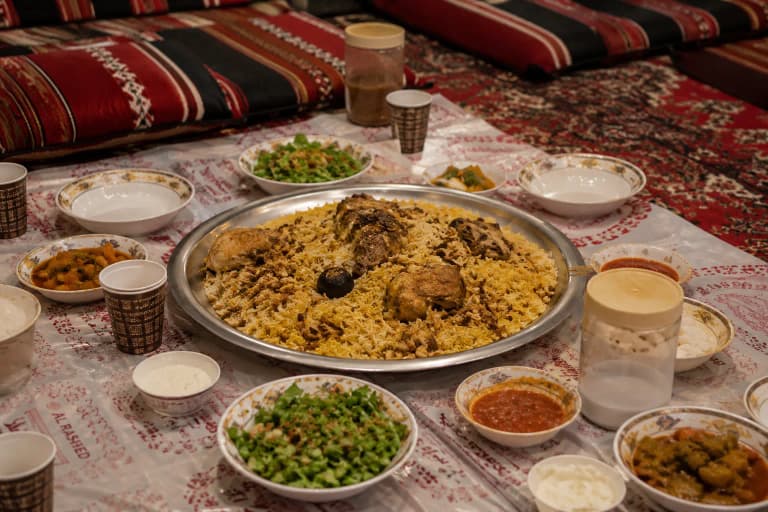
Saudi food is one of the best things about the country, and most visitors don't expect that. The national dish is kabsa, a big platter of fragrant, spiced rice topped with slow-cooked lamb, chicken, or goat. It is served everywhere, from roadside restaurants to five-star hotels, and it is genuinely delicious. Other dishes to try: mandi (smoked meat over rice), mutabbaq (crispy stuffed pastry), jareesh (creamy wheat porridge), and shawarma, available on almost every street corner for 3-8 SAR ($1-2).
If you've never been to the Middle East, one thing that will surprise you is eating on the floor. In many traditional restaurants and at home gatherings, a plastic sheet is spread on the ground, the food is placed in the middle, and everyone sits cross-legged and eats from the same platter with their right hand. It feels strange for about five minutes, and then you realise it is one of the most social and enjoyable ways to eat. Most restaurants also have regular tables if you prefer, and many have separate family sections (mixed groups) and singles sections (men only).
Saudi Arabia also has incredible Indian, Pakistani, Yemeni, Filipino, and Lebanese food, the result of decades of immigration. A biryani from a Pakistani restaurant in Jeddah or a mandi from a Yemeni place in Riyadh can be a life-changing meal for under 30 SAR ($8).
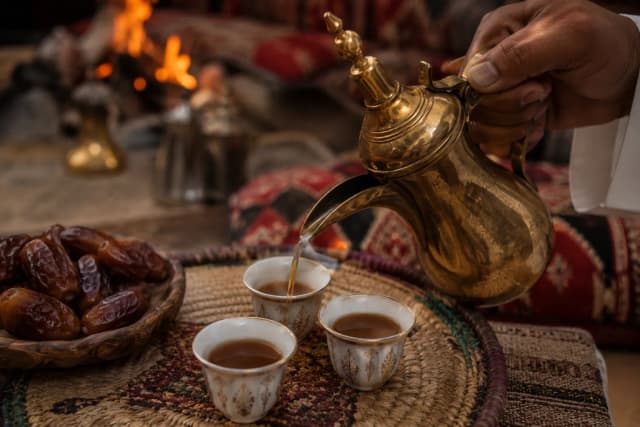
Then there is coffee. Saudi Arabic coffee (qahwa) is light, pale, brewed with cardamom, and served in tiny cups alongside dates or figs. You will be offered it everywhere: in homes, offices, shops, even car dealerships. It is the universal welcome gesture. Accept with your right hand. When you've had enough, gently tilt the cup side to side. Beyond traditional coffee, Riyadh and Jeddah have an enormous specialty coffee scene with hundreds of third-wave cafes that would hold their own in any city in the world.
All food in Saudi Arabia is halal. There is no pork anywhere in the country. Alcohol is completely banned, but fresh fruit juices, Saudi coffee, and the growing non-alcoholic beverage scene are everywhere.
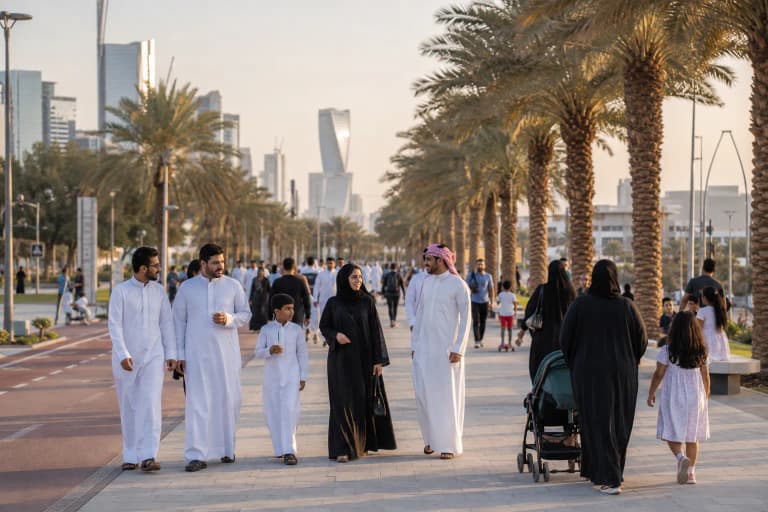
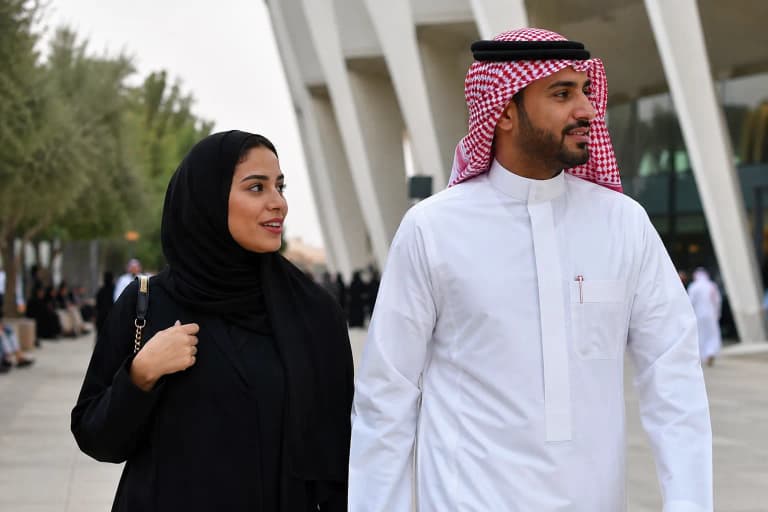
The first thing you notice about Saudis in public is what they wear. Saudi men dress in a thobe, a long, ankle-length white robe, paired with a ghutra on the head (either plain white or the iconic red-and-white checked pattern) held in place by a black cord called an igal. It looks elegant and, as you quickly realise in 40-degree heat, is surprisingly practical. Saudi women wear an abaya, a loose, flowing outer garment traditionally in black, over their regular clothes. Many also cover their hair with a hijab. In the big cities this has been changing fast: younger women now wear colourful designer abayas, embroidered versions, or in Riyadh and Jeddah simply modest Western clothing without an abaya at all. As a foreigner, nobody expects you to wear Saudi clothes. The unwritten rule is straightforward: cover your shoulders and knees in public. T-shirts, jeans, long skirts, casual dresses are all completely fine in malls, restaurants, and tourist spots. Foreign women no longer need to wear an abaya. Inside hotels, residential compounds, and private spaces, there are no dress expectations whatsoever.
The standard greeting you will hear dozens of times a day is "As-salamu alaykum" (peace be upon you), and the reply is "Wa alaykum as-salam." People say it in shops, elevators, offices, and on the street. Men greet men with a handshake and often a kiss on both cheeks if they know each other. When greeting someone of the opposite gender, wait for them to extend their hand first, because some conservative Saudis prefer not to shake hands across genders. If nobody extends a hand, just smile and place your right hand on your chest. It is a perfectly normal and respected alternative. Always use your right hand for greetings, for eating, and for handing anything to another person. The left hand is considered unclean, and this is one custom that is noticed immediately if you get it wrong.
One of the first sensory impressions of Saudi Arabia is the smell. Walk into a hotel lobby, a government office, or someone's home and you will be hit by a rich, warm, woody fragrance. This is oud, an essential oil extracted from agarwood that has been part of Arabian culture for centuries, and bakhoor, scented incense chips burned on small charcoal burners. Saudis take scent seriously in a way that is difficult to overstate. Men and women perfume themselves before going out. Homes are scented with bakhoor, especially before receiving guests. When you visit someone's house, your host may pass a bakhoor burner around so the fragrant smoke can scent your clothes. Oud perfume shops are in every mall and every traditional souk. The scent of bakhoor drifting out of open doors is one of those small details that makes the country feel unmistakably different from anywhere else.
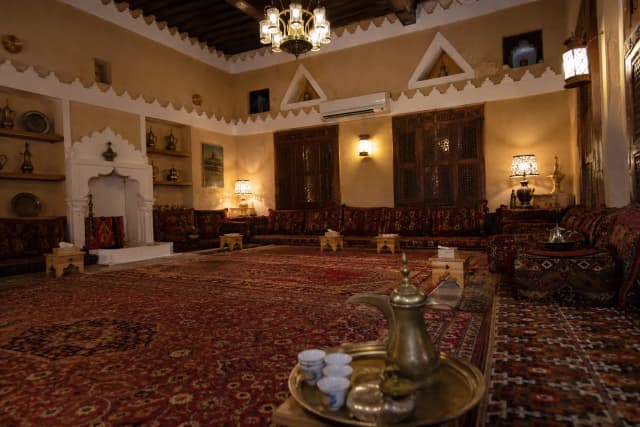
If a Saudi colleague, neighbour, or someone you have just met invites you to their home, say yes. It is one of the best experiences you can have in the country. You will be received in the majlis, the traditional guest room found in every Saudi household. It is typically a large room with cushions or low sofas arranged along the walls, and it is designed entirely for one purpose: welcoming people. As soon as you sit down, Arabic coffee (qahwa) and dates will appear. Then tea. Then fruit. Then, eventually, food, and more of it than you thought possible. Your host will pile your plate and insist you eat more long after you feel full. The polite way to signal that you are done is to say "alhamdulillah"(praise God, meaning "I am satisfied") and place your hand over the plate or cup. If you want to bring a gift, sweets, chocolate, or pastries from a good bakery are always appreciated. Do not bring alcohol, and avoid food with gelatin since it may not be halal.
The same generosity extends to restaurants. When you eat out with Saudi friends or colleagues, expect a friendly and sometimes quite theatrical fight over the bill. Saudis genuinely want to pay for you, and refusing too strongly can come across as rude. A good approach is to offer once or twice, and if they insist, accept graciously and thank them sincerely. Try to get to the bill first next time. This back-and-forth over who pays is an everyday expression of the same hospitality culture that defines the country as a whole.
Saudis have a more relaxed relationship with time than most Westerners are used to. A meeting that is scheduled for 10 AM may begin at 10:20. Plans change with a phone call. "I'll be there in five minutes" can mean twenty. None of this is disrespect; it is simply the rhythm of life here. Business meetings almost always begin with 10-15 minutes of small talk, coffee, and pleasantries before any work topic is raised, and rushing past this or checking your watch is considered rude. Patience is not just appreciated in Saudi Arabia; it is a genuine social skill, and people who have it earn more trust and better relationships.
The weekend runs Friday and Saturday, and the Saudi weekend really begins on Thursday evening, the equivalent of Friday night in the West. This is when cities come alive. Families fill the malls, parks, and restaurant strips. Groups of friends meet at coffee shops or shisha lounges and stay out late. Young Saudis are among the most active social media users in the world, and you will notice Snapchat, TikTok, and Instagram being used constantly. Going to the cinema, which was banned until 2018 and only reopened a few years ago, is now a hugely popular evening activity. In winter, when temperatures are perfect, desert camping becomes the favourite weekend plan. Families and friends load up SUVs, drive out into the open desert, set up tents, light a fire, grill meat, brew tea, and sleep under some of the clearest starlit skies you will ever see. It is one of the most Saudi experiences there is.
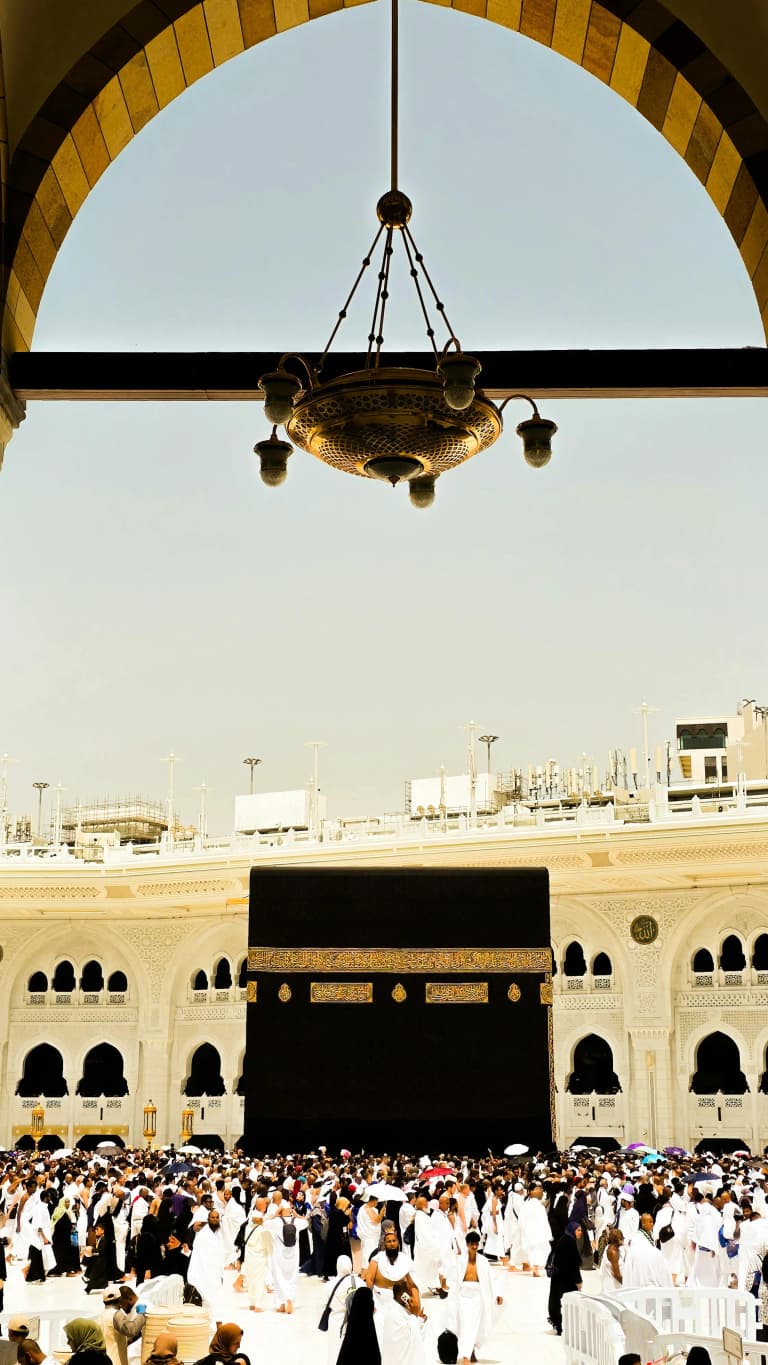
Saudi Arabia is the birthplace of Islam. The two holiest places in the Islamic world, the Kaaba in Mecca and the Prophet's Mosque in Medina, are here. Every year, millions of Muslims travel here for the Hajj pilgrimage. Islam is not just a religion in Saudi Arabia. It shapes the laws, the calendar, the architecture, and the daily routine.
The most visible part of this is prayer times. Five times a day, at dawn, midday, afternoon, sunset, and night, the call to prayer (adhan) echoes from mosques across every city. Many shops and restaurants close for 15-20 minutes. You don't need to do anything during prayer time; just wait, and everything reopens. After a few days, you stop thinking about it. You learn the rough schedule and plan around it automatically, like traffic or weather.
Ramadan is the month when Muslims fast from sunrise to sunset: no food, no water, no smoking. If you visit during Ramadan, you'll find restaurants closed during the day (room service and takeaway usually still work), shorter working hours, and a quieter daytime. But after sunset, the country comes alive. Huge iftar (fast-breaking) feasts fill restaurants and homes, night markets open, shops stay open until 2 AM, and the streets fill with people. The atmosphere becomes festive and social in a way that is hard to describe until you experience it. Someone will almost certainly offer you a date or a glass of juice as iftar approaches, even if you are a stranger. Many non-Muslim visitors say Ramadan was their favourite time in Saudi Arabia.
Non-Muslims are welcome everywhere except Mecca and the inner area of Medina, which are restricted to Muslims only. You are free to practice your own religion in private. There are no churches or temples in Saudi Arabia, but private worship at home or in community gatherings is tolerated.
Saudi Arabia only started welcoming tourists in 2019, so most of the world hasn't seen what's here yet. That is actually one of the best reasons to go. The sites are world-class and uncrowded.
Hegra (Mada'in Salih) in the northwest is Saudi Arabia's answer to Petra: monumental Nabataean tombs carved into sandstone cliffs 2,000 years ago, but without the crowds. It is a UNESCO World Heritage Site and genuinely breathtaking. AlUla, the valley around Hegra, has dramatic rock formations, ancient inscriptions, and a growing arts and music festival scene. The AlUla Moments festival brings international acts to a desert canyon. Diriyah near Riyadh is the birthplace of the Saudi state, with restored mud-brick palaces now surrounded by restaurants and luxury boutiques. Jeddah's Al-Balad is a UNESCO-listed old town with coral-stone houses and hand-carved wooden balconies that feel like stepping back 500 years.
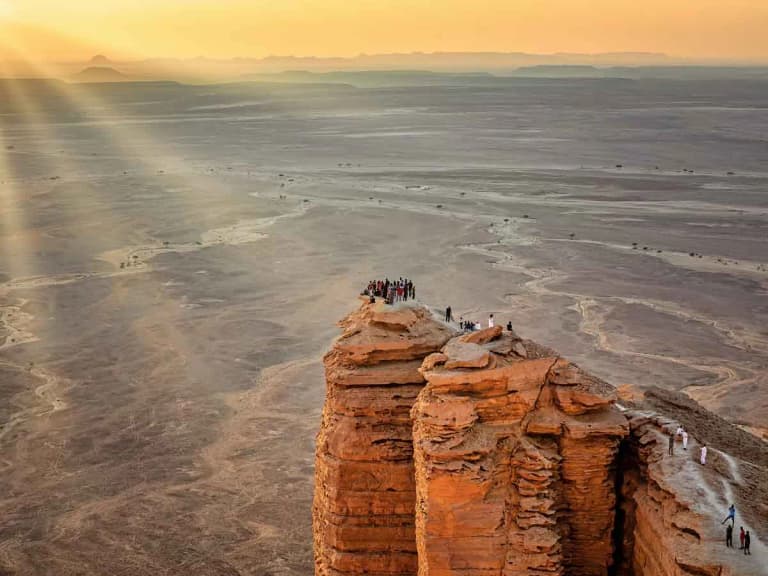
The Edge of the World near Riyadh is exactly what it sounds like: a 300-metre cliff edge that drops into an endless flat desert below. It is one of the most dramatic views on the planet and a popular weekend trip. The paved road ends several kilometres before you arrive, and the final stretch is rough, rocky desert track. You genuinely need a proper 4x4 SUV to get there, a regular car will not make it. If you don't have one, organised tours run from Riyadh and handle the driving for you. The Red Sea coast has pristine coral reefs for diving and snorkelling, especially around Yanbu and the Farasan Islands. The Rub' al Khali (Empty Quarter) is the largest sand desert in the world, where you can camp under some of the clearest night skies on Earth. The Asir Mountains around Abha are green, cool, and completely different from the desert. Think terraced hillsides, mist, and villages perched on cliff edges. Wahbah Crater is a massive volcanic crater you can hike into.
This is the part of Saudi Arabia that has changed the most, and the part that surprises visitors the most. Until 2018, the country had no cinemas, no concerts, and almost no public entertainment. Today, it hosts some of the biggest events in the world. The transformation happened in just a few years, and the pace keeps accelerating.
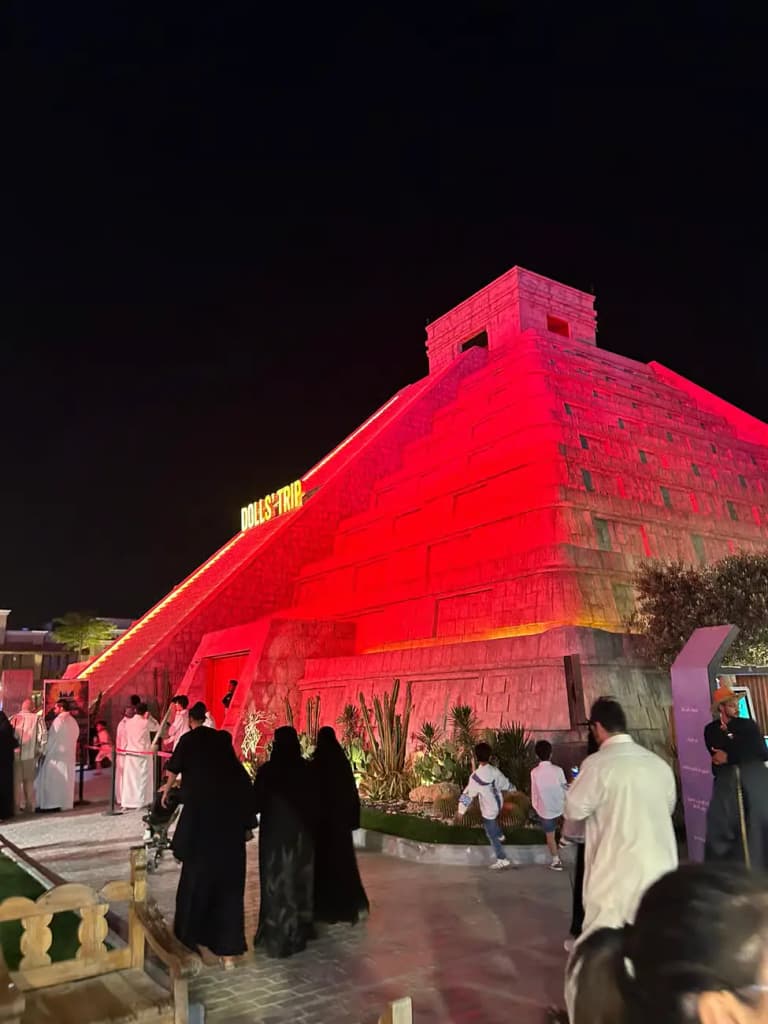
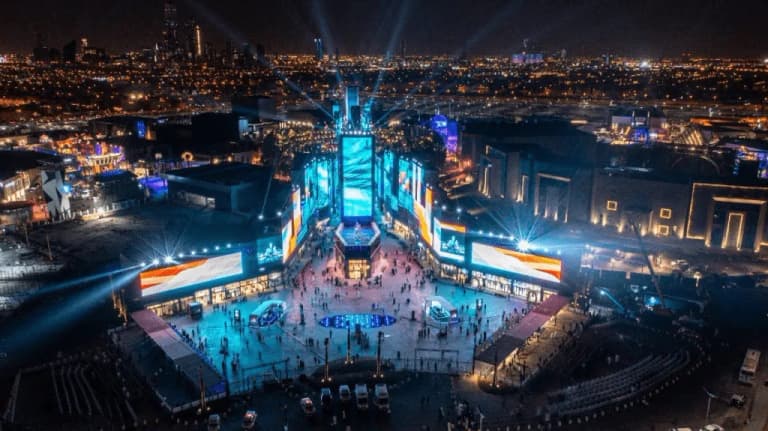
Riyadh Season is the centrepiece. It is a months-long mega-festival, usually running from October to March, that turns the entire capital into an entertainment destination. The numbers are staggering: in its 2023-24 edition, Riyadh Season attracted over 15 million visitors. Dozens of venues across the city host concerts, immersive experiences, themed attractions, fireworks displays, live shows, and sporting events simultaneously. You walk through a city that feels like it is throwing a festival on every corner. Big-name concerts happen multiple times a week: Arabic superstars like Amr Diab, international acts across every genre from hip-hop to K-pop to Latin music, and sometimes surprise appearances that fill stadiums with 50,000 people. The Mohammed Abdu Arena and Kingdom Arena are dedicated venues built specifically for these performances.
Boulevard Riyadh City is the crown jewel of Riyadh Season, and nothing quite prepares you for the sheer scale of it. It is not a mall or a park. It is an entire district, stretching across hundreds of thousands of square metres, divided into themed zones that represent different countries and regions. You enter and suddenly you are walking through a Japanese-themed zone with ramen shops, cherry blossom decorations, and Japanese street food stalls. Turn a corner and you are in an American zone with diners, carnival games, and neon signs. Another section recreates a European piazza. There is a dedicated Moroccan zone, an Indian zone, a Latin American zone, each with authentic food, music, and decorations from those regions. The food alone could keep you busy for days: the world cuisines section has restaurants from dozens of countries grouped by region, and the quality is genuinely good, not just theme-park imitations.
Then there are the animals. Boulevard Riyadh City has zones with live exotic birds, small animals you can interact with, and wildlife displays that children love. There are amusement rides, funhouses, haunted mazes, live acrobat performances on outdoor stages, parades with floats and performers in costumes, and pop-up shops selling everything from handmade crafts to luxury streetwear. At night, the whole place transforms: the lighting becomes spectacular, fireworks go off, live DJs play across multiple stages, and the energy picks up to a level that feels more like a festival than a city district. Families with small children, groups of teenagers, couples on dates, and international tourists all share the same space, and it works. On weekends it is packed until 2 or 3 AM. Most people who visit Boulevard Riyadh City for the first time say the same thing: they planned a few hours and ended up staying the entire day, and still did not see everything.
Boulevard is not the only Riyadh Season venue. Boulevard World is a separate, even larger attraction built around a lake, with country pavilions, water shows, and more themed zones. Combat Field offers paintball, laser tag, and military-themed experiences. Winter Wonderland recreates a European Christmas market with ice skating, snow, and mulled (non-alcoholic) drinks, which feels surreal in a Saudi desert. Via Riyadh is focused on fine dining and luxury shopping. Each venue has its own personality, and new ones are added every season. The ticket model varies: some venues are free entry with paid attractions inside, others charge an entrance fee that includes most activities.
Riyadh is not the only city in on the action. Jeddah Season runs its own events along the Red Sea waterfront, with a more coastal, laid-back vibe. The Jeddah Corniche comes alive with pop-up restaurants, art installations, concerts, and fireworks over the sea. AlUla Moments turns the ancient desert valley of AlUla into a cultural festival with concerts in canyon amphitheatres, art exhibitions in sandstone landscapes, and hot-air balloon rides over Nabataean tombs at sunrise. The setting alone makes it one of the most unique event locations on the planet.
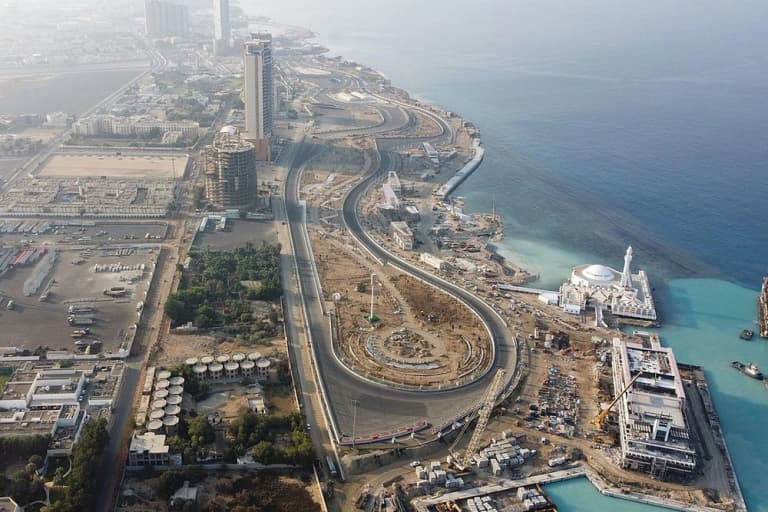
Saudi Arabia has also become a serious destination for global sports. Formula 1 races through the streets of Jeddah on the Corniche Circuit, one of the fastest street circuits in the world. Formula E takes place in historic Diriyah. The Dakar Rally crosses the Saudi desert every January. International boxing title fights, tennis tournaments, golf events, and WWE shows happen regularly. The Saudi Pro League in football has attracted global stars like Cristiano Ronaldo, Neymar, and Karim Benzema, turning local matches into must-see events with electric stadium atmospheres.
Qiddiya, currently under construction about 45 minutes from central Riyadh, is the most ambitious project of all. It is planned as the world's largest entertainment city: a purpose-built destination with Six Flags theme parks (including what is expected to be the world's tallest and fastest roller coaster), a professional motorsport track, a massive water park, golf courses, a ski slope, and an entire city of hotels and residences around it. When fully open, it is meant to be Saudi Arabia's answer to Orlando or the Las Vegas Strip, except built from scratch in the desert with virtually unlimited funding. Early phases are already opening, and the full complex is expected to transform the country's entertainment landscape entirely.
Eid al-Fitr marks the end of Ramadan and is the most joyful holiday of the year. It lasts about four days, and the whole country shuts down. On the morning of the first day, families dress in brand-new clothes (buying a new outfit for Eid is a tradition, especially for children) and go to a large open-air prayer. After that, the visiting begins. Extended families gather at the grandparents' home for a huge feast: lamb, kabsa, sweets, fruit, and more food than anyone can finish. Children go from house to house collecting eidiya, small envelopes of cash given by older relatives, and the excitement is similar to Christmas morning in the West. Parks, malls, and restaurants are packed. Special Eid events, carnival rides, and fireworks pop up across every city. The mood is genuinely electric, and if you happen to be in Saudi Arabia during Eid, people will invite you to join their celebrations without hesitation.
Eid al-Adha falls during the Hajj pilgrimage season and is equally important. It commemorates the story of Ibrahim's willingness to sacrifice his son, and the central tradition is the slaughter of a sheep or goat. Families divide the meat into three parts: one for the household, one for relatives and friends, and one for the poor. Large family gatherings, feasts, and gift-giving follow the same pattern as Eid al-Fitr. The holiday lasts about four days, and combined with the Hajj period, it can feel like the country takes a full week off. If you are working in Saudi Arabia, both Eids are official public holidays and among the longest breaks of the year.
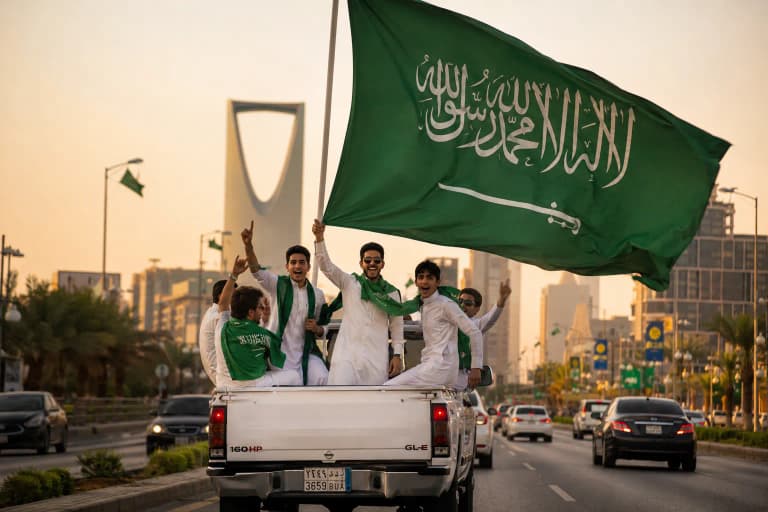
Saudi National Day on September 23 is unlike anything else. It celebrates the unification of the Kingdom in 1932, and the patriotic pride on display is overwhelming. The entire country turns green: buildings are lit in green, cars are draped in green flags, people wear green scarves, and young men drive through the streets in pickup trucks waving enormous Saudi flags and honking horns. Fireworks shows light up every major city. Concerts and festivals run late into the night. Air shows with military jets trailing green and white smoke fly over Riyadh and Jeddah. It is one of those days where you feel the genuine, unscripted enthusiasm of an entire nation celebrating together. Many restaurants and attractions offer special deals, and the atmosphere on the streets is festive and safe, with families and young people out everywhere.
Founding Day on February 22 is a newer holiday, introduced in 2022 to celebrate the establishment of the first Saudi state in 1727. It has a more heritage-focused feel: people wear traditional regional clothing, cities host cultural markets with crafts and traditional food, and there are parades showcasing Saudi history. It is a one-day holiday but growing in importance each year, and it gives visitors a rare window into the older, pre-oil traditions of the Arabian Peninsula.
Saudi Arabia has 15 major cities, each with a distinct personality. Here is a quick overview to help you decide where to go or where to live. Click a city on the map or follow the links below for the full guide.
Zoom in to see city photos and rent prices. Click a city to open its guide.
Riyadh
Pop. 7.7 million
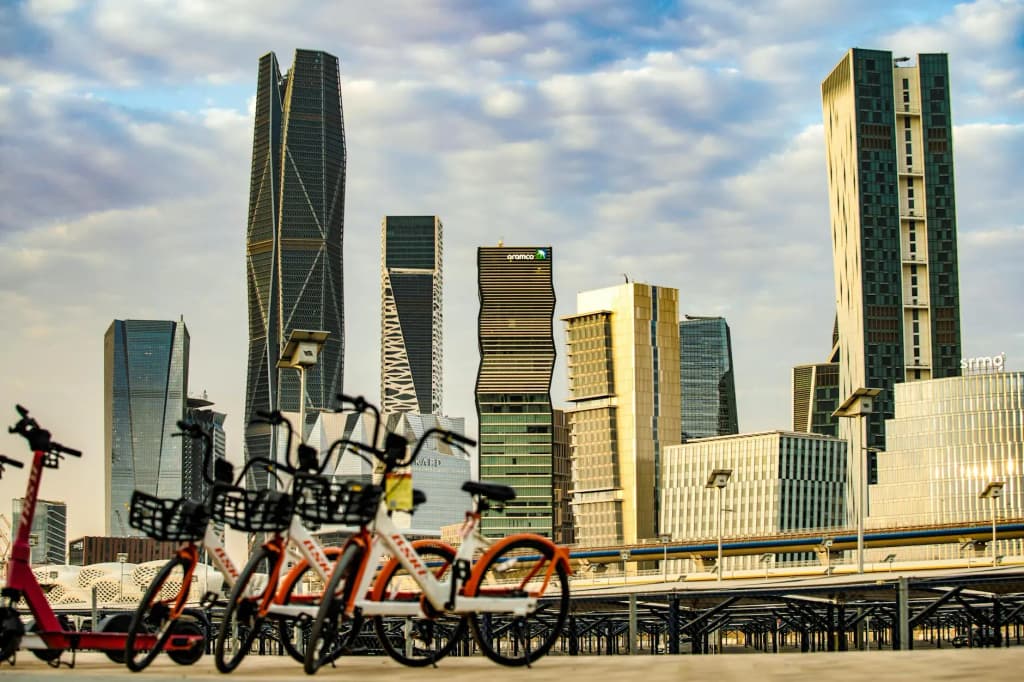
The capital and largest city. A sprawling desert metropolis that is the centre of government, finance, and Vision 2030 mega-projects. Huge job market, enormous malls, Riyadh Season entertainment, and a rapidly growing social scene. Hot summers, cool winters.
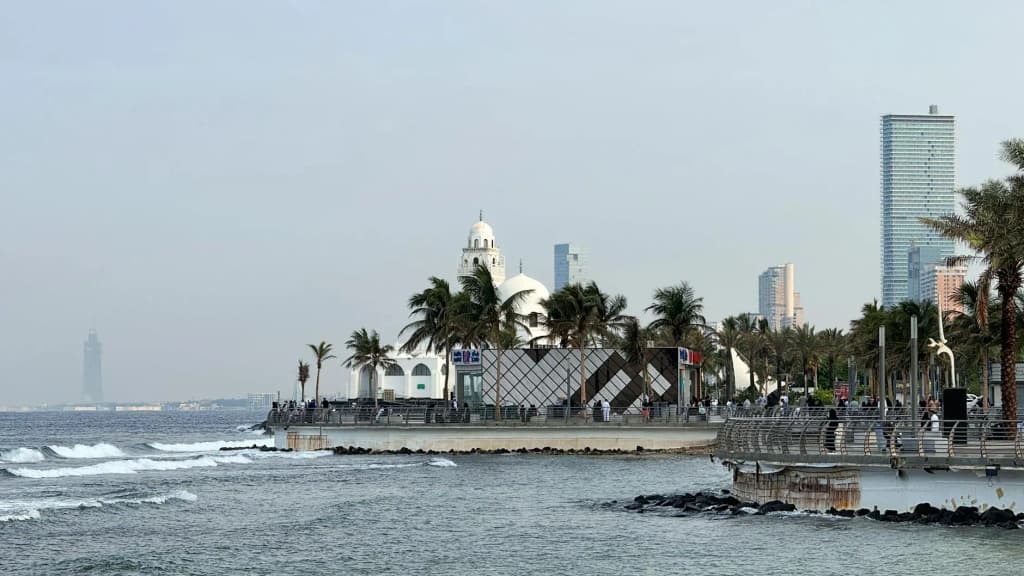
Jeddah
Pop. 4.7 million
The gateway to Mecca and the country's most cosmopolitan city. A laid-back Red Sea port with a UNESCO historic old town, a legendary Corniche, great diving, and a more relaxed atmosphere than Riyadh. Humid but liveable year-round.
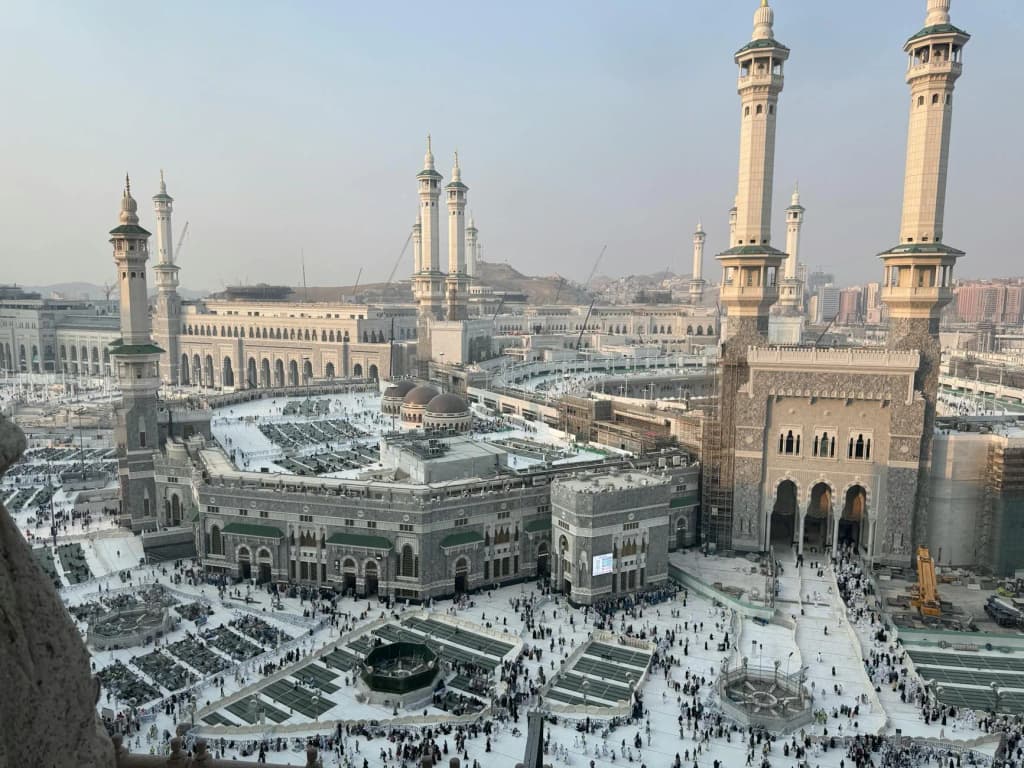
Mecca
Pop. 2.0 million
The holiest city in Islam, home to the Kaaba and the Grand Mosque. Millions of pilgrims visit for Hajj and Umrah every year. Restricted to Muslims only. The hospitality industry dominates, with massive hotel and infrastructure development.
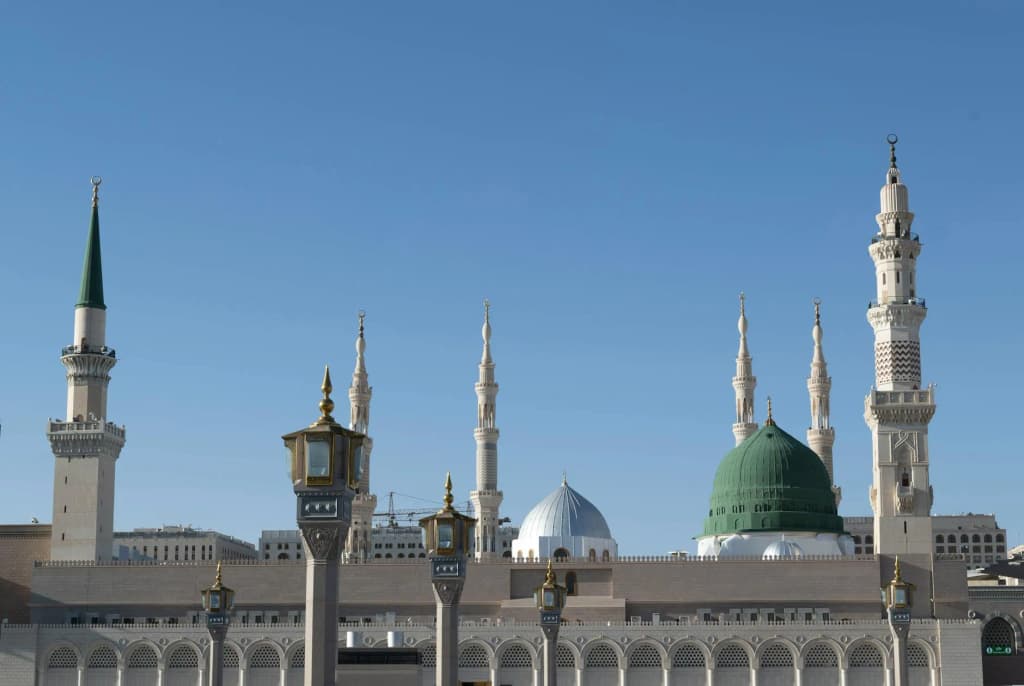
Medina
Pop. 1.4 million
Islam's second holiest city, where the Prophet's Mosque stands. Calmer and greener than Mecca, known for its date farms and peaceful atmosphere. The inner holy area is restricted to Muslims, but the city itself is open to everyone.
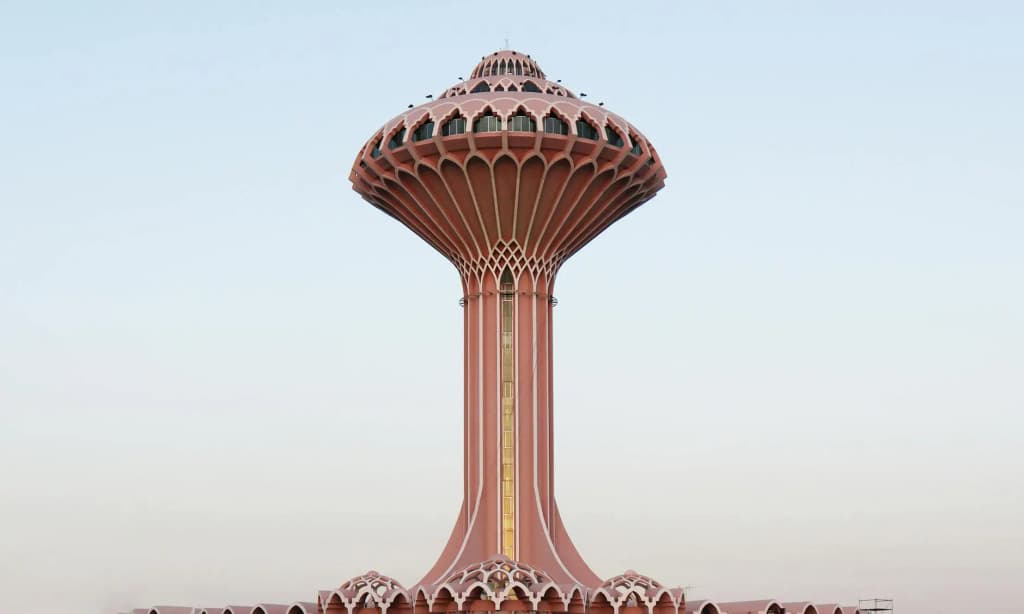
Dammam
Pop. 1.3 million
Capital of the Eastern Province and gateway to the oil-rich Gulf coast. A working city with a long Corniche, good seafood, and easy access to Bahrain via the King Fahd Causeway. Close to Khobar and Dhahran.
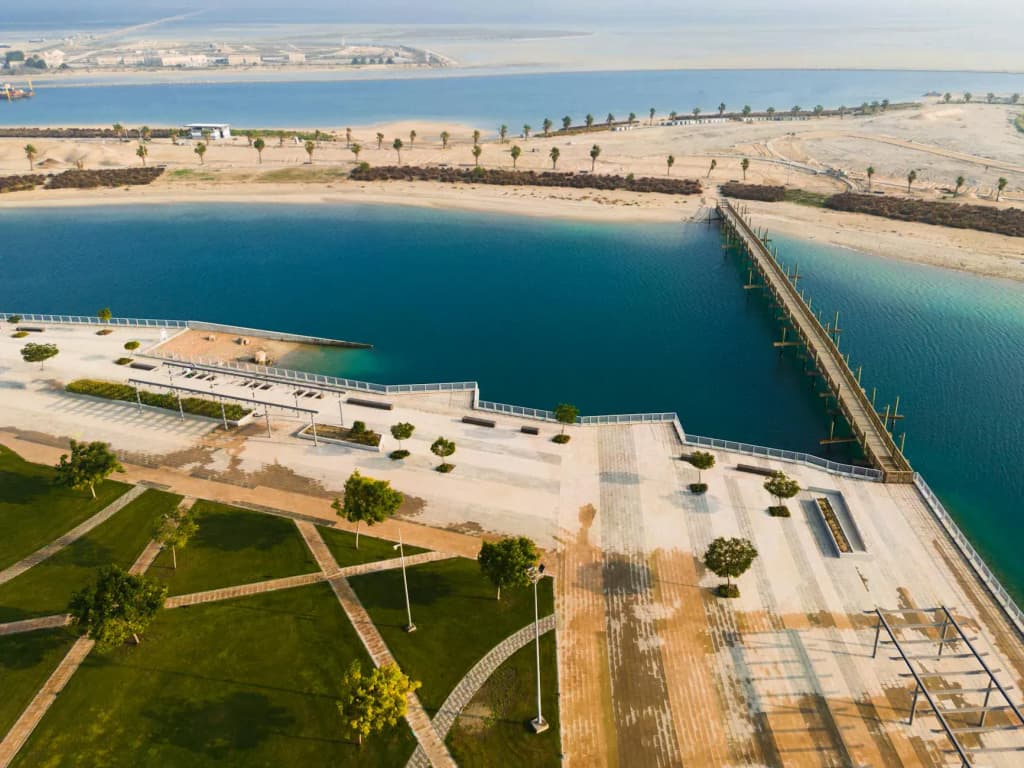
Khobar
Pop. 400,000
The most expat-friendly city in the Eastern Province. A beautiful waterfront, excellent restaurants, a relaxed lifestyle, and direct access to Bahrain via the Causeway. Popular with families working in the oil and gas sector.
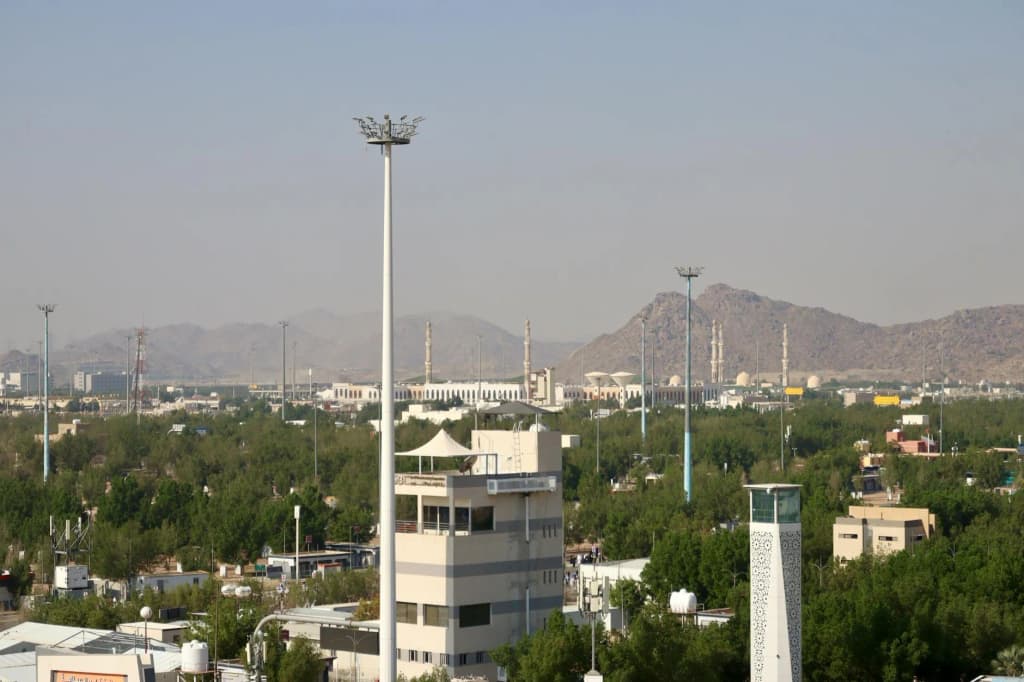
Dhahran
Pop. 150,000
The headquarters of Saudi Aramco and home to KFUPM university. A small, purpose-built city centred on the energy industry. The Ithra cultural centre (King Abdulaziz Center for World Culture) is one of the best museums in the country.
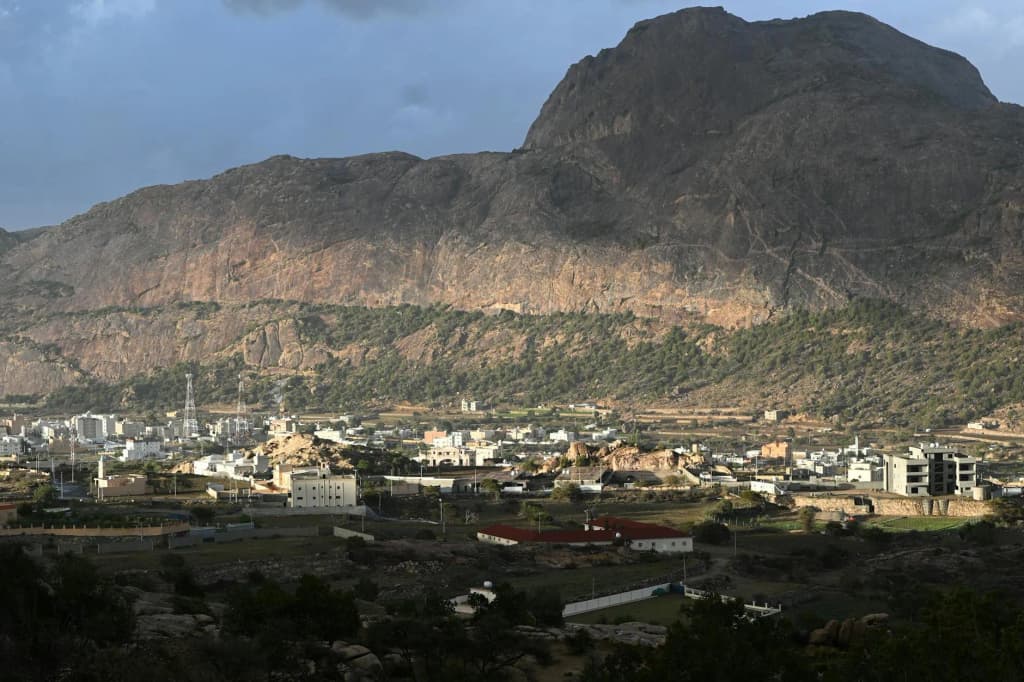
Abha
Pop. 400,000
The mountain capital of the Asir region, sitting at 2,200 metres. Green terraces, misty mornings, cool temperatures even in summer, and a unique local culture with colourful Asiri architecture. A popular domestic tourist escape.
Taif
Pop. 700,000
Known as the "City of Roses" for its famous rose farms and fragrant rose water. A mountain city near Mecca with cooler temperatures, fruit orchards, and a scenic mountain road. A traditional summer retreat for Saudis.
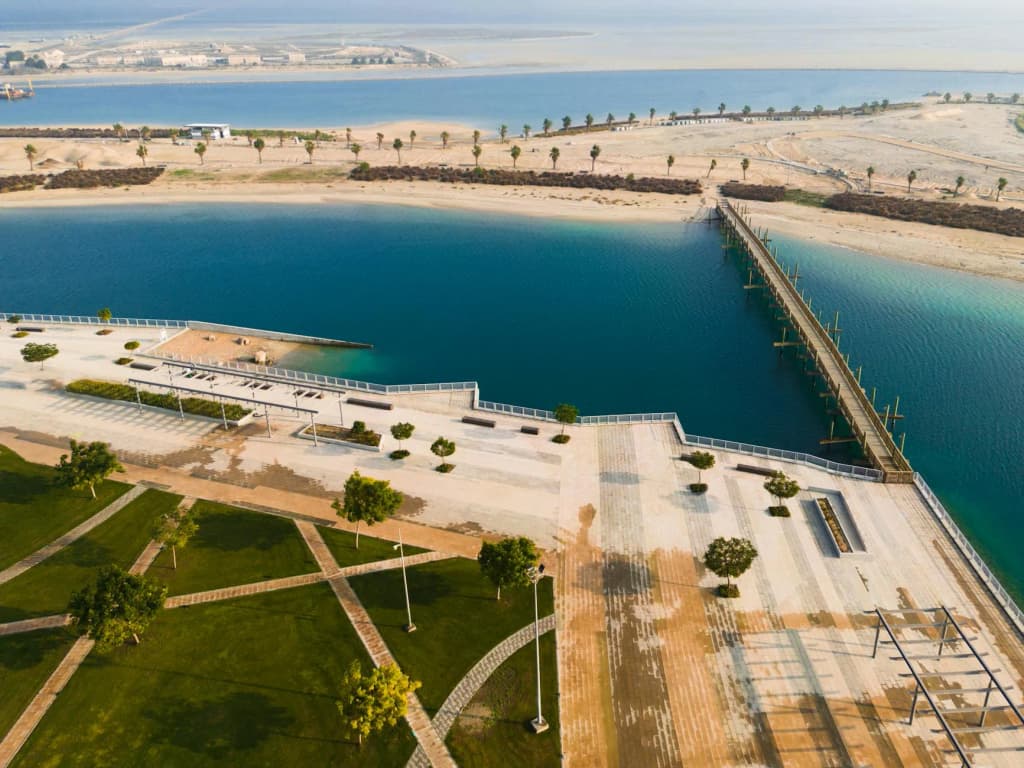
Jubail
Pop. 400,000
One of the world's largest industrial cities, built from scratch for the petrochemical industry. Clean, well-planned, with excellent housing compounds, a mangrove nature reserve, and nice beaches. Good salaries, quiet lifestyle.
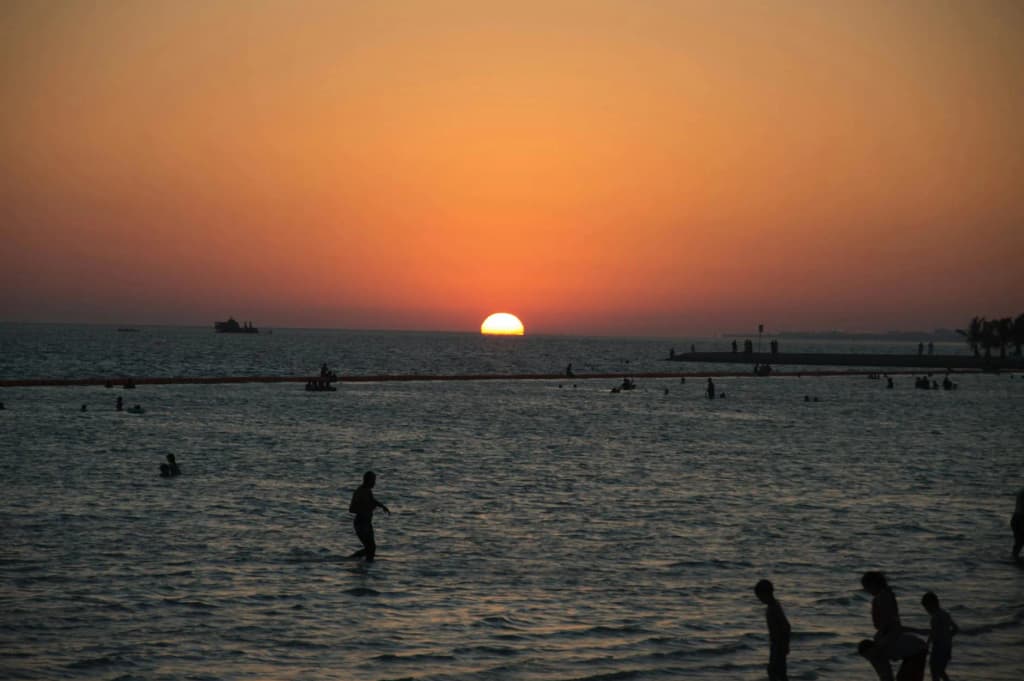
Yanbu
Pop. 300,000
A Red Sea port city with some of Saudi Arabia's best diving and snorkelling. Split between a modern industrial city and an atmospheric old town. Close to Medina and the future NEOM project. The annual flower festival is a major draw.
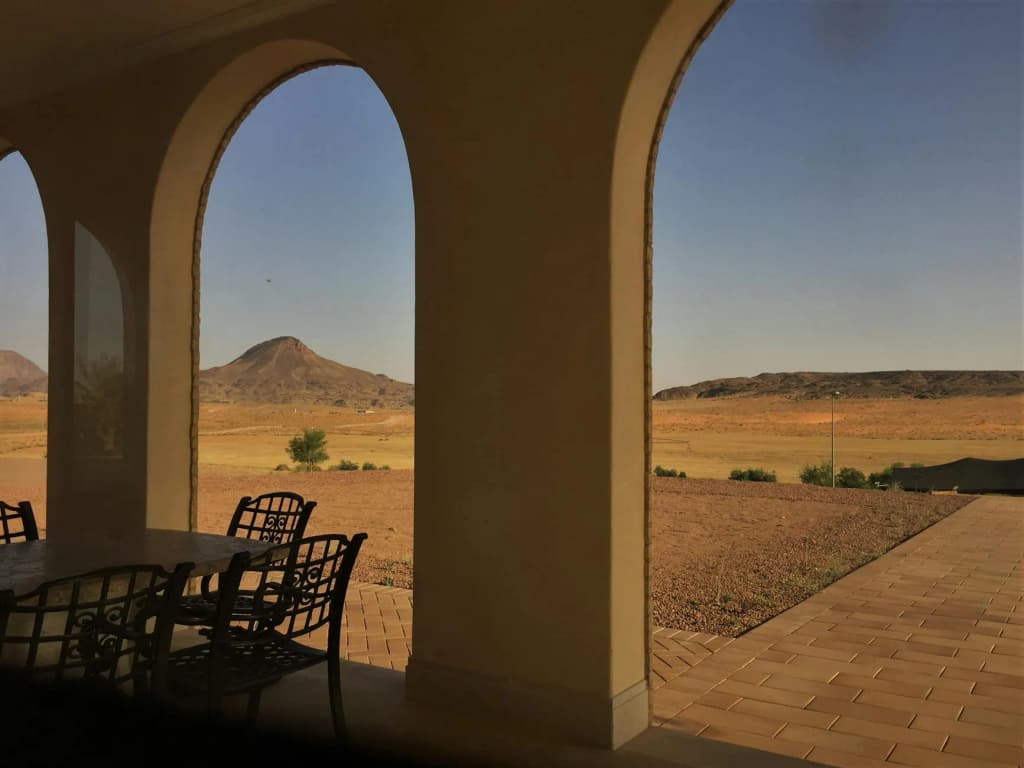
Hail
Pop. 400,000
A northern desert city famous for its hospitality (even by Saudi standards) and UNESCO rock art sites at Jubbah and Shuwaymis. Gateway to the Great Nefud desert. The Dakar Rally passes through here. Traditional, affordable, and welcoming.
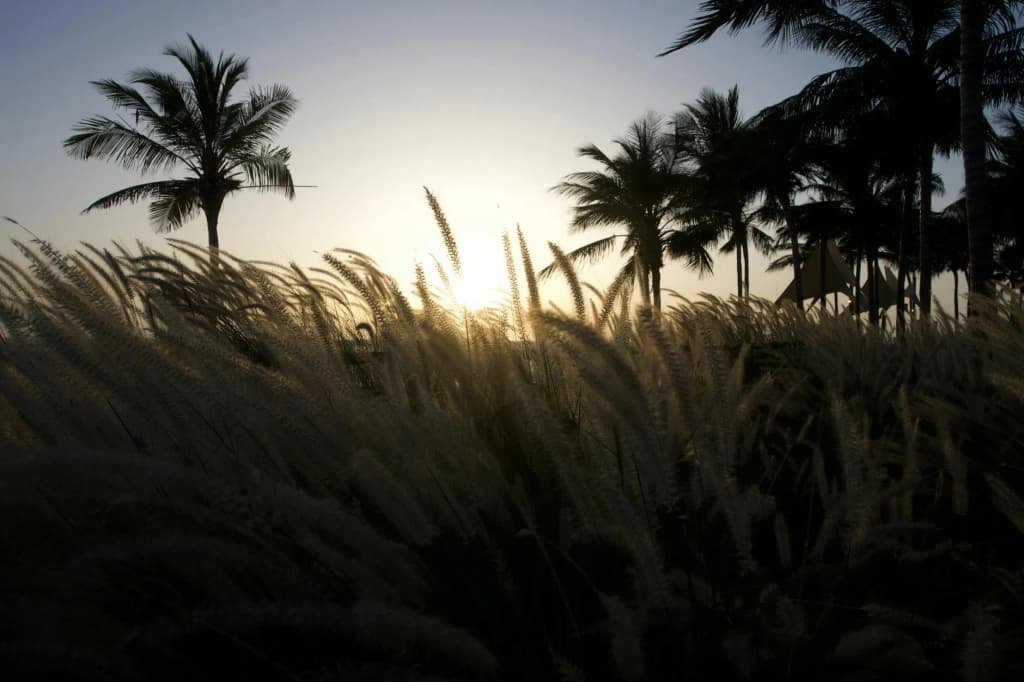
Buraidah
Pop. 700,000
Capital of the Qassim region and the date capital of Saudi Arabia. Home to the world's largest date festival and market. A conservative, agricultural city midway between Riyadh and Hail. Very affordable, with a strong sense of community.
Al Kharj
Pop. 400,000
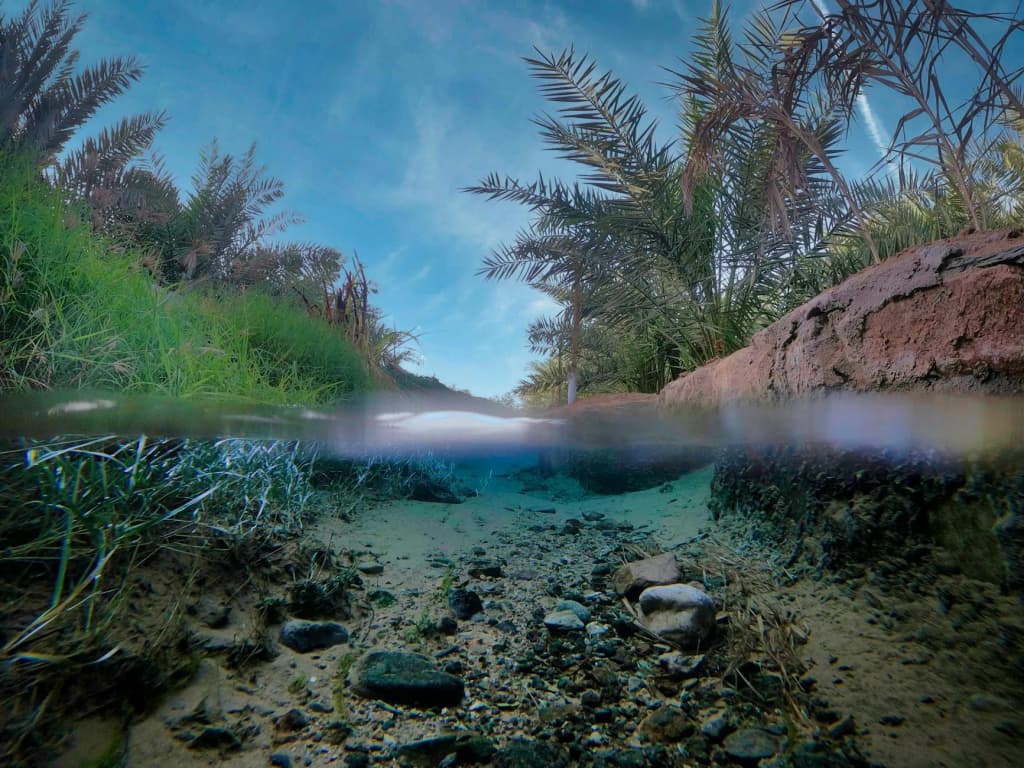
An agricultural town about 80 km south of Riyadh, known for its dairy farms and date production. Very affordable, with a quiet, family-oriented atmosphere. Many residents commute to Riyadh for work. Military base nearby.
Jizan
Pop. 200,000
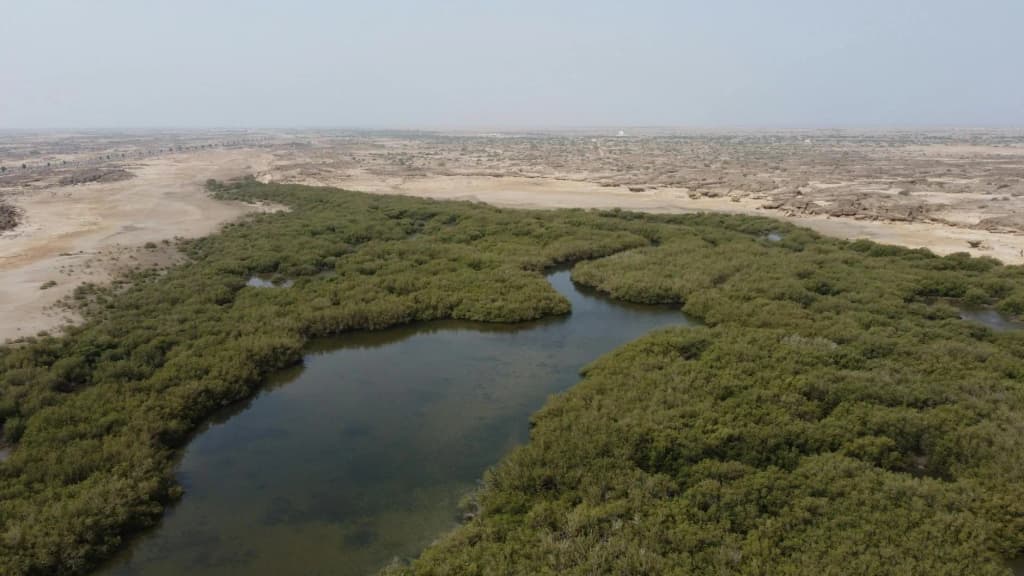
The southernmost major city, on the tropical Red Sea coast near the Yemeni border. Mangrove forests, the Farasan Islands with coral reefs, and a tropical climate unlike anywhere else in Saudi Arabia. Off the tourist radar but full of natural beauty.
Read more: Each city has a full guide with neighbourhoods, costs, jobs, and tips. Visit our City Guides for the complete breakdown.
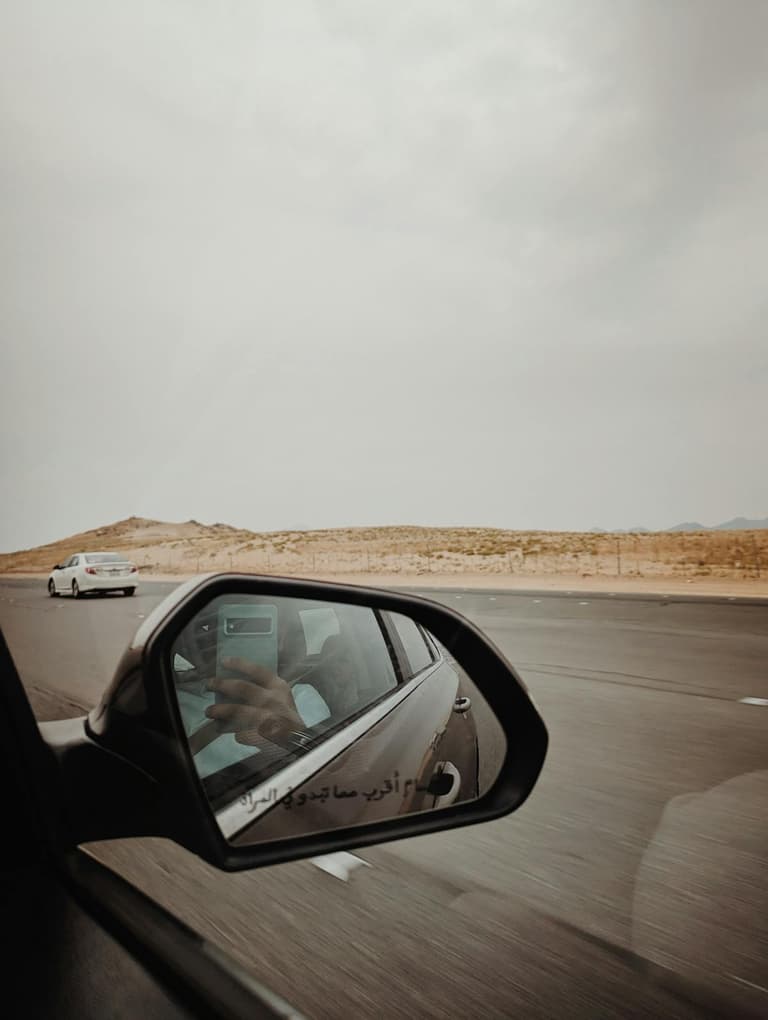
Saudi Arabia is a car country. Cities are big and spread out, distances between cities are huge (Riyadh to Jeddah is 950 km), and the infrastructure was built around cars. The roads are wide, well-maintained, and gasoline costs almost nothing: about 2.18 SAR per litre ($0.58), roughly a third of European prices. Parking is usually free.
Driving style is something you need to know about. Saudi drivers are fast and assertive. Lane changes can be sudden, tailgating is common on highways, and roundabouts follow the rule of "whoever goes first, goes first." Speed cameras (called Saher) are everywhere and fines arrive by SMS. The situation is much better than 10 years ago, but if you're renting a car, drive defensively. Speed limits are 60-80 km/h in cities and 120-140 km/h on highways.
If you don't want to drive, Uber and Careem (a local ride-hailing app) work well in all major cities. A 10 km ride costs about 15-30 SAR ($4-8). Most people without a car use Uber daily. It is affordable and reliable.
Public transport is limited but improving. The Riyadh Metro, a brand-new 6-line, 85-station system, is the biggest development, with services rolling out through 2025-2026. The Haramain High-Speed Railway connects Mecca, Jeddah, and Medina at 300 km/h. SAR Railways connects Riyadh to Dammam. Intercity buses (SAPTCO) exist but are mostly used by budget travellers.
Tourists can drive with an International Driving Permit (IDP) for up to 90 days. Car rental is cheap and widely available at airports and in cities.
Saudi Arabia is roughly the size of Western Europe, so distances between cities are significant. Most intercity roads are excellent multi-lane highways, but the drives are long. Here are the key routes:
Hover over a route line for the distance. Major road connections shown.
| Route | Distance | Drive time |
|---|---|---|
| Riyadh to Jeddah | 950 km / 590 mi | ~9 hours |
| Riyadh to Dammam | 400 km / 249 mi | ~4 hours |
| Riyadh to Medina | 850 km / 528 mi | ~8 hours |
| Riyadh to Abha | 950 km / 590 mi | ~9.5 hours |
| Riyadh to Buraidah | 360 km / 224 mi | ~3.5 hours |
| Jeddah to Mecca | 80 km / 50 mi | ~1 hour |
| Jeddah to Medina | 420 km / 261 mi | ~4 hours |
| Jeddah to Taif | 170 km / 106 mi | ~2 hours |
| Dammam to Jubail | 80 km / 50 mi | ~1 hour |
| Medina to Tabuk | 680 km / 423 mi | ~6.5 hours |
| Abha to Jizan | 200 km / 124 mi | ~2.5 hours |
Tip: For Riyadh to Jeddah or Riyadh to Dammam, domestic flights are cheap (often 150-300 SAR / $40-80 one way) and take about 1.5-2 hours. Saudia, flynas, and flyadeal all operate frequent routes between major cities.
Saudi Arabia is hot. There is no way around this. But the experience depends entirely on when and where you go.
Summer (June to September) in Riyadh and the interior is brutal: 45-50°C (113-122°F) during the day. You walk from air-conditioned car to air-conditioned mall to air-conditioned restaurant. The coastal cities (Jeddah, Dammam) are slightly cooler but add heavy humidity that makes 38°C feel worse than 45°C in dry Riyadh. The one exception is the Asir highlands around Abha, where mountain air keeps temperatures at 25-32°C with mist in the mornings. It is where Saudis themselves go to escape the heat.
Winter (December to February) is beautiful. Riyadh is 15-23°C (59-73°F), with warm days, cool evenings, and perfect conditions for being outside. Jeddah is a pleasant 25-30°C. This is when the country comes alive with outdoor events, desert camping, and festivals. It is the best time to visit by far.
Spring and autumn (March to May, October to November) are transitional. Still warm but manageable. Spring brings occasional sandstorms that turn the sky orange and cover everything in fine dust. They pass in a few hours or a day.
Best time to visit: October to March. If you can only pick one month, choose December or January for perfect weather, Riyadh Season events, and the country at its most active.
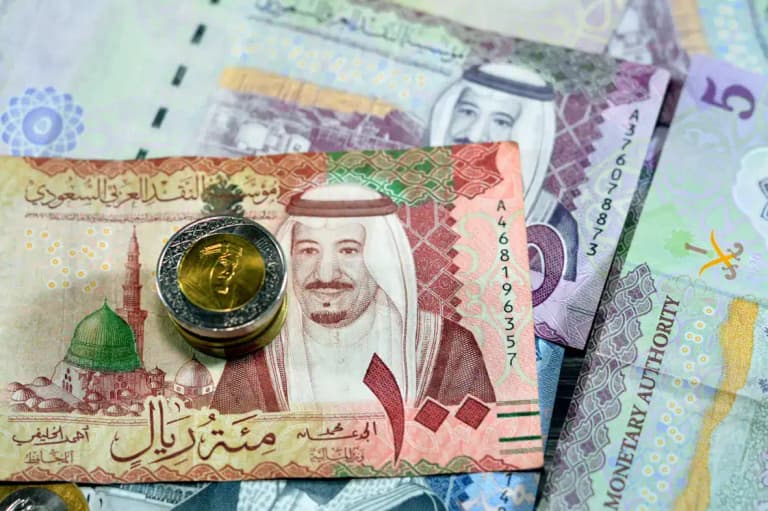
The currency is the Saudi Riyal (SAR). It is permanently fixed to the US Dollar at a rate of 1 USD = 3.75 SAR, which makes converting prices in your head easy. For euros, the rate floats but sits around 1 EUR = 4 SAR. Banknotes come in 1, 5, 10, 50, 100, and 500 Riyal denominations. The 500 note is rarely used for everyday purchases, and many smaller shops will not be able to break one, so try to keep smaller bills on hand.
In most of Saudi Arabia, card payments work extremely well. Visa, Mastercard, and the local Mada debit network are accepted in malls, supermarkets, chain restaurants, coffee shops, petrol stations, and even many small neighbourhood stores. Apple Pay, Google Pay, and STC Pay work widely too. Many Saudis go weeks without touching cash, and in modern districts of Riyadh and Jeddah you can pay for almost everything with a tap of your phone.
That said, always carry some cash. There are situations where cards simply do not work. In the older, more traditional neighbourhoods, especially areas with a large South Asian population (sometimes called "Indian districts" or "Pakistani bazaars"), small shops, tailors, street food stalls, and barbers often only accept cash. You might walk out of a modern mall where your Visa worked perfectly, cross the street into one of these neighbourhoods, and find that not a single shop takes cards. It can be surprising how abruptly the payment infrastructure changes from one block to the next. Keeping 100-200 SAR in small bills in your wallet avoids any awkward situations.
If you need to convert foreign currency to Riyals, skip the airport exchange counters. They work but the rates are poor. Instead, look for exchange offices (called sarrafeen or money changers) in city centres, commercial districts, and near souks. Chains like Al Rajhi Exchange, Enjaz, and Western Union offices are everywhere and offer competitive rates with no commission. You just hand over your dollars, euros, or pounds and walk away with Riyals. The process is quick and requires only a passport or ID. ATMs are also on virtually every corner and dispense Riyals from any international bank card. Check with your home bank about foreign transaction fees before you travel.
Overall, Saudi Arabia is cheaper than Dubai, London, or New York for everyday expenses. Street food and local restaurants are remarkably cheap. A shawarma wrap from a street shop costs less than a dollar. A full kabsa meal in a traditional restaurant is under $12. Gasoline is a fraction of European prices. The big expenses are housing (especially in Riyadh) and entertainment events, which can be premium-priced. There is no income tax for individuals, which is a major reason the country attracts millions of foreign workers. A 15% VAT is included in most displayed prices, so what you see on the menu is what you pay.
| Item | Price (SAR) | ~USD |
|---|---|---|
| Shawarma from a street shop | 3-8 | $1-2 |
| Kabsa meal in a local restaurant | 25-45 | $7-12 |
| Coffee at a nice cafe | 15-25 | $4-7 |
| Dinner at a mid-range restaurant | 80-200 | $21-53 |
| Gasoline (1 litre) | 2.18 | $0.58 |
| Uber ride (10 km in Riyadh) | 15-30 | $4-8 |
| Cinema ticket | 50-80 | $13-21 |
| SIM card with data (1 month) | 100-200 | $27-53 |
| Water bottle (1.5L, from a shop) | 1-2 | $0.30-0.50 |
| Hotel room (mid-range) | 300-700/night | $80-187/night |
| Airbnb (1BR apartment) | 200-500/night | $53-133/night |
Tipping is not mandatory in Saudi Arabia and there is no social pressure to leave one, but it is appreciated. In restaurants, 10-15% is a generous tip and will be well received, especially in mid-range and upscale places. Many restaurants do not add a service charge, so your tip goes directly to the waiter. In cafes and fast-food places, tipping is not expected at all. For delivery drivers (food, groceries), rounding up or giving 5-10 SAR is a kind gesture. Hotel porters and housekeeping staff appreciate 5-10 SAR. Barbers in traditional shops are often tipped 5-10 SAR on top of the haircut price. Uber and Careem drivers can be tipped through the app but it is not common. In general, tipping culture in Saudi Arabia is relaxed: nobody will be offended if you do not tip, and everyone will be grateful if you do.
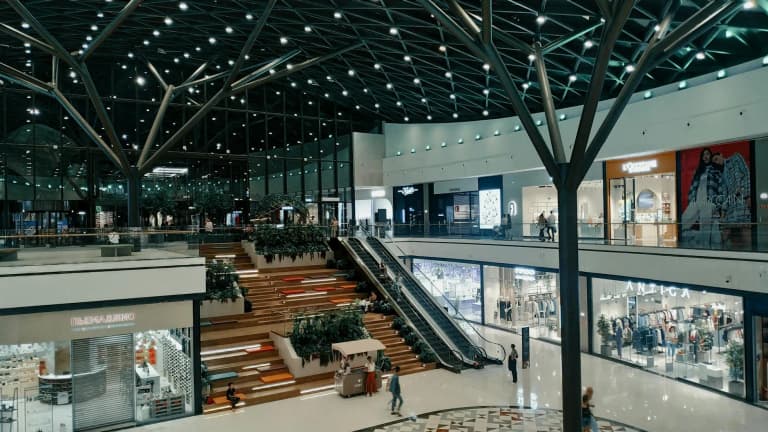
Saudi Arabia is a shopping culture. Malls are not just places to buy things; they are where people go to eat, socialise, and spend the evening. Every city has at least one enormous mall, and Riyadh has dozens. The biggest ones, like Riyadh Park, The Kingdom Centre Mall, and Red Sea Mall in Jeddah, have hundreds of international and local brands, food courts, cinemas, and indoor amusement parks. You will find all the global brands you know plus Saudi and regional ones you do not.
But the best shopping in Saudi Arabia is not in the malls. It is in the souks (traditional markets). Souq Al-Zal in Riyadh is one of the oldest, selling everything from antique daggers and copper coffee pots to textiles and spices. Souq Al-Alawi in Jeddah's Al-Balad district is a sensory overload of narrow alleys, piled fabrics, incense, and haggling. If you only visit one souk, make it one of these two.
Oud and bakhoor. Saudi Arabia is the world capital of oud perfume. Oud shops are in every mall and souk, and you can spend anywhere from 50 SAR for basic bakhoor incense chips to thousands for pure oud oil. Even a modest bottle of oud-based perfume makes an unforgettable gift. The scent is unlike anything in Western perfumery.
Dates. Saudi dates are among the best in the world, especially the premium Ajwa variety from Medina and Sukkari dates from Qassim. Beautifully packaged boxes of dates are available everywhere and make excellent gifts. Prices range from 30 SAR for a basic box to 300+ SAR for premium varieties in luxury packaging. Bateel is the most famous upscale brand, available at airports too.
Arabic coffee sets. A traditional dallah (Arabic coffee pot) with small cups makes a beautiful and uniquely Saudi souvenir. Brass and copper sets are available in souks. Pair it with a bag of Saudi cardamom coffee for a complete gift.
Gold. Saudi Arabia has excellent gold souks, especially in Jeddah and Riyadh. Gold is sold by weight at close to market prices with a small markup for craftsmanship, making it cheaper than most Western countries. The Gold Souk in Jeddah's Balad area is the most atmospheric place to buy. Always check the daily gold price before you go so you know what you are paying.
Textiles and fashion. Saudi thobes (men's robes) and abayas (women's outer garments) range from simple and affordable to designer pieces embroidered with crystals. A custom-tailored thobe from a good tailor costs 150-400 SAR and is a unique keepsake. Pashmina shawls, prayer rugs, and hand-stitched leather goods are other popular choices.
Getting connected in Saudi Arabia is easy and cheap. The country has excellent 4G and growing 5G coverage in all major cities. Free WiFi is available in most hotels, malls, cafes, and restaurants. You will rarely be without a connection.
The three main mobile operators are STC (the largest, best coverage), Mobily, and Zain. You can buy a prepaid SIM card at the airport on arrival or at operator shops in any mall. You will need your passport. Prices are reasonable: a tourist SIM with data starts at about 75-100 SAR for 10-20 GB. Monthly plans with unlimited social media and generous data typically cost 100-200 SAR. STC has the widest coverage, including in remote desert areas. Mobily and Zain often have competitive data deals.
If your phone supports eSIM, you can set up a Saudi data plan before you even land. Airalo and Holafly offer tourist eSIMs for Saudi Arabia that you activate from your phone. STC and Mobily also offer eSIM activation online. This is the fastest option if you want data the moment you step off the plane.
Saudi Arabia previously blocked VoIP calls on apps like WhatsApp, FaceTime, and Skype, but these restrictions have been largely lifted. WhatsApp calling, FaceTime, and Zoom all work normally now. Some VPN services may be partially restricted. Standard social media apps (Instagram, TikTok, Snapchat, X/Twitter, YouTube) all work without issues. Snapchat is especially popular in Saudi Arabia.
The standard of healthcare in Saudi Arabia is high, especially in the major cities. Riyadh, Jeddah, and Dammam have world-class private hospitals with international staff and modern equipment. Many doctors trained in the US, UK, or Europe and speak fluent English. For serious procedures, the quality of care is comparable to top Western hospitals.
Travel insurance is strongly recommended. If you need medical attention as a tourist, private hospitals will see you quickly but you will pay out of pocket. A standard doctor's consultation costs 200-400 SAR ($53-107). Emergency rooms will treat you regardless of insurance status. Pharmacies are everywhere (look for green cross signs) and many medications that require prescriptions in Europe or the US are available over the counter in Saudi Arabia. Pharmacists are knowledgeable and often the first stop for minor ailments.
If you are working in Saudi Arabia, your employer is legally required to provide health insurance for you and your dependents. This is a strict requirement under Saudi labour law. The insurance typically covers private hospital visits, specialist consultations, prescriptions, and some dental and optical care. The quality of the insurance depends on your employer, but even basic plans cover the essentials. Large companies often provide premium insurance that covers top private hospitals like Dr. Sulaiman Al Habib, Saudi German Hospital, or King Faisal Specialist Hospital.
Public hospitals exist and are free for Saudi citizens but generally not accessible to expats except in emergencies. The private healthcare system is where most foreigners go, and it works well. Appointment wait times are short, and specialist referrals are fast compared to many Western countries. Dentistry and cosmetic procedures are also widely available and often cheaper than in Europe or the US.
Saudi Arabia has strict laws, and some of them are very different from what you may be used to. Knowing them is important. Breaking them, even by accident, can have serious consequences.
Saudi Arabia is an absolute monarchy ruled by King Salman, with Crown Prince Mohammed bin Salman (MBS) as the driving force behind modern reforms. The legal system is based on Islamic (Sharia) law. There are no elections, no parliament, and no political parties. Within the boundaries of these laws, daily life is comfortable and free. Most visitors and residents say the rules become second nature very quickly.
Arabic is the official language, but English is widely spoken in cities, hotels, restaurants, and malls. Road signs are bilingual. You don't need Arabic to visit, but even a few words will make people smile and open doors.
| Say this | It means | Sounds like |
|---|---|---|
| As-salamu alaykum | Hello (peace be upon you) | as-sa-LAA-mu a-LAY-kum |
| Wa alaykum as-salam | Hello back (and upon you peace) | wa a-LAY-kum as-sa-LAAM |
| Shukran | Thank you | SHOOK-ran |
| Afwan | You're welcome / Excuse me | AF-wan |
| Inshallah | God willing (= maybe, hopefully, yes) | in-SHA-lah |
| Mashallah | How wonderful (use when complimenting) | ma-SHA-lah |
| Marhaba | Hi (informal) | MAR-ha-ba |
| Yalla | Let's go / Come on | YAL-la |
| Habibi / Habibti | My dear (to a man / to a woman) | ha-BEE-bee / ha-BEEB-tee |
| Bismillah | In the name of God (said before eating) | bis-MIL-lah |
| Kam hatha? | How much is this? | kam HA-tha |
| La atakallam arabi | I don't speak Arabic | la a-ta-KAL-lam a-RA-bee |
Tip:"Inshallah" is used constantly and can mean anything from "yes, definitely" to "probably not going to happen." Context is everything. If someone says "inshallah" when you ask about a delivery time, don't count on it. "Mashallah" is what you say when you compliment someone's children, home, or anything nice. It wards off the evil eye and is always appreciated.
To understand Saudi Arabia today, you need to know three things about its past.
First: this is where Islam began. In the 7th century, the Prophet Muhammad was born in Mecca and founded the religion that now has nearly 2 billion followers. Mecca and Medina, both in modern Saudi Arabia, are the two holiest cities in Islam. This is not just a historical fact; it is the foundation of everything in the country. The King's official title is "Custodian of the Two Holy Mosques." The entire legal system is based on Islamic law. The annual Hajj pilgrimage to Mecca is one of the largest gatherings of people anywhere on Earth.
Second: oil changed everything. The modern Kingdom of Saudi Arabia was founded in 1932 by King Abdulaziz (Ibn Saud), who unified the peninsula's desert tribes into one country. Six years later, American geologists struck oil. Within a generation, one of the poorest places on Earth became one of the richest. Saudi Aramco, the state oil company, is the most valuable company in the world. Oil money built every city, every highway, every hospital and university from scratch.
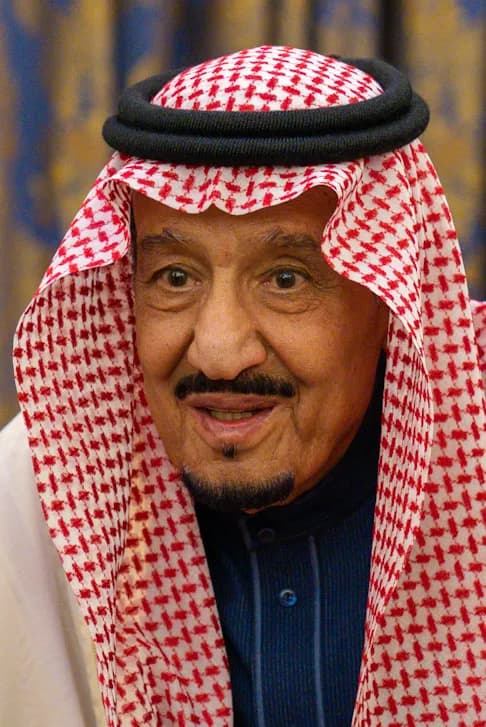
Saudi Arabia is an absolute monarchy. The current ruler is King Salman bin Abdulaziz Al Saud, who ascended to the throne in 2015. He holds the title "Custodian of the Two Holy Mosques," reflecting the Kingdom's role as guardian of Islam's holiest sites. King Salman had decades of experience governing Riyadh province before becoming King, and he is widely respected for modernising the capital during his tenure as its governor.
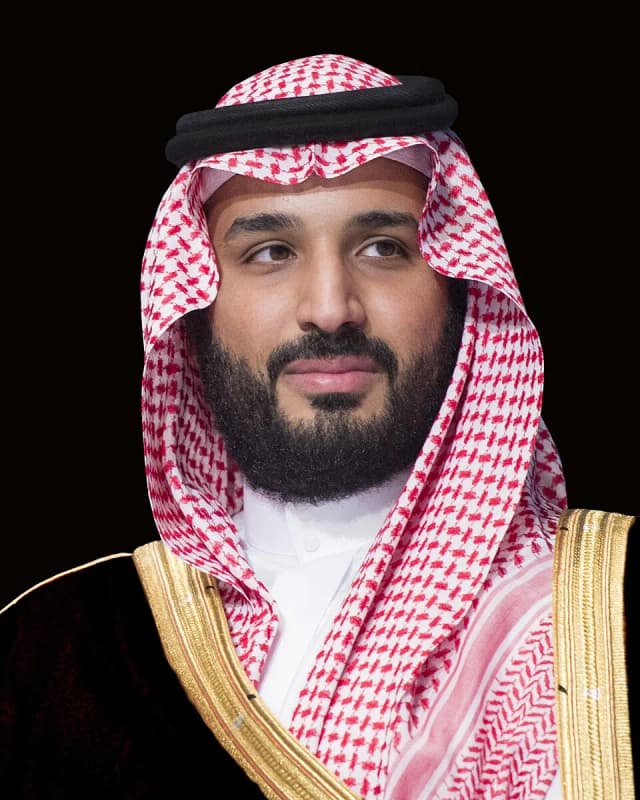
The driving force behind the country's transformation is his son, Crown Prince Mohammed bin Salman, universally known as MBS. Appointed Crown Prince in 2017 at the age of 31, he quickly became the most powerful figure in Saudi politics. MBS is the architect of virtually every major change visitors notice: the opening to tourism, the entertainment revolution, women's rights reforms, the mega-projects, and the push to diversify the economy away from oil. He is a polarising figure internationally, but inside Saudi Arabia his popularity, especially among young Saudis, is enormous. His portrait hangs in government offices, malls, and hotel lobbies across the country.
In 2016, MBS launched Vision 2030, an ambitious national plan to transform Saudi Arabia from an oil-dependent economy into a diversified, modern state. The scale of the plan is staggering. NEOM, a $500 billion futuristic city being built from scratch on the Red Sea coast, includes "The Line," a 170-kilometre linear city with no cars and no streets. Qiddiya will be the world's largest entertainment city. The Red Sea Project is creating a luxury tourism destination across 50 islands. Diriyah Gate is transforming the historic birthplace of the Saudi state into a cultural and hospitality quarter. New museums, stadiums, airports, and entire cities are under construction simultaneously.
The results are already visible. Cinemas opened for the first time in 35 years. Women can drive, work, and travel without a male guardian's permission. Tourist visas exist. Concerts, festivals, and international sporting events happen weekly. The country you visit in 2026 looks nothing like the Saudi Arabia of 2015, and by 2030 it will look different again. Whether Vision 2030 fully delivers on its most ambitious promises remains to be seen, but the pace and scale of change are undeniable.
For history lovers, Saudi Arabia has much more than you'd expect: 10,000-year-old rock art in the desert, Nabataean tombs at Hegra that rival Petra, the mud-brick ruins of Diriyah, and centuries of trade routes connecting Africa, Asia, and Europe.
Saudi Arabian culture is deeply rooted in Islam, Arab heritage, and Bedouin tradition, blended with a rapidly modernising society. Daily life revolves around family, faith, and hospitality. Islam shapes the calendar, the five daily prayer times, and social customs. At the same time, cities like Riyadh and Jeddah are increasingly cosmopolitan, with cinemas, concerts, and international events. The result is a striking mix of the deeply traditional and the ultra-modern, held together by values of generosity, respect for elders, and legendary hospitality toward guests.
Key Saudi customs include greeting with 'As-salamu alaykum,' using the right hand for eating, greeting, and giving, and removing shoes before entering a home. Hospitality (karam) is central: guests are welcomed in a majlis with Arabic coffee (qahwa), dates, and generous meals. Traditional dress is the thobe and ghutra for men and the abaya for women. Scent matters too, with oud perfume and bakhoor incense used to welcome visitors. Family gatherings, desert camping, and celebrations like the two Eids, National Day, and Founding Day are cornerstones of Saudi tradition.
Saudi food culture centres on shared, communal meals eaten from a large platter, often sitting on the floor. The national dish is kabsa, spiced rice with slow-cooked lamb, chicken, or goat. Other staples include mandi, mutabbaq, and jareesh. All food is halal, there is no pork, and alcohol is completely banned. Arabic coffee (qahwa) brewed with cardamom and served with dates is the universal gesture of welcome. Decades of immigration have added excellent Indian, Pakistani, Yemeni, Filipino, and Lebanese food, and the cities now have a thriving specialty coffee scene.
The general rule is modest dress in public: covered shoulders and knees for both men and women. Saudi men wear a thobe with a ghutra headscarf, while Saudi women wear an abaya, often with a hijab. Foreign women are no longer legally required to wear an abaya, and T-shirts, jeans, long skirts, and loose trousers are all acceptable in malls, restaurants, and tourist sites. Inside hotels, compounds, and private spaces there are no dress restrictions at all.
Hospitality (karam) is one of the strongest values in Saudi culture. Guests are offered coffee, dates, and food almost immediately, and hosts will insist you eat more. To signal you are finished, say 'alhamdulillah' and place your hand over the cup or plate. Etiquette basics include using your right hand, not pointing the soles of your feet at people, avoiding photos of people (especially women) without permission, and no public displays of affection. Business meetings begin with small talk and coffee before any work is discussed, and patience is genuinely valued.
Yes, it is one of the safest countries in the world. Violent crime is almost nonexistent, theft is very rare, and most visitors say they feel safer here than in European or American cities. People leave phones on restaurant tables without a second thought. The combination of strict law enforcement and a deep cultural tradition of protecting guests makes Saudi Arabia an exceptionally safe destination.
No. English is widely spoken in hotels, restaurants, malls, hospitals, and by younger Saudis. You can get by completely in English in Riyadh, Jeddah, and other major cities. Road signs are bilingual. That said, learning a few phrases like 'shukran' (thank you) and 'as-salamu alaykum' (hello) goes a long way. People genuinely appreciate the effort.
Yes. Women can travel, stay in hotels, rent cars, and move around independently. The main expectation is modest dress in public (covered shoulders and knees). Women are no longer required to wear an abaya. Many female solo travelers report feeling very safe and well-treated, though Saudi Arabia is still a conservative society and some areas outside major cities may feel less comfortable.
No. Alcohol is completely banned. No bars, no wine in restaurants, no exceptions for foreigners. It is a strict rule with serious penalties. Most visitors adjust quickly. The coffee culture is excellent, fresh juices are everywhere, and the growing non-alcoholic drinks scene is surprisingly good.
Very hot. Summer (June to September) in Riyadh regularly reaches 45-50°C (113-122°F). Jeddah is slightly cooler but extremely humid. The mountain city of Abha stays around 25-32°C in summer. Winter (December to February) is the best time to visit, with pleasant 15-25°C (59-77°F) across most of the country. Everything is air-conditioned, so indoor life is always comfortable.
The Saudi Riyal (SAR). It is pegged to the US Dollar at a fixed rate: 1 USD = 3.75 SAR. Cards (Visa, Mastercard, Mada) are accepted almost everywhere, even at small shops and street vendors. Apple Pay and STC Pay work widely too. You rarely need cash.
Modest clothing in public, meaning covered shoulders and knees for both men and women. T-shirts, jeans, long skirts, and loose pants are all fine. Foreign women are no longer legally required to wear an abaya. In malls, restaurants, and tourist sites, casual modest clothes are completely normal. Inside hotels and private spaces, there are no restrictions.
Most visitors can get a tourist eVisa online in minutes. It costs about 535 SAR (~$140) and is valid for one year with multiple entries (up to 90 days per visit). Citizens of about 60 countries are eligible. Some nationalities can get a visa on arrival at the airport. Check our visa guide for your specific country.
Moving to Saudi Arabia
Visas, housing, salaries, and the complete relocation guide
City Guides
Riyadh, Jeddah, Dammam, and 12 other cities
Travel Guide
Tourist visa, best places to visit, itineraries
Visa Options
Tourist, work, business, Hajj and Umrah visas
Vision 2030
The plan that is reshaping the entire country
Things to Do
Attractions, activities, and day trips by city
Whether you're planning a holiday, a work move, or just curious, start with the guide that fits.