
Loading...
Join our Facebook Group: Join: Expats in Saudi Arabia
Loading...
Explore Saudi Arabia's major cities and find the perfect place for your new life. Each city offers unique opportunities, culture, and lifestyle. Compare costs, job markets, and quality of life to make an informed decision.
Saudi Arabia's cities offer diverse opportunities for expats, each with its unique character and advantages. From the bustling capital of Riyadh to the cosmopolitan Red Sea port of Jeddah, from the energy hub of Dammam to the mountain retreat of Abha, you'll find a city that matches your lifestyle and career goals.
Our comprehensive city guides help you understand the cost of living, job markets, housing options, and quality of life in each location. Use this information to make an informed decision about where to start your Saudi adventure.
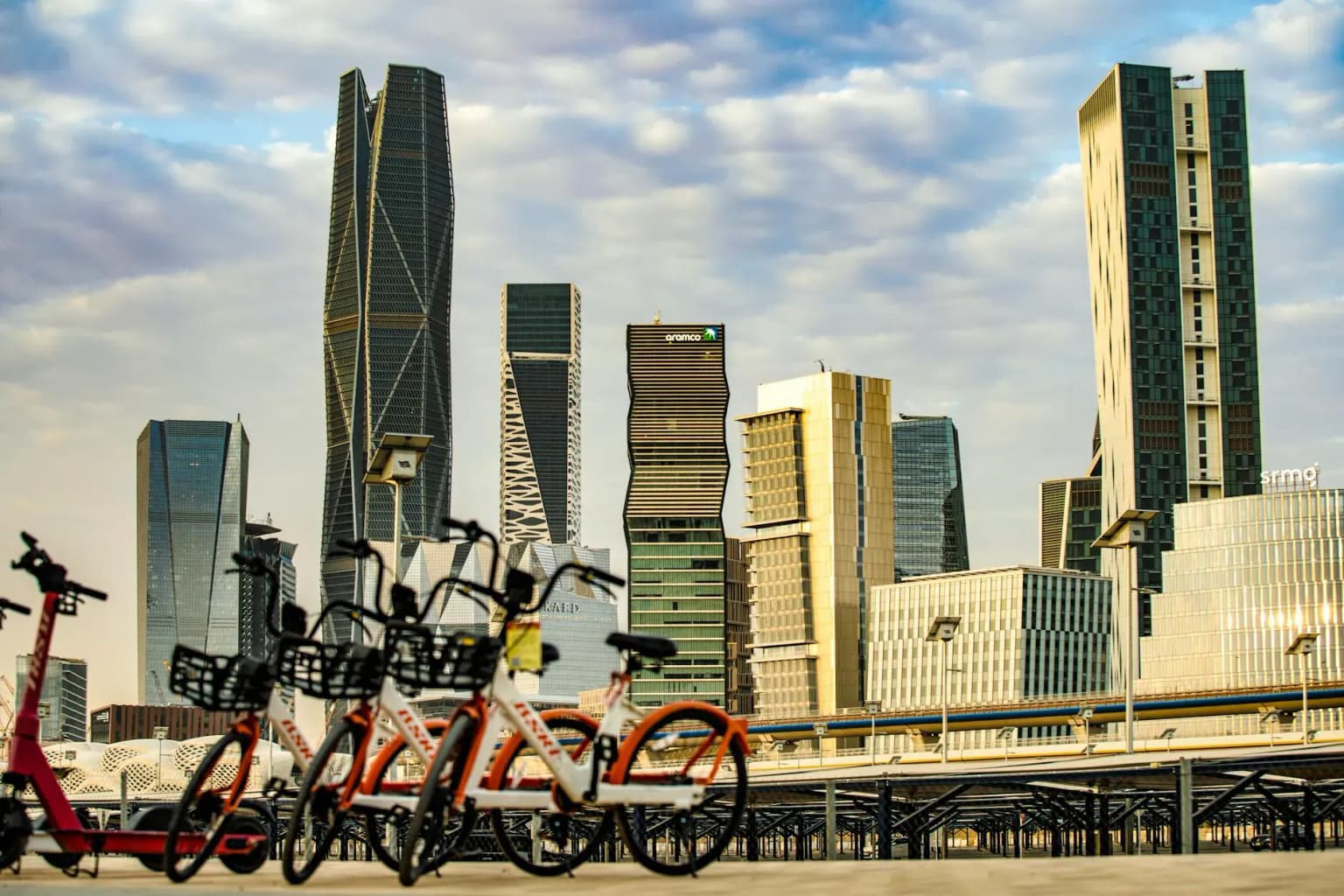
Riyadh skyline at night
Riyadh Region
Saudi Arabia's capital and largest city, Riyadh is the political, economic, and administrative center of the Kingdom. A rapidly modernizing metropolis at the heart of Vision 2030, it offers world-class career opportunities and a growing quality of life.
Key Advantages:
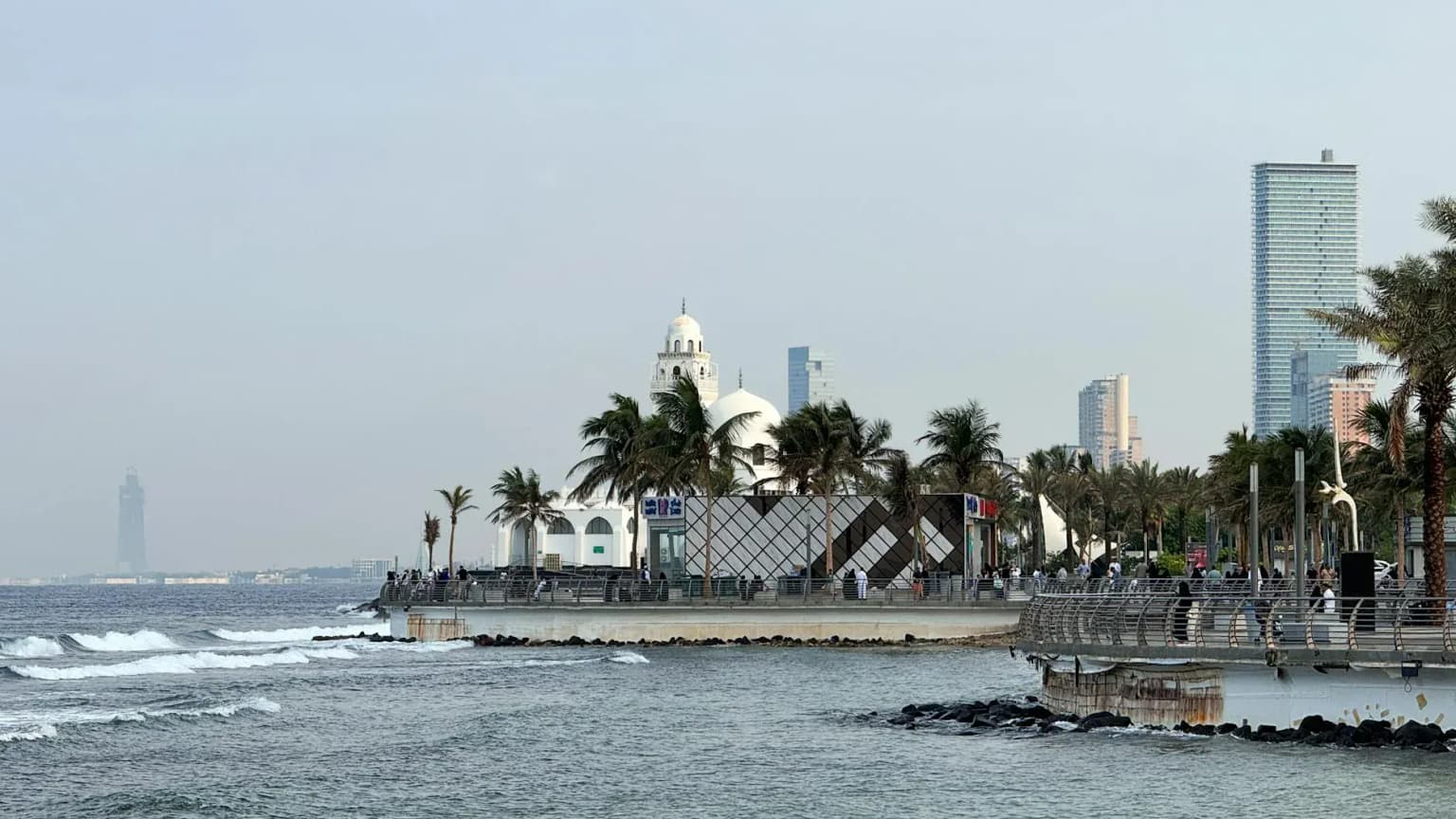
Makkah Region
With a more relaxed social atmosphere than Riyadh, a 19-mile (30-km) Red Sea waterfront, world-class diving, and a food scene that reflects centuries of global migration, Jeddah offers expats a lifestyle that balances career opportunity with genuine quality of life in one of the Gulf's most characterful cities.
Key Advantages:
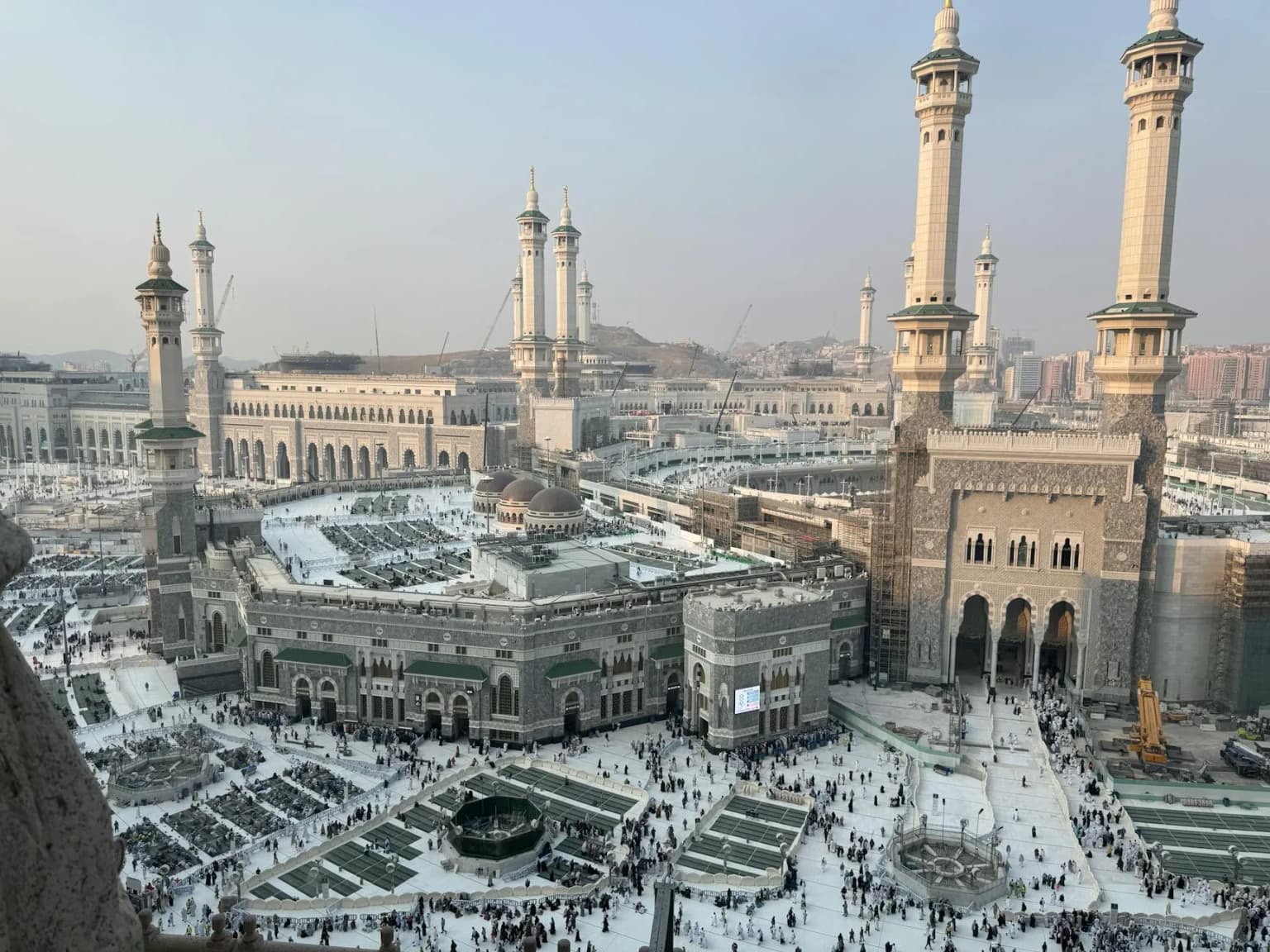
Makkah Region
The holiest city in Islam and birthplace of the Prophet Muhammad, Mecca draws millions of Muslim pilgrims annually for Hajj and Umrah. Entry is restricted to Muslims only.
Key Advantages:
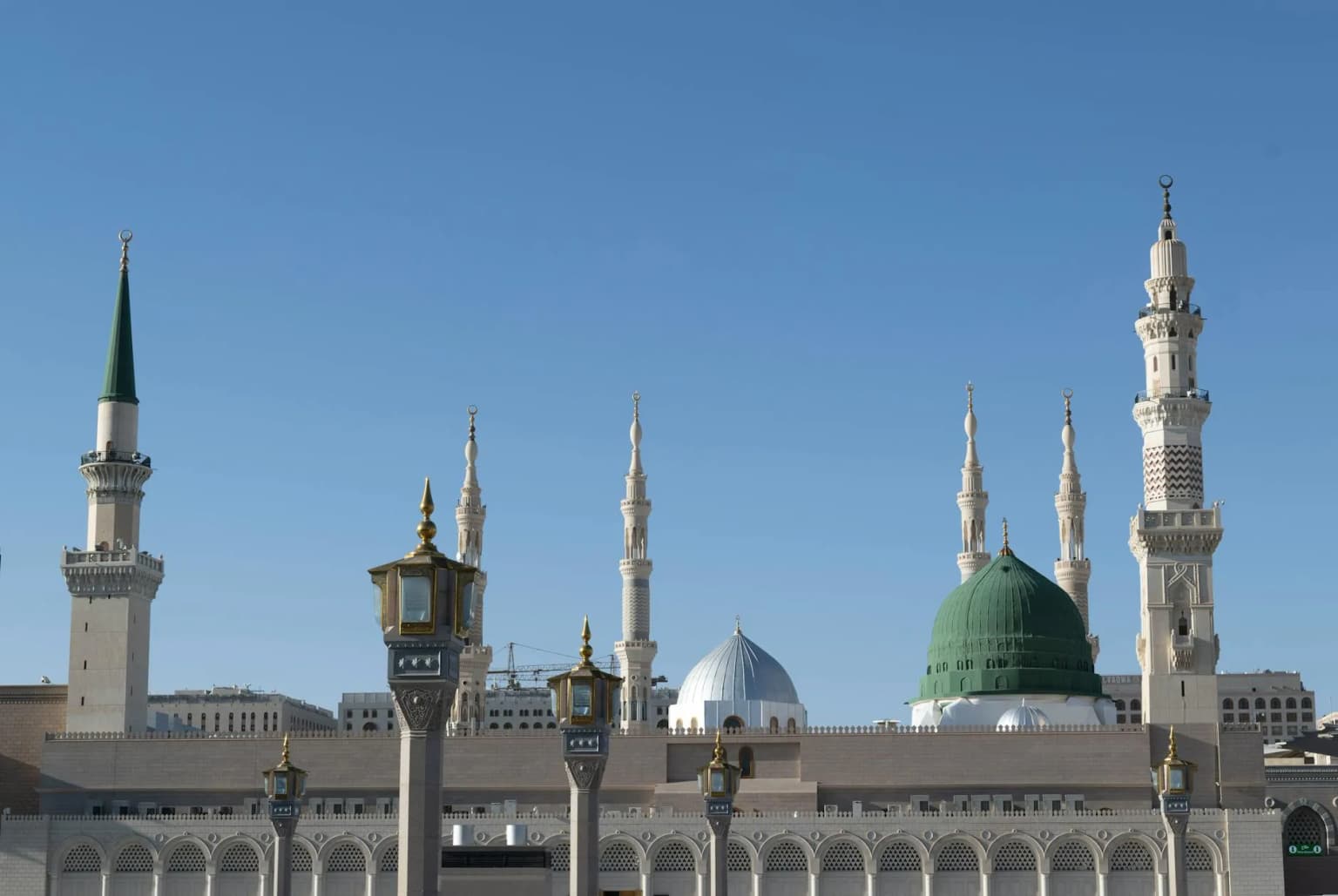
Al-Madinah Region
The second holiest city in Islam and burial place of the Prophet Muhammad, Medina is a city of profound spiritual importance with a growing knowledge economy and agricultural heritage.
Key Advantages:
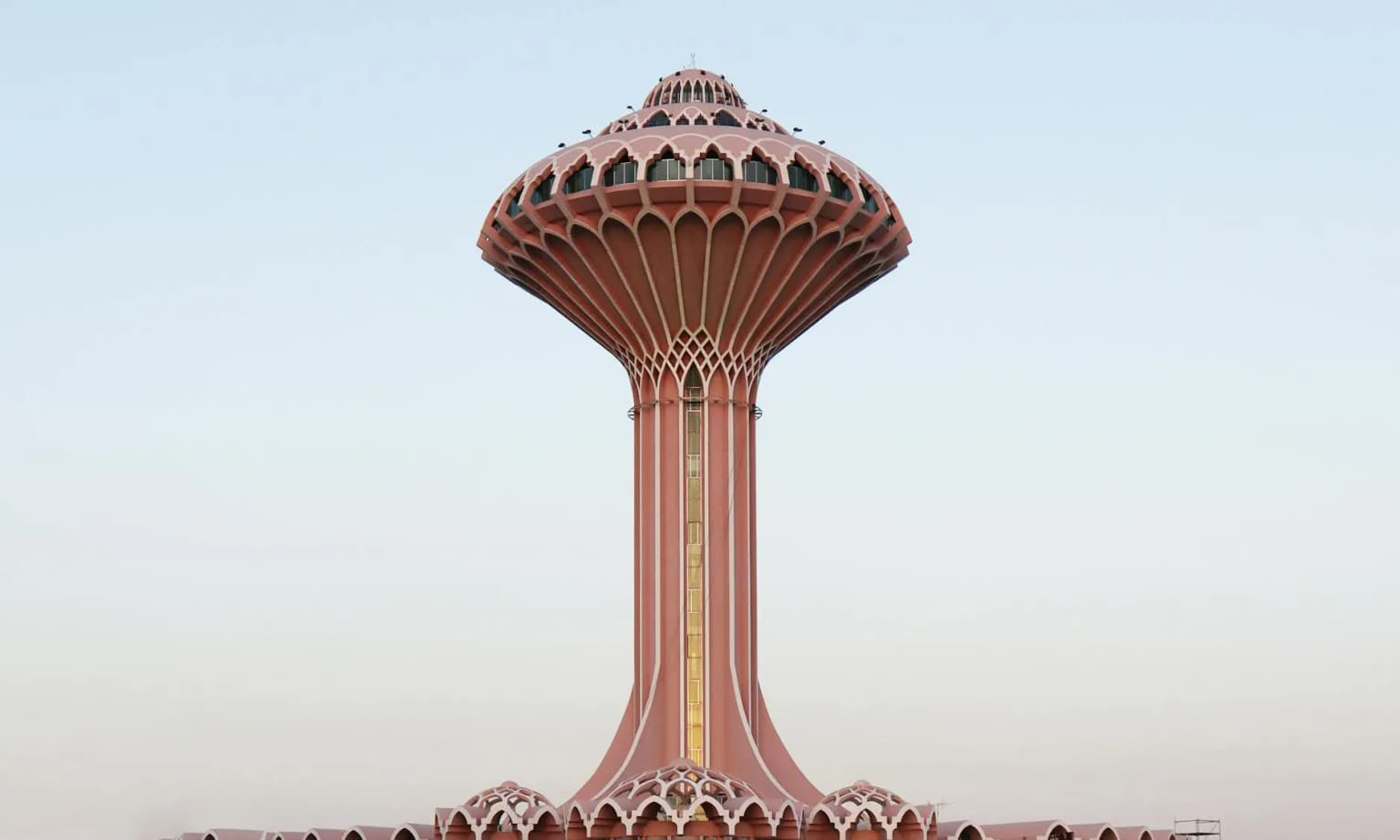
Eastern Province
Capital of the oil-rich Eastern Province, Dammam is a major port city and commercial center at the heart of Saudi Arabia's petroleum industry on the Arabian Gulf coast.
Key Advantages:
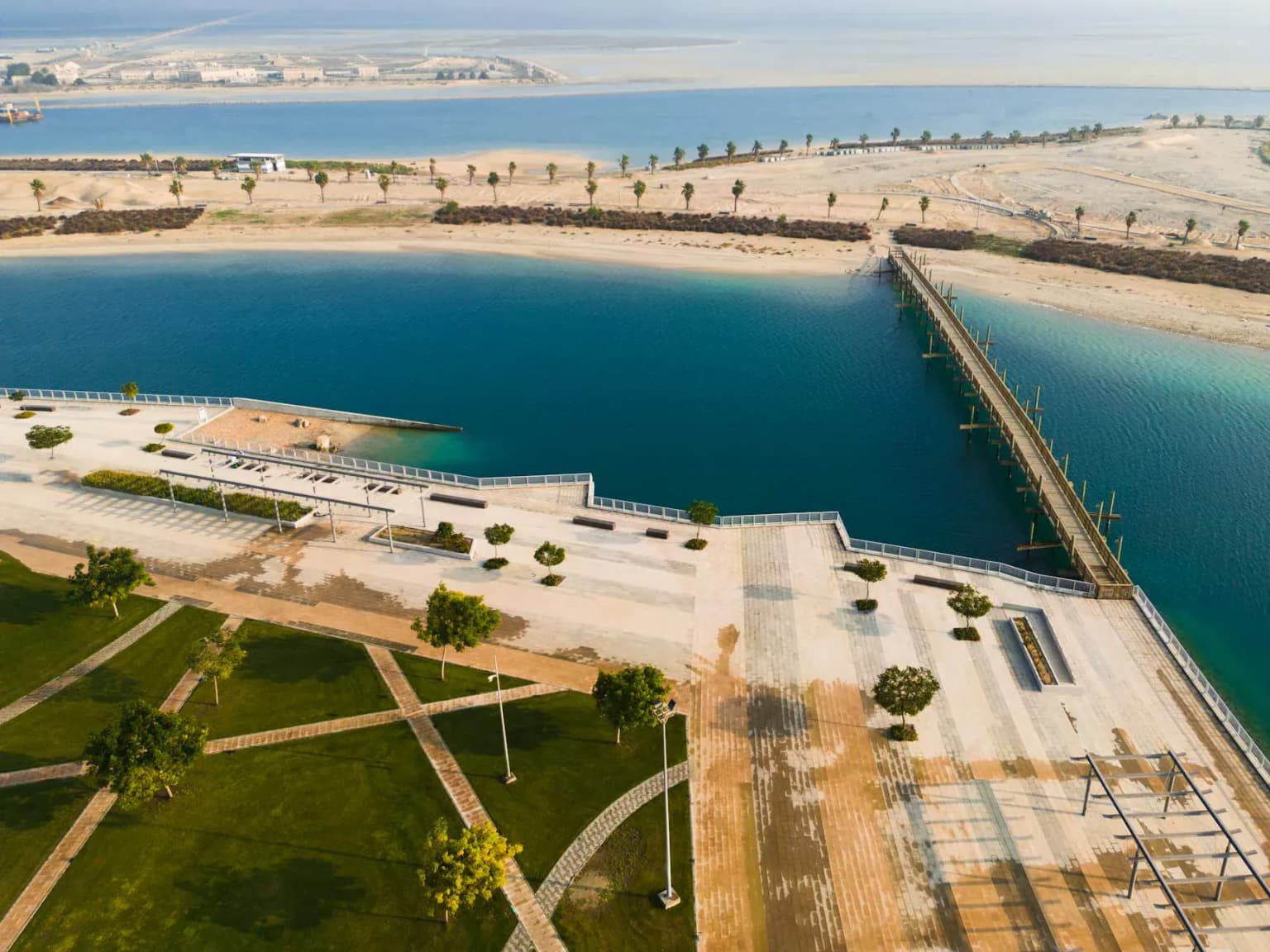
Eastern Province
A modern, cosmopolitan city on the Arabian Gulf coast, Al Khobar is known for its waterfront lifestyle, proximity to Bahrain via the King Fahd Causeway, and a large expatriate community.
Key Advantages:
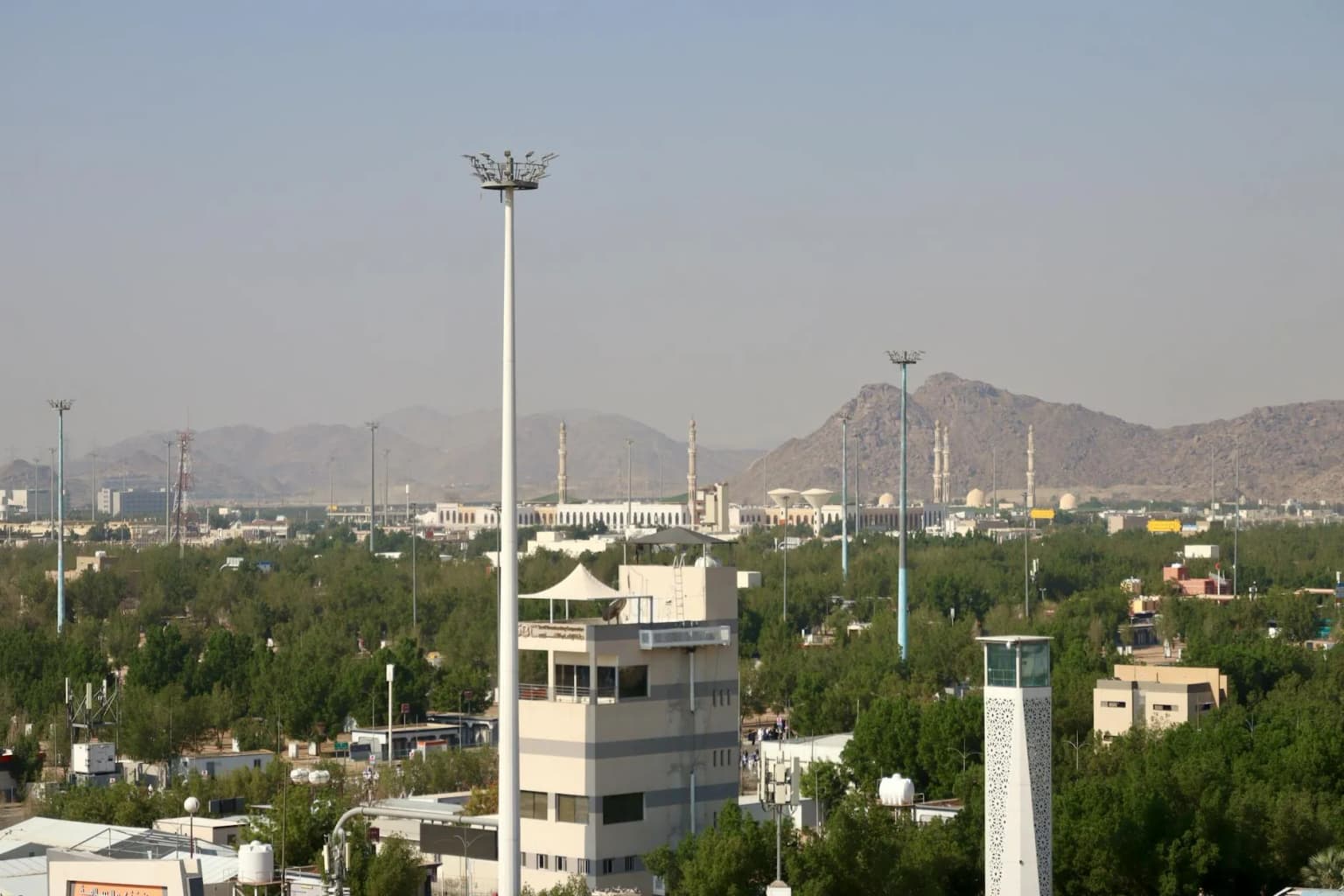
Eastern Province
Home to Saudi Aramco's global headquarters and the prestigious King Fahd University, Dhahran is the epicenter of the world's petroleum industry and a center of technological excellence.
Key Advantages:
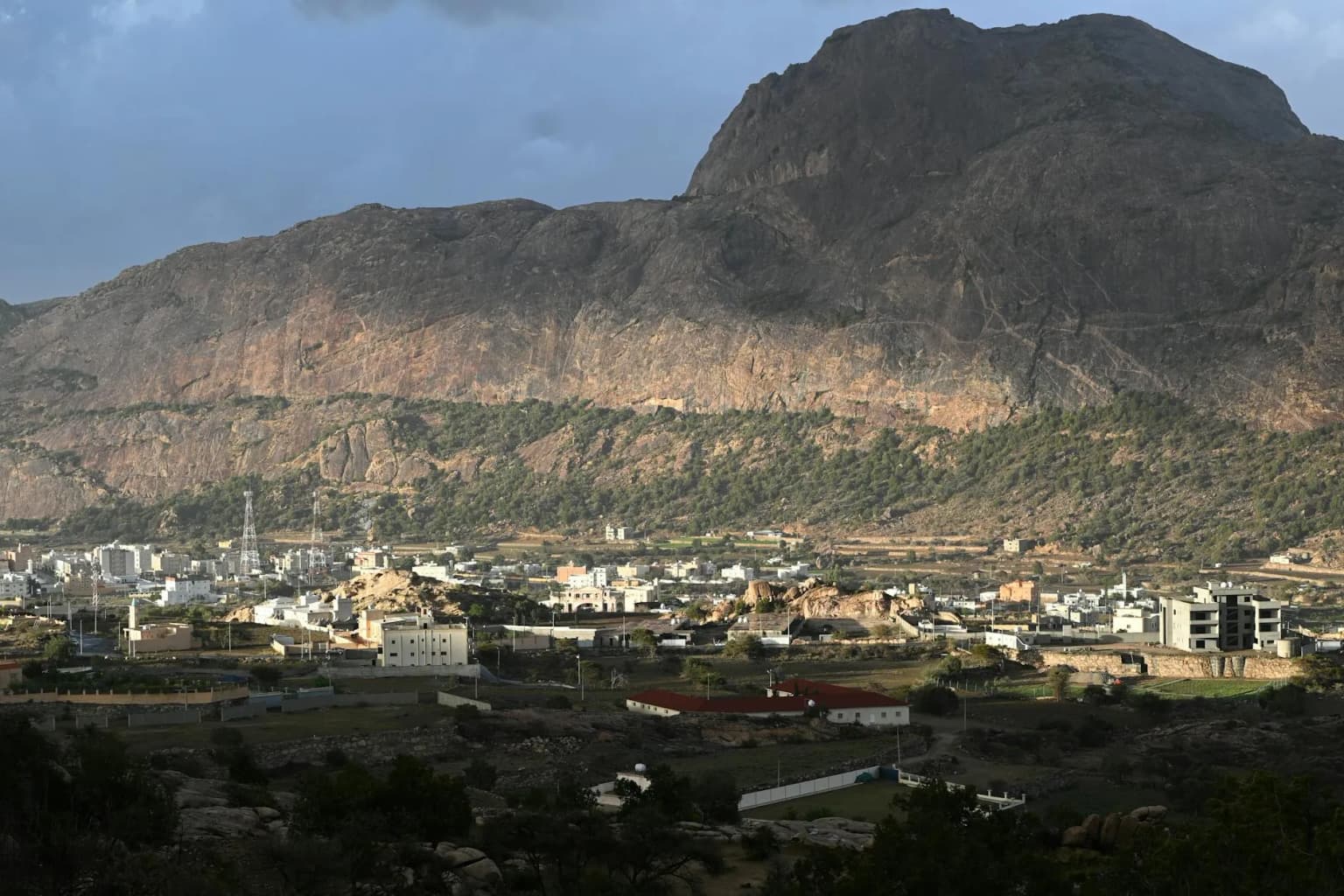
Asir Region
A highland city in the Asir Mountains, Abha offers a rare cool climate in Saudi Arabia and is the Kingdom's premier domestic tourism destination, known for its lush greenery and traditional architecture.
Key Advantages:
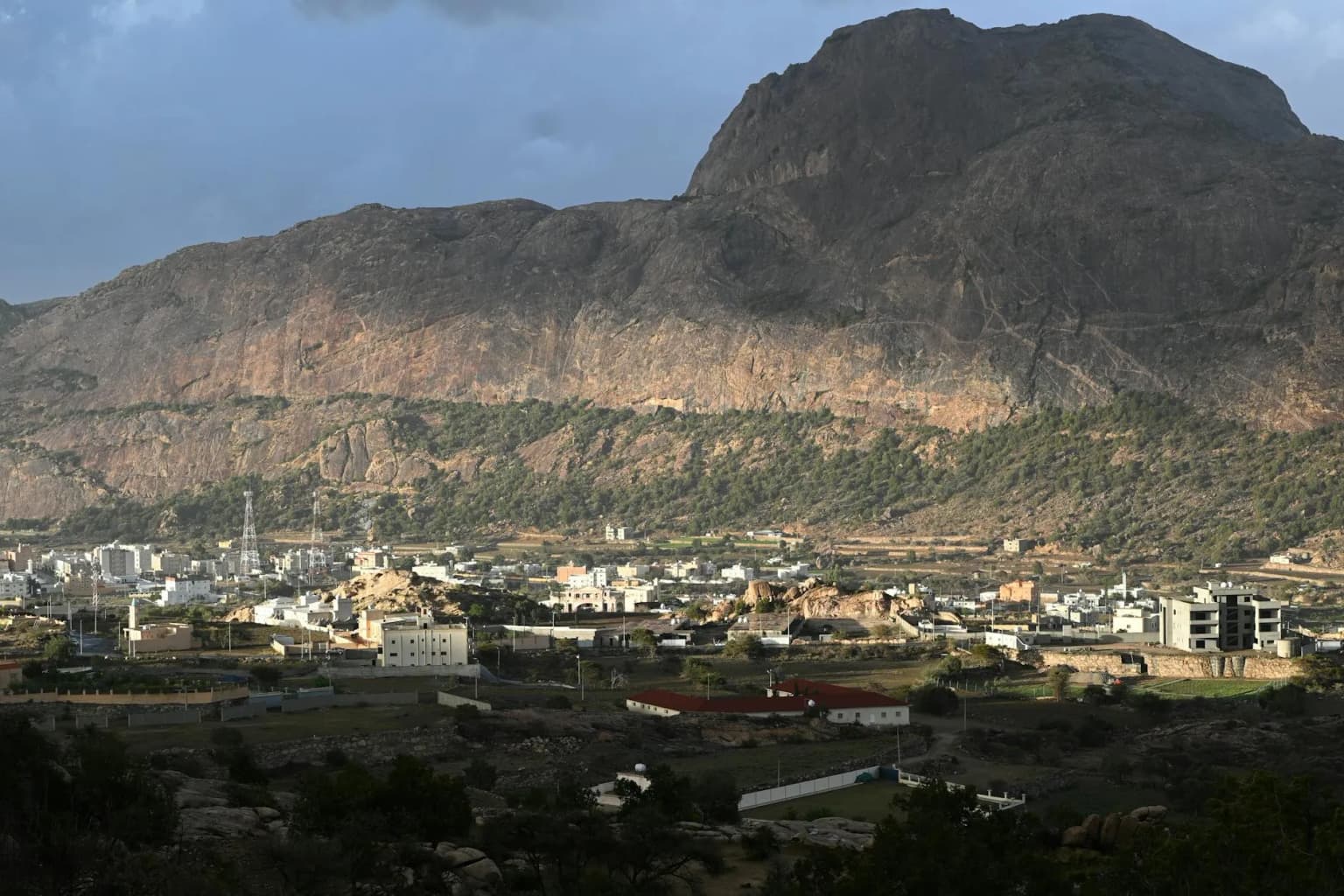
Makkah Region
Known as the 'City of Roses,' Taif is a mountain resort city famous for its rose farms, pleasant climate, and historical significance as the unofficial summer capital of Saudi Arabia.
Key Advantages:
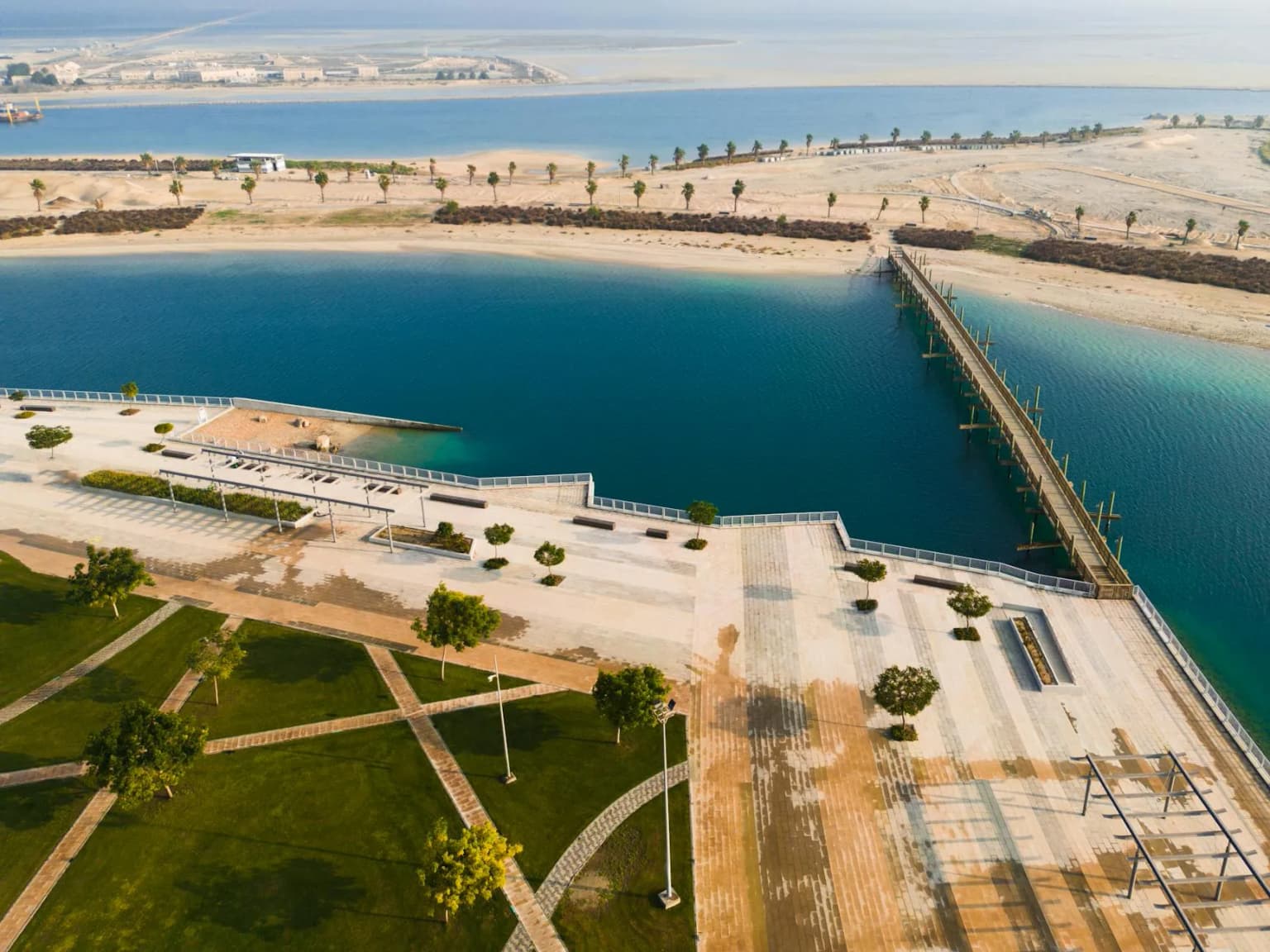
Eastern Province
A major industrial city developed by the Royal Commission, Jubail is home to one of the world's largest petrochemical complexes and offers well-planned modern living for industrial workers and engineers.
Key Advantages:
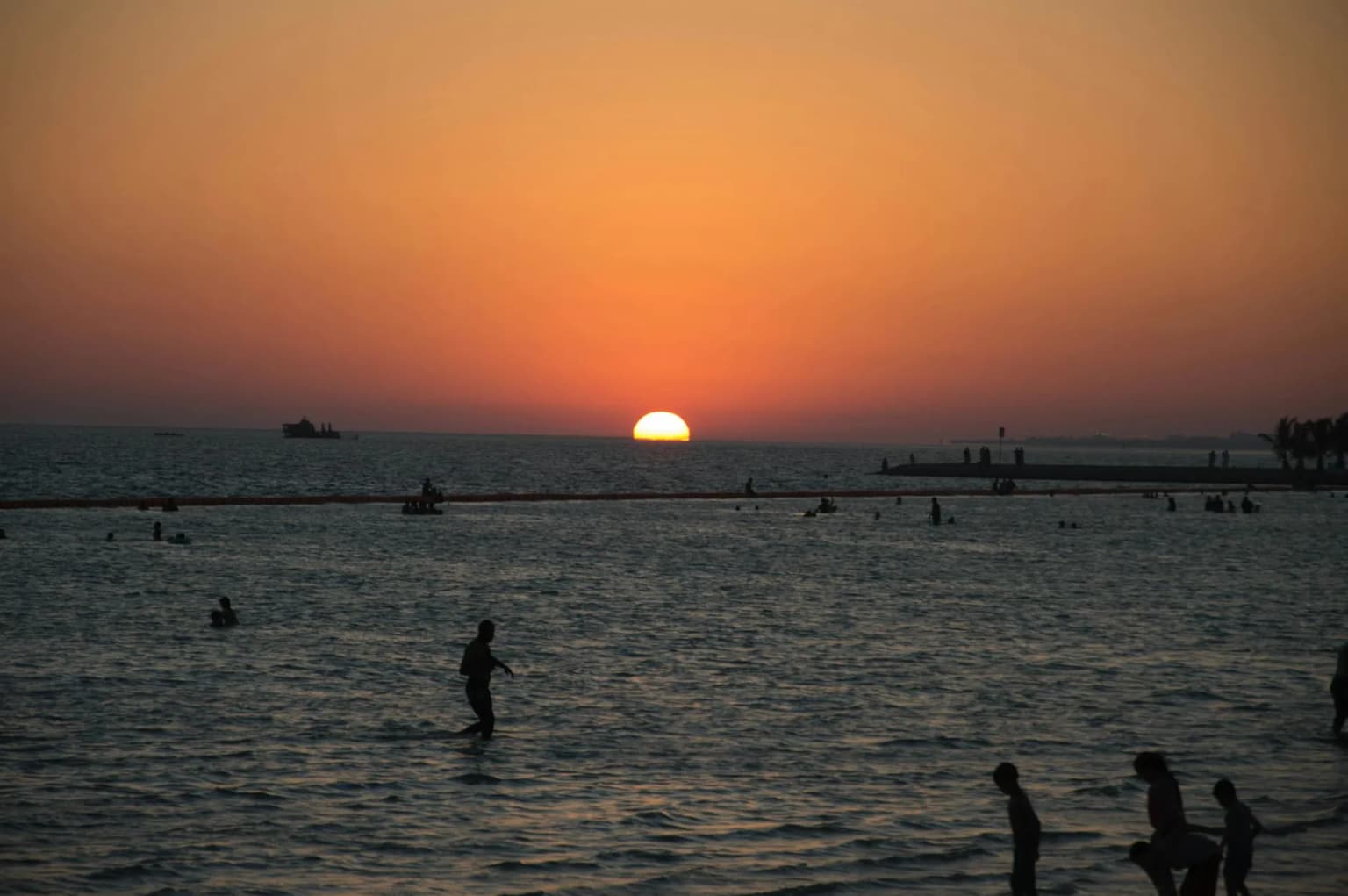
Al-Madinah Region
A Red Sea industrial port city developed by the Royal Commission, Yanbu combines a major petrochemical hub with a historic old town and beautiful coral reefs, serving as the western counterpart to Jubail.
Key Advantages:
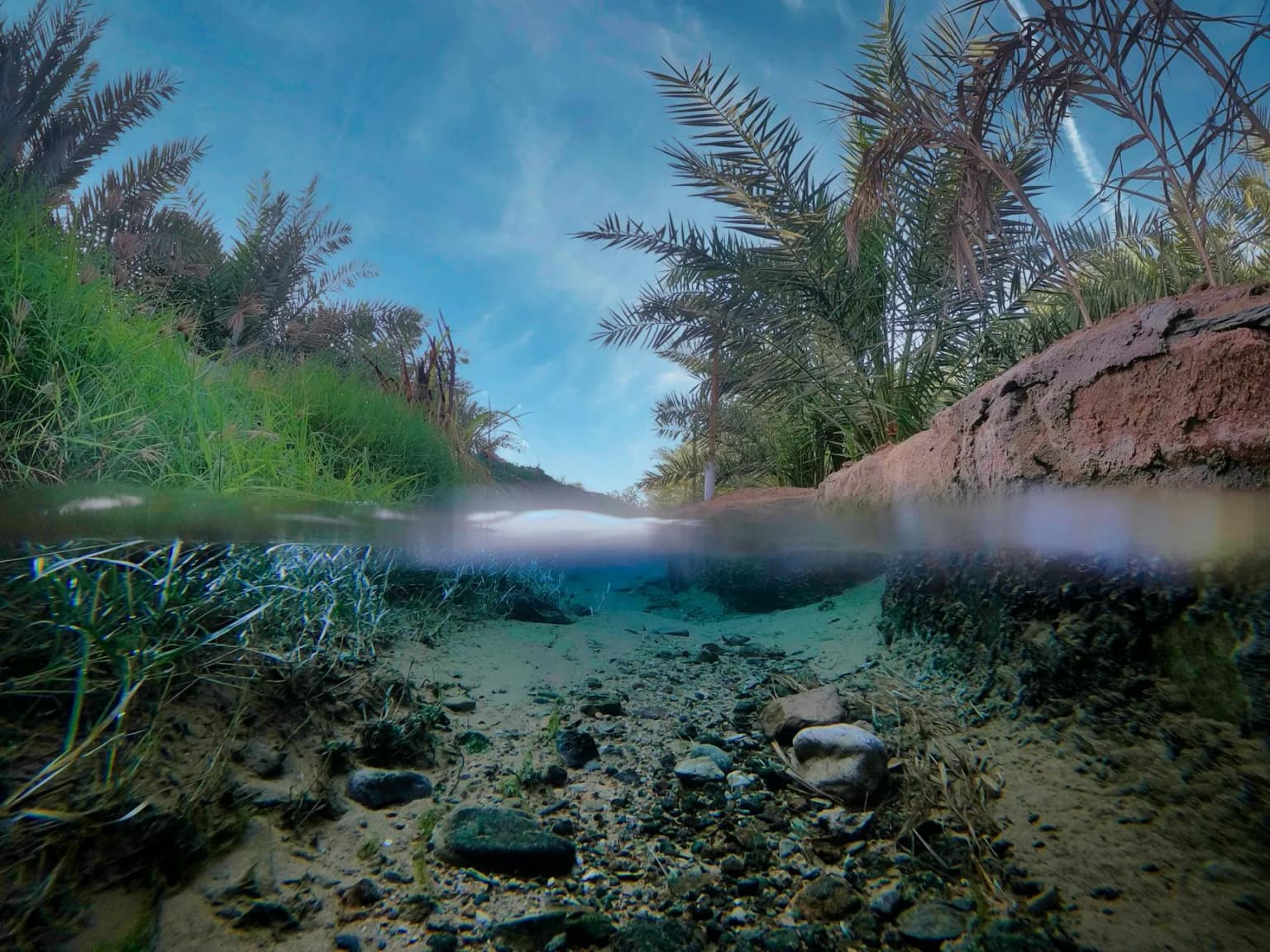
Riyadh Region
A fast-growing city south of Riyadh, Al Kharj is one of Saudi Arabia's most important agricultural centers and home to a significant military base, offering affordable living close to the capital.
Key Advantages:
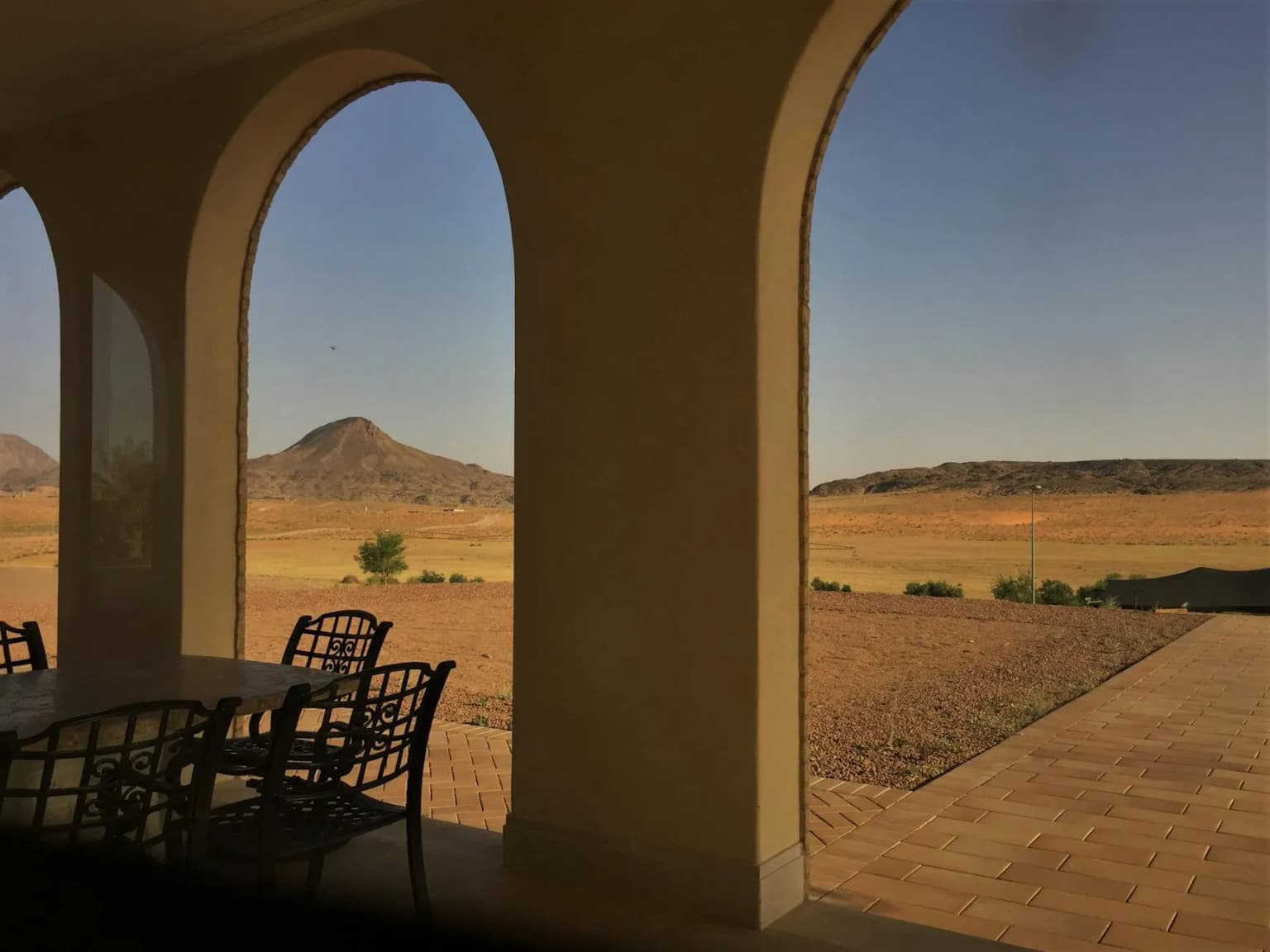
Ha'il Region
A historic city in north-central Saudi Arabia, Hail is known for its legendary Arabian hospitality (Hatim al-Tai), agricultural heritage, and the international Hail Rally motorsport event.
Key Advantages:
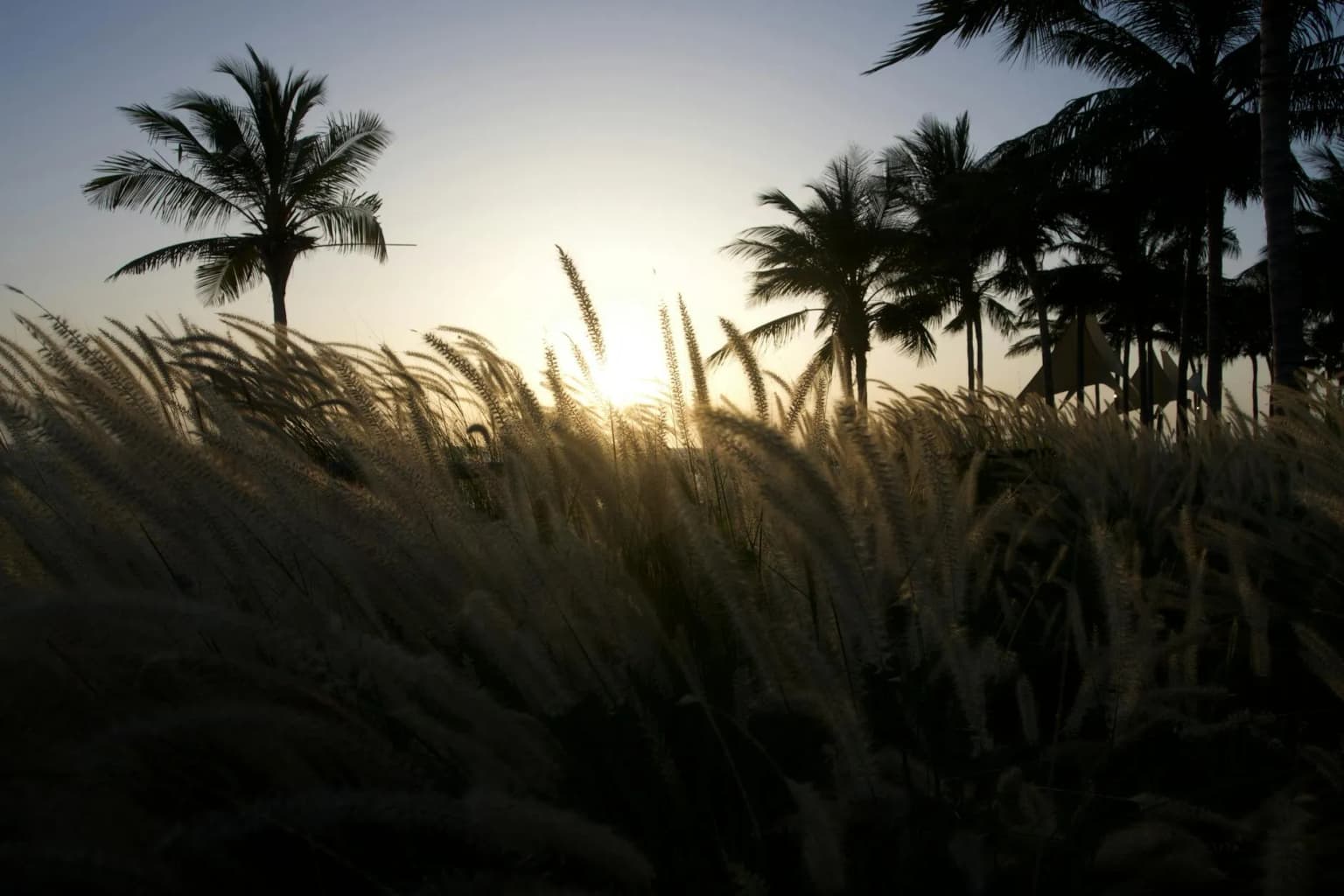
Qassim Region
The capital of the Qassim Region and the 'Date Capital of the World,' Buraidah is the center of Saudi Arabia's massive date palm industry and hosts the world's largest date festival.
Key Advantages:
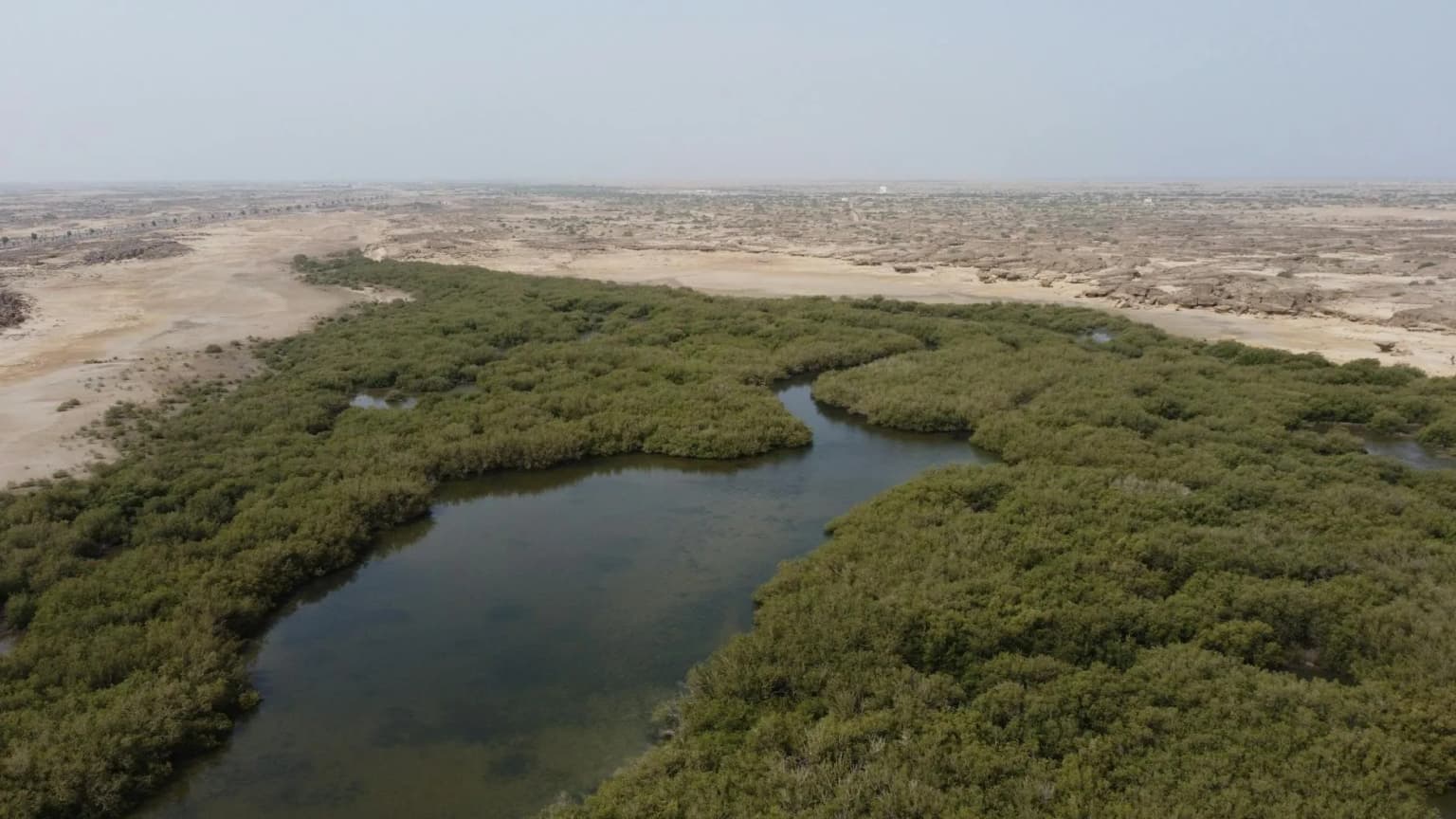
Jazan Region
A tropical coastal city on the Red Sea in the far southwest of Saudi Arabia, Jizan offers a unique climate, the Farasan Islands archipelago, and a culture influenced by African and Yemeni traditions.
Key Advantages:
Riyadh and Jeddah are the most popular choices for expats due to their international atmosphere, job opportunities, and extensive expat communities. Riyadh offers the most career opportunities in finance, government, and corporate sectors, while Jeddah is known for its more relaxed lifestyle, Red Sea coastline, and proximity to Mecca. The Eastern Province cities of Dammam, Khobar, and Dhahran are particularly popular with those working in the oil and energy sector.
Among major cities, Buraidah, Hail, and Al Kharj typically offer the lowest cost of living, especially for housing. Abha and Taif also provide good value for money with pleasant climates. However, these cities may have fewer job opportunities compared to Riyadh or Jeddah. For the best balance of affordability and opportunities, consider Dammam or Jubail, which offer competitive costs with strong job markets in the energy and industrial sectors.
Riyadh leads in job opportunities, especially in finance, government, consulting, and corporate sectors. Jeddah is strong in commerce, logistics, hospitality, and Hajj-related services. The Eastern Province (Dammam, Khobar, Dhahran) dominates the oil, gas, and petrochemical industries with Saudi Aramco and SABIC headquarters. Jubail and Yanbu are key for industrial and manufacturing careers. Each city has its specializations, and Saudization policies (Nitaqat) affect hiring across all sectors.
In major cities like Riyadh, Jeddah, and the Eastern Province, English is widely used in business, international companies, and many services. However, learning Arabic will significantly improve your daily life and help you navigate government offices, local markets, and social situations. Many expats manage well with English in multinational environments, but basic Arabic phrases are appreciated and helpful for building relationships with locals.
A comfortable lifestyle in major cities requires 8,000-15,000 SAR monthly in Riyadh or Jeddah, and 5,000-10,000 SAR in smaller cities like Abha or Buraidah. This includes rent, food, transportation, and entertainment. Many expat packages include housing and transportation allowances, which can significantly reduce costs. With no income tax on salaries, your take-home pay goes further than in many other countries.
Saudi Arabia is predominantly car-dependent, with fuel prices being very affordable (around 2.3 SAR per liter). Riyadh is building a modern metro system with six lines expected to transform urban mobility. Jeddah has a growing bus network. Ride-hailing services like Uber and Careem are widely available in all major cities. Inter-city travel is served by the Haramain High-Speed Railway connecting Mecca, Medina, and Jeddah, plus Saudi Railways for the Riyadh-Dammam corridor.
Saudi Arabia has a predominantly hot, arid climate, but there are significant regional differences. Central cities like Riyadh experience extreme summer heat (45°C+) with mild winters. Coastal cities like Jeddah and Dammam are hot and humid year-round but slightly cooler in summer. Mountain cities like Abha and Taif enjoy much milder temperatures (15-30°C) and are popular summer retreats. Winters in northern cities like Hail can be quite cold with occasional frost.
Finding housing as a foreigner is generally straightforward, especially in major cities. Many employers provide housing or housing allowances as part of expat packages. For those searching independently, you'll find options ranging from modern apartment compounds to standalone villas. Expat compounds offer amenities like pools, gyms, and community facilities. Popular platforms for apartment hunting include Bayut, Aqar, and local real estate agents. Lease agreements typically require a year's rent paid in advance via post-dated checks.
Riyadh has the largest and most diverse expat community, with strong networks from South Asia, Southeast Asia, the Middle East, and Western countries. Jeddah has a significant international population due to its historical role as a trading port and gateway to the holy cities. The Eastern Province (Dammam, Khobar, Dhahran) has a well-established Western expat community centered around the energy industry, with compounds and international schools well-suited to expatriate families.
To work in Saudi Arabia, you need a work visa (iqama) sponsored by your employer. Key requirements include a valid passport (minimum 6 months validity), employment contract, medical examination, attested educational certificates, and police clearance from your home country. Your employer typically handles the visa process. Once in the Kingdom, you'll receive an iqama (residence permit) which serves as your primary ID. The process is managed through the Absher and Qiwa digital platforms.
Explore our comprehensive guides on practical aspects of moving to Saudi Arabia.