Loading city information...
Join our Facebook Group: Join: Expats in Saudi Arabia
Loading city information...
Discover Buraidah, the date palm capital of the world in the heart of Saudi Arabia's Qassim region.
Buraidah, the capital of the Qassim region in central Saudi Arabia, is known as the 'Date Capital of the World.' The city hosts the world's largest date festival annually and is surrounded by millions of date palm trees. Qassim is also famous for its traditional culture, conservative values, and agricultural productivity.
Whether you are interested in history, culture, architecture, or simply experiencing authentic Saudi life, Buraidah offers something for every type of traveler.
The world's largest date market and festival, held annually from August to October, draws buyers and sellers from across the Middle East. Millions of kilograms of dates in dozens of varieties are traded daily in a sprawling open-air market. The atmosphere is electric, with auctioneers calling out prices, farmers displaying their finest harvests, and visitors sampling dates from stalls stretching as far as the eye can see.
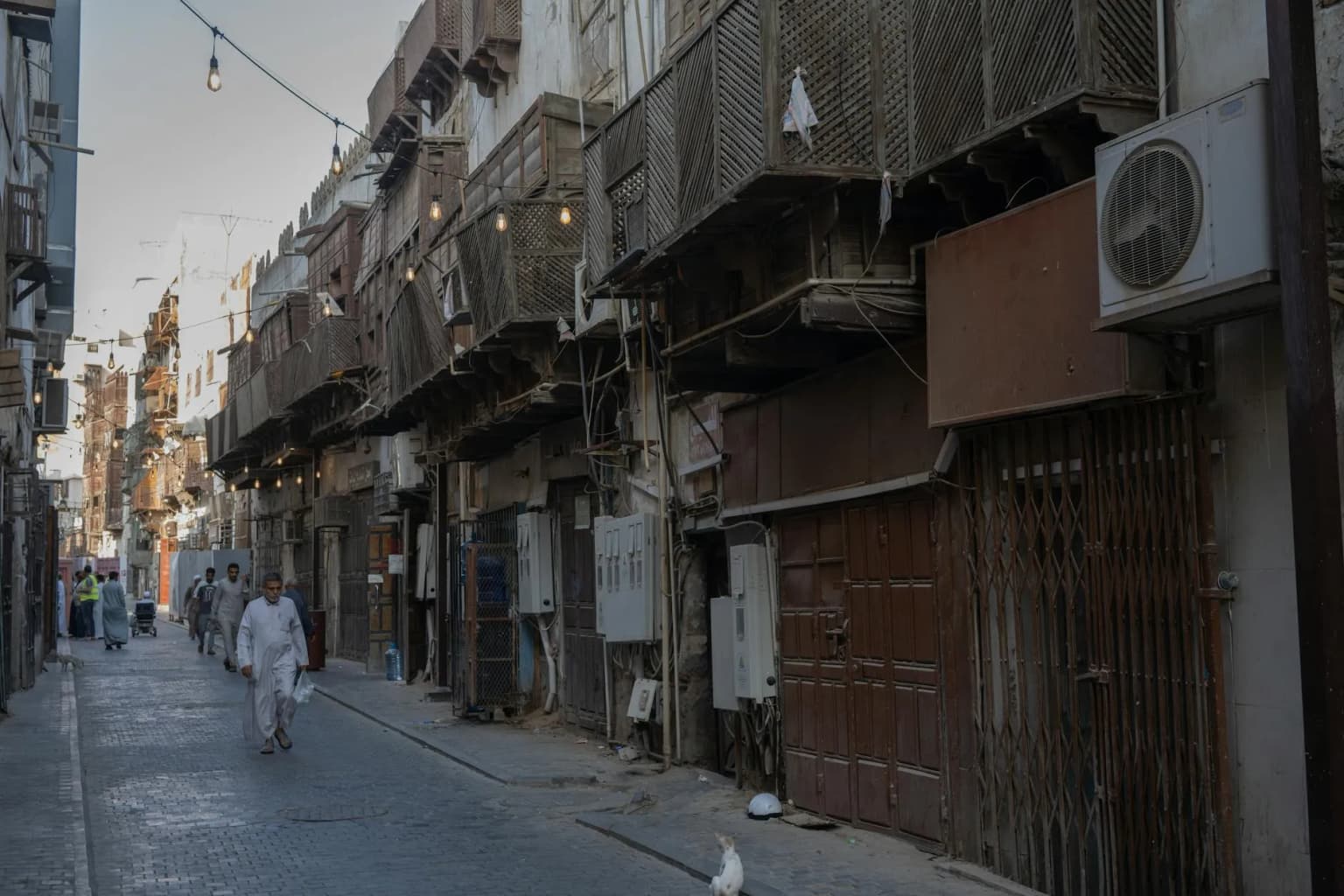
A charming heritage town 19 miles (30 km) south of Buraidah, Unaizah is renowned for its traditional Najdi architecture, heritage souqs, and agricultural heritage. The old town features beautifully restored mud-brick buildings, and the town hosts its own Grape Festival. Unaizah is considered one of the best-preserved examples of traditional Najdi urban life.
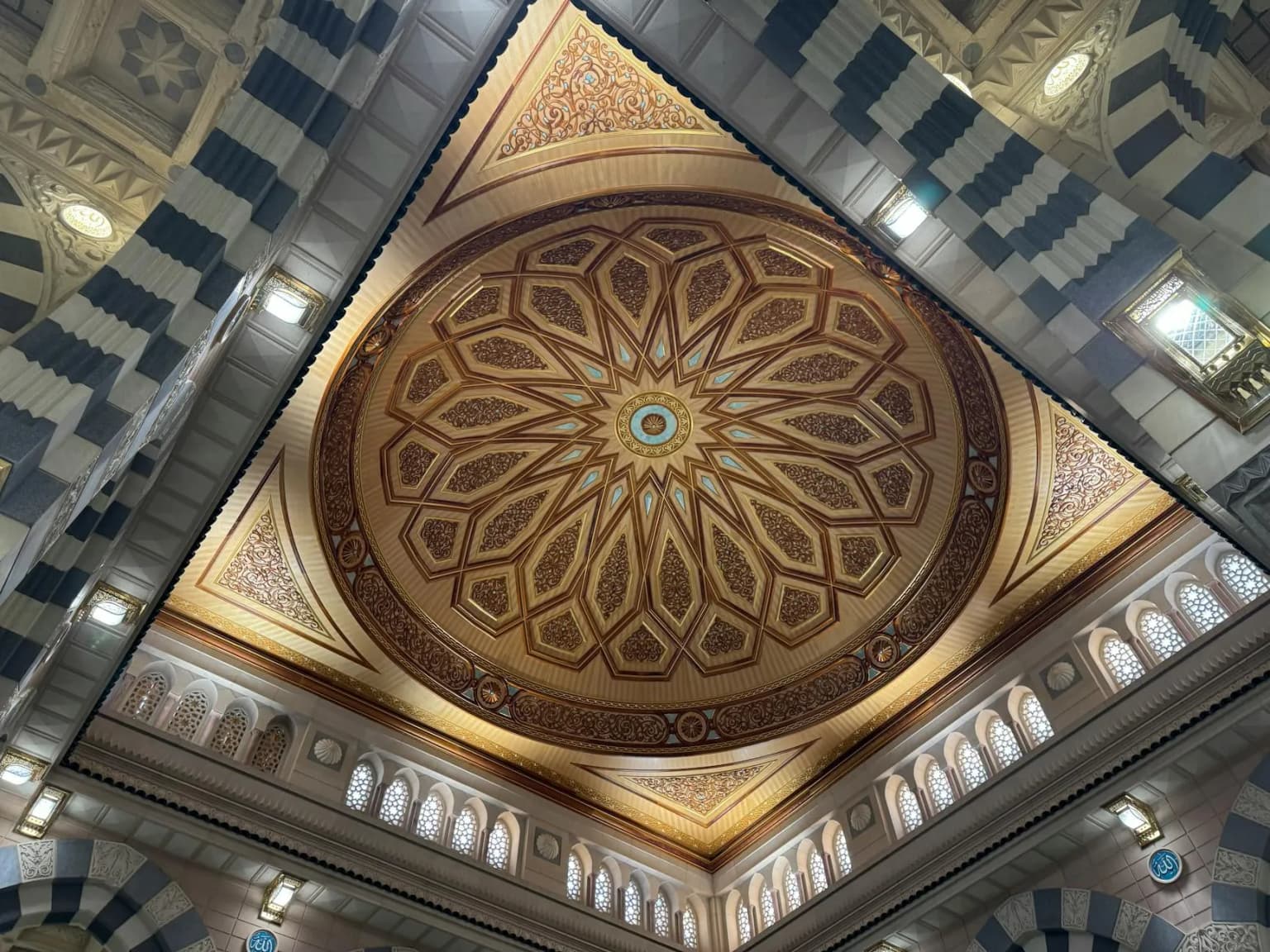
A regional museum covering the history and culture of the Qassim region from prehistoric times to the present. Exhibits explore the area's deep connection to date palm cultivation, traditional Najdi lifestyles, and the development of agriculture in central Arabia. The date palm section is particularly informative, explaining the dozens of varieties grown locally.
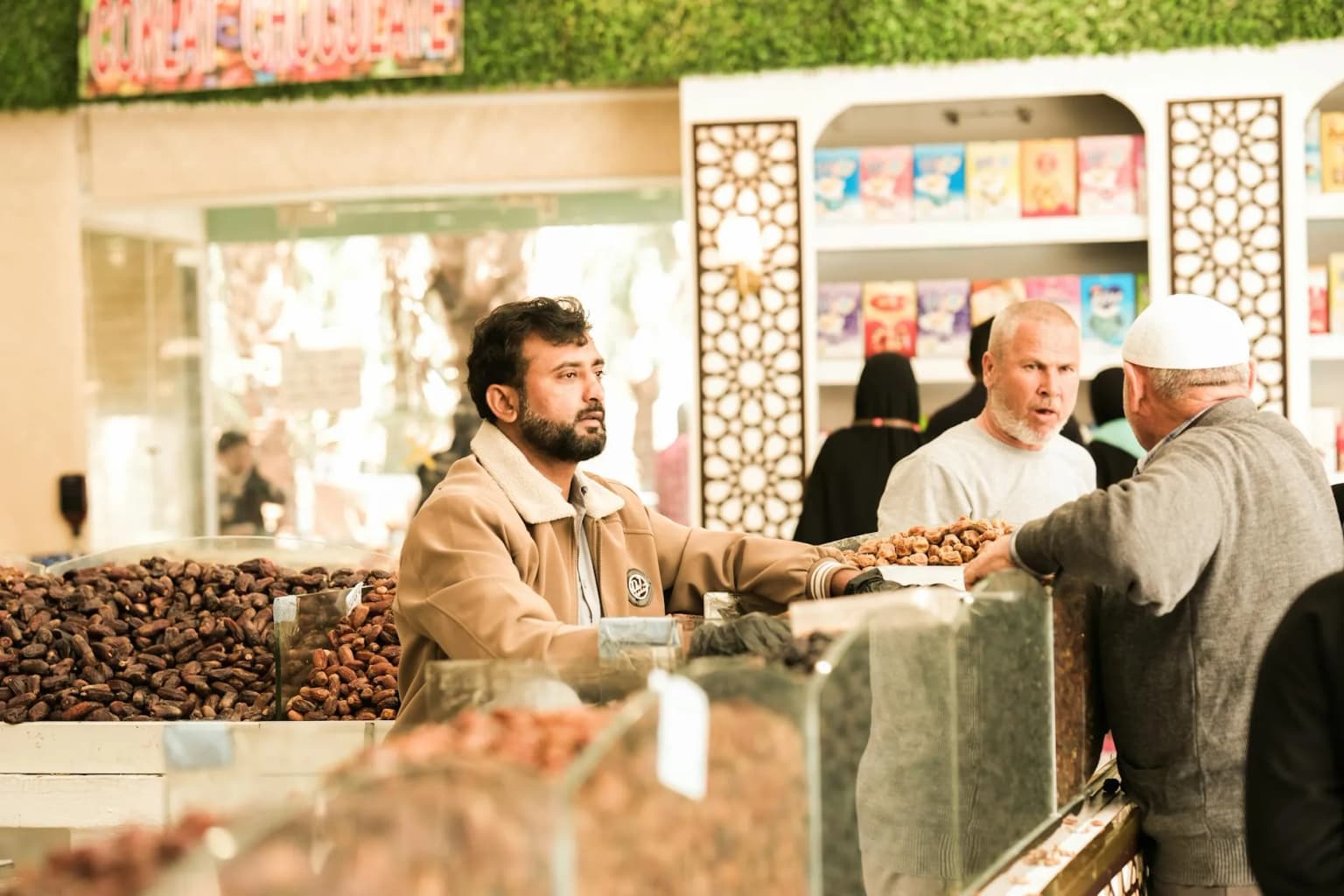
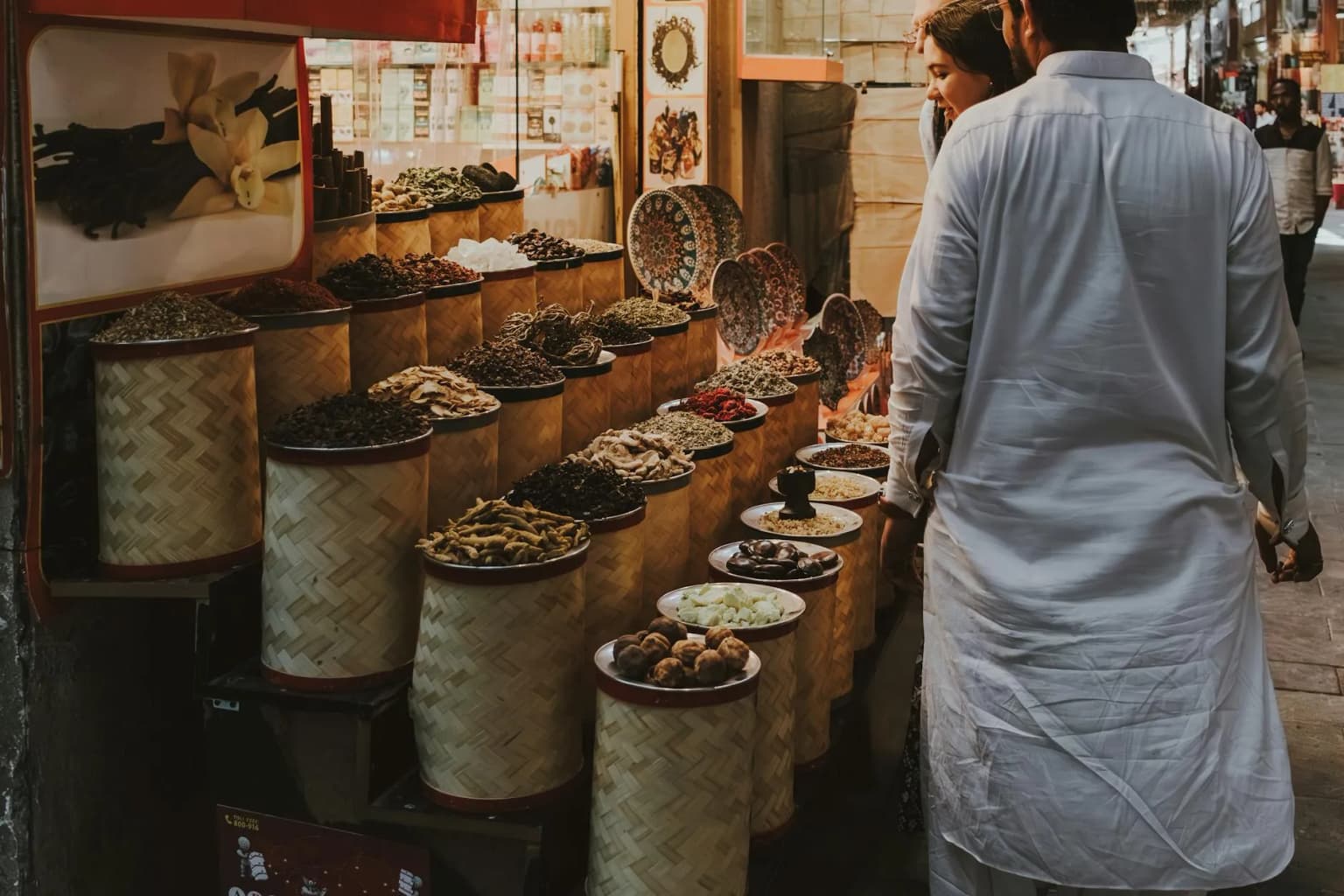
Buraidah's traditional markets are a sensory experience of Arabian commerce at its most authentic. Stalls overflow with dates in every variety, aromatic spices, perfumes, oud incense, and handcrafted goods. The date souq in particular is enormous, with vendors offering samples and haggling is expected. The souqs are busiest on Thursday and Friday evenings.
Click on a numbered marker to see the attraction name. Numbers correspond to the attraction order below.
Discover and book guided tours, skip-the-line tickets, and unique experiences in Buraidah.
Buraidah's food culture revolves around one ingredient above all others: the date. In the date capital of the world, this fruit appears in every course from breakfast to dessert, in traditional preparations and modern innovations alike. Beyond dates, Qassimi cuisine is traditional Najdi cooking at its most authentic - conservative in approach, generous in quantity, and deeply rooted in the agricultural rhythms of the region. Kleicha cookies, the date-filled regional specialty, are an essential purchase.
Kleicha The signature sweet of the Qassim region: date-filled cookies made with buttery dough and a paste of local dates mixed with spices. Available fresh from bakeries throughout Buraidah, these addictive cookies are the quintessential edible souvenir. A plate typically costs 10-30 SAR per box.
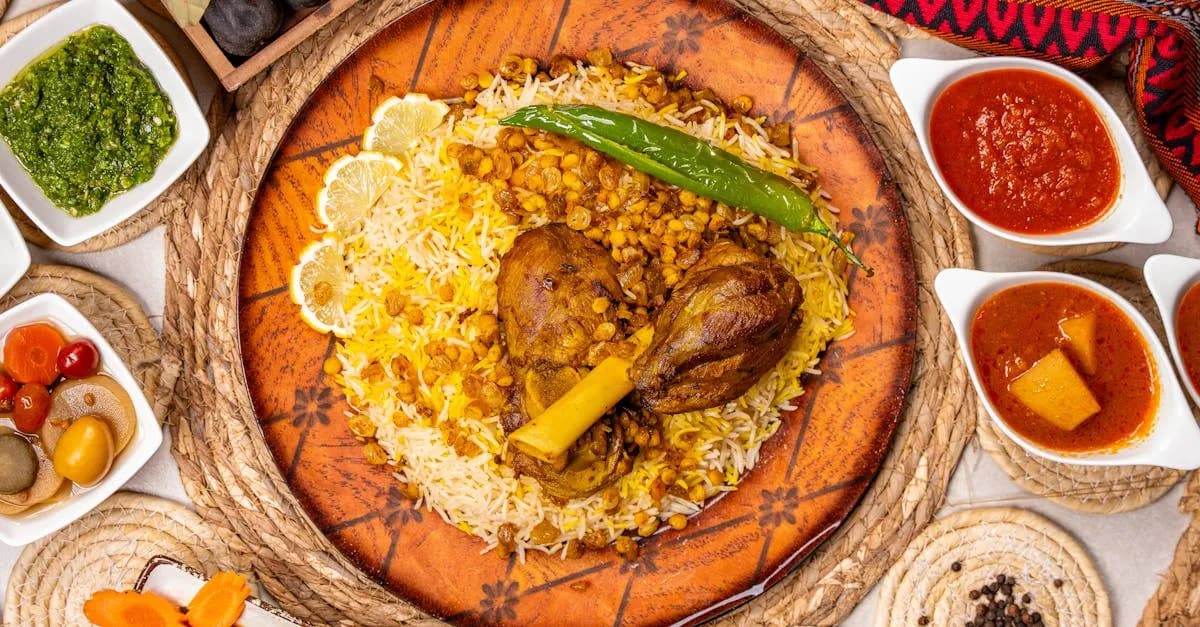
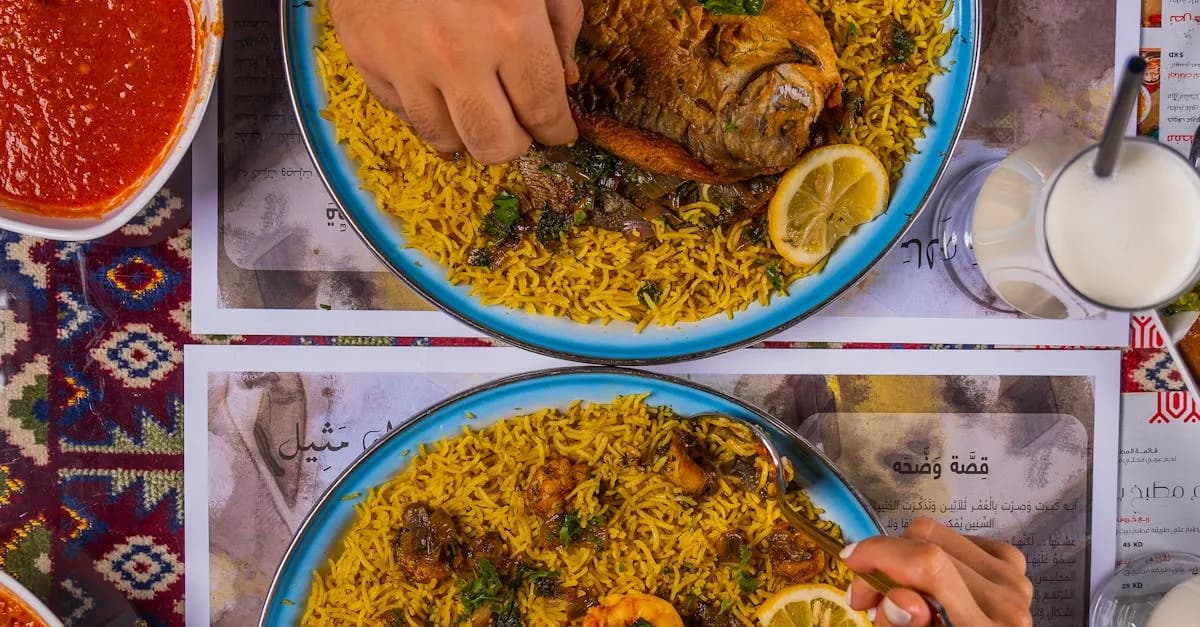
Kabsa The Qassim version of Saudi Arabia's national dish tends toward a more traditional, conservative preparation with simpler spicing that lets the quality of the rice and meat speak for itself. Always served with laban (buttermilk) and fresh dates on the side. A plate typically costs 25-40 SAR.
Dates in Every Form In the date capital of the world, you will encounter dates prepared in ways you never imagined: stuffed with almonds and cream cheese, dipped in chocolate, pressed into date paste, blended into smoothies, and of course eaten fresh straight from the palm. A plate typically costs 10-50 SAR.
Qursan Thin layers of bread cooked with broth and meat, creating a layered dish similar to a savory bread pudding. A traditional Najdi recipe that is particularly popular in Qassim's home kitchens and traditional restaurants. A plate typically costs 20-35 SAR.
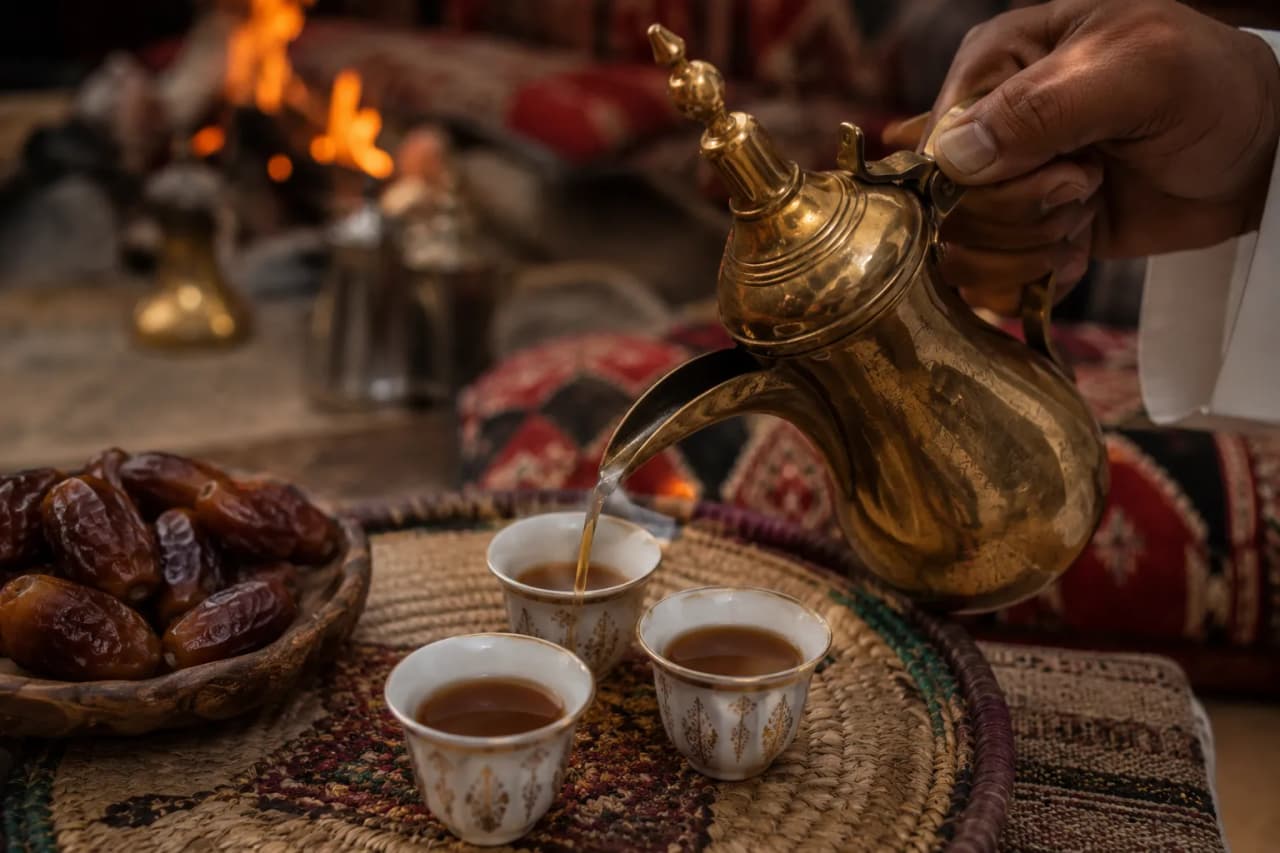
Arabic Coffee with Dates Qassim takes its coffee ceremony seriously. Cardamom-spiced Arabic coffee served in tiny cups alongside a plate of local dates is the region's essential hospitality ritual, offered to every guest without exception. A plate typically costs 5-15 SAR.
Traditional Qassimi Restaurants (Buraidah center) Several family-run restaurants in Buraidah serve authentic Najdi cuisine in traditional floor-cushion settings. Portions are large, service is warm, and the cooking reflects recipes passed down through generations. Expect to pay around 40-80 SAR for two.
Date Festival Food Stalls (Date Festival grounds) During the annual date festival, food stalls surrounding the market offer fresh date-based dishes, date smoothies, and traditional meals. An experience unique to the festival season. Expect to pay around 10-30 SAR.
Unaizah Heritage Restaurants (Unaizah old town) Unaizah has several restaurants set in restored heritage buildings, offering traditional Qassimi food in atmospheric historical settings with mud-brick walls and wooden-beam ceilings. Expect to pay around 50-100 SAR for two.
Al Baik (Main commercial areas) The ubiquitous Saudi fried chicken chain has branches in Buraidah. A reliable, affordable option for a quick meal. Expect to pay around Under 20 SAR.
Qassim is one of the most conservative regions in Saudi Arabia. Dress modestly and follow local customs, especially in traditional restaurants.
During the date festival season (August-October), sample as many date varieties as possible. Vendors expect you to taste before buying.
Restaurants close strictly during prayer times. The conservative culture in Buraidah means these closures are observed more rigidly than in larger cities.
Buy kleicha from local bakeries rather than supermarkets for the freshest, most authentic version of these date-filled cookies.
Carry cash. While card payments are accepted at larger establishments, smaller souq vendors and bakeries often prefer cash.
Standard supermarket chains including Panda, Othaim, and local grocery stores operate throughout Buraidah. For the best dates, buy from the date souq or directly from farmers rather than supermarkets. During the date festival, prices for bulk date purchases are the lowest you will find anywhere in Saudi Arabia.
Choosing the right area can make or break your trip. Here is a quick guide to Buraidah's neighborhoods to help you pick the best base for your visit.
Click on an area for details. Zones are approximate.
| Neighborhood | Price Level | Why Stay Here |
|---|---|---|
| City Center | Low-Medium | Main commercial area with the famous date souq, traditional markets, and government offices. |
| Al Iskan | Low | Residential area with affordable family housing and basic amenities. |
| University Area (Al Mulidaa) | Low-Medium | Growing area near Qassim University with student services and newer developments. |
| Al Rayan | Low | Residential neighborhood with very affordable housing, popular with families. |
| Unaizah (adjacent city) | Low-Medium | The cultural twin city of Buraidah, known for crafts and heritage tourism. |
Hotel prices correlate with neighborhood rent levels. For longer stays, consider renting an apartment for better value. Planning to relocate? See our full Buraidah living guide.
Buraidah is a compact city where a car is essential. The main attractions are within the city or nearby Unaizah (30 km), but public transport is virtually nonexistent. Most visitors come by car from Riyadh or fly into Qassim Airport for a focused visit during the date festival season.
Car rental (100-150 SAR per day, fuel ~2.3 SAR/liter) The only practical way to explore Buraidah and the surrounding Qassim region. Roads are flat, straight, and well-maintained. A sedan is sufficient for all destinations.
Ride-hailing (very limited) (10-25 SAR within the city) Uber and Careem have very limited availability in Buraidah. You may find a ride in the city center, but coverage is unreliable. Do not plan your trip around these services.
Taxis (10-30 SAR for city trips) Traditional taxis are available but not plentiful. Negotiate fares before the journey. Useful for short city trips.
Prince Nayef bin Abdulaziz Regional Airport (ELQ), commonly called Qassim Airport, is located about 19 miles (30 km) from Buraidah city center. Domestic flights connect to Riyadh (about 45 minutes), Jeddah (about 1.5 hours), and other major cities. Saudia, flynas, and flyadeal operate services. A taxi from the airport to Buraidah costs 50-80 SAR.
Driving in and around Buraidah is straightforward. Roads are flat, well-paved, and clearly signed. The highway to Riyadh (217 miles / 350 km) is a monotonous but easy drive through open desert. During the date festival, traffic around the festival grounds can be heavy - arrive early for parking. The drive to Unaizah is a pleasant 25-minute trip through date palm-lined roads.
Useful apps: Google Maps, Waze, Uber, Careem, Almosafer.
The Qassim region surrounding Buraidah is defined by its agricultural landscape and traditional Najdi culture. Day trips reveal a region that has been cultivating dates for centuries, with heritage towns and farming communities that maintain traditional ways of life. The Unaizah trip is particularly recommended for its beautifully preserved architecture.
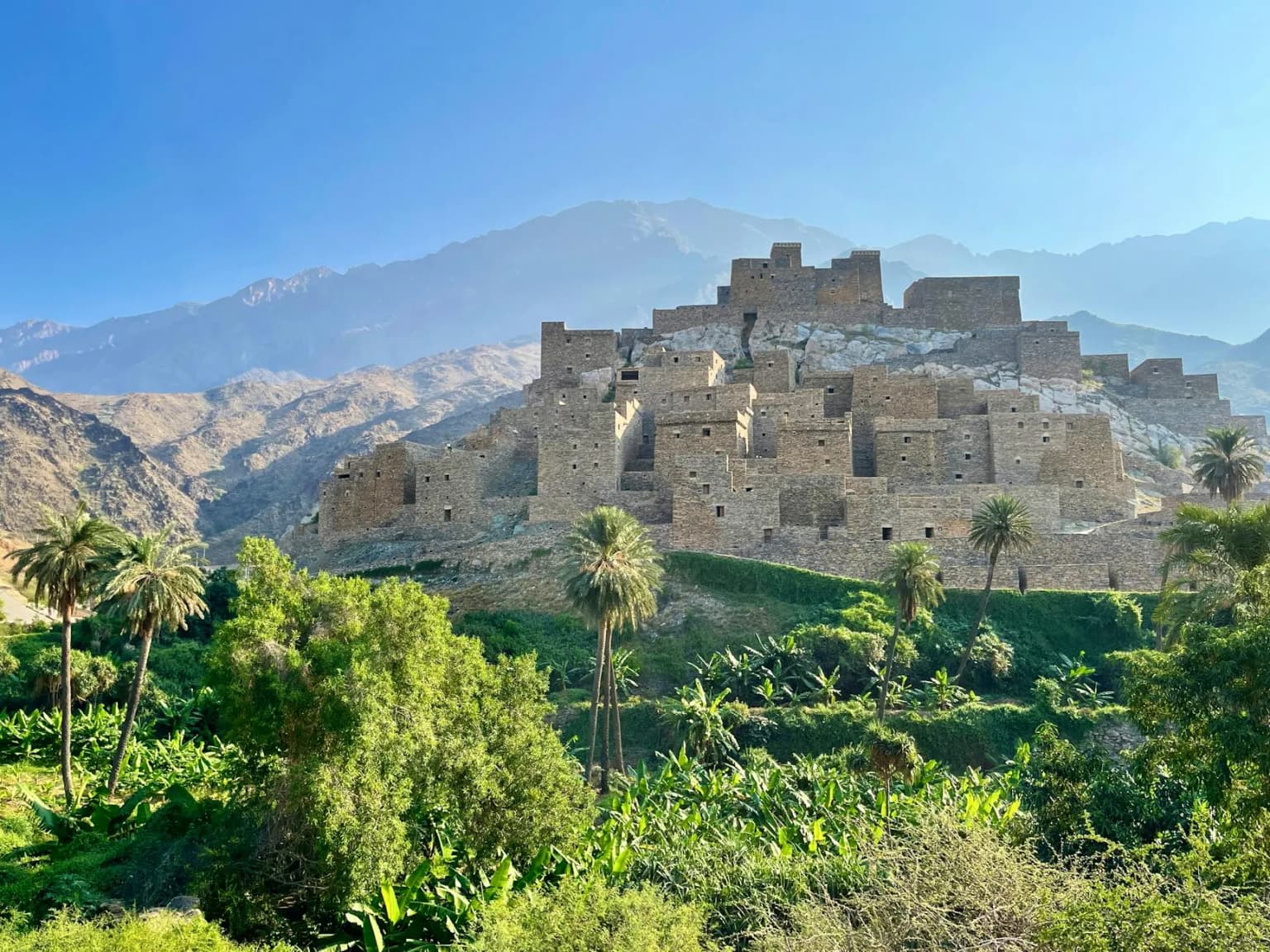
A beautifully preserved heritage town 30 km south of Buraidah, known for its Najdi architecture, heritage souqs, and the annual Grape Festival. The old town is one of the best examples of traditional Najdi urban life in the Kingdom.
The countryside around Buraidah is blanketed with millions of date palms. Several farms welcome visitors, especially during harvest season, offering tours of the groves, explanations of cultivation methods, and generous date tastings.

A remarkably preserved mud-brick village about 200 km south of Buraidah that showcases traditional Najdi architecture at its finest. Narrow alleyways wind between restored houses, and the village has been converted into an open-air heritage museum.
Browsing the traditional souqs and sampling dates from vendors is free and provides an immersive introduction to Buraidah's date culture.
Walking through date farm areas on the outskirts of the city costs nothing and offers peaceful views of palm groves stretching to the horizon.
Exploring the old town of Unaizah on foot is free, with traditional Najdi architecture and quiet alleyways to discover.
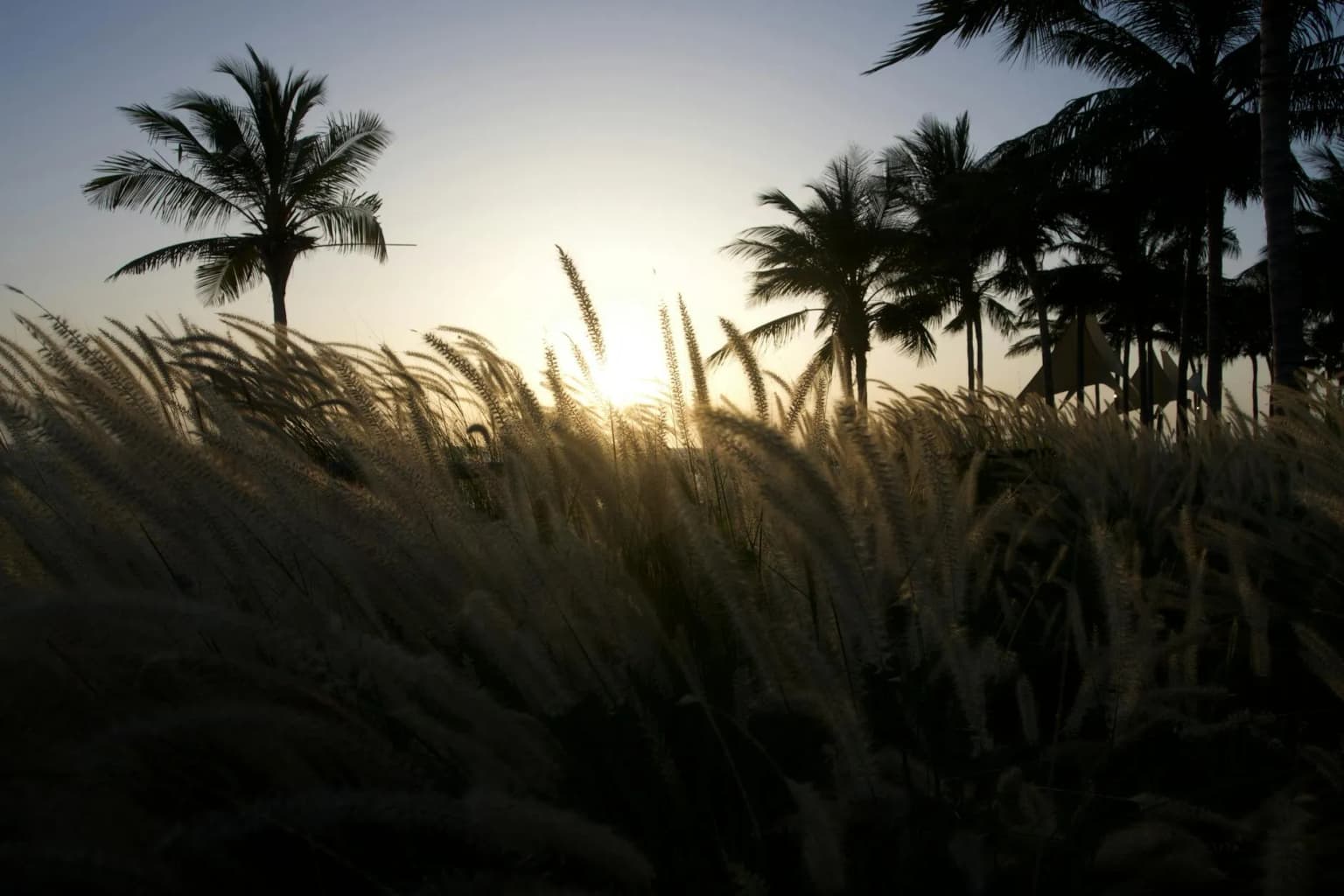
The agricultural landscapes of the Qassim region, with millions of date palms, are visible from any roadside and create a uniquely green oasis in the desert.
The date festival grounds are free to enter, with the spectacle of millions of kilograms of dates being traded visible at no cost.
The Buraidah Date Festival is the world's largest, with millions of kilograms of dates bought and sold over the festival season. It generates hundreds of millions of riyals in revenue.
The Qassim region has more date palms than people, with estimates of over 8 million trees producing dozens of varieties.
Kleicha cookies, the signature sweet of Qassim, are made with date paste and are a must-bring gift when visiting anyone in Saudi Arabia. Arriving empty-handed from Qassim is unthinkable.
Qassim is traditionally considered the most conservative region in Saudi Arabia, with deep roots in religious scholarship and traditional Najdi culture.
The region's agricultural success in the heart of the Arabian desert relies on ancient underground aquifer systems that have sustained farming for centuries.
Popular souvenirs from Buraidah include: Premium dates in bulk are the essential Buraidah purchase. Buy directly from the date festival or souq for the best prices on Sukkari, Khalas, Ajwa, and dozens of other varieties., Kleicha cookies, the date-filled regional specialty, are best bought from local bakeries. They make perfect gifts and travel well., Local honey from desert wildflowers is available from souq vendors, often sold alongside dates., Arabian incense (oud and bakhoor) is widely available in the souqs at competitive prices., Traditional coffee pots (dalla) in copper and brass make elegant souvenirs that represent the Arabian hospitality culture central to Qassimi identity..
Saudi Arabian culture emphasizes hospitality, respect, and traditional values. Greet people with "As-salamu alaykum" (Peace be upon you) and accept the response "Wa alaykum as-salam." When offered Arabic coffee (qahwa) and dates, it is customary to accept at least one cup. Shake the cup gently when you have had enough.
Buraidah has a welcoming atmosphere that balances traditional Saudi values with modern openness to visitors. The city offers a range of cultural experiences from traditional souqs to modern entertainment venues.
Buraidah and the Qassim region are known as the most socially conservative area of Saudi Arabia, with deep religious traditions and strong tribal ties. The city's identity is inseparable from date palm farming -- families have cultivated dates for generations, and the annual date festivals are the highlight of the social calendar. Qassimi cuisine features unique dishes like jareesh (cracked wheat porridge), and the people are known for their generosity and strong community bonds.
Dress modestly in public, especially when visiting mosques and traditional areas. Women are no longer required to wear an abaya but should dress conservatively. During Ramadan, eating, drinking, and smoking in public during daylight hours should be avoided out of respect. Friday is the main day of worship, and many businesses close during Friday prayer.
Staying connected in Buraidah is easy. Saudi Arabia has excellent 4G and 5G coverage throughout the Kingdom. Free WiFi is available in most hotels, malls, and many restaurants. For mobile data, consider getting a local SIM card from STC, Mobily, or Zain at the airport or any mobile shop - prepaid plans with generous data allowances are affordable. Alternatively, use an eSIM from providers like Airalo or Holafly for seamless connectivity.
The official language is Arabic, but English is widely spoken in hotels, restaurants, malls, and tourist areas. Most signage is in both Arabic and English. Useful Arabic phrases: "Shukran" (Thank you), "Min fadlak" (Please), "La" (No), "Na'am" (Yes). Google Translate works well for Arabic. For emergencies, dial 911 for police, 997 for fire, 998 for ambulance, or 999 for traffic police.
Many visitors fall in love with Buraidah and decide to make it their home. If you are considering the move, here are the essential resources.
Cost of living, neighborhoods, job market, and expat community guide for Buraidah.
Step-by-step guide to renting in Saudi Arabia - where to search, what to expect, and how to avoid scams.
Compare Saudi banks, required documents, and how to open an account as a foreigner.
With its rich heritage, stunning landscapes, and warm hospitality, Buraidah offers an unforgettable Saudi experience.
Discover more amazing destinations across Saudi Arabia. Each city offers unique experiences, rich heritage, and unforgettable attractions.
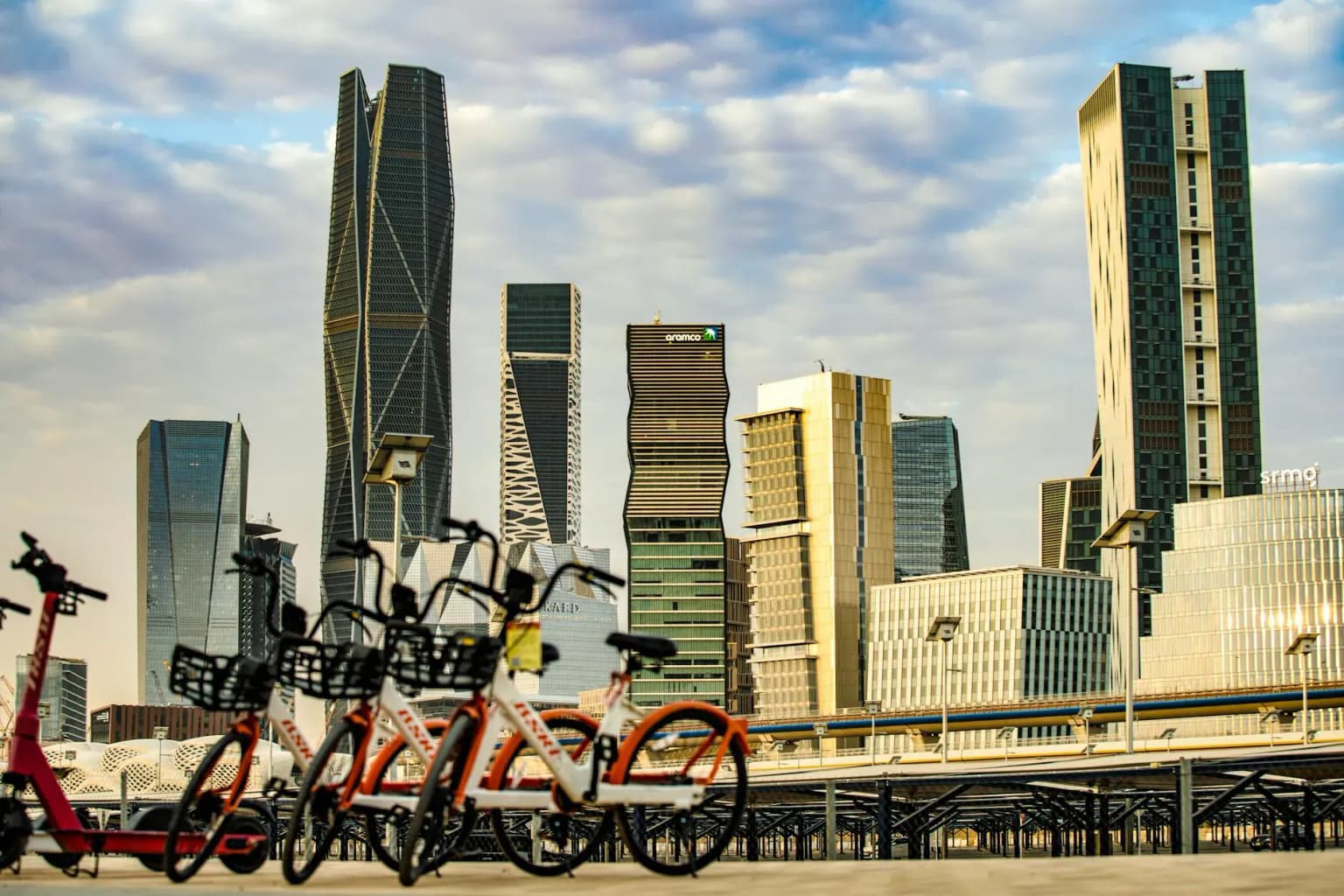
Diriyah (At-Turaif District) · Kingdom Centre Tower · National Museum of Saudi Arabia
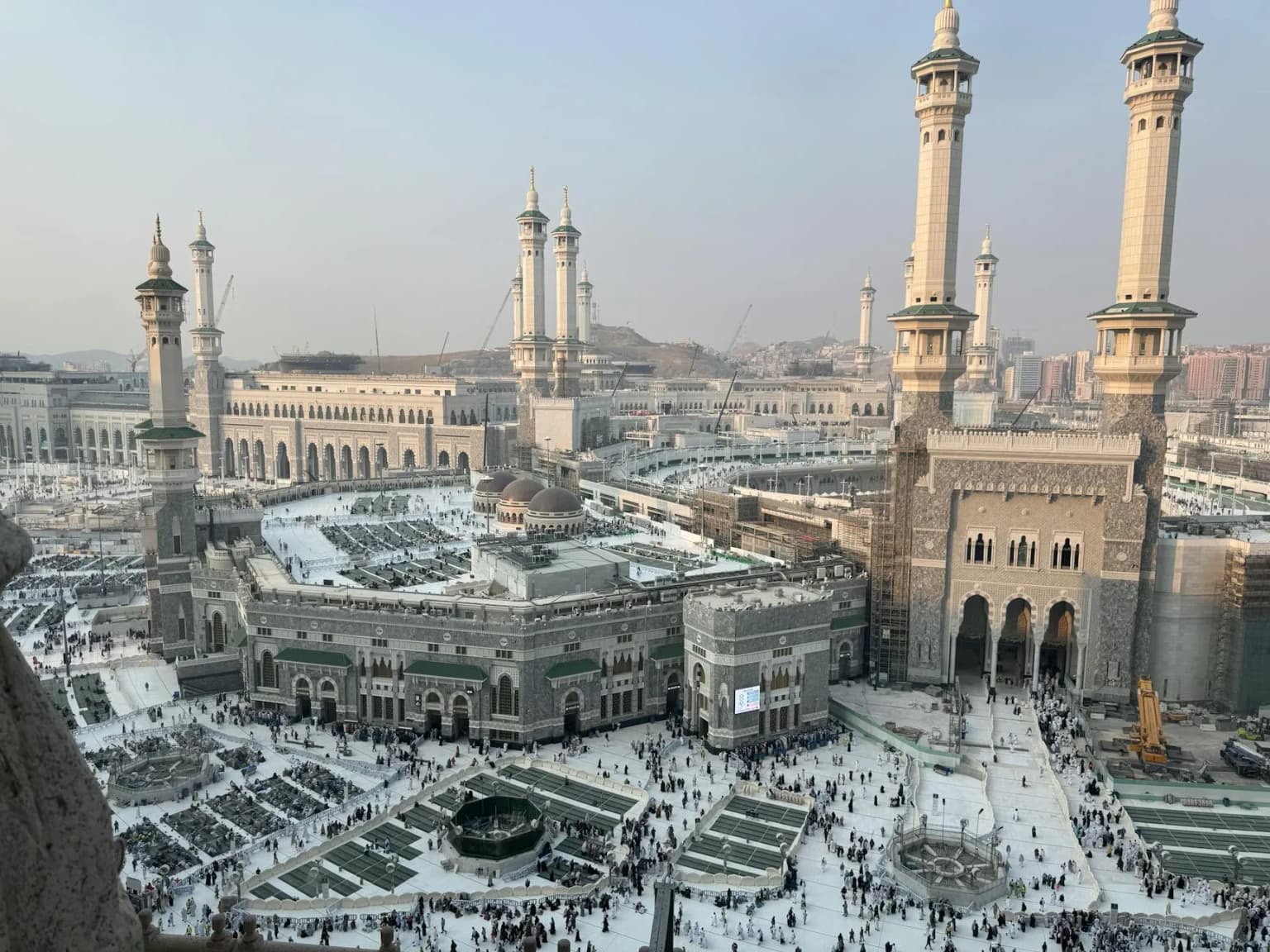
Masjid al-Haram (Grand Mosque) · The Kaaba · Abraj Al-Bait (Makkah Royal Clock Tower)
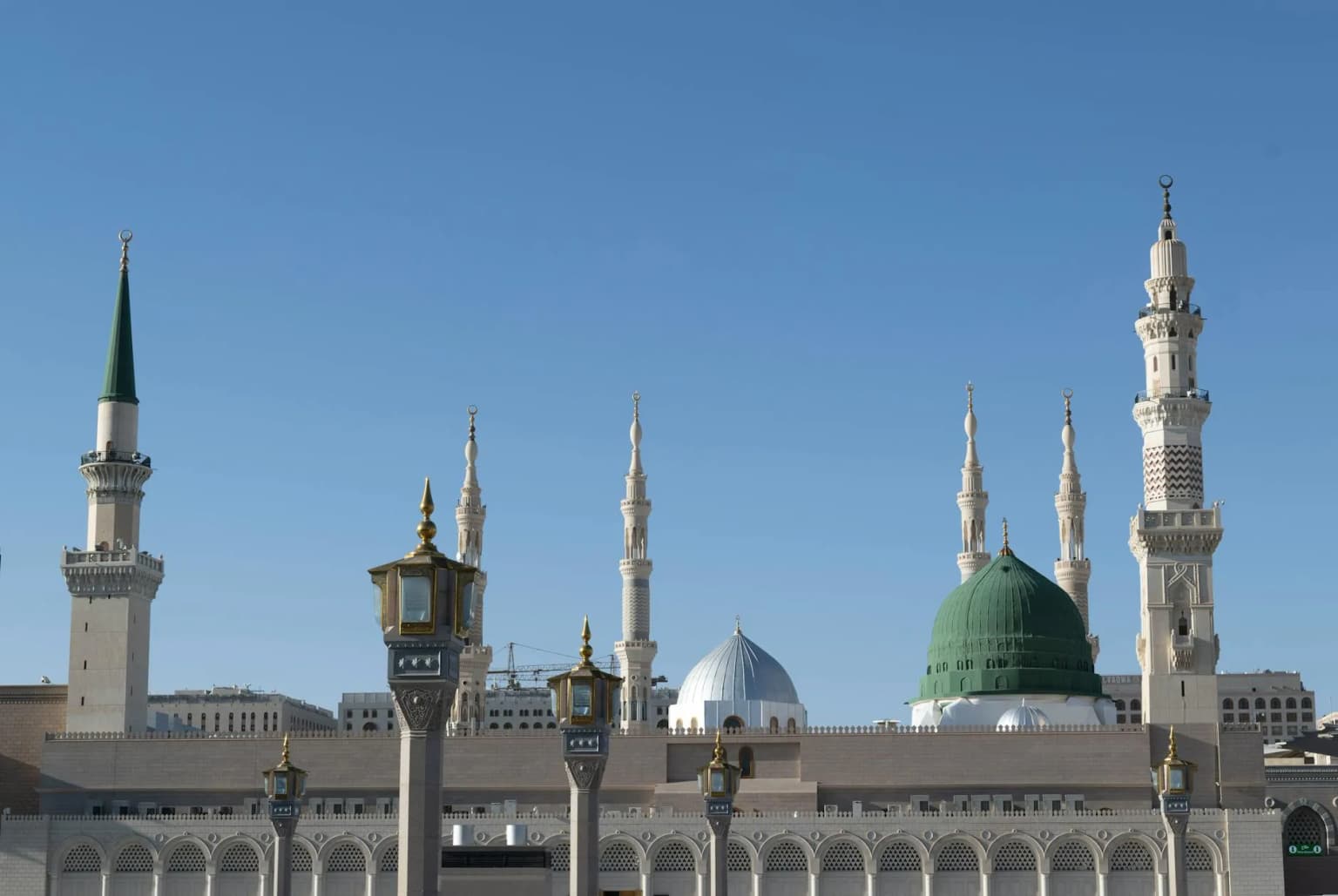
Al-Masjid an-Nabawi (Prophet's Mosque) · Quba Mosque · Mount Uhud
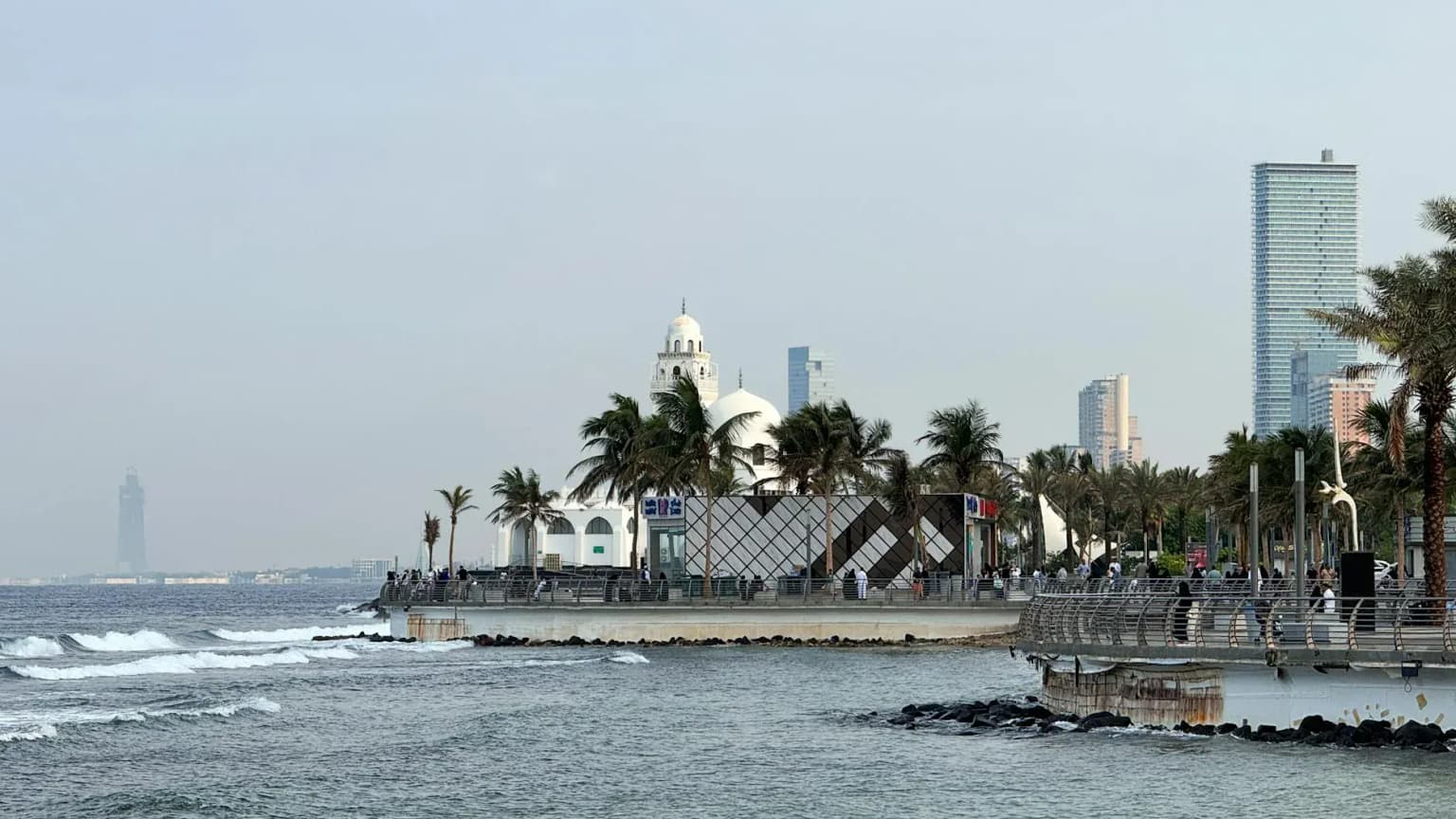
Al-Balad Historic District · King Fahd Fountain · Jeddah Corniche
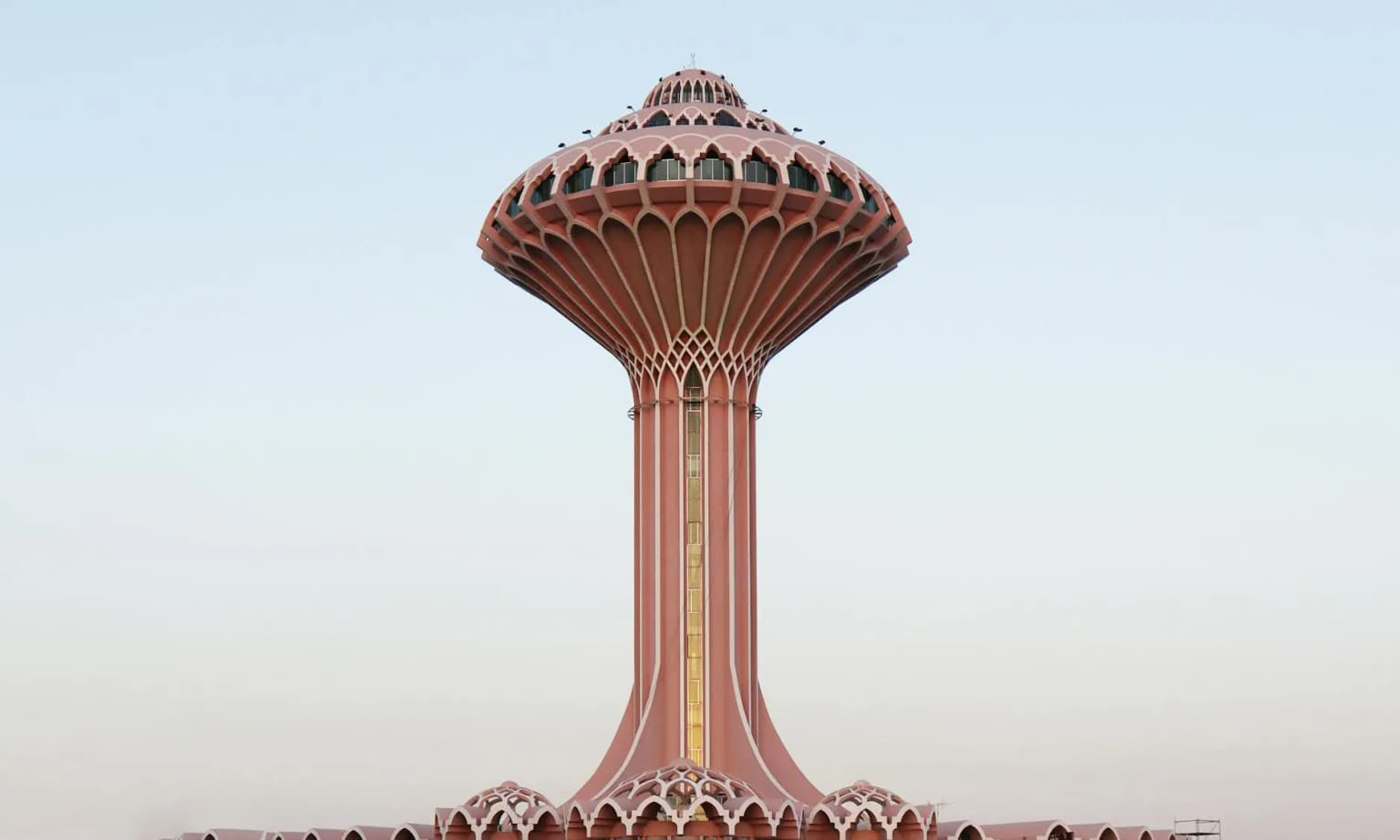
Dammam Corniche · King Abdulaziz Center for World Culture (Ithra) · Half Moon Bay
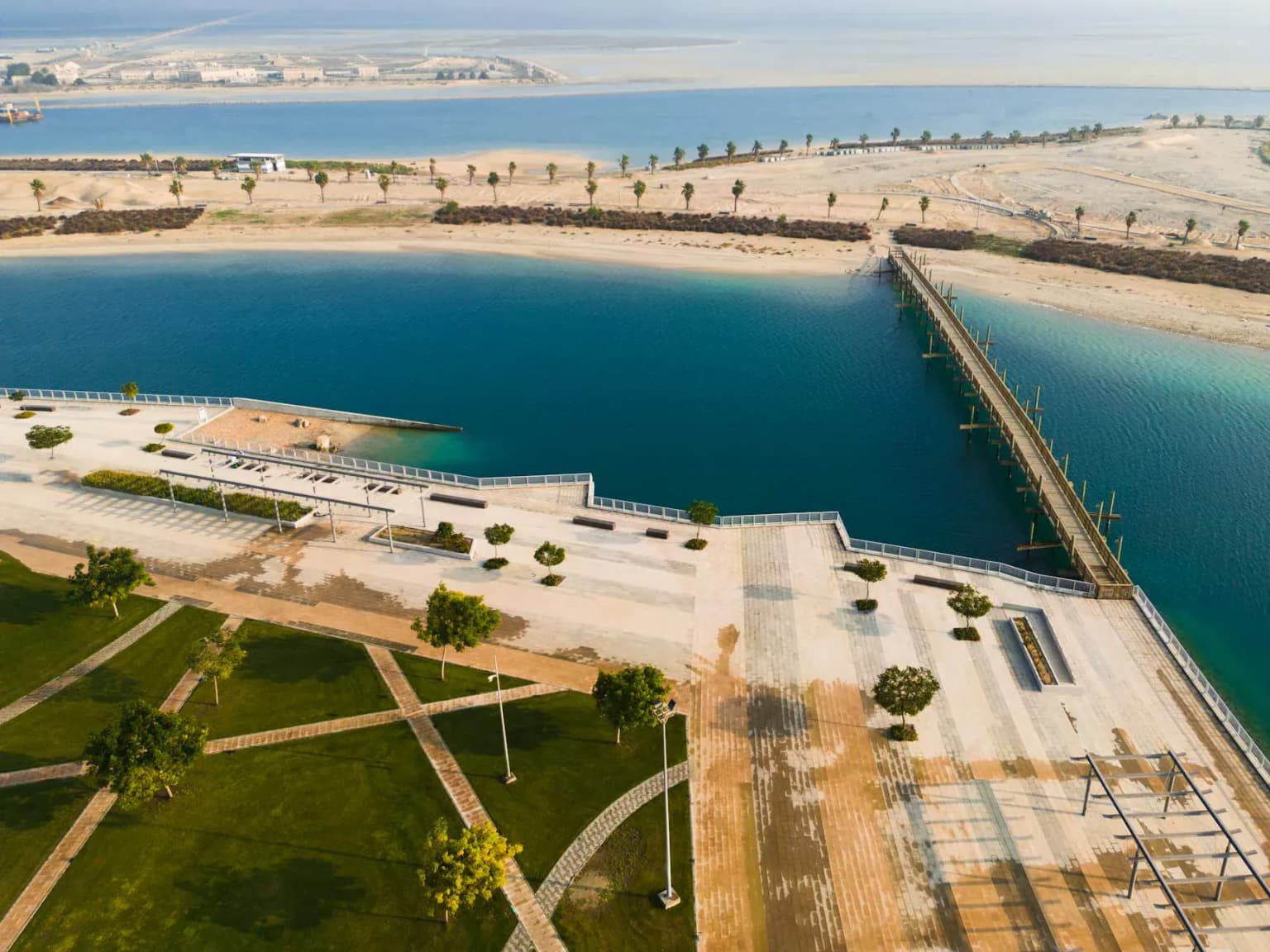
Khobar Corniche · King Fahd Causeway · Sunset Beach
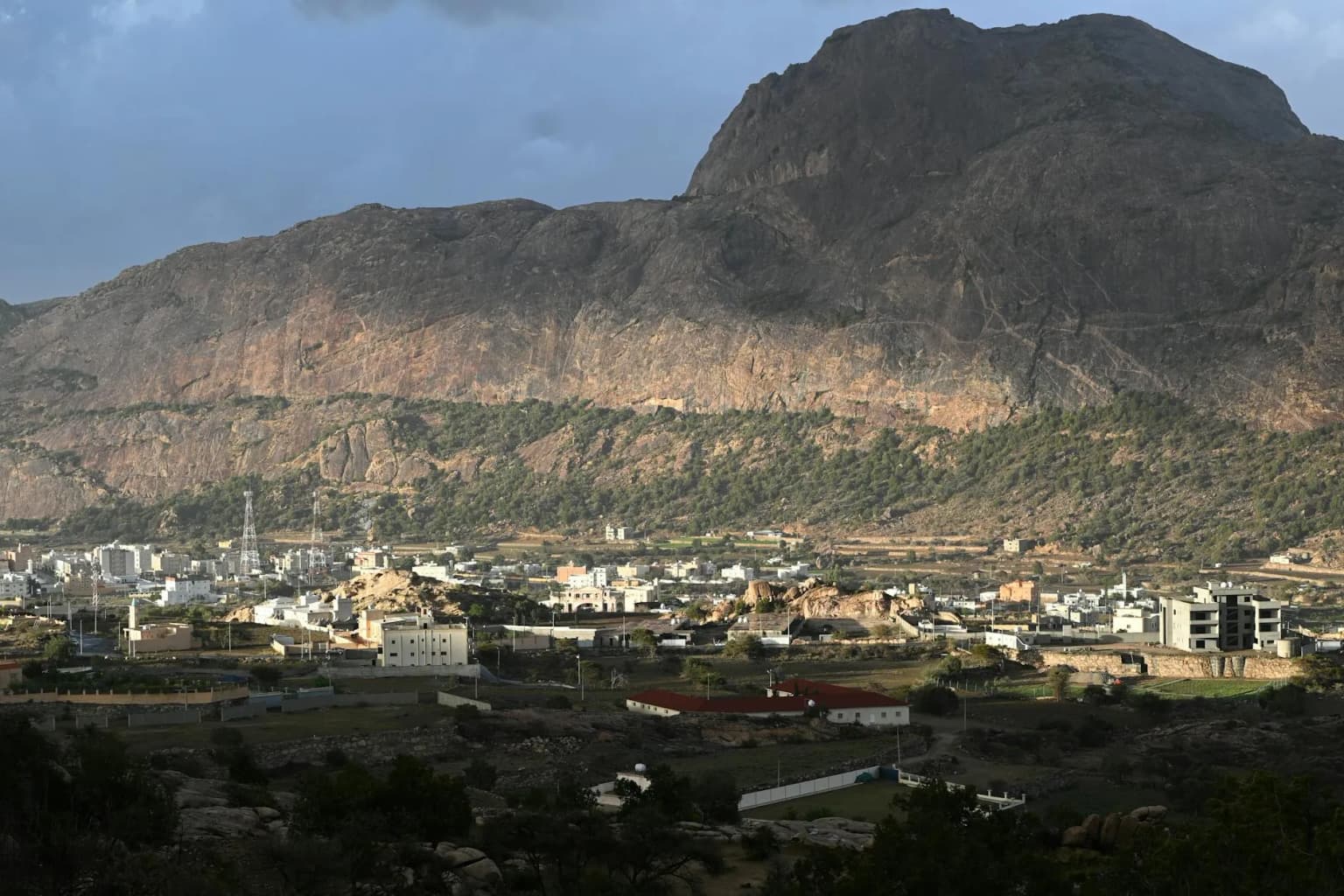
Asir National Park · Green Mountain (Jabal Akhdar) · Habala Village
Taif Rose Farms · Al Shafa Mountain · Al Hada Mountains