Loading city information...
Join our Facebook Group: Join: Expats in Saudi Arabia
Loading city information...
Discover Al Kharj, an agricultural hub south of Riyadh known for its springs, farms, and historic sites.
Al Kharj, located about 48 miles (77 km) south of Riyadh, is one of Saudi Arabia's most important agricultural regions. Known for its natural springs, date farms, and dairy production (it's home to Almarai, one of the world's largest dairy companies), Al Kharj offers a glimpse into Saudi Arabia's agricultural heartland.
Whether you are interested in history, culture, architecture, or simply experiencing authentic Saudi life, Al Kharj offers something for every type of traveler.
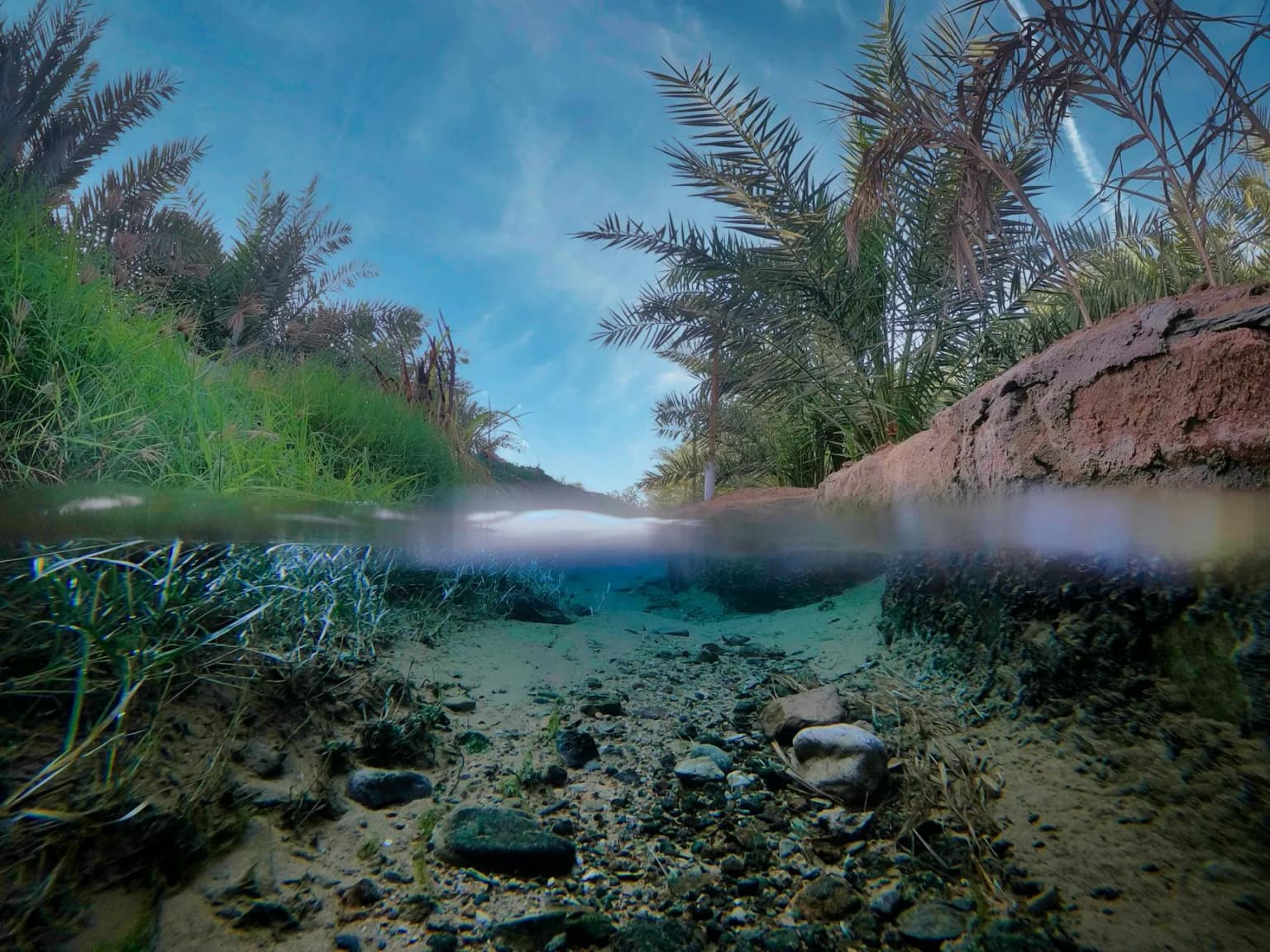
One of Saudi Arabia's most remarkable natural features, the Al Kharj springs are freshwater pools that have sustained agriculture in this region for thousands of years. The turquoise oasis pools sit amid an arid landscape, creating a striking contrast. The springs were historically a vital stop on ancient trade routes and remain an important water source for local farming.
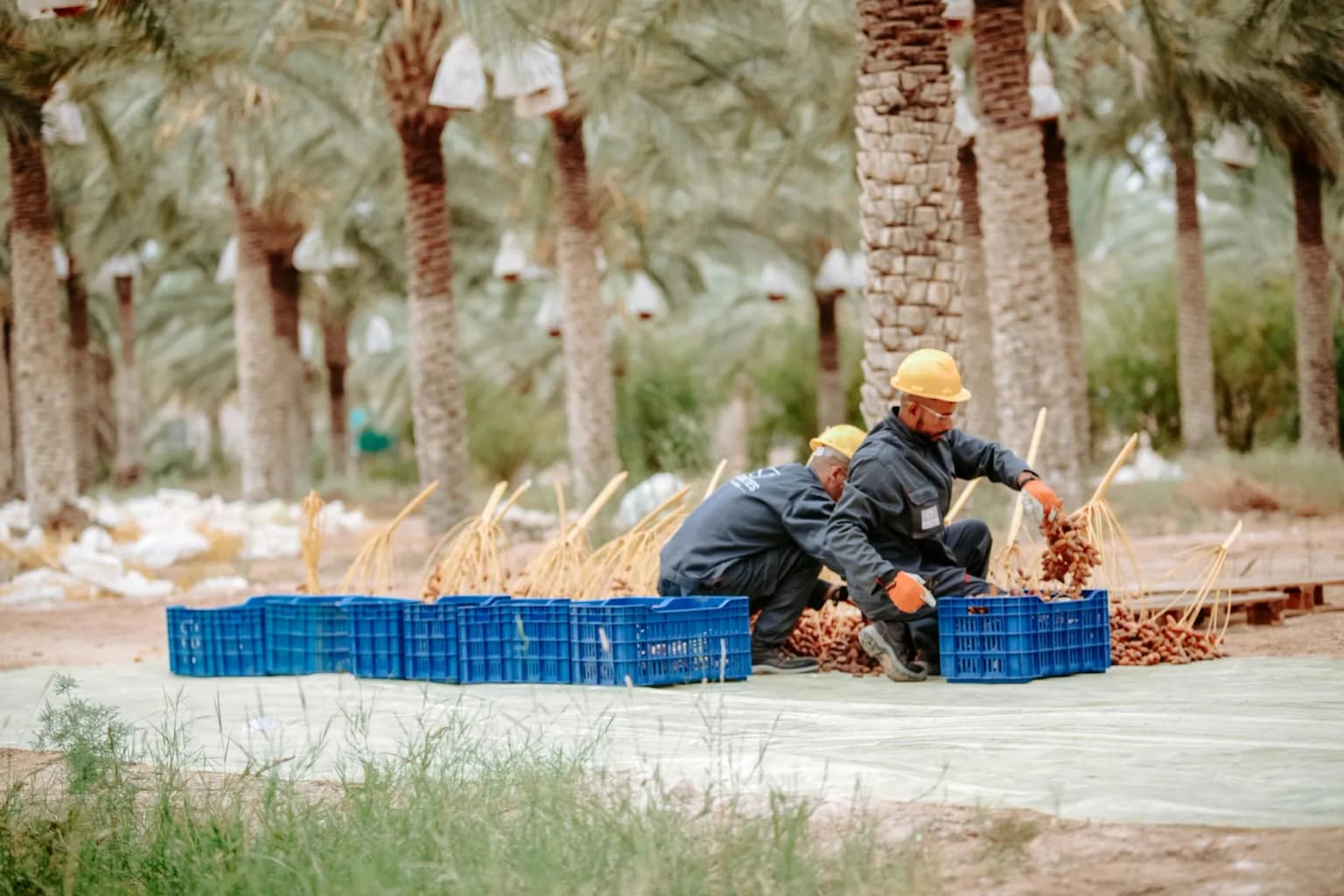
Al Kharj's extensive date palm plantations stretch across the fertile land fed by the region's springs. During harvest season (August to October), visitors can tour working farms, observe traditional and modern harvesting methods, and sample dozens of date varieties straight from the trees. The region produces some of Saudi Arabia's finest Khalas and Sukkari dates.
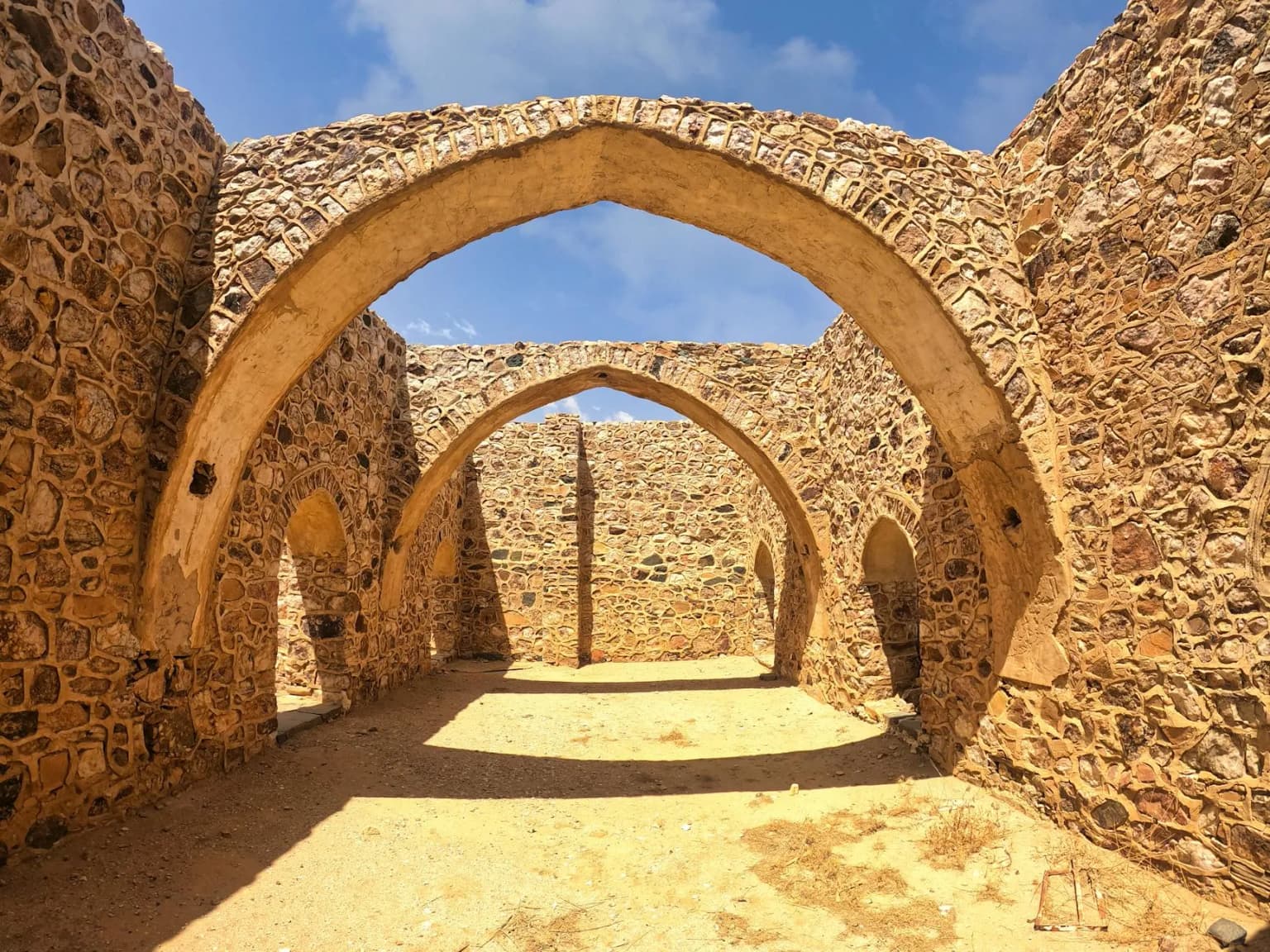
Al Kharj's restored mud-brick forts showcase traditional Najdi defensive architecture. Built centuries ago to protect the agricultural settlements and water sources, these forts feature thick walls, watchtowers, and narrow defensive openings. They offer a tangible connection to the region's history as a strategically important oasis settlement.
Click on a numbered marker to see the attraction name. Numbers correspond to the attraction order below.
Discover and book guided tours, skip-the-line tickets, and unique experiences in Al Kharj.
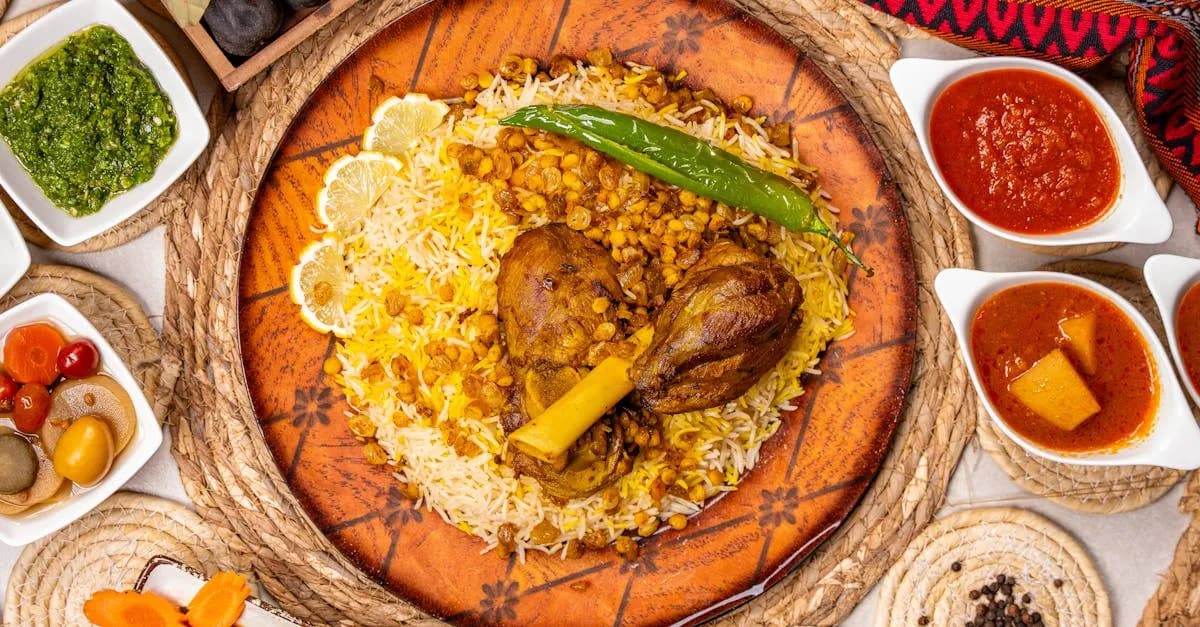
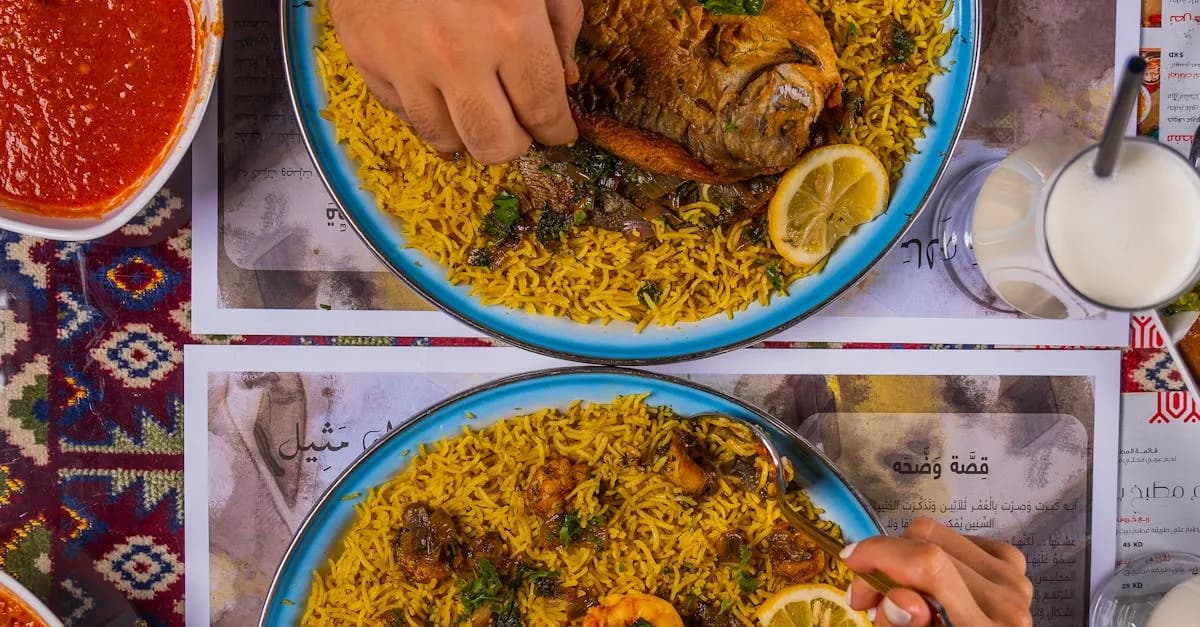
Al Kharj's food scene is defined by its agricultural abundance. As the heartland of Saudi dairy production and surrounded by date palm plantations, the ingredients here are about as fresh and local as you can get in the Kingdom. Dining is simple and traditional - do not expect fine dining restaurants, but do expect honest Najdi cooking with dairy products and dates that taste better here than anywhere else in Saudi Arabia.
Kabsa The quintessential Najdi dish of slow-cooked spiced rice with tender lamb or chicken, prepared here with a focus on fresh local ingredients. Al Kharj's version benefits from the region's high-quality dairy products, often served with rich laban (buttermilk) on the side. A plate typically costs 25-40 SAR.
Fresh Dates with Laban Al Kharj's freshly harvested dates paired with locally produced laban (buttermilk) or fresh milk from the region's dairy farms. Simple but exceptional when the ingredients are this fresh and local. A plate typically costs 10-20 SAR.
Jareesh A traditional crushed wheat porridge slow-cooked with meat and spices until it reaches a creamy consistency. A Najdi comfort food that is hearty and filling, popular with farming families in the region. A plate typically costs 20-35 SAR.
Almarai Fresh Dairy Being at the headquarters of Almarai means access to the freshest dairy products in the Kingdom. Fresh laban, yogurt, and milk taste noticeably different when sourced directly from the local production facilities. A plate typically costs 5-15 SAR.
Al Kharj Traditional Restaurant (Al Kharj center) A simple, family-run establishment serving authentic Najdi kabsa and grilled meats. The lamb kabsa here is cooked slowly with regional spices, and the laban is sourced from local dairies. Expect to pay around 40-80 SAR for two.
Date Farm Cafeterias (Agricultural areas) Several date farms along the main agricultural roads operate small cafeterias during harvest season, serving dates, Arabic coffee, and simple meals. A unique dining experience surrounded by palm groves. Expect to pay around 20-40 SAR.
Highway Restaurants (Riyadh-Al Kharj Highway) The Riyadh-Al Kharj highway has several large roadside restaurants popular with travelers, serving generous portions of kabsa, grilled chicken, and freshly baked bread at reasonable prices. Expect to pay around 30-60 SAR for two.
Al Kharj is a working agricultural town, not a tourist destination. Restaurants are simple and traditional - embrace the no-frills atmosphere.
Buy fresh dates directly from farms during harvest season (August-October) for the best prices and freshest product in all of Saudi Arabia.
Restaurants observe prayer time closures. Plan your meals accordingly, especially during afternoon prayers.
Most dining here is family-style on floor cushions. Remove your shoes before entering the seating area.
Carry cash for small farm stalls and date vendors. Card payment is less common in agricultural areas.
Basic supermarkets including Panda and smaller local shops serve the town. For the freshest produce, buy directly from farm stalls along the agricultural roads. Almarai products are available everywhere at regular retail prices - you will not find them cheaper here than in Riyadh, as pricing is standardized nationwide.
Choosing the right area can make or break your trip. Here is a quick guide to Al Kharj's neighborhoods to help you pick the best base for your visit.
Click on an area for details. Zones are approximate.
| Neighborhood | Price Level | Why Stay Here |
|---|---|---|
| City Center | Low-Medium | Main commercial area with souqs, mosques, and government offices. |
| Al Dilam Road area | Low | Residential area with very affordable housing and growing amenities. |
| Agricultural Zone | Low | Areas near farms with spacious properties, very affordable, rural character. |
| Military Housing Area | Government-provided | Housing area near Prince Sultan Air Base, primarily for military personnel and their families. |
Hotel prices correlate with neighborhood rent levels. For longer stays, consider renting an apartment for better value. Planning to relocate? See our full Al Kharj living guide.
Al Kharj is a small city and a car is essential for getting around. The town itself is compact, but the springs, date farms, and historical sites are spread across the surrounding agricultural landscape. Most visitors come as a day trip from Riyadh, which is just 48 miles (77 km) to the north.
Car rental / private car (100-150 SAR per day rental, fuel ~2.3 SAR/liter) The only practical way to explore Al Kharj and its surrounding attractions. Roads are flat, straight, and well-maintained. A sedan is sufficient for all main roads.
Ride-hailing (limited) (15-30 SAR within town) Uber and Careem have very limited availability in Al Kharj. You may find a ride in the town center, but do not rely on these apps for reaching farms or springs.
Day trip from Riyadh (Fuel only if driving your own car) Most visitors drive from Riyadh via the well-maintained Route 65. The 48-mile (77 km) drive takes about one hour and passes through open desert before reaching Al Kharj's green agricultural zone.
Al Kharj does not have a commercial airport. The nearest airport is King Khalid International Airport (RUH) in Riyadh, approximately 62 miles (100 km) to the north. From Riyadh airport, Al Kharj is about a 1.5-hour drive. Arrange car rental at Riyadh airport if planning to visit Al Kharj independently.
The drive from Riyadh to Al Kharj is straightforward on a divided highway. Within Al Kharj, roads to farms and springs can be narrow and unpaved in places. Watch for slow-moving agricultural vehicles and livestock on rural roads. GPS navigation is helpful as some farm roads lack clear signage.
Useful apps: Google Maps, Waze, Uber, Careem.
Al Kharj's proximity to Riyadh means the capital's extensive attractions are easily accessible for day trips. In the other direction, the open desert offers adventure activities among dramatic red sand dunes. Most visitors to Al Kharj combine it as a day trip from Riyadh rather than using it as a base.
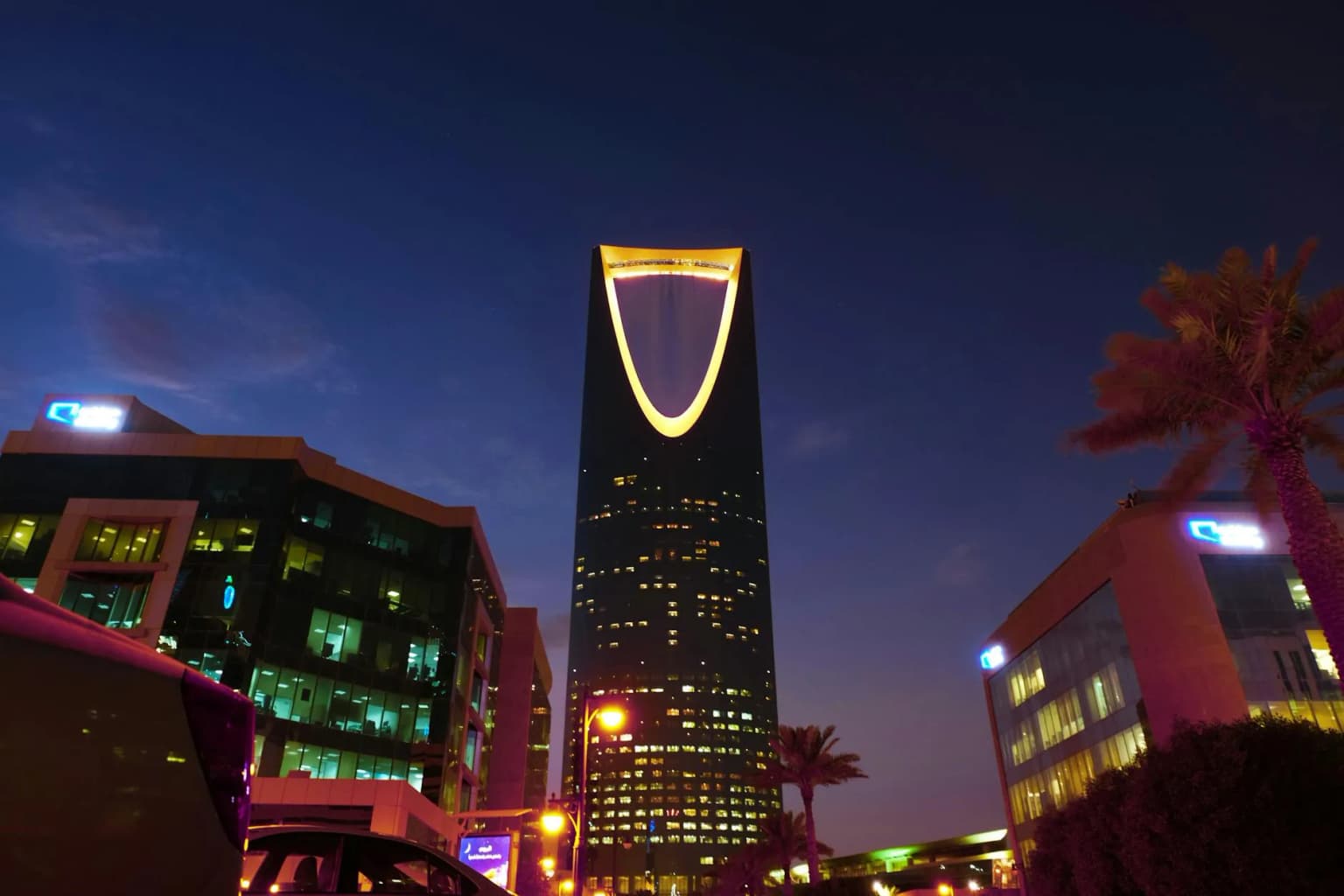
Saudi Arabia's capital city offers world-class attractions including the National Museum, Diriyah UNESCO site, and modern entertainment districts. Al Kharj residents regularly commute to Riyadh for shopping, dining, and cultural activities.

The spectacular red sand dunes southeast of Riyadh are a popular desert adventure destination accessible from Al Kharj. Dune bashing, sandboarding, and sunset photography draw both locals and tourists to these striking crimson formations.
Viewing the Al Kharj Springs from the surrounding pathways is free and offers a peaceful look at this ancient natural water source.
Walking through date farm areas during harvest season costs nothing, though ask permission before entering private property. Farmers are often happy to share samples.
The exteriors of the restored historical forts can be viewed and photographed without charge.
The desert landscape surrounding Al Kharj offers open views and a sense of the vast Arabian terrain, accessible from any roadside pull-off.
Browsing the old souq and watching the daily commerce of an agricultural town is a free cultural experience.
Al Kharj is home to Almarai, the world's largest integrated dairy company, which was founded here in 1977 and now operates across the Middle East and North Africa.
The Al Kharj springs have sustained continuous agriculture in this area for thousands of years, making it one of the oldest farming regions on the Arabian Peninsula.
During World War II, the United States operated a military airfield near Al Kharj, which played a role in Allied operations in the region.
Despite being in one of the world's most arid environments, Al Kharj produces enormous quantities of dates, dairy products, and other agricultural goods thanks to its underground water resources.
The name "Al Kharj" derives from a word related to valley outlets, referencing the natural water channels that made this oasis possible.
Popular souvenirs from Al Kharj include: Fresh dates in bulk are the signature purchase from Al Kharj, with Khalas and Sukkari varieties available at farm-direct prices that are often better than what you will find in Riyadh., Almarai dairy products, while available nationwide, have a certain authenticity when purchased from the company's hometown., Local honey from desert wildflowers is available from farm stalls and souq vendors, offering a taste of the agricultural region's natural bounty..
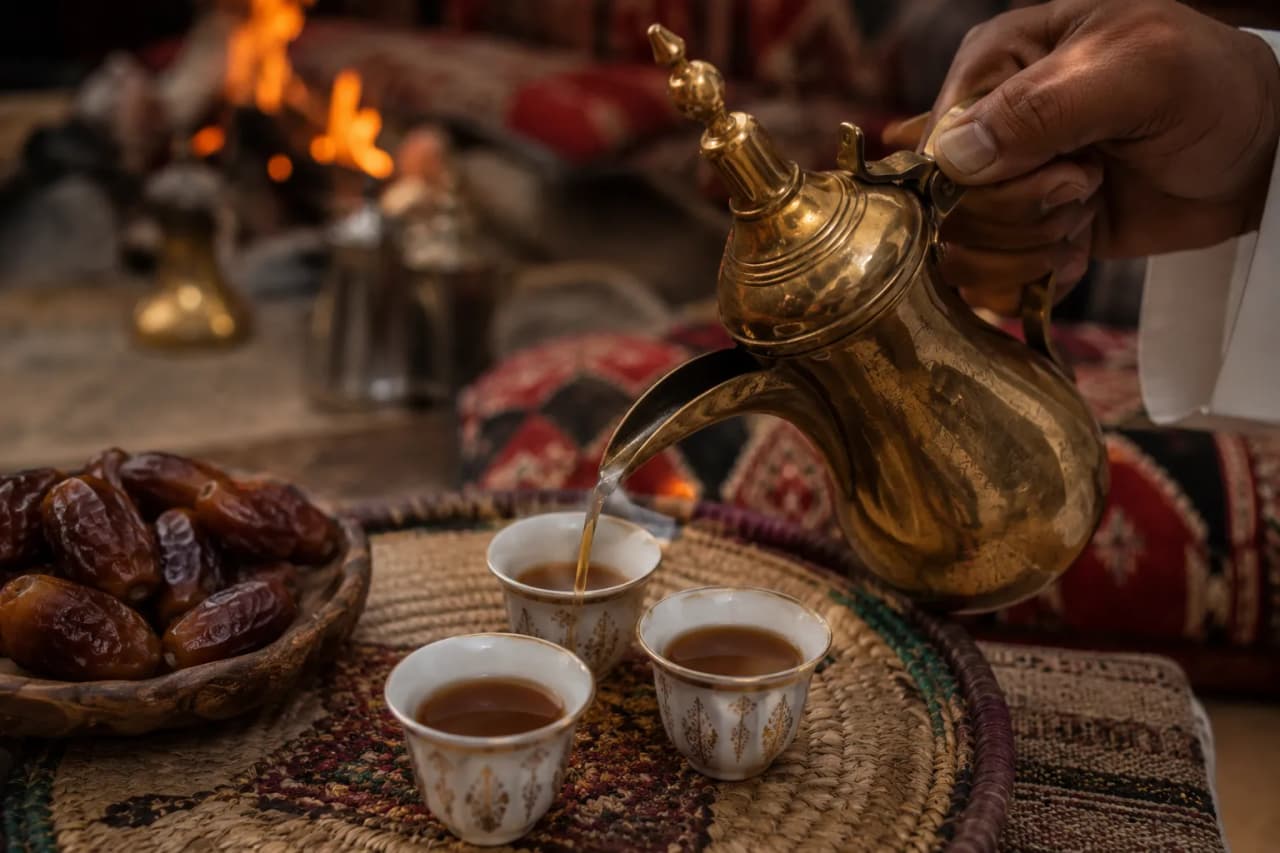
Saudi Arabian culture emphasizes hospitality, respect, and traditional values. Greet people with "As-salamu alaykum" (Peace be upon you) and accept the response "Wa alaykum as-salam." When offered Arabic coffee (qahwa) and dates, it is customary to accept at least one cup. Shake the cup gently when you have had enough.
Al Kharj has a welcoming atmosphere that balances traditional Saudi values with modern openness to visitors. The city offers a range of cultural experiences from traditional souqs to modern entertainment venues.
Al Kharj retains a traditional Najdi character with deep agricultural roots. The city is known for its date festivals, traditional souqs, and the heritage of desert oasis farming. Local life revolves around agriculture, family, and community, with a conservative and close-knit social environment.
Dress modestly in public, especially when visiting mosques and traditional areas. Women are no longer required to wear an abaya but should dress conservatively. During Ramadan, eating, drinking, and smoking in public during daylight hours should be avoided out of respect. Friday is the main day of worship, and many businesses close during Friday prayer.
Staying connected in Al Kharj is easy. Saudi Arabia has excellent 4G and 5G coverage throughout the Kingdom. Free WiFi is available in most hotels, malls, and many restaurants. For mobile data, consider getting a local SIM card from STC, Mobily, or Zain at the airport or any mobile shop - prepaid plans with generous data allowances are affordable. Alternatively, use an eSIM from providers like Airalo or Holafly for seamless connectivity.
The official language is Arabic, but English is widely spoken in hotels, restaurants, malls, and tourist areas. Most signage is in both Arabic and English. Useful Arabic phrases: "Shukran" (Thank you), "Min fadlak" (Please), "La" (No), "Na'am" (Yes). Google Translate works well for Arabic. For emergencies, dial 911 for police, 997 for fire, 998 for ambulance, or 999 for traffic police.
Many visitors fall in love with Al Kharj and decide to make it their home. If you are considering the move, here are the essential resources.
Cost of living, neighborhoods, job market, and expat community guide for Al Kharj.
Step-by-step guide to renting in Saudi Arabia - where to search, what to expect, and how to avoid scams.
Compare Saudi banks, required documents, and how to open an account as a foreigner.
With its rich heritage, stunning landscapes, and warm hospitality, Al Kharj offers an unforgettable Saudi experience.
Discover more amazing destinations across Saudi Arabia. Each city offers unique experiences, rich heritage, and unforgettable attractions.
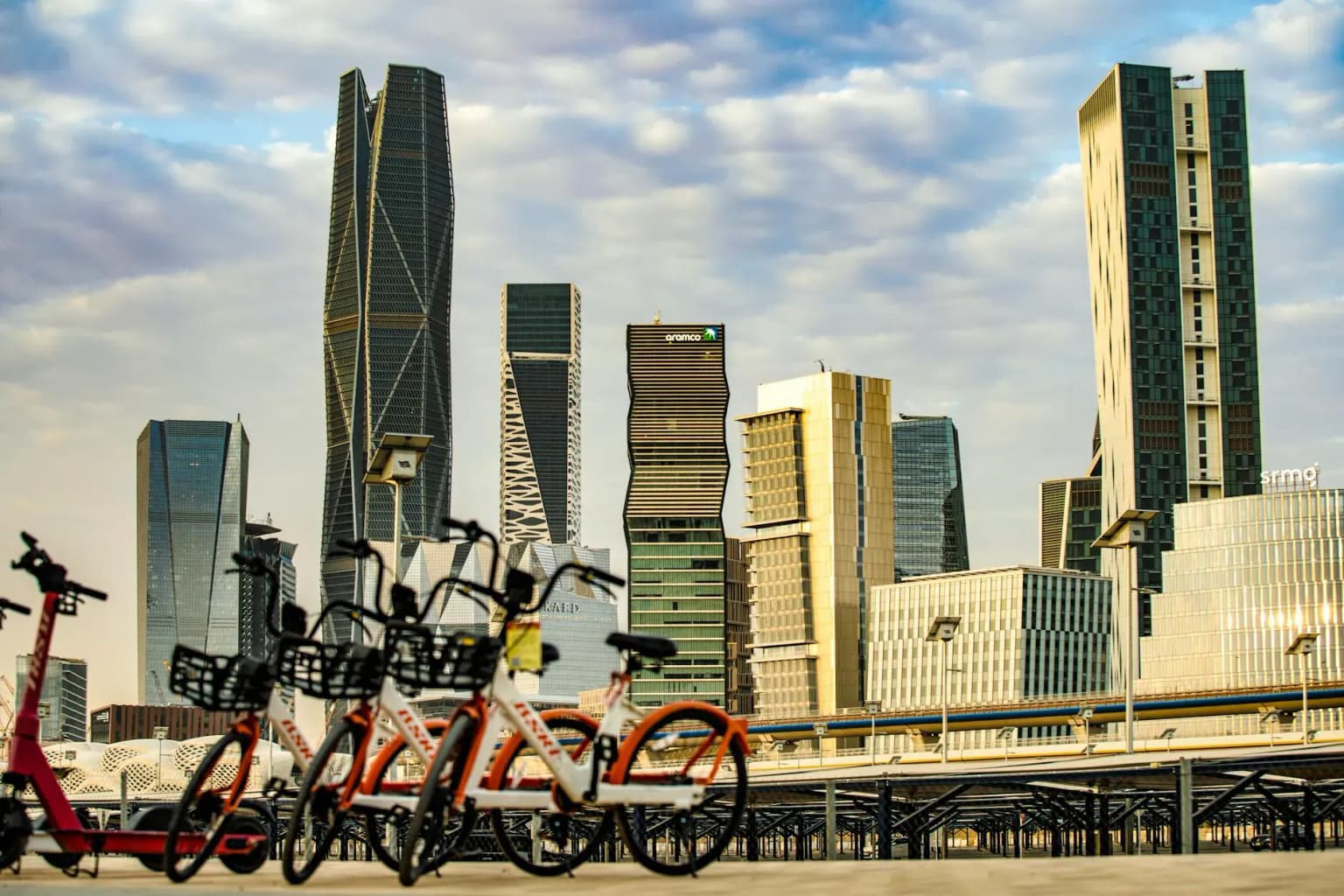
Diriyah (At-Turaif District) · Kingdom Centre Tower · National Museum of Saudi Arabia
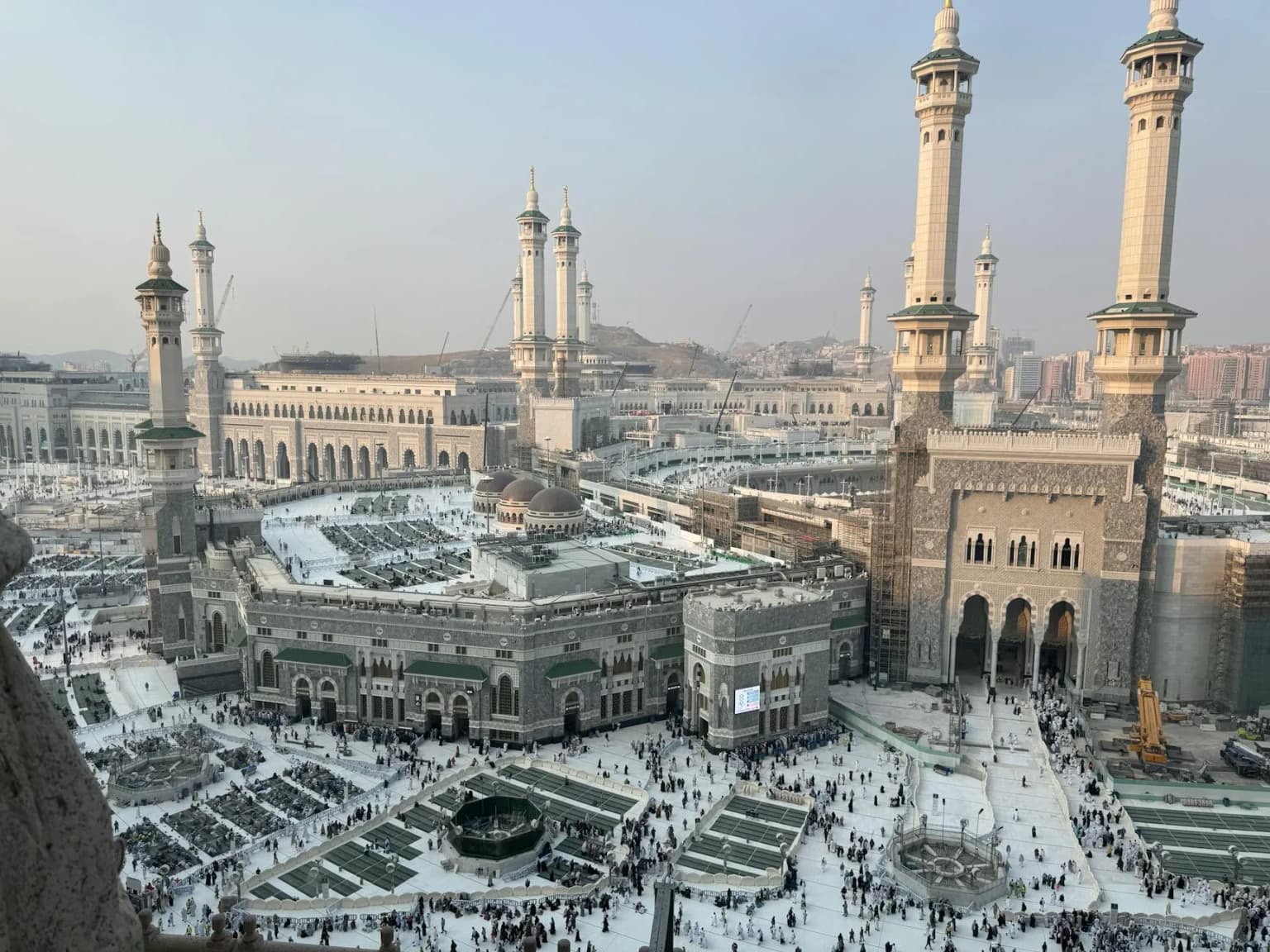
Masjid al-Haram (Grand Mosque) · The Kaaba · Abraj Al-Bait (Makkah Royal Clock Tower)
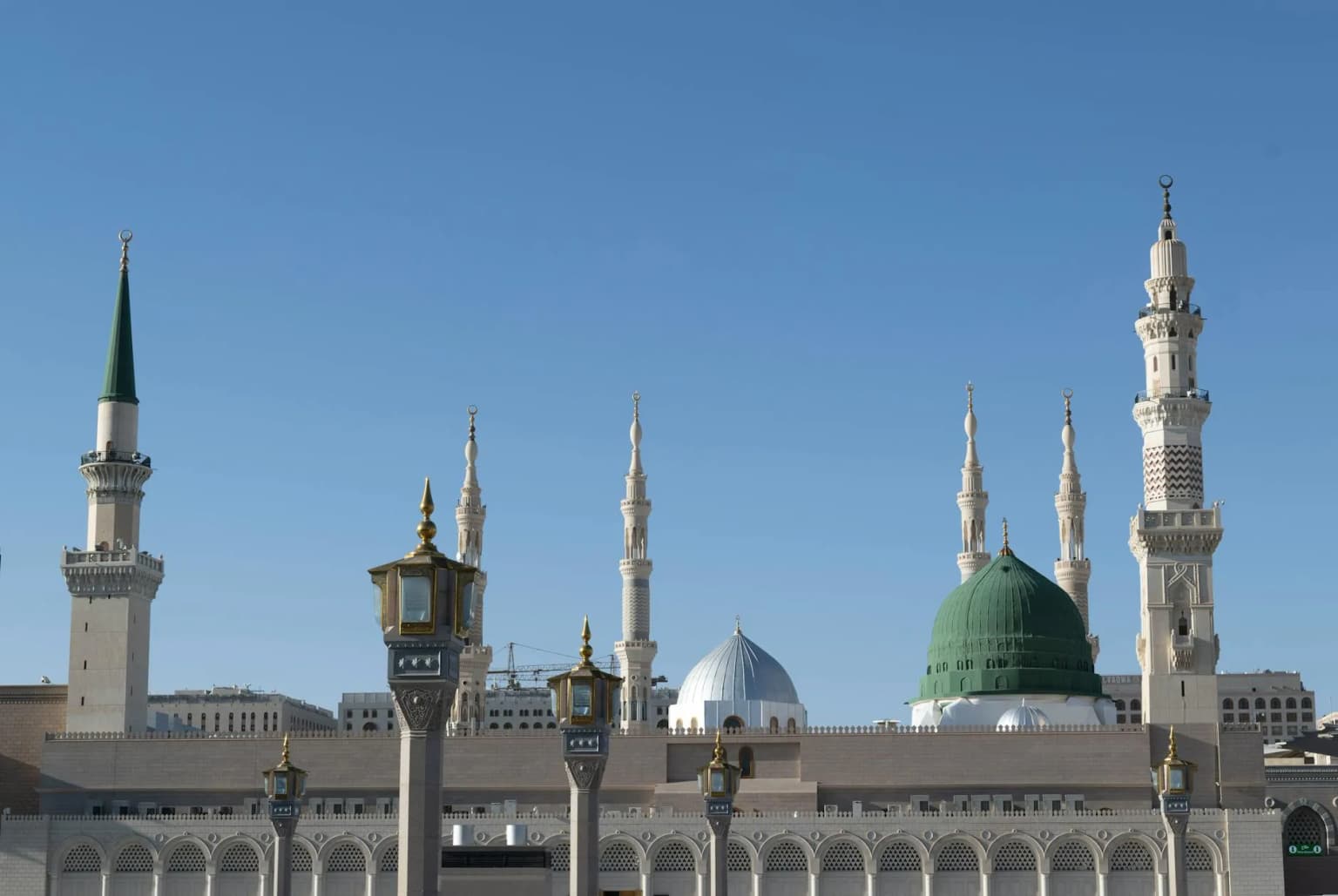
Al-Masjid an-Nabawi (Prophet's Mosque) · Quba Mosque · Mount Uhud
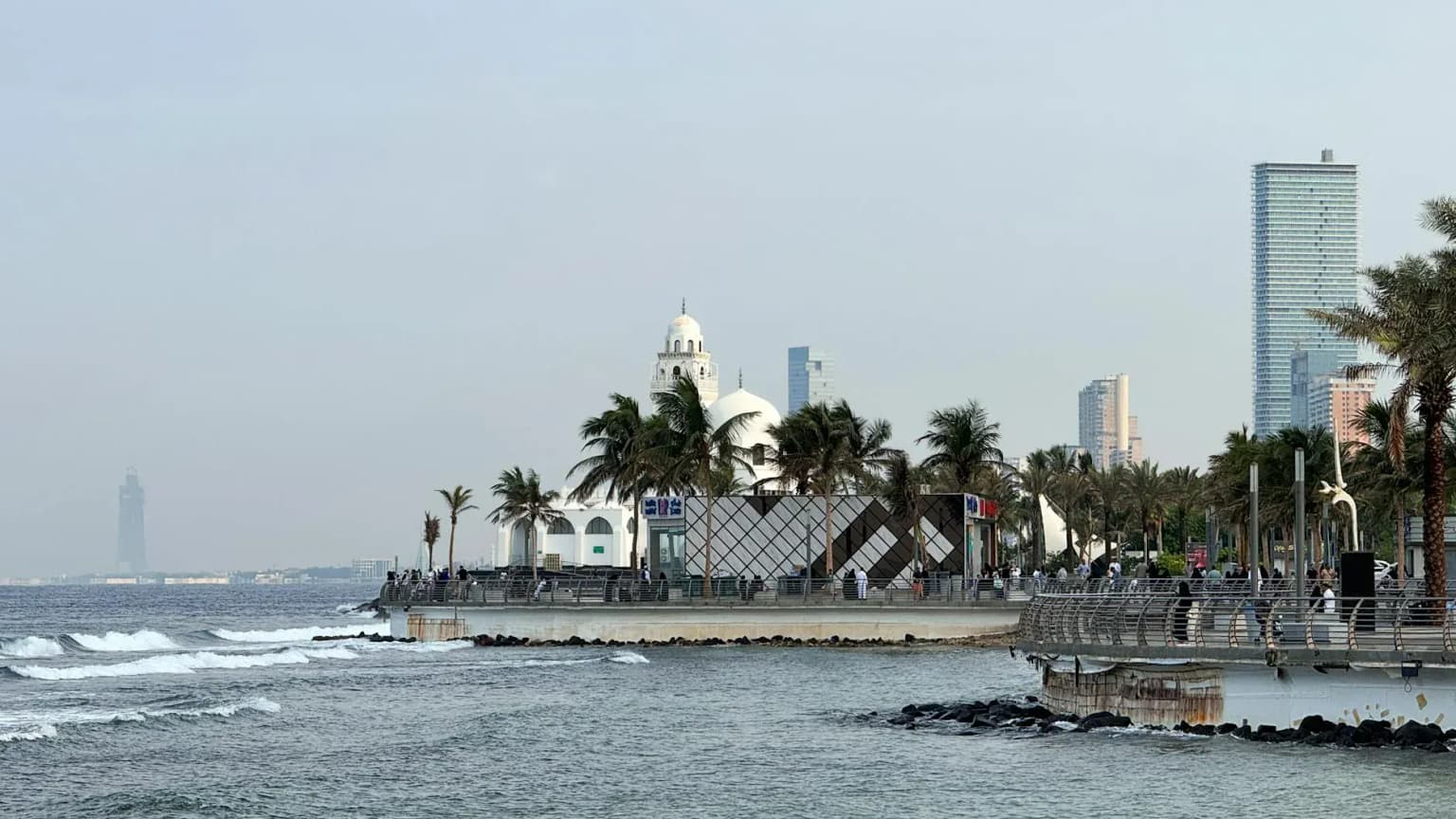
Al-Balad Historic District · King Fahd Fountain · Jeddah Corniche
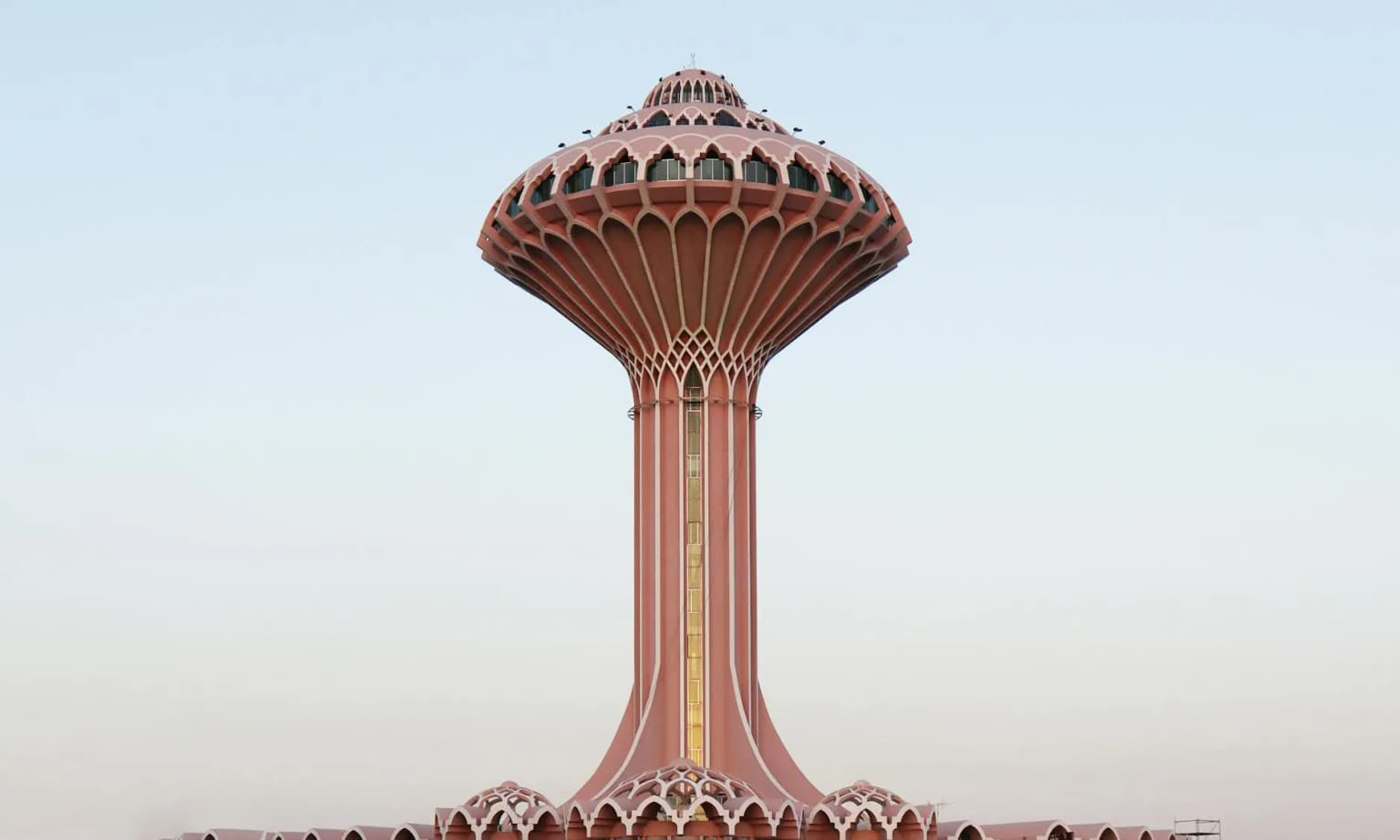
Dammam Corniche · King Abdulaziz Center for World Culture (Ithra) · Half Moon Bay
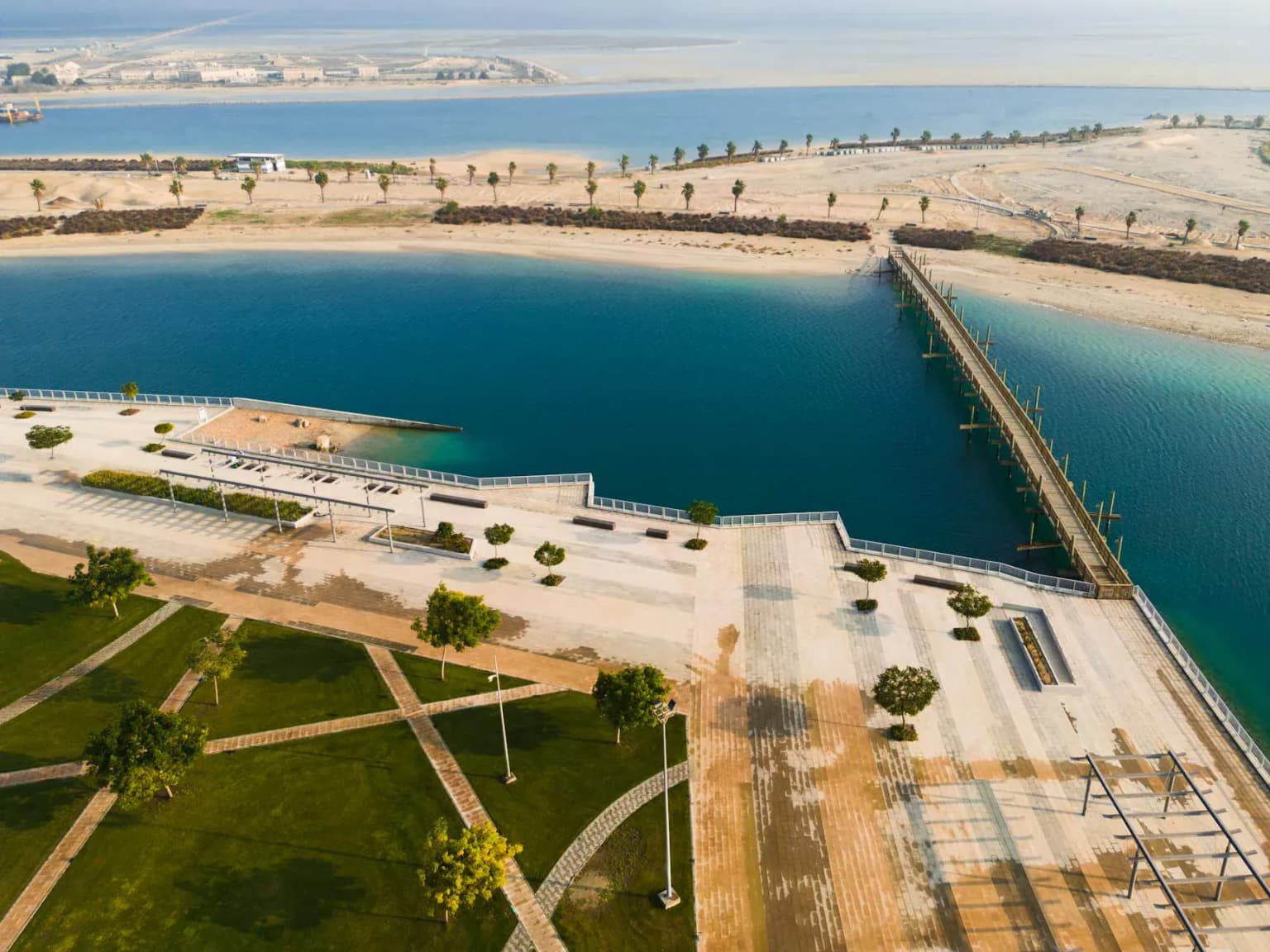
Khobar Corniche · King Fahd Causeway · Sunset Beach
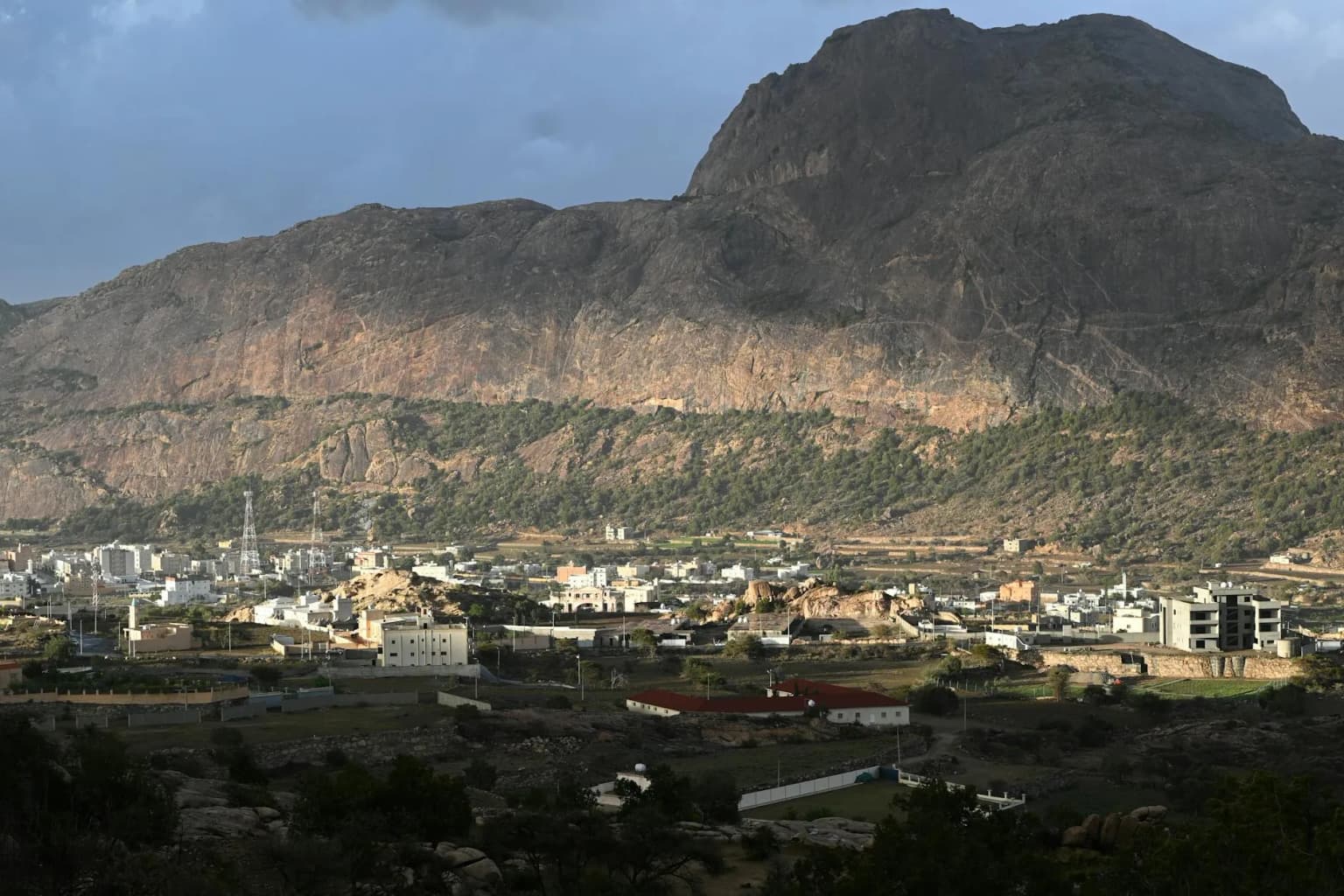
Asir National Park · Green Mountain (Jabal Akhdar) · Habala Village
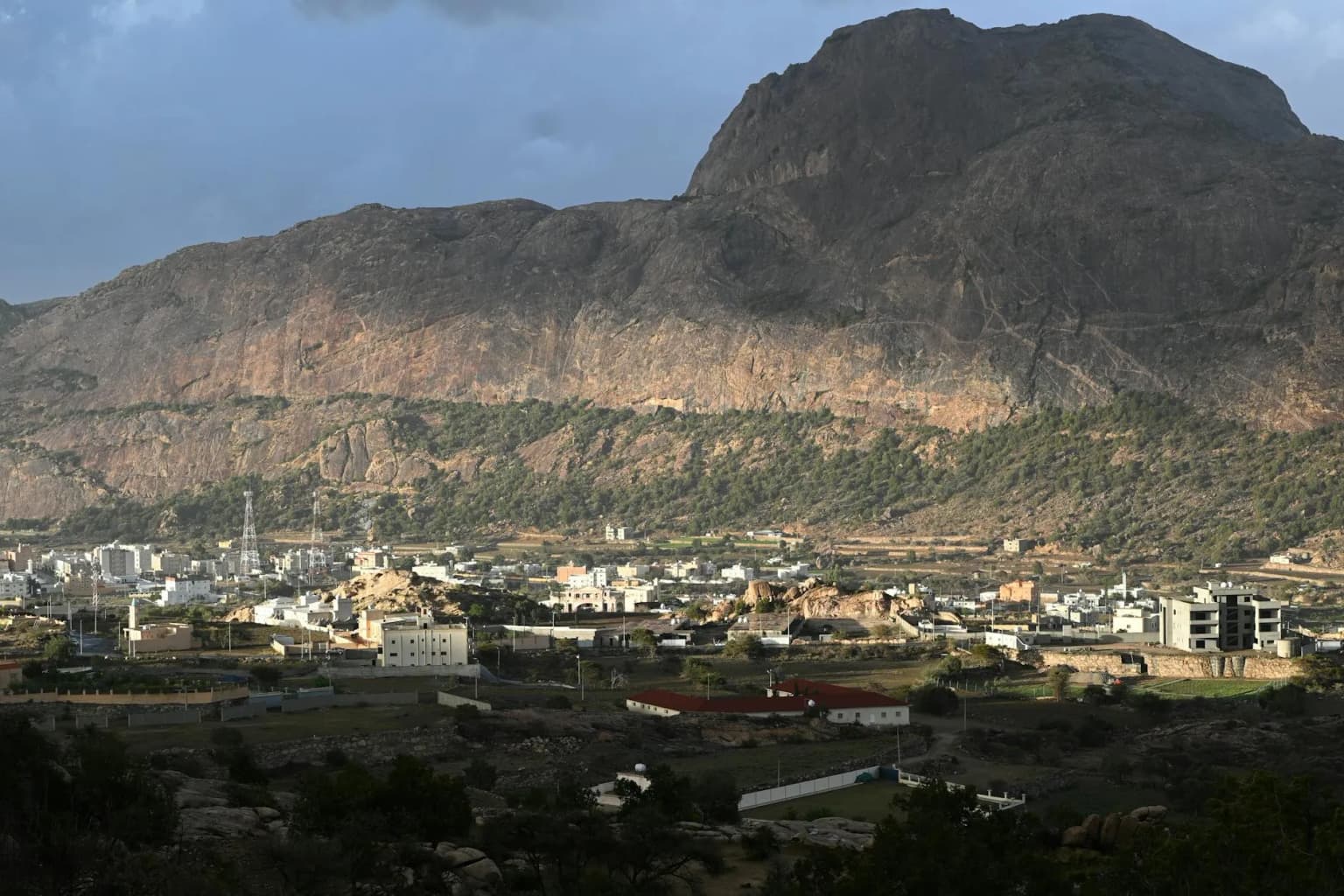
Taif Rose Farms · Al Shafa Mountain · Al Hada Mountains