
About Mecca
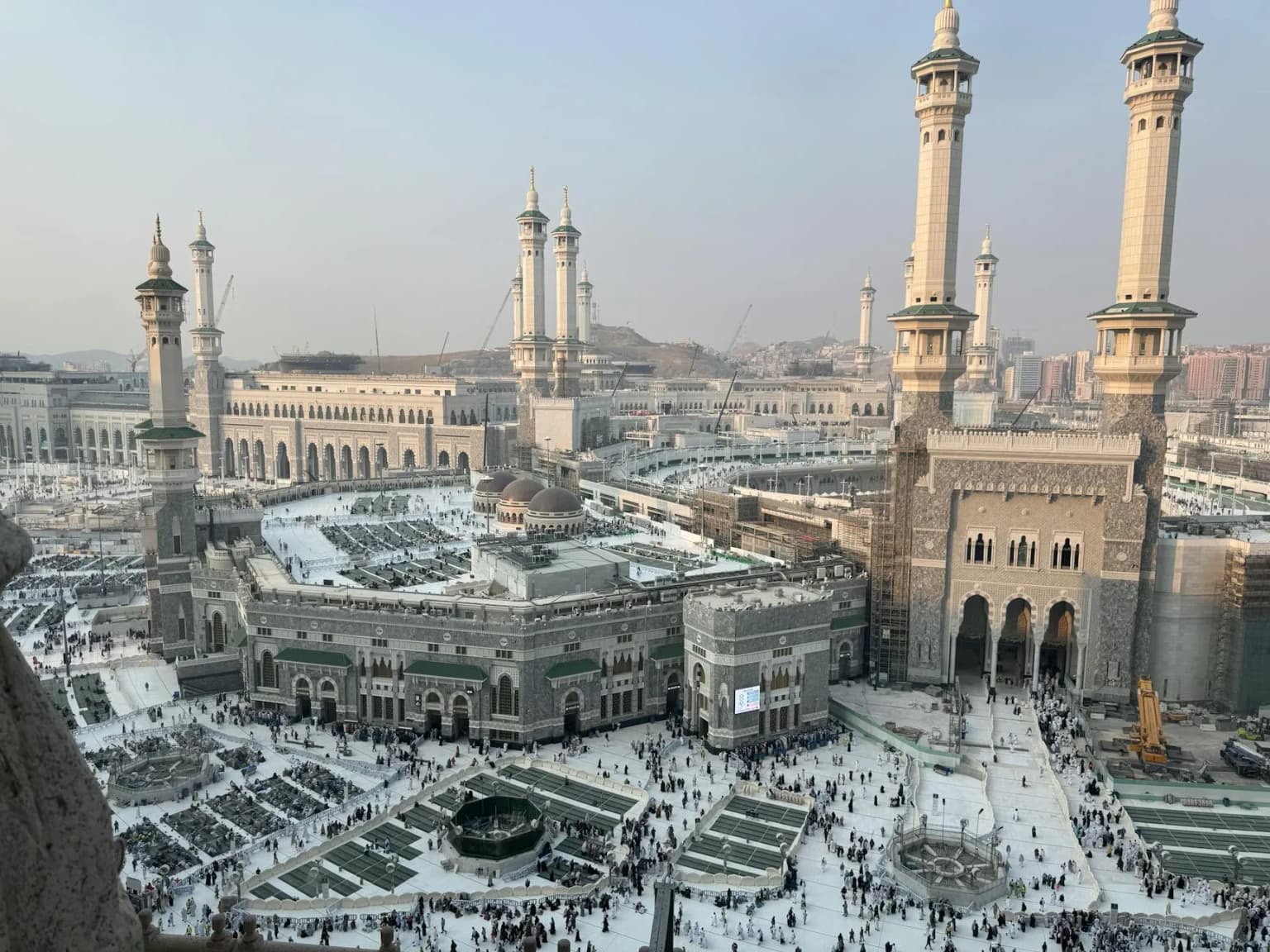
Mecca (Makkah Al-Mukarramah) is the spiritual heart of Islam, home to the Grand Mosque (Masjid al-Haram) and the Kaaba, the most sacred site in the Muslim world. The city's entire economy revolves around religious tourism, welcoming over 15 million Hajj and Umrah pilgrims annually. Non-Muslims are prohibited from entering the city. Mecca has undergone massive expansion projects, including the Abraj Al-Bait clock tower complex and expansion of the Grand Mosque, to accommodate growing pilgrim numbers. Employment opportunities center on hospitality, religious services, and infrastructure.
The holiest city in Islam and birthplace of the Prophet Muhammad, Mecca draws millions of Muslim pilgrims annually for Hajj and Umrah. Entry is restricted to Muslims only.
Located in Makkah Region, Mecca is home to 2.0 million residents. The local economy runs on religious tourism (hajj & umrah), hospitality & hotels, real estate development, retail & commerce, food & catering services, construction, and the city has become a draw for international professionals looking for tax-free salaries and a growing quality of life. The expat community here numbers around ~500,000 expats (Muslim workers only) people, primarily from Pakistani, Indian, Egyptian, Bangladeshi.
For expats considering a move, Mecca has clear upsides. Spiritual significance as the holiest city in Islam. Strong demand for hospitality and service sector workers. High-quality hotel and accommodation infrastructure. The flip side is worth knowing too: Non-Muslims are not permitted to enter the city. Extreme heat, especially during summer months. None of this is a dealbreaker, but it helps to go in with realistic expectations. If you are in the early stages of planning, start with our guide to moving to Saudi Arabia and check the visa requirements for your nationality.
Things to Do in Mecca
Mecca (Makkah al-Mukarramah) is the holiest city in Islam and the birthplace of Prophet Muhammad. Every year, millions of Muslims from around the world travel here to perform Hajj and Umrah pilgrimages. The city is centered around the Masjid al-Haram, which houses the Kaaba, Islam's most sacred structure. Please note that entry to Mecca is restricted to Muslims only.
Sacred Site
Masjid al-Haram (Grand Mosque)
The largest mosque in the world and the holiest site in Islam, encompassing the Kaaba at its center. The mosque can accommodate over two million worshippers during Hajj and has been expanded many times throughout history to serve the ever-growing number of pilgrims.
Hours: Open 24/7. Tickets: Free. Tip: Visit for Tawaf during late night or early Fajr hours when crowds are thinnest. Upper floors offer more space during peak times.
Sacred Site
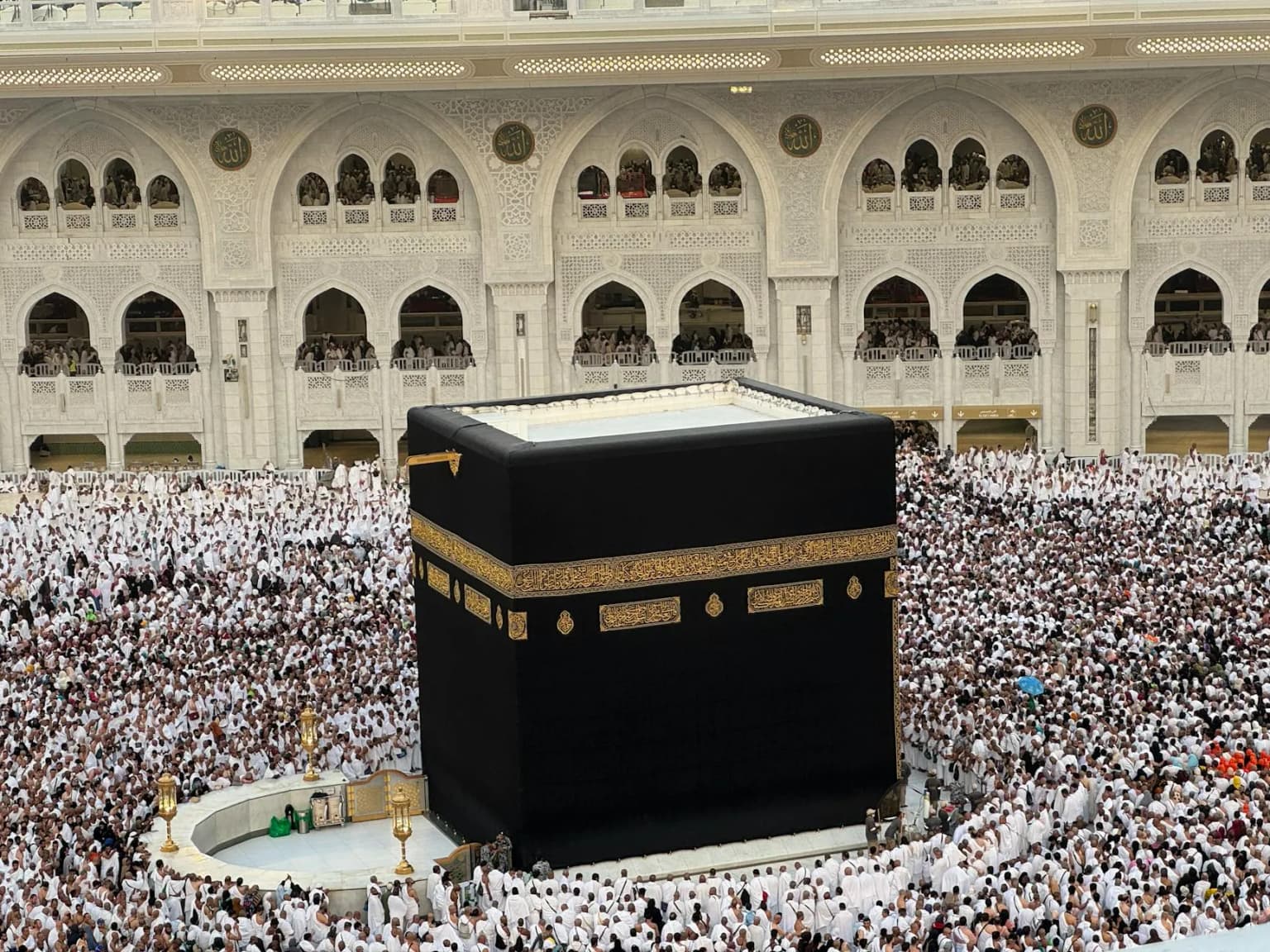
The Kaaba
The most sacred structure in Islam, the Kaaba is a cube-shaped building at the center of Masjid al-Haram. Muslims around the world face its direction (Qibla) during daily prayers. Pilgrims perform Tawaf by circling the Kaaba seven times counter-clockwise as an act of worship.
Hours: Open 24/7. Tickets: Free. Tip: The Black Stone (Hajar al-Aswad) is embedded in the eastern corner. Touching or kissing it is Sunnah but not obligatory; pointing toward it from a distance is equally accepted.
Modern Landmark
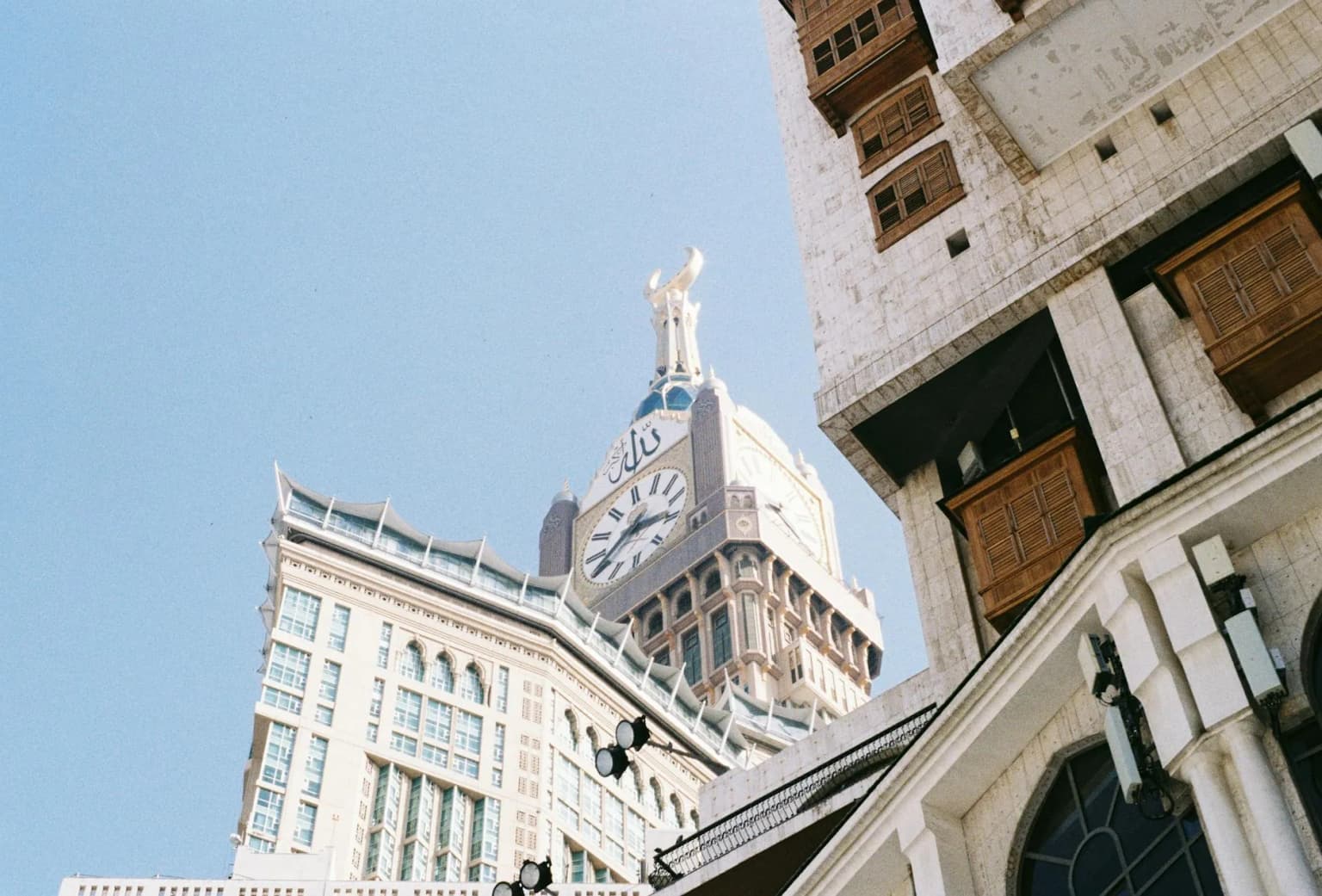
Abraj Al-Bait (Makkah Royal Clock Tower)
Home to the world's largest clock face at 141 feet (43 m) in diameter, visible from 16 miles (25 km) away. The Abraj Al-Bait complex towers over the Grand Mosque and includes a hotel, shopping mall, prayer halls, and a museum. It is one of the tallest buildings in the world.
Hours: Mall: 9 AM - 12 AM daily; museum hours vary. Tickets: Free to enter the mall; museum admission varies. Tip: The upper observation deck offers stunning panoramic views of the Haram. The complex has dozens of restaurants and shops, making it convenient for pilgrims staying nearby.
Sacred Mountain
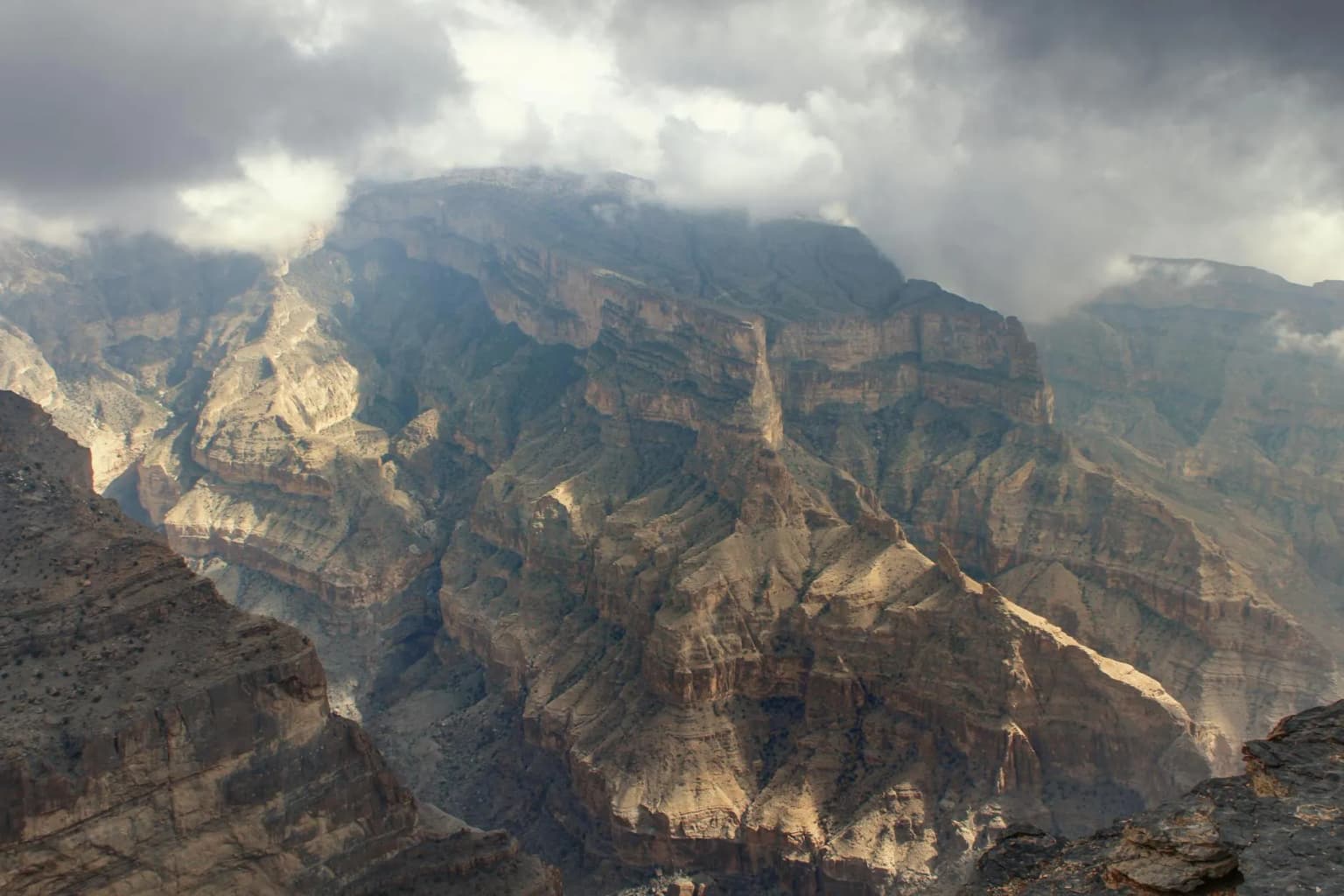
Jabal al-Nour (Mountain of Light)
This mountain houses the Cave of Hira, where Prophet Muhammad received the first revelation of the Quran from the angel Jibril. The climb to the cave takes one to two hours and offers sweeping views of Mecca. It is one of the most spiritually significant sites outside the Haram.
Hours: Accessible at all times. Tickets: Free. Tip: Start the climb very early in the morning to avoid the midday heat. Wear sturdy shoes and bring water. The path is steep and uneven in places.
Hajj Site
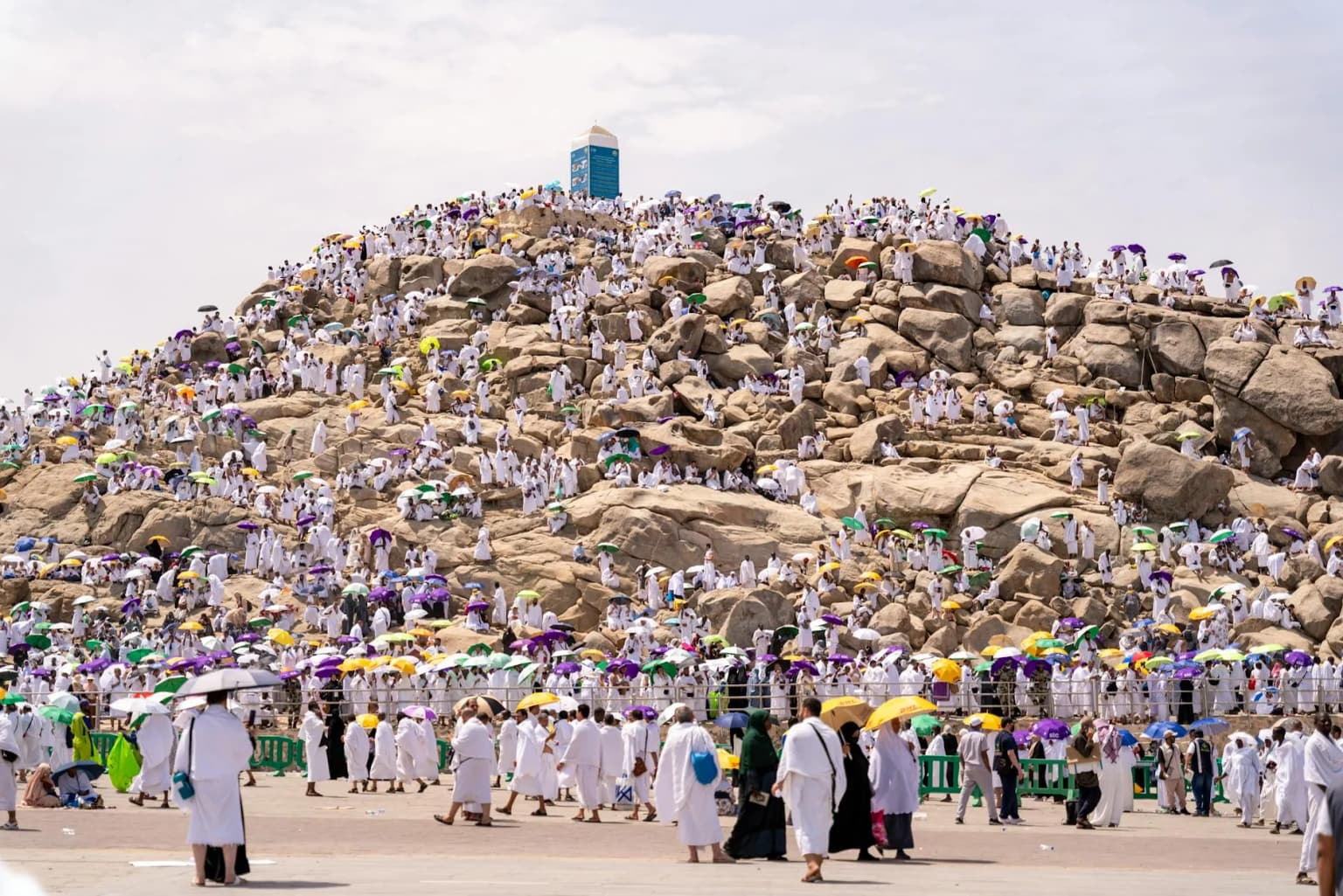
Mina and Arafat
The plains of Arafat and the tent city of Mina are central to the Hajj pilgrimage. Pilgrims gather at Arafat on the 9th of Dhul Hijjah for the Day of Standing (Wuquf), considered the most important ritual of Hajj. Mina hosts the symbolic stoning of the Jamarat pillars.
Hours: Primarily during Hajj season. Tickets: Requires Hajj permit. Tip: These sites are most meaningful during Hajj. Outside the pilgrimage season they can still be visited for reflection, but facilities are largely closed.
Hidden Gems
Beyond the well-known landmarks, Mecca has some lesser-known spots worth discovering:
Jabal Thawr (Cave of Thawr)
The mountain that sheltered Prophet Muhammad and Abu Bakr during their migration (Hijra) from Mecca to Medina. According to tradition, a spider wove a web and a dove nested at the cave entrance to conceal them from pursuers. The cave sits at roughly 750 meters elevation and the climb takes about two hours.
Jannat al-Mualla Cemetery
One of the oldest and most historically significant cemeteries in Islam. It is the burial place of Khadijah bint Khuwaylid (the Prophet's first wife), Abu Talib, and other members of the Prophet's family and early companions. The cemetery offers a moving connection to early Islamic history.
Birthplace of Prophet Muhammad (Mawlid al-Nabi Site)
The traditional site believed to be where Prophet Muhammad was born in 570 CE, located in the Suq al-Layl area. While the original structure no longer stands and the site is now occupied by a library (Maktabat Makkah al-Mukarramah), many visitors come here to reflect on the origins of the Prophet.
Day Trips from Mecca
While Mecca itself demands much of a pilgrim's time and devotion, the surrounding Hejaz region offers rewarding day trips. The mountain city of Taif provides a refreshing escape from the desert heat, while the coastal metropolis of Jeddah is just 30 minutes away by high-speed train. The Al Hada Mountains between Mecca and Taif offer dramatic scenery and cooler air.
Taif
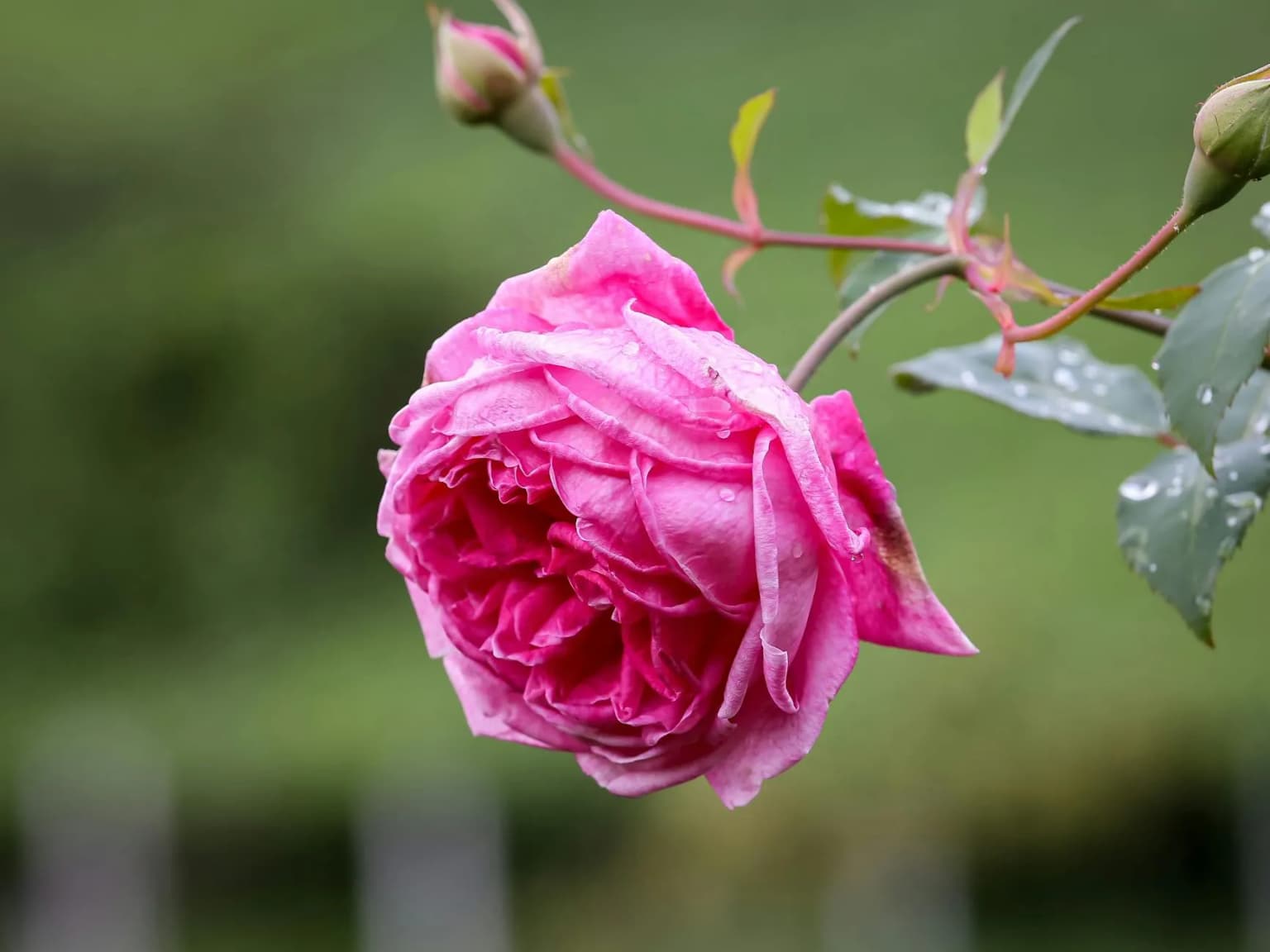
Known as the "City of Roses," Taif sits in the Hejaz Mountains at around 1,800 meters elevation, offering a cool escape from Mecca's heat. Famous for its rose gardens, fragrant rose water, fresh fruit, and the historic Shubra Palace. The scenic drive through the mountains is spectacular.
90 km - 1.5 hours by car
Jeddah
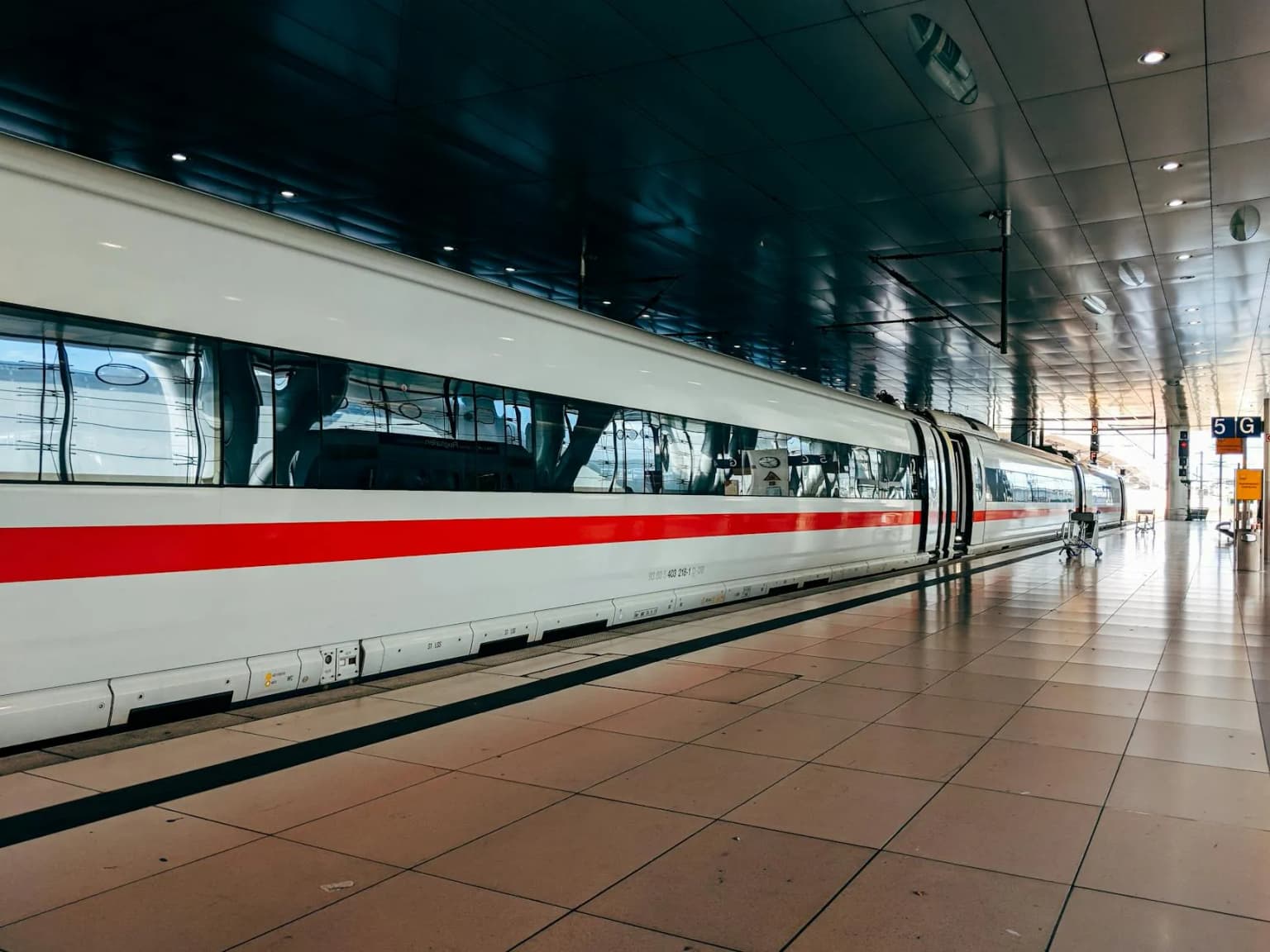
Saudi Arabia's cosmopolitan Red Sea gateway features the historic Al-Balad district (a UNESCO World Heritage Site), the Jeddah Corniche, floating mosque, and excellent seafood dining. Easily reached by the Haramain High-Speed Railway in just 30 minutes.
80 km - 30 minutes by train

Al Hada Mountains
A scenic mountain area between Mecca and Taif featuring winding roads with breathtaking views, the Al Hada cable car, a wildlife park, and cooler temperatures. The famous "Stairway Road" (Taif-Mecca highway) is an engineering marvel with dramatic switchbacks.
70 km - 1 hour by car
For a complete list of attractions, restaurants, and detailed itineraries, check out our full guide to things to do in Mecca.
Where to Eat in Mecca
Dining in Mecca centers around the Grand Mosque area, with countless restaurants and food stalls catering to the diverse international pilgrim population. Hejazi cuisine dominates, featuring dishes like saleeg, matazeez (lamb stew with wheat dumplings), and an abundance of dates. Expect to pay 25-60 SAR for a typical meal, with higher prices at restaurants directly overlooking the Haram. During Ramadan, free iftar meals are widely distributed throughout the mosque and surrounding streets.
Local dishes you should try include Saleeg (a creamy hejazi rice dish slow-cooked in milk and chicken broth until it reaches a porridge-like consistency, typically served with roasted chicken on top, 30-50 SAR), Matazeez (a hearty lamb stew with hand-torn wheat dumplings simmered in a tomato-based broth with vegetables, 35-60 SAR), Dates (Tamr) (saudi arabia is famous for its dates, and mecca offers some of the finest varieties including ajwa, sukkari, and safawi, 15-80 SAR per kg), Kabsa (the national dish of saudi arabia featuring spiced rice with slow-cooked lamb or chicken, garnished with fried onions, raisins, and nuts, 25-55 SAR), and Mutabbaq (a stuffed pan-fried pastry filled with minced meat, eggs, and vegetables, 10-25 SAR).
Restaurant Recommendations
Some places worth trying: Al Baik in Multiple locations near the Haram (the legendary saudi fried chicken chain with a massive following, 15-35 SAR), Al Tazaj in Near Masjid al-Haram and Abraj Al-Bait (popular chain specializing in flame-grilled chicken marinated in signature spices, 25-50 SAR), Abraj Al-Bait Food Court in Abraj Al-Bait Complex (a wide variety of international and middle eastern cuisine in the clock tower complex, offering everything from fast food to sit-down restaurants with views of the haram, 30-80 SAR), and Hanini Restaurant in Al Aziziyah district (authentic hejazi cuisine in a traditional setting, 35-65 SAR).
Dining Tips
Restaurants nearest to the Haram charge a premium; walk a few blocks for better value.
During Ramadan, free iftar meals are available at the Grand Mosque and distributed by charitable organizations throughout the city.
Zamzam water is freely available at the Grand Mosque and in most hotels. It is considered blessed and many pilgrims bring bottles home.
Street food vendors near the Haram sell excellent mutabbaq, shawarma, and fresh juice at very reasonable prices.
Many restaurants stay open 24 hours during Hajj and Ramadan to accommodate worshippers.
Cost of Living in Mecca
Living costs in Mecca are Similar to Jeddah on average, but accommodation prices can triple or quadruple during Hajj season compared to other major cities in the Gulf. A comfortable monthly budget falls between 4,000-12,000 SAR, covering rent, food, transport, and day-to-day expenses. Compared to Dubai, you can expect to spend 30-50% less. Compared to Abu Dhabi, 20-40% less. And with zero personal income tax in Saudi Arabia, your purchasing power goes further than the numbers suggest.
Housing
Rent for a one-bedroom apartment ranges from 2,000-8,000 SAR (prices surge during Hajj season), depending on the neighborhood and apartment quality. City center locations and modern compounds are more expensive but offer better amenities and shorter commutes. Suburban standalone apartments give you more space for less money. Most landlords expect annual rent, often paid in 1-4 post-dated checks, and utilities run about 200-500 SAR per month per month. For details on how the process works, see our rental guide for Saudi Arabia.
Groceries, Food & Transport
A meal at a mid-range restaurant costs 20-100 SAR per meal. Monthly grocery shopping averages 600-1,200 SAR per month, with major supermarket chains like Tamimi, Panda, Danube, and Carrefour available. Transportation costs are Taxis and ride-hailing: 10-25 SAR per trip; Haramain train to Jeddah: ~75 SAR - fuel is very affordable, ride-hailing through Uber and Careem works well, and most expats drive or use apps to get around.
Monthly Budget Breakdown
| Rent (1BR apartment) | 2,000-8,000 SAR (prices surge during Hajj season) |
| Utilities | 200-500 SAR per month |
| Groceries | 600-1,200 SAR per month |
| Transportation | Taxis and ride-hailing: 10-25 SAR per trip; Haramain train to Jeddah: ~75 SAR |
| Restaurant meal | 20-100 SAR per meal |
| Total monthly budget | 4,000-12,000 SAR |
Use our cost of living calculator to get a personalized estimate based on your lifestyle.
Best Neighborhoods in Mecca
Where you live matters. Mecca has neighborhoods that range from gated expat compounds with pools and security to vibrant city center districts within walking distance of restaurants and offices. The right choice depends on your budget, whether you have a family, and how you want to live day-to-day.
| Neighborhood | Rent Level | Description |
|---|---|---|
| Ajyad (near Grand Mosque) | Very High | Closest residential area to the Grand Mosque, extremely convenient but very expensive, especially during Hajj and Ramadan. |
| Al Aziziyah | Medium | Large residential and commercial district south of the Haram, popular with residents and seasonal workers. Good amenities and markets. |
| Al Shisha | Medium | Developing residential area with newer apartment buildings, more affordable than central districts. |
| Al Awali | Medium-High | Upscale residential area in southern Mecca with modern villas and good infrastructure, popular with families. |
| Al Kakiyyah | Low-Medium | Outer residential area with more affordable housing, further from the Grand Mosque but accessible by transport. |
District Map
If you are coming with family, expat compounds are the path of least resistance. They come with security, shared amenities, social events, and other families in the same situation as you. If you are single or a couple without kids, a modern apartment in a central district puts you closer to restaurants, offices, and city life. Either way, visit the neighborhood in person before signing a lease. Drive around at different times of day, check the commute to your office, and look at what is nearby.
Jobs & Career Opportunities
The job market in Mecca is active, with an unemployment rate of Moderate; strong seasonal employment during Hajj and Ramadan. Average salaries sit around 5,000-15,000 SAR (heavily dependent on sector and season), and because Saudi Arabia has no personal income tax, what you earn is what you keep. Saudization (Nitaqat) policies mean companies must hire a percentage of Saudi nationals, but many sectors still recruit heavily from abroad - especially in religious tourism (hajj & umrah), hospitality & hotels, real estate development.
Major employers in Mecca include General Presidency for the Affairs of the Grand Mosque, Jabal Omar Development Company, Makkah Construction & Development Company, Hilton and Marriott hotel chains, Hajj and Umrah service agencies, Umm Al-Qura University. These companies regularly hire international talent and often provide comprehensive packages including housing, transportation allowances, annual flights home, and medical insurance for the whole family.
The fastest growing sectors are hospitality & hotels, religious tourism services, real estate development, retail & commerce, healthcare for pilgrims, transport & logistics, all driven by the Kingdom's Vision 2030 diversification strategy. If your skills align with any of these, you will find the job market receptive.
How to Find Work
LinkedIn is the primary recruitment channel in Saudi Arabia - update your profile with Mecca or Saudi Arabia as your preferred location. Major recruitment agencies like Hays, Robert Half, and Michael Page operate across the Kingdom. Bayt.com, GulfTalent, and Naukrigulf are the most used regional job boards. Apply directly on company career pages for the big employers. Networking matters more here than in most places - join professional groups, attend industry events, and connect with people already working in Mecca.
Work Culture
The work week runs Sunday to Thursday, typically 8 hours per day with reduced hours during Ramadan. You get a minimum of 21 days annual leave, increasing to 30 days after 5 years with the same employer. Typical expat packages include housing, transport, annual flights, medical insurance, and education allowances for children. When your contract ends, you receive an end-of-service gratuity based on your years of employment. For more on what to expect, read our Saudi working culture guide.
Getting Around Mecca
Getting around Mecca is straightforward near the Haram, which is highly pedestrian-friendly with tunnels, covered walkways, and escalators connecting various levels. Outside the immediate Haram area, ride-hailing apps are the most practical option. During Hajj season, expect severe traffic congestion as the city population can swell to over four million.
Walking: The Haram area is very pedestrian-friendly with air-conditioned tunnels, walkways, and escalators. Most hotels are within walking distance of the mosque. Cost: Free.
Al Mashaaer Al Mugaddassah Metro: An 18-kilometer automated metro line connecting the Hajj sites of Arafat, Muzdalifah, and Mina. It operates exclusively during the Hajj season to transport pilgrims between sacred sites. Cost: Included in Hajj package.
Ride-hailing (Uber/Careem): Available throughout the city outside peak pilgrimage times. Careem is particularly popular and reliable in Mecca. Cost: 10-40 SAR for trips within the city.
Haramain High-Speed Railway: Connects Mecca to Jeddah (30 minutes) and Medina (approximately 2 hours). The Mecca station is located in Al Rusayfah district. Cost: 50-250 SAR depending on class and destination.
Taxis: Metered taxis are available but can be difficult to find during peak times. Negotiate the fare before getting in if the meter is not used. Cost: 15-50 SAR for trips within the city.
Mecca does not have its own airport. The nearest airport is King Abdulaziz International Airport (JED) in Jeddah, approximately 80 kilometers west. The Haramain High-Speed Railway connects Jeddah airport to Mecca in about 30 minutes, making it the fastest and most convenient transfer option. Taxis and private transfers are also available.
Driving in Mecca is challenging, especially during Hajj and Ramadan. Traffic congestion can be extreme around the Haram and along main arteries. Non-Muslims are not permitted to enter Mecca, and checkpoints are set up on all approaches. If you do drive, parking is scarce near the Haram; use hotel parking or park further out and walk.
Intercity travel: The Haramain High-Speed Railway is the best option for traveling between Mecca, Jeddah, and Medina, offering fast and comfortable service. SAPTCO buses also connect Mecca to other Saudi cities. During Hajj season, special bus services run between Mecca and the holy sites of Mina, Arafat, and Muzdalifah.
Expat Life in Mecca
Mecca has a well-established international community of around ~500,000 expats (Muslim workers only) people, with the largest groups coming from Pakistani, Indian, Egyptian, Bangladeshi, Indonesian, Yemeni, Syrian, Sudanese. This is not a city where you will feel isolated. There are active expat groups, compound communities, professional networks, and social clubs that make it straightforward to build a social life from scratch.
Local groups like Makkah Community Group, Hajj Workers Network, Umm Al-Qura International Students organize regular social events, cultural activities, and networking opportunities. Compound living provides built-in community with sports leagues, family events, and shared facilities. If you live independently, online communities on Facebook and WhatsApp are the fastest way to connect with other expats in your area.
Mecca's culture is inseparable from Islam. Daily life revolves around the five daily prayers, and the call to prayer from the Grand Mosque sets the rhythm of the city. The culture is deeply spiritual, with traditions of hospitality toward pilgrims dating back centuries. Local Hejazi cuisine, traditional markets (souqs), and Islamic scholarship define the cultural landscape.
Healthcare
Mecca has specialized healthcare facilities geared toward serving millions of pilgrims, including King Abdullah Medical City, Al Noor Specialist Hospital, and Hera General Hospital. During Hajj season, extensive medical camps and emergency services are deployed throughout the holy sites. Employer-provided medical insurance is mandatory by law, and most private hospitals and clinics have English-speaking staff. Emergency services are available around the clock, and pharmacies are well-stocked and often open late.
Education
Mecca has 1 major universities, including Umm Al-Qura University (leading Islamic studies and Arabic language programs). For expat families, international schools offering British, American, IB, and other curricula are available, along with nurseries and early childhood centers. School fees vary widely, but many employer packages include an education allowance.
Your First Month
When you first arrive, the priority list is straightforward: get your iqama (residence permit) processed through your employer, open a Saudi bank account, register on the Absher platform for government services, get a Saudi SIM card (STC, Mobily, or Zain), and either convert your driving license or start the process of getting a Saudi driving license. Most of this can be sorted within the first few weeks if your employer's PRO (public relations officer) is on top of things.
Climate & Practical Information
Summers in Mecca are extremely hot, 104-118°f (40-48°c / 104-118°f) with low humidity (june-september), while winters are warm, 64-86°f (18-30°c / 64-86°f) with pleasant evenings (november-february). The city experiences very low, ~110mm annually; rare but intense rain can cause flash flooding in valleys. The best time to visit or move is between October and April when the weather is most pleasant.
Popular destinations near Mecca include Jabal al-Nour (Cave of Hira), Jabal Thawr (Cave of Thawr), Mina, Muzdalifah, and Arafat, Taif (Cool Mountain Retreat), Jeddah via Haramain Rail. These are accessible for day trips or weekend getaways and give you a sense of the region beyond the city itself.
Useful Contacts
Emergency services: 911 (Riyadh and Eastern Province) or 999 (other regions). Traffic Police: 993. Ambulance: 997. Fire: 998. Essential apps include Absher (government services), Tawakkalna (digital ID), and your bank's app for managing payments through the mada network.
Ready to Move to Mecca?
Tax-free salaries, a growing international community, and a city that is changing fast. Start planning your move today.
Tours & Activities in Mecca
Discover the best tours, excursions, and activities available in and around Mecca. From cultural experiences to desert adventures, find something for every interest.