
Loading...
Join our Facebook Group: Join: Expats in Saudi Arabia
Loading...
Saudi Arabia's transport infrastructure is rapidly expanding under Vision 2030. From the new Riyadh Metro and Haramain High-Speed Railway to ride-hailing apps and intercity buses, this guide covers everything you need to know about getting around the Kingdom. Learn about routes, costs, apps, and tips for navigating Saudi transport as an expat.
Saudi Arabia has invested heavily in rail infrastructure as part of Vision 2030. The Kingdom now has high-speed rail, long-distance trains, and a state-of-the-art metro system in Riyadh. These represent a major shift from the traditionally car-dependent Saudi transport culture.
The Haramain High-Speed Railway is the flagship project connecting the holy cities of Mecca and Medina via Jeddah, while the Riyadh Metro is transforming urban transport in the capital.
Saudi Arabia's flagship high-speed train connecting Mecca, Medina, Jeddah, and King Abdullah Economic City (KAEC). Reaches 186 mph (300 km/h) with modern Spanish-built trains.
Connects Riyadh to Qassim, Hail, and the northern regions. Comfortable long-distance service with business and economy classes.
The world's largest metro project under construction. 6 lines covering 109 miles (176 km) with 85 stations across Riyadh. Driverless, fully automated system.
Tip: Book Haramain Railway tickets in advance during Hajj and Umrah seasons. Trains fill up quickly on Thursday/Friday weekends. Business class includes meals and extra luggage allowance.
The Riyadh Metro opened to the public in phases from late 2024 into 2025, becoming the backbone of public transport in the Saudi capital. It is a fully driverless, automated system spanning 6 color-coded lines, around 85 stations, and roughly 109 miles (176 km) of track — one of the largest metro networks built from scratch anywhere in the world. It integrates with the city's bus network so a single fare card works across both.
Operating hours: The Riyadh Metro generally runs from early morning until around midnight daily, with extended hours on some lines during peak periods. Trains offer single-gender/family sections and a First Class option. Always confirm current fares, timings, and line status in the official Darb app before you travel.
Saudi cities are rapidly developing public transport networks. Riyadh leads with its new metro system, while other cities rely on bus networks and ride-hailing services. The Kingdom's transport revolution is making it increasingly possible to live without a car.
SAPTCO (Saudi Public Transport Company) is the main intercity bus operator connecting cities across the Kingdom. Buses are modern, air-conditioned, and affordable - making them a popular choice for budget-conscious travelers.
Ride-hailing apps dominate urban transport in Saudi Arabia. Careem (Saudi-founded, now Uber-owned) and Uber are available in all major cities and are the preferred way to get around for both locals and expats.
Standard ride, most affordable
Standard Uber ride
Newer cars, extra legroom
Premium vehicles
Luxury sedans, professional drivers
Fixed price to/from airports
Best option for daily commuting. Cashless, transparent pricing, GPS-tracked rides. Available 24/7 in all major cities.
White cars with green signs. Insist on meter or agree on price beforehand. Available at malls, airports, and hotels.
Pre-book via app for best rates. Hotel shuttles available at major airports. Limousine services for business travelers.
Major brands (Hertz, Budget, local companies) at airports and city centers. Saudi license or IDP required. From ~100 SAR/day.
Important: During prayer times (5 times daily), many drivers may be unavailable for 15-30 minutes. Plan accordingly, especially for airport trips and important appointments.
The most popular ride-hailing app in Saudi Arabia (owned by Uber). Offers cars, bikes, and food delivery. Widely used across all Saudi cities.
iOS, AndroidAvailable in all major Saudi cities. Offers UberX, Comfort, and premium options. Reliable with upfront pricing and cashless payment.
iOS, AndroidOfficial Riyadh public transport app for the new metro and bus network. Real-time schedules, route planning, and fare information.
iOS, AndroidSaudi Public Transport Company app for intercity bus bookings. Covers routes between all major cities and regional destinations.
iOS, Android, WebOfficial Saudi Railway app for booking train tickets on the North line (Riyadh-Qassim-Hail) and checking schedules.
iOS, Android, WebGood coverage of Saudi Arabia roads and destinations. Shows driving routes, estimated times, and some public transport options in major cities.
iOS, AndroidA single Riyadh Metro ride costs roughly 4 SAR, and a day pass is around 10 SAR. Multi-day and monthly passes (3-day, 7-day, and 30-day) are also available and work out cheaper per trip if you commute daily. Fares are the same across all 6 metro lines and integrate with the Riyadh bus network. Always confirm current pricing in the official Darb app, as fares can be updated.
You pay for the Riyadh Metro by tapping at the station gates. You can use a rechargeable Riyadh Metro/Bus smartcard (buy and top up at station machines or in the Darb app), or pay contactlessly with a bank card, Apple Pay, or a smartphone directly at the gate. The Darb app also lets you plan routes, check schedules, and manage your balance. There are no paper tickets for regular travel.
The Riyadh Metro generally operates from early morning (around 5:30-6:00 AM) until roughly midnight, seven days a week, with some lines running extended hours during busy periods. Trains arrive frequently, typically every few minutes at peak times. Because timings can change on Fridays and during events or holidays, check the official Darb app for the current schedule before you travel.
Public transport in Saudi Arabia has improved dramatically under Vision 2030 and is now genuinely good in the main cities. Riyadh has a modern driverless metro plus a bus network, the Haramain High-Speed Railway links Mecca, Jeddah, and Medina, and SAPTCO runs intercity buses nationwide. Ride-hailing apps (Uber and Careem) fill the gaps and are affordable. Outside major cities coverage is thinner, so many residents still rely on a car or ride-hailing.
Ride-hailing apps (Uber and Careem) are the most common way to get around Saudi cities without a car. They are affordable, widely available, and safe. For intercity travel, SAPTCO buses and the Haramain Railway (Mecca-Jeddah-Medina) are good options. The Riyadh Metro is also operational with 6 lines covering the capital. Taxis are available but ride-hailing apps offer better pricing and convenience.
Yes, public transport in Saudi Arabia is safe for women. The Riyadh Metro has dedicated women's sections in each train (family section). SAPTCO buses have separate seating areas. Ride-hailing apps like Uber and Careem are widely used by women traveling alone. Since the 2018 reforms, women can also drive themselves. Safety is generally high across all transport modes.
Ride-hailing is affordable in Saudi Arabia. A typical city ride (6-9 miles / 10-15 km) costs 20-40 SAR. Airport transfers cost 50-100 SAR depending on distance. Minimum fare is around 7-10 SAR. Prices surge during peak hours (morning/evening commute) and during Hajj/Umrah season in Mecca and Medina. Careem tends to be slightly cheaper than Uber for basic rides.
Haramain Railway tickets can be booked through the official HHR website (sar.hhr.sa), the SAR mobile app, or at station ticket offices. Booking in advance is recommended, especially during Hajj/Umrah season and weekends. Tickets come in Business and Economy class. The journey from Mecca to Medina takes about 2.5 hours with stops at Jeddah and KAEC.
Yes, SAPTCO (Saudi Public Transport Company) operates intercity bus services connecting all major Saudi cities. Routes include Riyadh-Jeddah, Riyadh-Dammam, Jeddah-Mecca, and many more. Buses are air-conditioned and comfortable. Book tickets via the SAPTCO app, website, or at bus stations. Prices are reasonable - Riyadh to Jeddah costs about 150-250 SAR one way.
The Riyadh Metro has been progressively opening its lines since late 2024. The full 6-line system with 85 stations covering 109 miles (176 km) is expected to be fully operational by 2025. It is the world's largest metro system built from scratch. The metro will transform transportation in Riyadh, reducing traffic congestion and providing fast, affordable travel across the city.
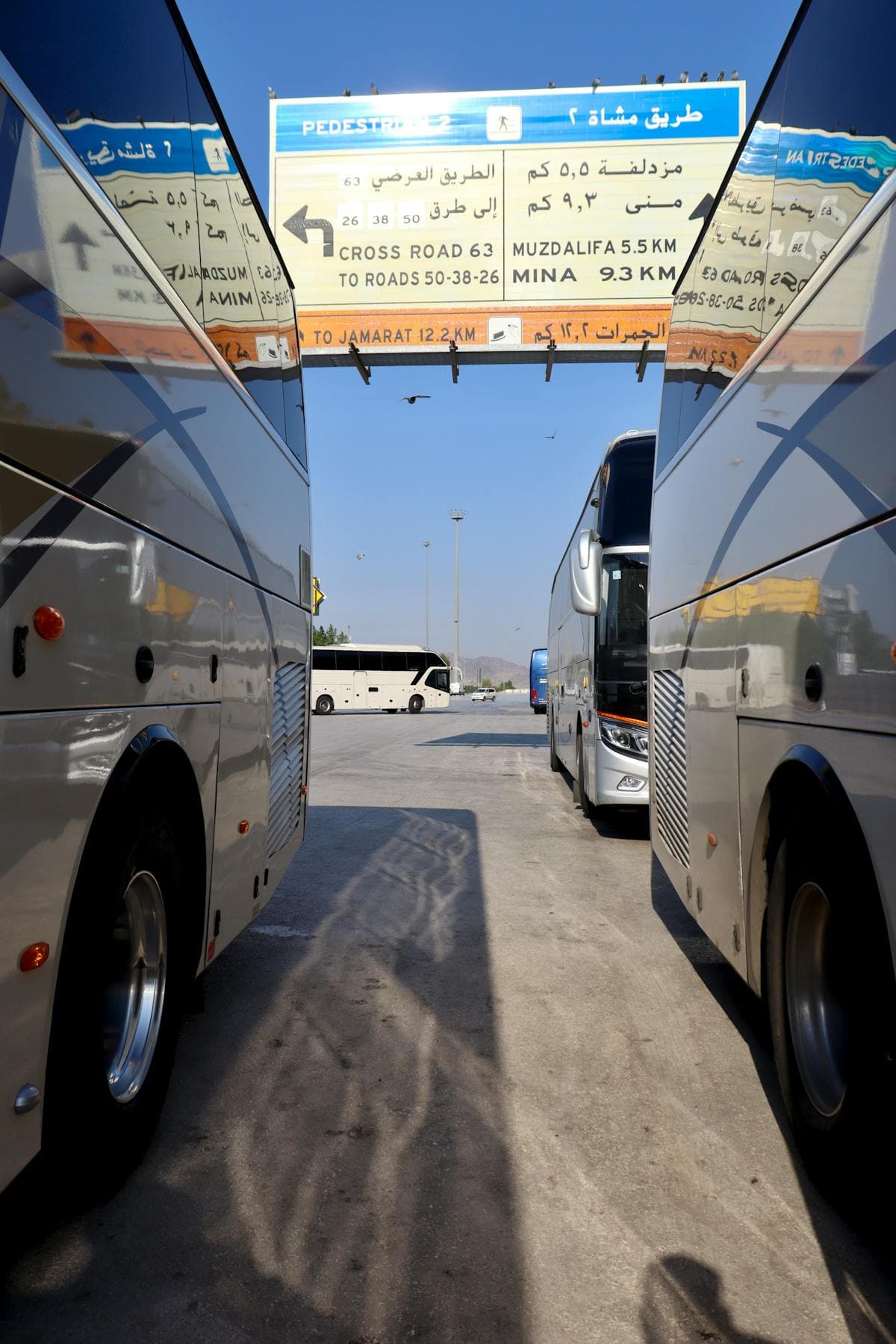
During Hajj season, special transport services operate between holy sites (Mina, Arafat, Muzdalifah). The Al Mashaaer Al Mugaddassah Metro is dedicated to Hajj pilgrim transport. For Umrah visitors, the Haramain Railway connects Jeddah airport to Mecca and Medina. Regular SAPTCO and ride-hailing services also operate but may have restricted access near the Haramain areas.
Official Saudi taxis (white cars with green rooftop signs) are supposed to use meters, but many drivers may try to negotiate fixed prices, especially with foreigners. The starting meter rate is about 5 SAR with 2 SAR per km. To avoid disputes, agree on the fare before getting in or insist on the meter. Ride-hailing apps (Uber/Careem) are recommended for transparent pricing.
Discover what each city has to offer. From the modern skyline of Riyadh to the historic streets of Jeddah, each city has its own character.