Loading...
Join our Facebook Group: Join: Expats in Saudi Arabia
Loading...
The short answer: October through March. But the real answer depends on where you are going, what you want to do, and how well you handle heat. Saudi Arabia is a vast country with surprising climate variation, from the humid Red Sea coast to the cool Asir mountains to the extreme desert interior. Here is everything you need to know to time your visit right.
For most visitors, November through February is the ideal window. Temperatures across most of the country are pleasant (20-28°C / 68-82°F in Riyadh, 24-30°C / 75-86°F in Jeddah), rainfall is minimal, and the major entertainment season (Riyadh Season) is in full swing. This is when Saudi Arabia feels most welcoming to people who are not accustomed to extreme heat.
October and March are shoulder months that still offer good conditions. Temperatures are warmer but manageable, prices are slightly lower, and crowds at tourist sites are thinner. If you can handle daytime highs around 30-35°C (86-95°F) and do most of your sightseeing in the morning or evening, these months offer excellent value.
April through September is when the heat becomes serious. Riyadh regularly hits 45°C+ (113°F+) in July and August. Even Jeddah, moderated by the sea, sits at 38-40°C (100-104°F) with brutal humidity. The exception is the Asir region (Abha, Taif), where mountain elevation keeps temperatures 10-15 degrees cooler than the lowlands. If you must visit in summer, head for the mountains.
One important caveat: Ramadan changes everything regardless of season. During the holy month, restaurants close during the day, business hours shrink, and the pace of daily life shifts dramatically. Ramadan follows the Islamic lunar calendar and moves forward roughly 10-11 days each year. For 2026, Ramadan is expected in February/March. Check the exact dates before booking.
Saudi Arabia does not have the four distinct seasons that people from temperate climates expect. Instead, the country essentially has two seasons: a long, brutally hot summer and a shorter, pleasant winter. The transition periods are brief. One week it is comfortable, and seemingly overnight the heat arrives and stays for six months.
This is when Saudi Arabia is at its best. Daytime temperatures in Riyadh hover around 20-25°C (68-77°F), dropping to 8-12°C (46-54°F) at night. Yes, it actually gets cold in the desert at night, and Saudis pull out jackets, scarves, and even winter coats. Jeddah stays warmer (24-29°C / 75-84°F) with pleasant humidity. The mountains around Abha and Taif can drop below 5°C (41°F), and frost is not unheard of at higher elevations. Rainfall is rare but possible, and when it does rain in Riyadh, the city handles it poorly since the drainage infrastructure was not built for it.
A brief but beautiful transition. Temperatures climb steadily from comfortable (25-30°C / 77-86°F) to warm (33-38°C / 91-100°F). March is still very pleasant for outdoor activities. By late April, you can feel summer approaching. This is also when sandstorms are most frequent, especially in central and eastern Saudi Arabia. These can reduce visibility dramatically and are worth planning around. The desert briefly blooms with wildflowers after winter rains, creating surprisingly green landscapes.
Summer in Saudi Arabia is no joke. Riyadh routinely reaches 45-50°C (113-122°F) in June, July, and August. The Eastern Province combines 40°C+ (104°F+) temperatures with high humidity, creating a suffocating combination. Jeddah is slightly cooler but the humidity makes it feel worse. Outdoor activities become effectively impossible during midday hours. Locals shift their schedules later: shopping malls are packed at 11 PM, and life genuinely happens after dark. If you live here, you learn to plan your day around air-conditioned spaces.
The silver lining: flight and hotel prices drop significantly in summer (except during Hajj), and indoor attractions are less crowded. The Asir mountains (Abha, Taif, Al Baha) become domestic tourism hotspots as Saudis escape the lowland heat. If you visit Abha in July, you will find 25°C (77°F) temperatures and misty mountain scenery while Riyadh bakes.
Autumn barely exists as a season. The heat begins to break in October, with Riyadh dropping from the mid-40s to the mid-30s over a few weeks. By late October, evenings become pleasant again and outdoor life resumes. Riyadh Season typically launches around this time, kicking off months of entertainment events. Think of October as the transition week between endurance and enjoyment.
Select a city to see how daytime highs, nighttime lows, and average temperatures change throughout the year. Hover over any point for exact temperatures in both Celsius and Fahrenheit.
| Month | Riyadh | Jeddah | Dammam | Abha | Rating |
|---|---|---|---|---|---|
| January | 20°C / 68°F | 29°C / 84°F | 21°C / 70°F | 18°C / 64°F | Excellent |
| February | 23°C / 73°F | 29°C / 84°F | 23°C / 73°F | 19°C / 66°F | Excellent |
| March | 27°C / 81°F | 31°C / 88°F | 27°C / 81°F | 22°C / 72°F | Good |
| April | 33°C / 91°F | 34°C / 93°F | 33°C / 91°F | 25°C / 77°F | Warm |
| May | 39°C / 102°F | 37°C / 99°F | 39°C / 102°F | 28°C / 82°F | Hot |
| June | 43°C / 109°F | 39°C / 102°F | 42°C / 108°F | 30°C / 86°F | Extreme |
| July | 45°C / 113°F | 40°C / 104°F | 44°C / 111°F | 30°C / 86°F | Extreme |
| August | 45°C / 113°F | 39°C / 102°F | 44°C / 111°F | 29°C / 84°F | Extreme |
| September | 42°C / 108°F | 38°C / 100°F | 41°C / 106°F | 28°C / 82°F | Hot |
| October | 36°C / 97°F | 36°C / 97°F | 36°C / 97°F | 25°C / 77°F | Warm |
| November | 27°C / 81°F | 33°C / 91°F | 28°C / 82°F | 22°C / 72°F | Excellent |
| December | 22°C / 72°F | 30°C / 86°F | 23°C / 73°F | 19°C / 66°F | Excellent |
Note: These are average daytime highs. Nighttime temperatures can drop 10-15°C (18-27°F) below daytime highs, especially in inland areas like Riyadh and the mountains. Jeddah stays warmer at night due to coastal humidity.
Saudi Arabia is not one climate zone. Choosing your destination based on the season can make the difference between a fantastic trip and a miserable one.
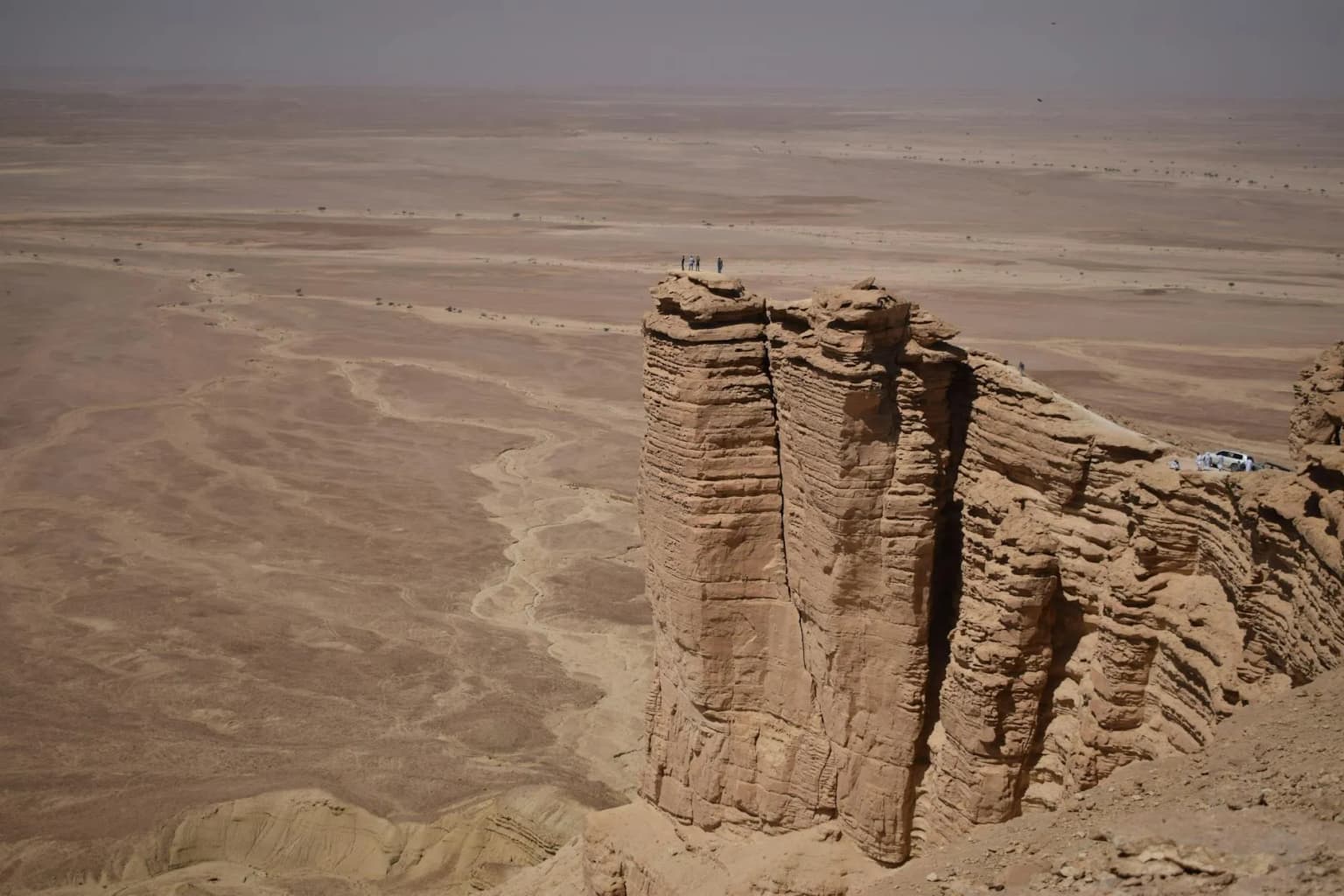
Classic desert climate with the most extreme temperature swings. Summers are scorching (45-50°C / 113-122°F) with very low humidity, which means the heat feels dry and your sweat evaporates instantly. Winters are genuinely cool, with Riyadh nighttime temperatures dropping to 5-10°C (41-50°F) in January. The best time for Riyadh is November through February when you can actually enjoy outdoor attractions like Diriyah, Edge of the World, and the new Boulevard district. Sandstorms can occur March through May.
Hot and humid year-round, but more moderate than the interior. Jeddah never gets as hot as Riyadh (rarely exceeding 42°C / 108°F) but the humidity makes it feel worse. The most comfortable months are November through March when humidity drops and sea breezes keep things bearable. The Red Sea coast is excellent for diving and snorkeling year-round, though visibility is best from March to May. If you want to explore Jeddah's historic Al Balad district on foot, winter is the only practical option.
Saudi Arabia's best-kept climate secret. At 6,562-9,843 feet (2,000-3,000 m) elevation, these mountain cities are 18-27°F (10-15°C) cooler than the lowlands. Abha averages 25-30°C (77-86°F) in summer when Riyadh is at 45°C+ (113°F+). Winter brings cold nights (near freezing at times) and occasional fog. The monsoon-influenced climate means summer brings some rainfall, creating green, misty landscapes that look nothing like the desert Saudi Arabia most people imagine. This is the only region that is genuinely pleasant to visit in summer, and it is where Saudis themselves escape the heat.
Similar to Jeddah in that humidity is the main challenge, but with less sea breeze relief. Summer combines 40°C+ (104°F+) heat with Gulf humidity that can push the feel-like temperature above 50°C (122°F). Winters are mild and pleasant (18-24°C / 64-75°F). The Eastern Province is at its best from November to March. If you are visiting Bahrain via the King Fahd Causeway from Khobar, the winter months make the drive and border crossing much more pleasant.
AlUla, home to the spectacular Nabataean tombs of Hegra (Saudi Arabia's first UNESCO World Heritage Site), has a classic desert climate. Winters are cool and perfect for exploring the archaeological sites (15-22°C / 59-72°F in December-January). Summers are extremely hot. The AlUla tourist season runs roughly from October to March, with major cultural events and festivals concentrated in the winter months. Plan your visit during this window.
When you should visit depends heavily on what you want to do. Here is a quick reference for planning around specific activities.
| Activity | Best Months | Why |
|---|---|---|
| Desert camping & safari | Nov - Feb | Cool nights, comfortable daytime temperatures for outdoor activity |
| Red Sea diving & snorkeling | Mar - May | Best underwater visibility, warm water, manageable air temperatures |
| City sightseeing (Riyadh, Jeddah) | Nov - Feb | Walking temperature, outdoor dining weather, Riyadh Season events |
| Mountain hiking (Asir, Taif) | Jun - Sep | Green scenery, cool temps while lowlands bake, misty atmosphere |
| AlUla & archaeological sites | Nov - Mar | Tourist season, cultural festivals, comfortable desert temperatures |
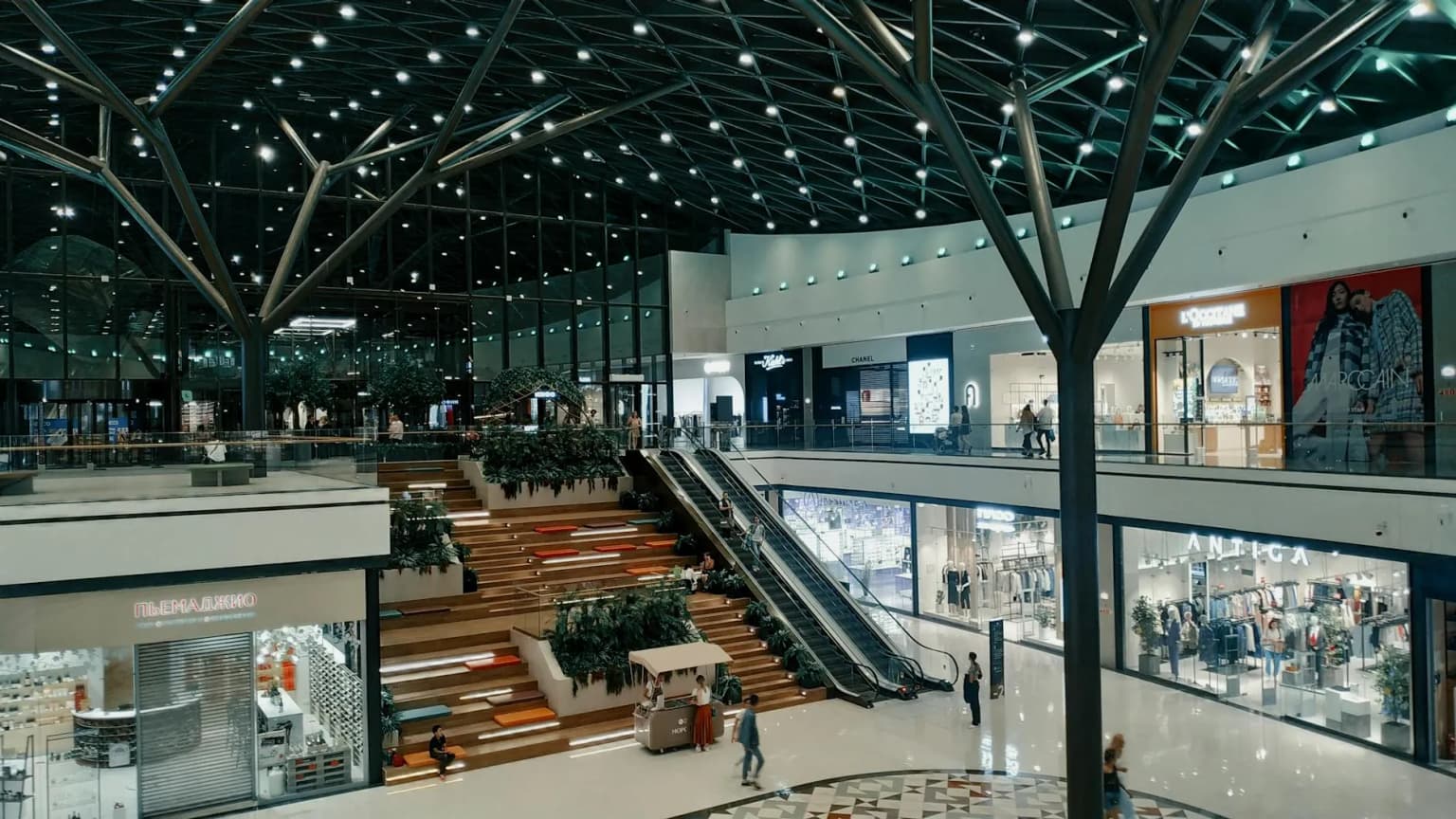
| Shopping & malls | Year-round | Air-conditioned indoor activity; summer sales offer best deals |
| Budget travel | Jun - Aug | Lowest flight and hotel prices (avoid Hajj dates in western region) |
| Cultural experience (Ramadan) | Varies (lunar calendar) | Unique iftar atmosphere, community spirit, night markets |
Saudi Arabia's events calendar has exploded since 2019. Timing your visit around one of these events can transform your trip from good to unforgettable.
The biggest entertainment event in the Kingdom and arguably the Middle East. Riyadh Season runs for roughly five months and includes international concerts, sporting events, food festivals, cultural exhibitions, and themed entertainment zones spread across multiple venues. Past editions have drawn over 15 million visitors. Boulevard Riyadh City becomes a massive entertainment district with restaurants, shows, and attractions. If you want to experience Saudi Arabia at its most vibrant and modern, time your visit during Riyadh Season.
Jeddah's answer to Riyadh Season, running during summer when Jeddah's coastal climate is more bearable than the interior. Events concentrate around the Jeddah Corniche and waterfront areas, with concerts, water sports, and cultural programming. It is a good reason to visit Jeddah if you happen to be in Saudi Arabia during summer.
AlUla hosts a series of cultural festivals during its tourist season, including the Tantora Festival (music and arts in a stunning desert setting), Desert X AlUla (contemporary art installations in the landscape), and various heritage celebrations. These events bring world-class performances to one of the most dramatic natural settings on earth.
The Kingdom's founding anniversary is celebrated with fireworks, air shows, cultural events, and building illuminations across all major cities. It is a public holiday, and the festive atmosphere is genuine. Many buildings and landmarks are lit in green (the national color). If you happen to be in Saudi Arabia on September 23, the celebrations in Riyadh are particularly impressive.
Held on the Jeddah Corniche Circuit, this night race has become one of the most exciting on the F1 calendar. The street circuit runs along the Red Sea coast, and the event brings a week of entertainment beyond just the racing. Hotel prices in Jeddah spike dramatically during F1 weekend, so book months in advance if you plan to attend.
Held in the desert northeast of Riyadh, this massive festival celebrates Saudi Arabia's deep connection to camels. It includes a camel beauty contest (yes, with camels disqualified for Botox), races with robot jockeys, a heritage village, and a carnival atmosphere that draws hundreds of thousands of visitors. It is one of the most uniquely Saudi experiences you can have.
The annual Islamic pilgrimage to Mecca. Hajj follows the lunar calendar (expected in late May/June 2026) and brings 2-3 million pilgrims to the holy cities. If you are not performing Hajj, avoid Mecca, Medina, and Jeddah during this period. Flights are expensive, hotels are fully booked, and the logistical strain on the western region is enormous. The rest of the country is largely unaffected and can actually be a good time to visit Riyadh or the Eastern Province since many residents leave for pilgrimage.
Ramadan is not necessarily a bad time to visit Saudi Arabia, but you need to understand what changes and plan accordingly. During the holy month, Muslims fast from dawn to sunset. Eating, drinking, and smoking in public during daylight hours is prohibited for everyone, including non-Muslims and tourists. Most restaurants are closed during the day, business hours are shortened, and the general pace slows considerably.
However, the evenings come alive. After iftar (the sunset meal that breaks the fast), cities transform. Restaurants are packed, streets buzz with activity, and there is a festive, communal atmosphere that is genuinely special. Ramadan is one of the most cultural experiences you can have in Saudi Arabia if you are willing to adapt your schedule. Many expats say it is their favorite time of year.
Practical considerations: eat and drink in private during the day (your hotel room, for example). Plan sightseeing for late afternoon when temperatures are dropping and the fast is about to end. Many attractions have reduced hours. Hotels often serve meals in private, screened-off areas for non-fasting guests. Shopping malls typically open late (around 1 PM) and stay open until midnight or later.
Ramadan dates for the coming years (approximate, as they depend on moon sighting):
Light layers are key. Daytime in Riyadh is pleasant in a t-shirt and light trousers, but evenings can be genuinely cold. Pack a light jacket or sweater for Riyadh, and a proper warm layer if you are visiting Abha or Taif. Jeddah stays warm enough for light clothing day and night. A light scarf is useful for women visiting mosques or conservative areas. Comfortable walking shoes are essential.
Light, breathable clothing is mandatory. Loose-fitting, light-colored clothes made from cotton or linen work best. Pack serious sun protection: high-SPF sunscreen, sunglasses, and a hat. Despite the heat, avoid very short clothing in public (shorts above the knee for men, sleeveless tops for women in most areas). Bring a light cardigan for heavily air-conditioned indoor spaces, as the temperature difference between outside (45°C+ / 113°F+) and inside (18-20°C / 64-68°F) can be extreme. Stay hydrated aggressively.
Sunscreen and sunglasses regardless of season. A modest outfit for visiting mosques or conservative areas (loose-fitting clothes that cover shoulders and knees). An abaya is no longer legally required for women in public, but having a light one is useful for mosque visits. Comfortable closed-toe shoes for desert excursions. A good reusable water bottle. A power adapter (Saudi Arabia uses Type G plugs, the same as the UK).
December or January. Both offer comfortable temperatures across most of the country, Riyadh Season is in full swing, and the major cultural festivals (AlUla, Camel Festival) are happening. December has the added advantage of school holidays in many countries, making it convenient for family travel.
You can, but plan carefully. Stick to the mountains (Abha, Taif) for outdoor activities, and plan urban visits around air-conditioned attractions, shopping malls, and evening outings. Hotel and flight prices are lower, and indoor museums and cultural sites are less crowded. Jeddah is manageable if you stay near the coast. Riyadh in July is genuinely challenging for most visitors.
Yes, but rarely. Riyadh gets about 100mm of rain per year, mostly in November through March in short, intense bursts. When it rains, streets can flood quickly because drainage is limited. The Asir mountains receive more rainfall, especially in summer (monsoon influence), which is why they are green. Flash floods in wadis (dry valleys) are a genuine danger after heavy rain, even in the desert.
Sandstorms occur mainly in spring (March-May) in central and eastern Saudi Arabia. They can reduce visibility to near zero, delay flights, and make outdoor activity impossible. Most are short-lived (a few hours), but major storms can last a day or more. If you see the sky turning orange-brown, get indoors. The sand is fine enough to get through closed windows. Check weather forecasts before planning desert excursions during spring months.
Summer (June-August) offers the lowest flight and hotel prices, except during Hajj season when prices in the western region spike. Shoulder months (April, May, October) also offer decent value. The peak tourist season (November-February) has the highest prices, especially during Riyadh Season events and around the F1 Grand Prix in Jeddah. Booking 4-6 weeks ahead generally gives the best balance of price and availability.
In terms of personal safety and crime, Saudi Arabia is one of the safest countries in the world. The main safety consideration related to timing is the heat. Heat exhaustion and heatstroke are real risks in summer, particularly for people not accustomed to extreme temperatures. Stay hydrated, avoid prolonged sun exposure, and take the heat warnings seriously.
Now that you know when to go, explore the cities, food, and attractions that make Saudi Arabia worth the trip.